Electric cars (EVs) are no longer just a futuristic idea—they’re actively reshaping transportation and changing how we think about the environment. As governments push for cleaner cities and consumers look for sustainable alternatives, understanding the environmental impact of electric cars becomes increasingly important. By evaluating emissions, energy efficiency, battery production, and the role of renewable energy, we can see why EVs are a cornerstone of a sustainable future.
Why Electric Cars Matter
The transportation sector contributes significantly to global greenhouse gas emissions, with cars and trucks accounting for nearly 20–25% of total CO₂ emissions worldwide. Traditional vehicles rely on fossil fuels, which emit harmful gases such as carbon dioxide, nitrogen oxides, and particulate matter. These pollutants not only accelerate climate change but also degrade air quality, especially in urban areas.
Electric cars offer a cleaner alternative. By replacing gasoline engines with electric motors powered by batteries, EVs reduce reliance on fossil fuels and promote renewable energy integration. Moreover, they are not limited to just personal cars—electric buses, scooters, and delivery vehicles are also contributing to a greener transport ecosystem.
Transitioning to EVs is a crucial step in achieving global climate goals. According to the International Energy Agency (IEA), accelerating EV adoption could cut nearly 1.5 gigatons of CO₂ emissions by 2030, illustrating their transformative potential.
Lower Tailpipe Emissions
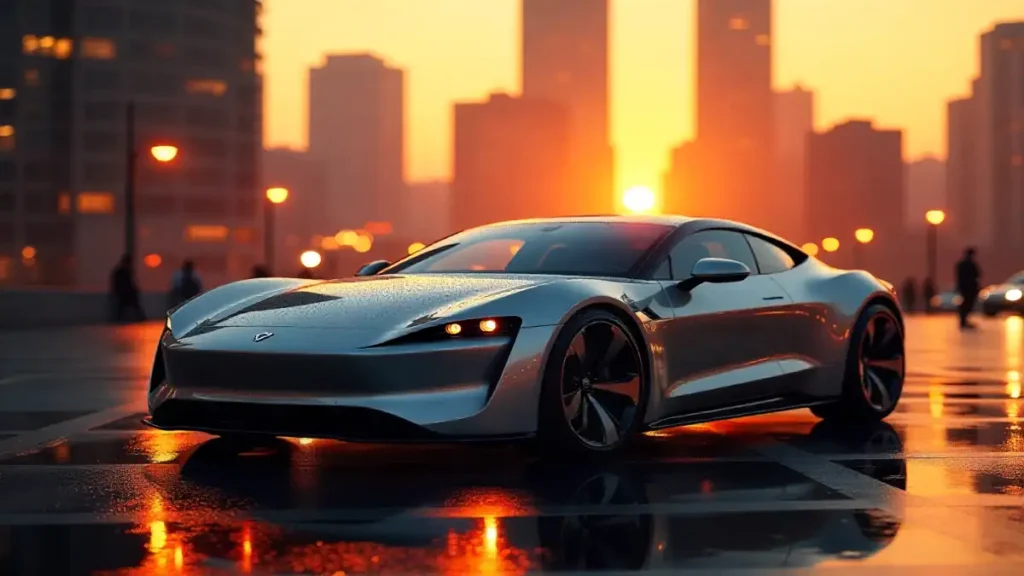
One of the most immediate and visible benefits of electric cars is zero tailpipe emissions. Unlike internal combustion engine (ICE) vehicles, EVs do not release exhaust gases during operation. Consequently, cities with higher EV adoption are experiencing noticeable improvements in air quality.
For example:
- Los Angeles, USA has seen a gradual decrease in smog levels due to cleaner vehicles.
- Beijing, China is promoting electric buses and taxis to combat severe air pollution episodes.
Zero tailpipe emissions mean fewer pollutants such as nitrogen oxides (NOx) and particulate matter, which are linked to respiratory problems, heart disease, and premature death. Additionally, reduced urban air pollution benefits ecosystems, as plants and wildlife are less exposed to harmful chemicals.
Reduced Greenhouse Gas Emissions
While EVs eliminate tailpipe emissions, their overall greenhouse gas (GHG) impact depends on the electricity source used to charge them. In regions powered predominantly by coal, EV emissions may be higher than areas with renewable-heavy grids. However, studies show that even in coal-heavy regions, EVs tend to have lower lifetime CO₂ emissions than conventional cars.
- European Environment Agency data suggests that EVs produce 17–30% fewer GHG emissions over their lifetime compared to gasoline cars.
- As the grid transitions to solar, wind, and hydroelectric power, the carbon footprint of EVs will continue to shrink.
Moreover, widespread EV adoption indirectly encourages investments in clean energy infrastructure, creating a positive feedback loop for sustainability.
Energy Efficiency of EVs
Electric motors are significantly more efficient than internal combustion engines. While a gasoline engine converts only about 20–30% of the fuel’s energy into motion, an electric motor can convert around 85–90% of the battery’s energy into movement.
For instance:
- A Tesla Model 3 uses roughly 24 kWh per 100 miles, compared to a gasoline car that consumes the energy equivalent of over 90 kWh for the same distance.
- This efficiency translates to less wasted energy, lower operating costs, and reduced environmental impact.
In addition, regenerative braking systems in EVs recover energy that would otherwise be lost during braking, further improving overall efficiency. This technology reduces energy consumption and extends battery life, enhancing the environmental benefits.
Battery Production and Environmental Costs
While EVs are cleaner during use, battery production carries environmental challenges. Lithium, cobalt, nickel, and other minerals are essential for lithium-ion batteries, but mining these materials can:
- Disrupt local ecosystems
- Consume significant water resources
- Cause soil and water contamination if poorly managed
However, the EV industry is actively addressing these challenges. For example:
- Responsible mining initiatives ensure ethical sourcing of cobalt and lithium.
- Battery innovations are reducing the amount of rare metals needed per kilowatt-hour of storage.
- Companies are developing solid-state batteries, which are safer, more efficient, and potentially less resource-intensive.
Ultimately, the environmental cost of battery production is outweighed by the emissions reductions EVs provide over their lifetime. Studies indicate that even when accounting for battery production, EVs produce roughly 40–50% less CO₂ over 150,000 miles than gasoline vehicles.
Recycling and Proper Disposal of Batteries
Battery recycling is a key factor in reducing the environmental footprint of EVs. Improper disposal can lead to heavy metal contamination, while effective recycling can:
- Recover valuable materials such as lithium, cobalt, and nickel
- Reduce the need for new mining operations
- Lower the overall environmental impact of battery production
In addition, emerging technologies like direct recycling can refurbish old battery cells for reuse, extending their lifespan and reducing waste. Governments are also implementing stricter regulations to ensure that EV batteries are collected, recycled, and disposed of responsibly.
Support for Renewable Energy
Electric cars have the potential to support renewable energy integration in multiple ways:
- Charging with solar or wind power reduces the carbon footprint of EVs.
- Vehicle-to-grid (V2G) technology allows EVs to store excess renewable energy and feed it back into the grid when demand is high.
- Smart charging systems optimize charging times to align with periods of high renewable energy production.
Consequently, EVs not only reduce emissions themselves but also promote cleaner electricity generation across the entire energy system.
Challenges and Considerations
Despite the clear benefits, EVs are not without challenges:
- Resource demand: Battery production requires significant raw materials.
- Electric grid strain: Large-scale EV adoption can increase electricity demand, requiring infrastructure upgrades.
- Recycling infrastructure: Current battery recycling is still developing in many countries.
However, technological advancements, responsible sourcing, and policy support are gradually addressing these issues. Governments worldwide are providing incentives for EV adoption and supporting research in battery technology, ensuring that the environmental benefits of EVs continue to grow.
Case Studies: Cities Leading the EV Transition
Several cities worldwide demonstrate the positive environmental impact of EV adoption:
- Oslo, Norway: With over 80% of new cars being electric, the city has significantly reduced urban air pollution.
- Shenzhen, China: The first city to electrify its entire bus fleet, cutting emissions by thousands of tons per year.
- San Francisco, USA: Offers extensive EV incentives and charging infrastructure, contributing to cleaner air and reduced fossil fuel dependence.
These examples show how EV adoption, combined with supportive policies, can deliver tangible environmental improvements.
Future Outlook for Electric Vehicles
The future of electric cars looks promising:
- Battery costs are decreasing, making EVs more affordable.
- Charging infrastructure is expanding rapidly, reducing range anxiety.
- Technological innovations like solid-state batteries and improved recycling are making EVs even greener.
In addition, as renewable energy becomes more widespread, the environmental footprint of EVs will continue to shrink, making them an essential part of global sustainability efforts.
| Aspect | Environmental Impact | Details |
|---|---|---|
| Tailpipe Emissions | Positive | EVs produce zero direct emissions, helping reduce air pollution in cities. |
| Greenhouse Gas Emissions | Positive | Over their lifetime, EVs typically emit less CO₂ than conventional cars. |
| Energy Efficiency | Positive | Electric motors convert more energy into motion, reducing wasted fuel. |
| Battery Production | Negative | Mining for lithium and cobalt can impact ecosystems and require responsible management. |
| Battery Recycling & Disposal | Mixed | Proper recycling is essential to limit environmental harm from used EV batteries. |
| Support for Renewable Energy | Positive | EVs can integrate with solar and wind energy, promoting sustainable electricity use. |
Conclusion: Moving Toward a Sustainable Future
In summary, the environmental impact of electric cars is overwhelmingly positive. From reducing tailpipe emissions and greenhouse gases to promoting energy efficiency and renewable energy integration, EVs are reshaping transportation for a cleaner, more sustainable world. While challenges like battery production and recycling exist, ongoing innovation and responsible practices are minimizing harm. Embracing electric vehicles is not just a choice—it’s a critical step toward protecting our planet for future generations.