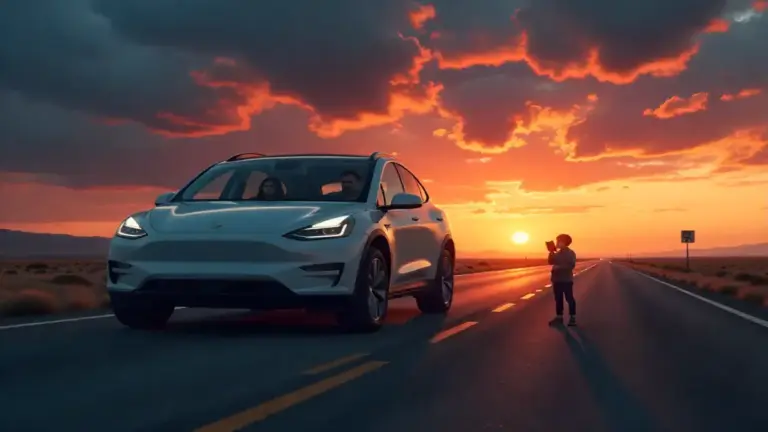
You know that feeling when your phone battery hits 20% and you start calculating how much longer you can scroll? Now imagine that anxiety with your electric car battery technology—especially when the nearest charging station is 50 miles away. This concern keeps many drivers hesitant about switching to electric vehicles, but upcoming innovations promise to change everything about how EVs store and use energy.
Right now, we’re standing at the edge of a battery revolution that could make today’s lithium-ion packs look as outdated as flip phones. Solid-state batteries, silicon anodes, lithium-metal chemistry—these aren’t just fancy terms thrown around in research labs. They’re real innovations that companies are racing to bring to your driveway, and they promise to solve the biggest headaches EV drivers face today.
Why Current Batteries Are Holding EVs Back (And Why That’s About to Change)
Let’s be honest about today’s lithium-ion batteries. They’ve done an incredible job getting us this far—after all, they’ve powered everything from your laptop to Teslas zipping down the highway. But they’re starting to show their age, like a reliable old sedan that’s served you well but can’t quite keep up anymore.
The current batteries sitting in your average EV have some real limitations. They’re heavy—really heavy. A typical EV battery pack weighs between 1,000 and 1,800 pounds, which is like carrying around a grand piano everywhere you go. They take time to charge, even with the fastest DC chargers requiring 20-30 minutes to get you back on the road. And while modern EVs boast ranges of 250-350 miles, that drops significantly in cold weather or when you’re hauling cargo.
But here’s where it gets interesting: researchers and engineers aren’t just trying to make incremental improvements to lithium-ion technology. They’re fundamentally reimagining what a battery can be. Think of it like the jump from dial-up internet to fiber optic—not just faster, but operating on an entirely different principle.
Solid-State Batteries: The Game-Changer Everyone’s Talking About
If there’s one technology that has automakers and battery experts genuinely excited (and these are people who don’t get excited easily), it’s solid-state batteries. So what makes them so special?
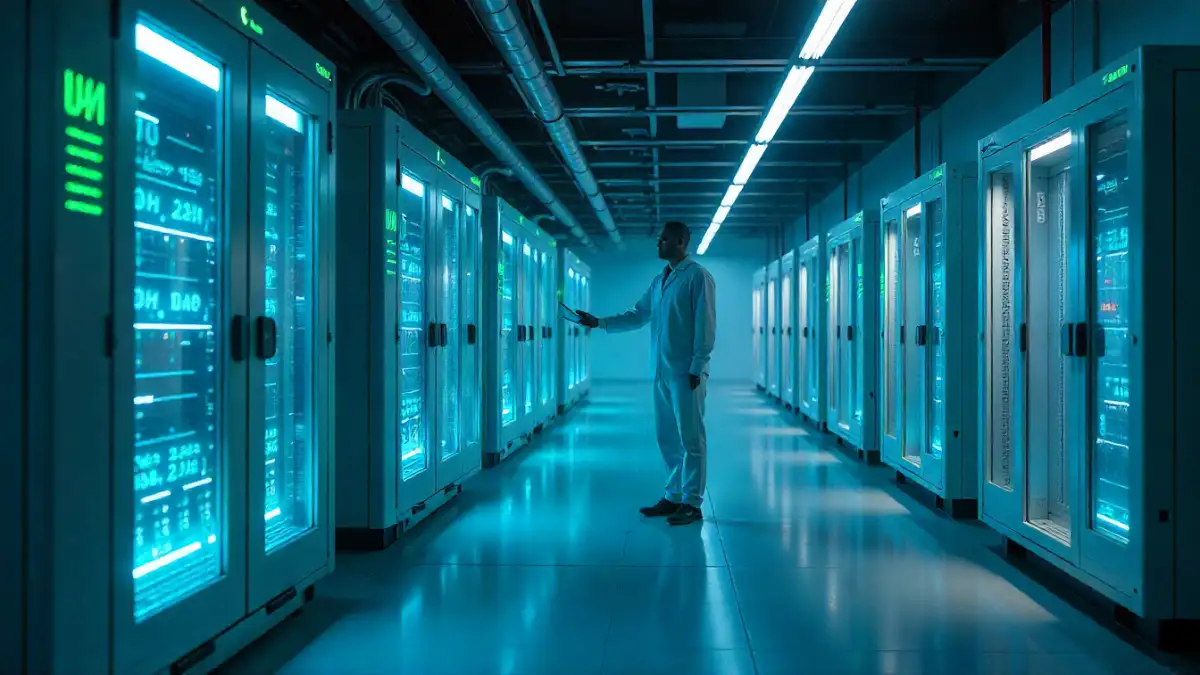
Traditional lithium-ion batteries use a liquid electrolyte—basically a chemical soup—to shuttle ions back and forth between the positive and negative sides of the battery. It works, but that liquid is flammable, requires complex cooling systems, and limits how densely you can pack energy into the battery. Solid-state batteries replace that liquid with a solid material, typically a ceramic or polymer.
The advantages? They’re almost too good to believe. Solid-state batteries could potentially offer 50-80% more energy density than today’s best lithium-ion packs. In practical terms, that means you could drive from New York to Miami on a single charge, or automakers could fit the same range into a much lighter, more efficient package. They charge faster—potentially reaching 80% capacity in just 10-15 minutes. And because there’s no flammable liquid inside, they’re inherently safer and more stable.
Toyota has been particularly bullish about this technology, announcing plans to introduce solid-state batteries in their EVs by 2027-2028. They’re claiming ranges exceeding 750 miles and charging times under 10 minutes. QuantumScape, a California-based startup backed by Volkswagen, has been demonstrating solid-state cells that maintain over 95% capacity after 800 charging cycles—far better than conventional batteries.
But—and there’s always a but—solid-state batteries aren’t quite ready for prime time yet. Manufacturing them at scale remains expensive and technically challenging. The solid electrolytes can develop cracks during charging cycles, and making large-format cells that maintain performance has proven tricky. Most experts estimate we’re still 3-5 years away from seeing solid-state batteries in affordable, mass-market vehicles.
Silicon Anodes: The Upgrade Happening Right Now
While solid-state batteries grab headlines, there’s another innovation that’s already making its way into vehicles you can buy today: silicon anodes. This might sound technical, but stick with me—it’s actually pretty straightforward.
The anode is one of the two electrodes in a battery (the negative side, if you’re keeping track). Current lithium-ion batteries use graphite anodes, which work well but can only store a limited amount of lithium. Silicon, on the other hand, can theoretically store ten times more lithium than graphite. It’s like upgrading from a studio apartment to a mansion in terms of storage capacity.
Companies like Sila Nanotechnologies have developed silicon-dominant anodes that are already being used in some electric vehicles and consumer electronics. Mercedes-Benz’s Vision EQXX concept car used Sila’s technology, and GM has announced plans to incorporate silicon anodes in their Ultium battery platform. These silicon-enhanced batteries can boost energy density by 20-40% compared to conventional graphite anodes, giving you more range without adding weight.
The beauty of silicon anode technology is that it can be integrated into existing battery manufacturing processes without requiring a complete overhaul of production facilities. That means we’re likely to see steady improvements in EV range over the next few years as more manufacturers adopt this approach.
Lithium-Metal and Other Emerging Technologies
Beyond solid-state and silicon, there’s a whole menu of battery technologies in various stages of development. Lithium-metal batteries, for instance, use pure lithium metal instead of graphite for the anode, potentially doubling energy density. QuantumScape’s solid-state batteries are actually a type of lithium-metal battery, combining both innovations for maximum impact.
Then there are lithium-sulfur batteries, which replace the expensive cobalt and nickel in conventional batteries with cheap, abundant sulfur. They could potentially offer even higher energy densities than lithium-metal cells, but they degrade quickly—currently lasting only a few dozen charge cycles instead of the thousands needed for practical use.
Sodium-ion batteries are another interesting alternative, especially for cheaper, shorter-range city cars. They use sodium instead of lithium, which is far more abundant and less expensive. Chinese battery giant CATL has already started producing sodium-ion batteries, and they’ve announced plans to integrate them into EVs for the budget market. While they have lower energy density than lithium-ion batteries, they perform better in cold weather and use more sustainable materials.
What This Means for You as a Future EV Owner
So how will all this battery innovation actually affect your driving experience? Let me paint you a picture of what your EV ownership might look like in 5-10 years.
Imagine pulling into a charging station with just 10% battery remaining. Instead of settling in with a coffee and podcast for 45 minutes, you plug in, grab a quick snack, and by the time you’re back—maybe 10 minutes later—your car is ready to go with 80% charge. Your battery pack is 30% smaller and lighter than today’s versions, which means your car handles better and requires less energy to move, further extending your range.
That long road trip you’ve been planning? No more careful route planning around charging stations or range anxiety. With 600+ miles of real-world range, you’ll stop for lunch and bathroom breaks long before your battery needs attention. And when winter hits, you’ll barely notice the typical 20-30% range loss that plagues today’s EVs, because your solid-state battery maintains performance across a much wider temperature range.
The price tag? As these technologies mature and manufacturing scales up, battery costs are projected to continue their dramatic decline. Battery pack prices have already dropped from $1,200 per kilowatt-hour in 2010 to around $130 per kWh in 2024. Industry experts predict solid-state batteries could eventually reach $70-80 per kWh, making EVs genuinely cheaper than comparable gas-powered vehicles—not just over their lifetime, but right at the dealership.
The Reality Check: Challenges and Timeline
Now, I’d be doing you a disservice if I didn’t mention the obstacles between here and that battery-powered utopia. Scaling up production of these new battery technologies is enormously complex and expensive. Building a single factory to produce advanced batteries can cost billions of dollars and take years to bring online.
There’s also the question of raw materials. While new battery chemistries often reduce reliance on scarce materials like cobalt, they introduce new dependencies. Solid-state batteries require lithium metal, which is more challenging to produce than the lithium compounds used today. Ensuring a stable, ethical supply chain for these materials remains an ongoing challenge.
And let’s talk about the elephant in the room: not all these technologies will succeed. Some promising battery chemistries will hit insurmountable technical hurdles or fail to achieve cost-effective production. Remember all the hype around aluminum-air batteries a decade ago? Yeah, those didn’t quite pan out. The technologies I’ve discussed here are the most promising based on current progress, but the battery landscape can shift quickly.
Making Sense of It All: Should You Wait?
Here’s the question I hear constantly: “Should I hold off on buying an EV until these next-generation batteries arrive?” It’s a fair question, but here’s my take as someone who follows this industry closely.
If you’re considering an EV today, don’t let the promise of future technology keep you on the sidelines indefinitely. Today’s EVs are already excellent vehicles that meet most drivers’ needs beautifully. A Tesla Model 3 or Hyundai Ioniq 6 will still be a great car in 2030, even if newer models have fancier batteries.
That said, if you’re planning to buy in the next 2-3 years and don’t urgently need a vehicle, there’s a good argument for patience. We’re likely to see meaningful battery improvements rolling out between 2026 and 2028, particularly silicon anode enhancements and possibly early solid-state offerings in premium vehicles.
Think of it like buying a smartphone. The iPhone 16 won’t suddenly become useless when the iPhone 17 launches with a better camera. It’ll still make calls, send texts, and run your apps just fine. Similarly, today’s EV batteries will continue serving you well for their 10-15 year lifespan, regardless of what innovations come next.
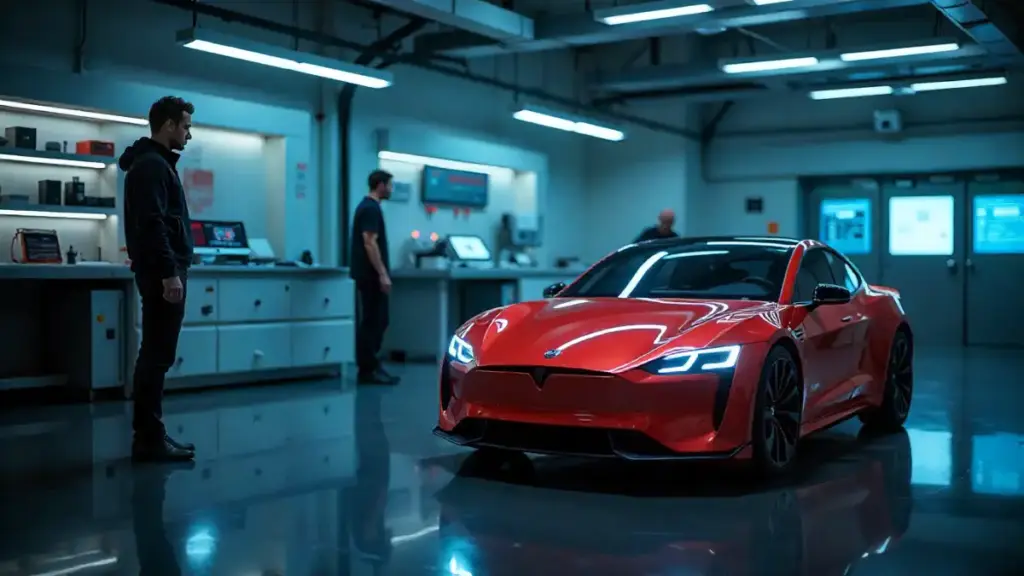
The Bigger Picture: Why This Matters Beyond Your Garage
These battery advancements aren’t just about making your daily commute more convenient—though that’s certainly a nice perk. They’re fundamentally reshaping our transportation infrastructure and energy systems in ways that ripple far beyond the automotive world.
Better, cheaper batteries make renewable energy more practical by providing grid-scale storage for solar and wind power. That solid-state battery technology being developed for your future electric SUV? It’s also being adapted for stationary energy storage that could help stabilize power grids and make blackouts less common.
The race to develop better batteries is driving massive investments in materials science, manufacturing innovation, and supply chain development. Countries and companies are pouring hundreds of billions of dollars into battery research and production facilities, creating entirely new industries and job categories in the process.
Looking Forward: The Road Ahead
As I write this in late 2024, we’re at one of the most exciting inflection points in battery technology’s history. The innovations moving from labs to production lines over the next five years will likely define electric transportation for the next two decades.
Will solid-state batteries live up to their enormous promise? Will silicon anodes become the standard in every EV battery pack? Will some dark horse technology we barely see coming leapfrog everything else? Honestly, I don’t know for certain—and neither does anyone else. But what I do know is that the trajectory is clear: batteries will get better, cheaper, and more capable at a pace that would have seemed impossible just a decade ago.
For you as a potential EV owner, this means the cars keep getting better. Whether you jump in now or wait for the next generation, you’re going to be driving something that would have seemed like science fiction when I first started writing about electric vehicles.
The future of electric car batteries isn’t just solid-state or silicon or lithium-metal—it’s all of these innovations and more, each finding its place in a diverse ecosystem of electric transportation. And that future? It’s arriving faster than you think, one breakthrough at a time.
So yes, keep an eye on battery technology news. Get excited about those range and charging time improvements. But don’t let the perfect future battery keep you from enjoying a really good EV today. After all, the best time to plant a tree was twenty years ago, and the second-best time is now. The same logic applies to joining the electric vehicle revolution—whenever you’re ready, there’s never been a better time than right now.