When I first started researching Tesla ownership, I realized how different Tesla maintenance is compared to traditional cars. This Tesla Maintenance Guide will walk you through everything you need to know, from battery care to brakes, tires, and software updates, so you can keep your electric car in top condition.
At first, this seemed almost too good to be true. Was Tesla really suggesting that their cars could run indefinitely without regular maintenance? Or was there a catch that owners discovered only after signing on the dotted line?
After diving deep into Tesla’s maintenance philosophy, speaking with long-term owners, and examining the company’s service recommendations, I discovered something fascinating: Tesla has essentially reimagined what car maintenance looks like. But that doesn’t mean their vehicles are maintenance-free – it means the maintenance is different, often simpler, and sometimes more high-tech than anything we’ve seen before.
Whether you’re considering your first Tesla or you’re a current owner wondering if you’re doing everything right, let me walk you through exactly what Tesla maintenance really looks like in the real world.
Tesla’s Revolutionary Approach: Condition-Based Maintenance
Here’s where Tesla breaks from traditional automotive thinking: instead of telling you to change your oil every 5,000 miles regardless of how it looks, Tesla monitors your car’s actual condition and alerts you when something genuinely needs attention.
Think of it like having a personal health monitor that tracks your vital signs and only suggests a doctor visit when something’s actually wrong, rather than scheduling arbitrary checkups every six months. Your Tesla is constantly running diagnostics on its systems, monitoring everything from battery health to brake pad wear to suspension performance.
This approach works because Tesla designed their vehicles from the ground up with extensive sensor networks and computer monitoring systems. Your car knows if the brake fluid is getting old, if a tire is losing pressure, or if the air filter is getting clogged – and it’ll tell you specifically when these things need attention.
But here’s what Tesla doesn’t always make crystal clear: this system works best when you understand what to look for and when to take action, even if your car hasn’t specifically alerted you yet.
The Tesla Maintenance Categories: What Actually Needs Your Attention
Battery and Charging System Care
Your Tesla’s battery is remarkably self-sufficient, but there are still some things worth understanding. The battery has its own cooling system that uses a specialized coolant – this isn’t something you’ll change yourself, but it’s worth knowing that Tesla recommends checking the coolant every 4 years or so.
Here’s something many new Tesla owners don’t realize: your car’s charging port can accumulate dust, moisture, or even small debris that might affect charging performance. A quick visual inspection every few weeks and occasional gentle cleaning with a dry cloth can prevent charging issues down the road.
The onboard charging systems are generally bulletproof, but if you notice slower charging speeds or error messages, don’t ignore them. Tesla’s mobile service can often diagnose and fix charging issues right in your driveway.
Brake System: The Good News Story
This is where Tesla ownership gets really interesting from a maintenance perspective. Thanks to regenerative braking, your Tesla’s physical brakes do very little work during normal driving. Most of your “braking” is actually the electric motors running in reverse, which creates zero wear on the brake pads.
I’ve spoken with Tesla owners who have over 100,000 miles on their original brake pads with plenty of life remaining. However, this creates an unusual maintenance consideration: because the brakes are used so infrequently, brake calipers can sometimes develop corrosion from lack of use.
Tesla addresses this with a feature they call “brake conditioning,” where the car occasionally applies the physical brakes during driving to keep the system exercised. You might notice this happening during your commute – it’s completely normal and actually beneficial.
For optimal brake health, Tesla recommends having the brake fluid replaced every 2 years, regardless of mileage. This is one of the few time-based maintenance items Tesla maintains, and it’s important for safety reasons since brake fluid absorbs moisture over time.
Tire Management: Where Tesla Gets Particular
Here’s where Tesla ownership requires more attention than some other EVs: tires. Tesla vehicles are heavy (thanks to the battery pack) and deliver instant torque that can be hard on tires if you’re not mindful of your driving habits.
Tesla recommends tire rotation every 6,250 miles, which is more frequent than many traditional cars. This isn’t just a suggestion – the instant torque delivery and weight distribution of Teslas can cause uneven wear patterns if you skip rotations.
Many Tesla owners find that investing in Tesla’s recommended tire brands and specifications pays off in longevity and performance. The cars are specifically tuned for certain tire characteristics, and deviating from these specs can affect everything from range to road noise.
Here’s a pro tip from experienced owners: check your tire pressure monthly. Tesla’s weight and performance characteristics make them more sensitive to pressure variations than traditional cars, and proper inflation significantly impacts both range and tire life.
Tesla’s Unique Components: The High-Tech Stuff
Door Handles and Falcon Wing Doors
If you own a Model S or Model X, you’ve got some unique mechanical components that require occasional attention. The retractable door handles on older Model S vehicles are known for occasionally freezing in cold weather or getting sticky over time.
Tesla has updated these designs over the years, but if you’re experiencing issues, don’t try to force them. Tesla mobile service can usually repair or replace problematic door handles relatively quickly.
For Model X owners with falcon wing doors, the sophisticated hinge and sensor systems generally work reliably, but they do require occasional calibration. If your falcon wing doors start acting erratically, a quick trip to Tesla service (or a mobile service visit) can usually resolve sensor or calibration issues.
Air Suspension Systems
If your Tesla is equipped with air suspension, this is one area where maintenance becomes more complex than standard EVs. Air suspension provides excellent ride quality and allows you to adjust ground clearance, but it has more components that can potentially need service over time.
Tesla’s air suspension is generally reliable, but air struts can occasionally develop leaks, and the compressor system may need service after several years of use. The good news is that Tesla’s diagnostic systems usually catch air suspension issues early, often alerting you to problems before they become major failures.
Autopilot and Camera Systems
Your Tesla’s Autopilot cameras and sensors require surprisingly little maintenance, but they do need occasional cleaning. Road grime, snow, or even bug splatter on camera lenses can affect Autopilot performance.
Tesla provides guidance on cleaning these sensors safely – generally involving gentle cleaning with water and a soft cloth. Avoid harsh chemicals or high-pressure car washes directly on sensor areas, as these can damage the delicate equipment.
Tesla Service: Mobile vs. Service Center
One of Tesla’s most innovative approaches to maintenance is their mobile service program. For many common maintenance items, Tesla will literally come to your home or office to service your car.
What Mobile Service Can Handle:
- Tire rotations and replacements
- Brake fluid changes
- Door handle repairs
- Minor software updates and calibrations
- Air filter replacements
- Some suspension adjustments
What Requires Service Center Visits:
- Major software updates
- Body work or paint repairs
- Complex drivetrain issues
- Air conditioning system service
- Any work requiring lifts or specialized equipment
The mobile service program is genuinely convenient, but here’s something to keep in mind: scheduling can sometimes take longer than traditional service shops, especially in areas with high Tesla concentration. Plan ahead for non-urgent maintenance.
DIY Tesla Maintenance: What You Can Handle Yourself
Tesla has made some maintenance tasks surprisingly accessible to owners who are comfortable with basic automotive work:
Cabin Air Filter Replacement
This is probably the most common DIY Tesla maintenance task. Tesla’s cabin air filters are accessed through the glove compartment area and can be replaced with basic tools. Tesla sells OEM filters directly, and the process takes about 15 minutes once you know what you’re doing.
The cabin air filter should be replaced every 2 years, or sooner if you drive in dusty conditions or notice reduced air conditioning performance.
12V Battery Replacement
Yes, your Tesla has a traditional 12V battery in addition to the main traction battery. This smaller battery powers the car’s computers, lights, and accessories when the main battery isn’t active. It typically lasts 3-5 years and can be replaced by handy owners.
However, Tesla recommends professional replacement because the 12V battery replacement requires specific procedures to avoid disrupting the car’s computer systems.
Basic Cleaning and Inspection
Regular washing, including cleaning the charging port and camera lenses, is straightforward owner maintenance. Tesla provides specific guidance on car care, including which cleaning products to use and avoid.
Software Updates: Maintenance That Happens While You Sleep
Here’s something unique about Tesla ownership: many “maintenance” issues are resolved through over-the-air software updates that happen automatically while your car is parked and connected to WiFi.
Tesla has used software updates to improve everything from battery performance to suspension tuning to brake feel. They’ve even added completely new features like dash cam functionality and entertainment options.
However, some major updates require service center visits, particularly those involving safety systems or drivetrain calibrations. Tesla will notify you if an update requires professional installation.
Cost Considerations: What Tesla Maintenance Actually Costs
Based on data from long-term Tesla owners and Tesla’s own estimates, most Tesla maintenance costs fall significantly below traditional luxury vehicles, but they’re not quite as low as some other EVs due to the complexity of Tesla’s systems.
Typical Annual Costs:
- Tire rotations: $100-150 per year
- Brake fluid replacement: $100-150 every two years
- Cabin air filter: $50-75 every two years
- Tire replacement: $1,200-2,000 every 25,000-40,000 miles (varies greatly by driving style)
Potential Major Costs:
- Door handle repairs: $200-500
- Air suspension service: $500-2,000 depending on the issue
- 12V battery replacement: $200-300
The wild card is warranty coverage. Tesla’s warranty is comprehensive, covering most major systems for 4 years/50,000 miles, with battery and drivetrain covered for 8 years/100,000-150,000 miles depending on the model.
Red Flags: When Your Tesla Needs Immediate Attention
Tesla’s diagnostic systems are sophisticated, but there are some warning signs you shouldn’t ignore:
Charging Issues: If your car won’t charge, charges very slowly, or shows persistent charging errors, contact Tesla service immediately. Charging system problems can strand you and potentially indicate serious electrical issues.
Unusual Noises: While Teslas are generally very quiet, any new grinding, clicking, or whining sounds should be investigated. These could indicate issues with the drive unit, air conditioning compressor, or other mechanical systems.
Autopilot Warnings: If your car repeatedly warns about Autopilot cameras being blocked or unavailable when they appear clean, this could indicate sensor malfunction that affects safety systems.
Persistent Error Messages: Tesla’s computer systems are generally reliable, but persistent error messages on the touchscreen shouldn’t be ignored, especially those related to safety systems.

The Tesla Ownership Reality Check
After researching extensively and talking to owners across different Tesla models and model years, here’s the honest truth about Tesla maintenance: it’s different, usually simpler, but occasionally more complex than traditional cars.
The day-to-day maintenance burden is genuinely lower than gas cars. No oil changes, fewer brake services, and less frequent major maintenance intervals. The software update system means your car can actually improve over time rather than just wearing out.
However, when Tesla-specific systems do need service, you’re limited to Tesla’s service network, which can mean longer wait times and higher costs for some repairs compared to traditional vehicles with widespread dealer networks.
The key to successful Tesla ownership is understanding these unique characteristics upfront and planning accordingly. Budget for the maintenance items that are predictable (like tires and brake fluid), stay on top of software updates, and develop a relationship with Tesla’s service system before you need emergency repairs.
Most long-term Tesla owners I’ve spoken with describe their maintenance experience as “refreshingly simple” overall, with occasional complications that are more than offset by the elimination of traditional automotive maintenance headaches.
Your Tesla Maintenance Action Plan
If you’re a current Tesla owner, here’s your immediate to-do list:
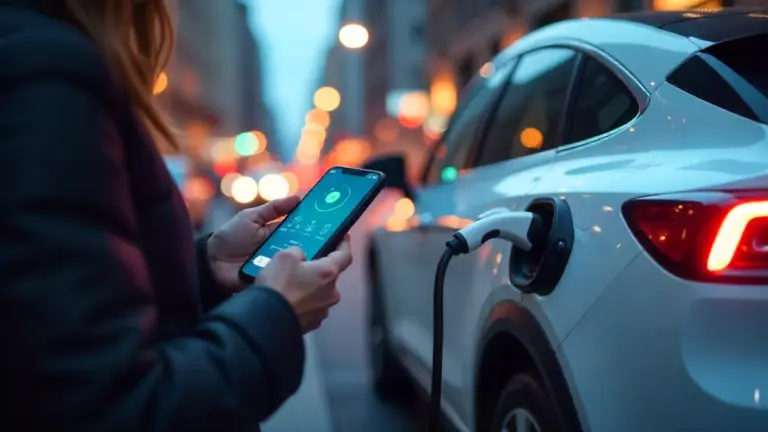
Download the Tesla mobile app if you haven’t already – it’s your primary interface for scheduling service, monitoring your car’s systems, and receiving maintenance notifications.
Set up mobile service in your area and add your location details to make scheduling easier when you need it.
If you’re considering a Tesla purchase, factor the unique maintenance requirements into your decision. Tesla ownership works best for people who are comfortable with technology and don’t mind occasionally waiting longer for specialized service.
The bottom line? Tesla has genuinely revolutionized automotive maintenance in many ways, making it simpler and more predictable than traditional vehicles. Understanding these differences upfront will help you get the most from your Tesla ownership experience while avoiding surprises down the road.