Proper electric car battery maintenance is essential for keeping your EV running efficiently over many years. Just like your smartphone battery loses capacity over time, an electric car battery can degrade if not cared for properly. With the right habits, you can protect your investment and extend your battery’s lifespan.
Here’s the thing that keeps a lot of potential EV buyers up at night: “What if my car’s battery dies like my phone battery?” It’s a legitimate concern, especially when you realize that replacing an EV battery can cost anywhere from $5,000 to $20,000. But before you let battery anxiety derail your electric dreams, let me share something that might surprise you.
After researching this topic extensively and talking to EV owners who’ve been driving electric for years, I’ve discovered that with the right care habits, your EV battery can maintain 80-90% of its original capacity even after a decade of use. The secret isn’t complicated maintenance routines or expensive treatments – it’s understanding a few key principles and developing some simple habits.
Let me show you exactly how to keep your EV battery healthy for years to come, using strategies that are easier than you think.
Understanding Your EV Battery: It’s Smarter Than Your Phone
First things first – your electric car battery is nothing like the battery in your smartphone, and that’s excellent news for longevity. While your phone uses a relatively simple lithium-ion setup, your EV battery is actually a sophisticated system with its own climate control, monitoring computers, and protective circuits.
Think of it this way: your phone battery is like a single lightbulb, while your EV battery is like a smart home lighting system with dimmer switches, timers, and temperature sensors. The EV battery actively manages itself to prevent damage and maximize lifespan.
Modern EV batteries typically consist of thousands of individual cells arranged in modules, with each module monitored independently. If one cell starts acting up, the system can isolate it without affecting the entire battery pack. This redundancy means your car’s battery is inherently more resilient than smaller electronic devices.
Most manufacturers now warranty their EV batteries for 8-10 years or 100,000-150,000 miles, guaranteeing at least 70% capacity retention. But here’s what they don’t advertise: with proper care, many batteries exceed these warranty expectations by significant margins.
The Golden Rules of EV Battery Care
Rule #1: Embrace the 20-80 Rule
This is probably the most important habit you can develop, and it’s simpler than it sounds. For daily driving, try to keep your battery charge between 20% and 80% most of the time. Think of this as your battery’s “comfort zone” – it’s like keeping your house temperature at a comfortable 72 degrees instead of constantly switching between freezing and sweltering.
Why does this matter? Battery chemistry works best when it’s not pushed to extremes. Charging to 100% every single day puts extra stress on the battery cells, while regularly running down to near-empty creates different but equally harmful stress.
Here’s how to make this work in real life: if your daily commute uses 30% of your battery, charge to about 70% each night. This gives you a comfortable buffer without maxing out the battery. Most modern EVs have settings that automatically stop charging at your preferred level, so you can literally “set it and forget it.”
Rule #2: Save 100% Charges for Road Trips
Now, don’t panic – charging to 100% won’t instantly destroy your battery. Think of it like eating cake: doing it occasionally won’t hurt you, but making it a daily habit isn’t ideal for long-term health.
When you’re planning a long road trip, absolutely charge to 100%. That’s exactly what the battery is designed to handle. But for your regular Tuesday morning commute to work? That 80% charge will serve you just fine and keep your battery happier in the long run.
I know this might feel counterintuitive at first – we’re conditioned to “fill up” our vehicles completely. But remember, you’re not dealing with a gas tank that’s either full or empty. Your EV battery is more like a bank account where you want to maintain a healthy balance rather than constantly maxing out your credit limit.
Temperature: Your Battery’s Best Friend or Worst Enemy
Here’s something that might surprise you: extreme temperatures affect your EV battery more than almost any other factor. But understanding this relationship can help you make smart decisions that dramatically extend battery life.
Cold Weather Strategies
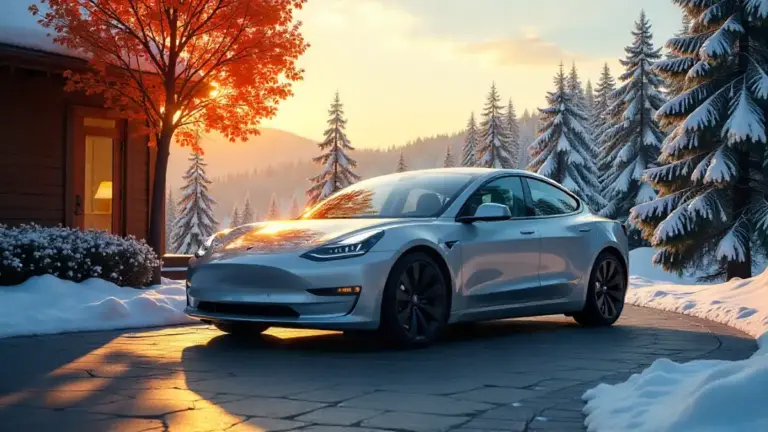
If you live in a climate where temperatures regularly drop below freezing, your battery will naturally lose some range – this is completely normal and temporary. However, there are ways to minimize the impact:
Pre-condition your car while it’s still plugged in. Most EVs allow you to warm up the cabin and battery using grid power instead of battery power. This means you start your day with a warm car and maximum available range.
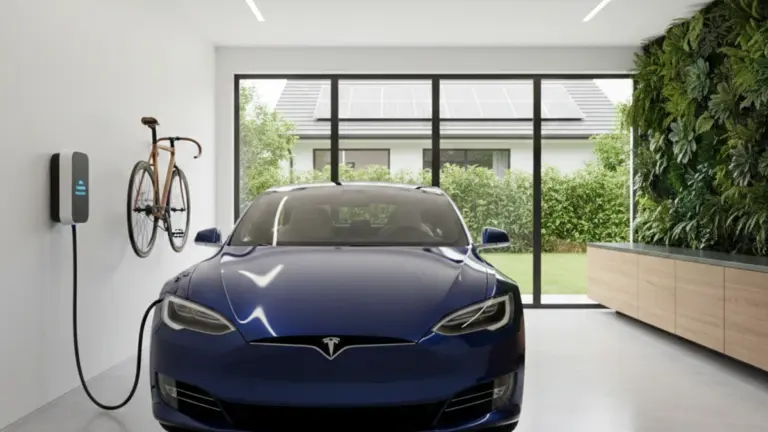
Park in a garage when possible. Even an unheated garage typically stays 10-20 degrees warmer than outside, which makes a noticeable difference in battery performance and longevity.
Don’t stress about reduced winter range – it comes back when temperatures rise. Think of it like your garden going dormant in winter; it’s not dying, it’s just conserving energy.
Hot Weather Considerations
Extreme heat can be more damaging to battery longevity than cold, but it’s still manageable with smart habits:
Use your car’s climate control systems wisely. Pre-cooling your car while plugged in (just like pre-heating in winter) reduces the strain on your battery during hot days.
Avoid leaving your car parked in direct sunlight at high charge levels for extended periods. If you’re going to be parked in the desert sun all day, consider starting with a 60% charge instead of 90%.
Trust your car’s thermal management system. Modern EVs actively cool their batteries when needed – that slight humming sound you might hear after driving isn’t a problem, it’s your car taking care of itself.
Smart Charging Habits That Make a Difference
Choose Your Charging Speed Wisely
This might be the most misunderstood aspect of EV ownership. Many new owners think they should always use the fastest charging available, but that’s not necessarily best for battery longevity.
For daily charging at home, slower is actually better. Level 2 charging (using a 240V outlet) generates less heat and stress than rapid DC fast charging. Think of it like the difference between a gentle stream filling a pond versus a fire hose – both get the job done, but one is gentler on the system.
Fast charging is incredibly convenient for road trips and emergency situations, and using it occasionally won’t harm your battery. But for your regular routine, the slower overnight charge is ideal. Plus, it’s usually cheaper since you can take advantage of off-peak electricity rates.
Timing Your Charges
Most EVs now include smart charging features that can automatically delay charging to take advantage of cheaper overnight rates. But this feature offers battery benefits too – charging during cooler nighttime hours reduces thermal stress on the battery.
If your car doesn’t have built-in scheduling, consider using a smart outlet or timer. Charging between midnight and 6 AM typically offers both cost savings and optimal temperature conditions.
Long-Term Storage: When Your EV Takes a Break
Maybe you’re planning an extended vacation, or perhaps you have a second car that sits unused for weeks at a time. Proper storage can make a huge difference in maintaining battery health during extended periods of inactivity.
The 50% Rule for Storage
For storage periods longer than a week or two, aim to leave your battery at around 50% charge. This is the “sweet spot” that minimizes degradation during inactivity. It’s like putting your battery into a comfortable hibernation state.
Stay Connected, But Not Always Charging
If possible, keep your car plugged in during long-term storage, but set the charge limit to maintain that 50% level. This allows the car’s systems to manage the battery temperature and occasionally balance the cells without overcharging.
If you can’t stay plugged in, don’t panic. Modern EV batteries have very low self-discharge rates – much better than traditional car batteries. Just check on it monthly and add some charge if needed.
Monitoring Your Battery Health: What to Watch For
Understanding Range Variations
Your EV’s displayed range will fluctuate based on weather, driving conditions, and even your recent driving habits. Don’t worry if you notice 10-20 mile variations in estimated range – this is normal and doesn’t indicate battery degradation.
True battery degradation is gradual and measured over months or years, not day-to-day variations. If you’re concerned about battery health, many EVs now include battery health displays in their infotainment systems, or you can have it checked during routine service.
When to Seek Professional Help
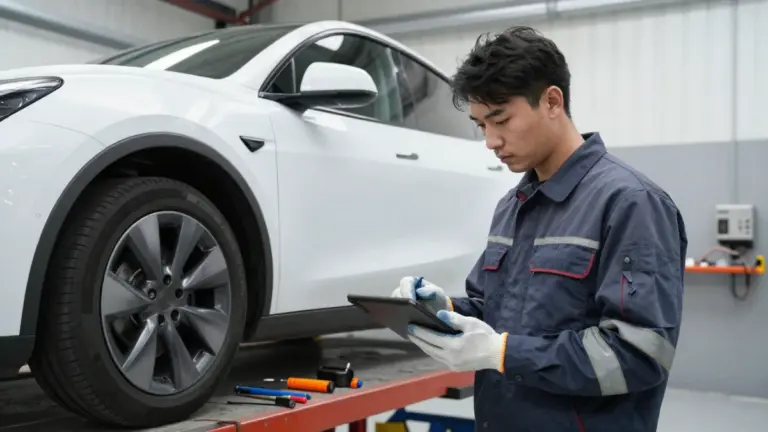
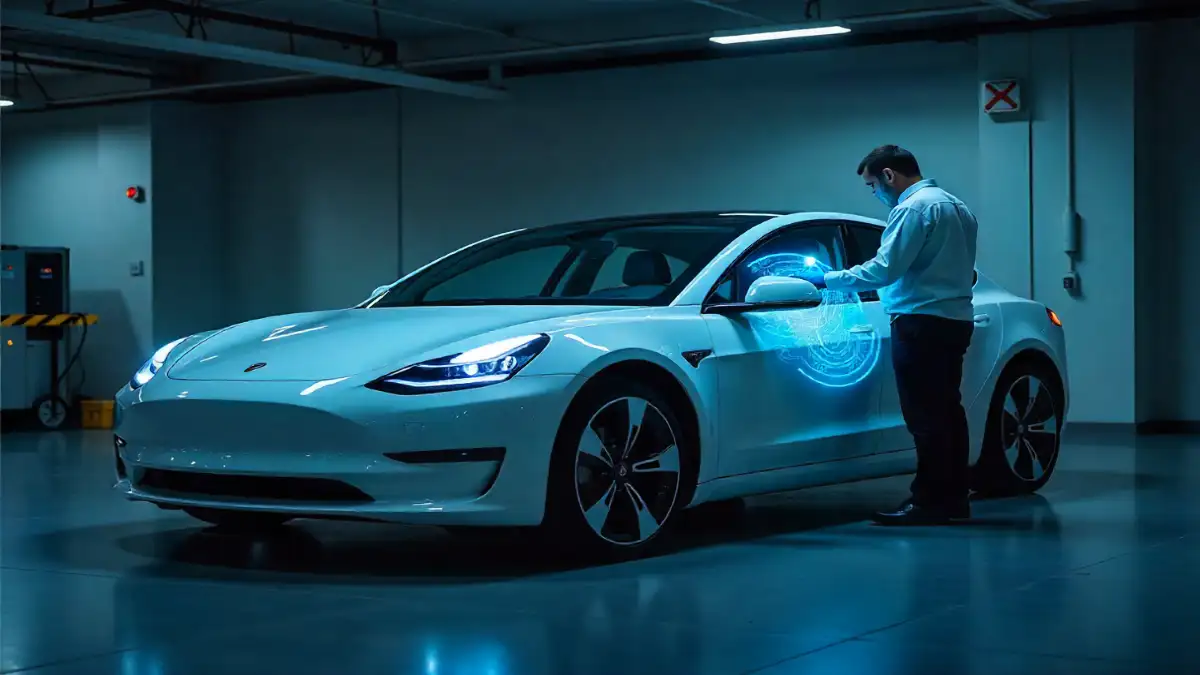
Pay attention to dramatic changes in charging behavior or range that can’t be explained by weather or driving conditions. If your car suddenly won’t charge properly, charges much slower than usual, or shows unexpected error messages, it’s time to consult a qualified EV technician.
Most battery issues are actually related to the charging system or software rather than the battery cells themselves, and many can be resolved with software updates or minor component replacements.
Debunking Common Battery Myths
Let me address some persistent myths that cause unnecessary worry:
Myth: “I need to fully discharge my battery periodically to maintain its health.” Reality: This advice applies to old nickel-based batteries, not modern lithium-ion. Full discharge cycles actually stress your EV battery more than partial cycles.
Myth: “Using fast charging will quickly destroy my battery.” Reality: Occasional fast charging won’t significantly impact battery life. The key word is “occasional” – daily fast charging isn’t ideal, but using it for road trips or emergencies is perfectly fine.
Myth: “My battery will suddenly die without warning.” Reality: EV batteries degrade gradually over years, not suddenly. You’ll have plenty of warning if there are issues, and even a degraded battery typically retains 70-80% of its original capacity.
The Future is Bright: Battery Technology Keeps Improving
Here’s something exciting to consider: battery technology continues advancing rapidly. The battery in a 2024 EV is significantly better than one from 2018, and the improvements show no signs of slowing down.
New battery chemistries like lithium iron phosphate (LFP) are becoming more common, offering even better longevity and safety. Some manufacturers are beginning to offer batteries that can handle daily 100% charging without degradation concerns.
Future developments include solid-state batteries that promise even longer lifespans, faster charging, and better performance in extreme temperatures. While these technologies are still being refined, they suggest that battery longevity will become even less of a concern for future EV owners.
Your Action Plan: Simple Steps Starting Today
If you currently own an EV, here’s what you can implement immediately:
Set your charging limit to 80% for daily use and only charge to 100% before long trips. Most cars make this easy with smartphone apps or dashboard settings.
If you’re shopping for an EV, look for models with active thermal management systems and user-friendly charging controls. These features make battery care nearly automatic.
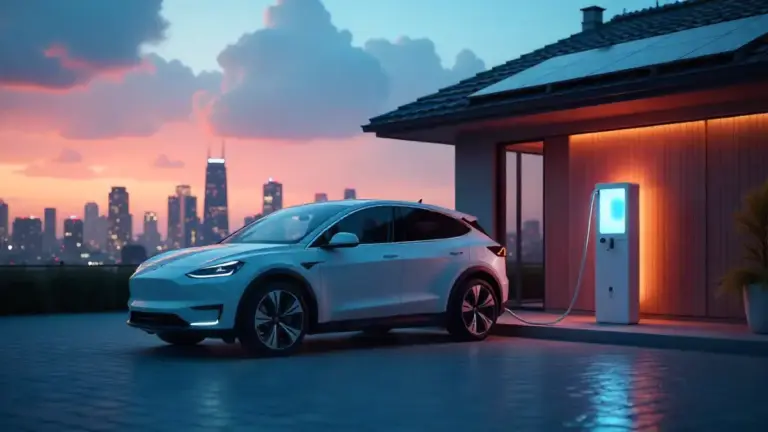
Consider your charging setup at home. A Level 2 charger isn’t just more convenient than a standard outlet – it’s also better for long-term battery health due to more efficient charging.
Remember, the goal isn’t perfection – it’s developing sustainable habits that work with your lifestyle while optimizing battery longevity. Small, consistent efforts yield much better results than trying to follow complicated routines that you’ll eventually abandon.
Your EV battery is designed to last for many years with minimal intervention. By understanding these basic principles and developing a few simple habits, you’re setting yourself up for years of reliable, cost-effective electric driving. The future of transportation isn’t just cleaner – it’s also surprisingly simple to maintain.