Picture this: You’re driving down the highway, your car is whisper-quiet, you haven’t visited a gas station in months, and you’re spending a fraction of what you used to on fuel. Sound like a dream? Well, if you’ve been paying attention to the automotive world lately, you know this isn’t science fiction anymore—it’s becoming everyday reality for millions of drivers worldwide.
As we navigate through 2025, electric mobility isn’t just a buzzword or a niche market for early adopters. It’s rapidly becoming the mainstream choice, reshaping how we think about transportation, sustainability, and our relationship with the vehicles we drive. But here’s the thing: the transition to electric isn’t happening in a vacuum. It’s a complex, fascinating evolution involving technology breakthroughs, infrastructure development, policy shifts, and changing consumer attitudes.
So, what’s really happening in the world of electric mobility right now? What challenges are we still facing, and where are the most exciting opportunities emerging? Whether you’re considering your first EV purchase, curious about the industry’s direction, or simply want to understand how transportation is being transformed, let’s dive into the current landscape of sustainable mobility and explore what 2025 has in store.
The Current State of Electric Mobility: Where We Stand Today
Let’s start with some context. The electric vehicle market has exploded over the past few years, and 2025 marks a significant milestone in this journey. Global EV sales have been climbing steadily, with projections suggesting we’re approaching a tipping point where electric vehicles will become more common than traditional combustion engines in many markets.
Think about your own neighborhood for a moment. How many electric vehicles do you see compared to just two or three years ago? Chances are, the number has increased dramatically. That’s not coincidental—it reflects a fundamental shift in both supply and demand.
Major automotive manufacturers have committed billions to electric vehicle development. We’re not just talking about Tesla anymore, though they certainly paved the way. Traditional automakers like Ford, GM, Volkswagen, BMW, and Toyota have all announced ambitious electrification plans. Many have pledged to phase out internal combustion engines entirely within the next decade or two. This isn’t just corporate green-washing; it’s a strategic response to regulatory requirements, consumer demand, and the undeniable economic advantages of electric powertrains.
What’s particularly interesting about 2025 is that we’re seeing the second and third generations of many EV models. Remember when the first Nissan Leaf came out with a range that barely covered 100 miles? Now we’re looking at affordable EVs routinely offering 250-300 miles of range, with premium models pushing well beyond 400 miles. That’s a game-changer for addressing one of the biggest concerns people have had about going electric: range anxiety.
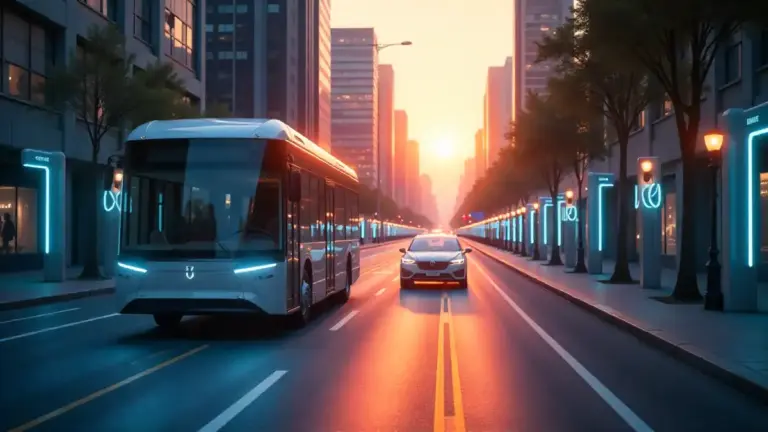
But it’s not just about passenger cars. Electric mobility in 2025 encompasses buses, delivery vans, trucks, scooters, bicycles, and even aircraft in development. Cities around the world are electrifying their public transportation fleets. Major logistics companies are transitioning to electric delivery vehicles. The ripple effects touch nearly every aspect of how we move people and goods.
Charging Infrastructure: Building the Foundation for Electric Mobility
Here’s a truth that anyone considering an EV needs to understand: charging infrastructure is absolutely critical to the success of electric mobility. You can have the best electric vehicle in the world, but if you can’t charge it conveniently, it’s not going to work for your lifestyle.
The good news? Charging infrastructure has been expanding rapidly, though admittedly unevenly across different regions. In 2025, we’re seeing a much more mature charging network than existed just a few years ago. Let me break down what’s happening in different charging categories.
Home Charging: The Foundation
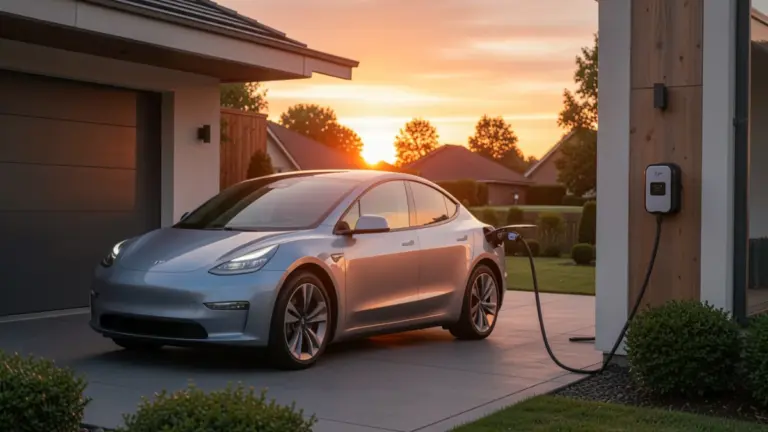
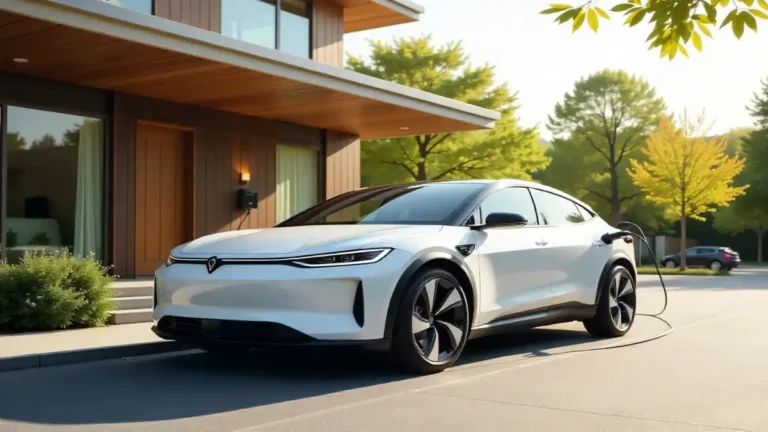
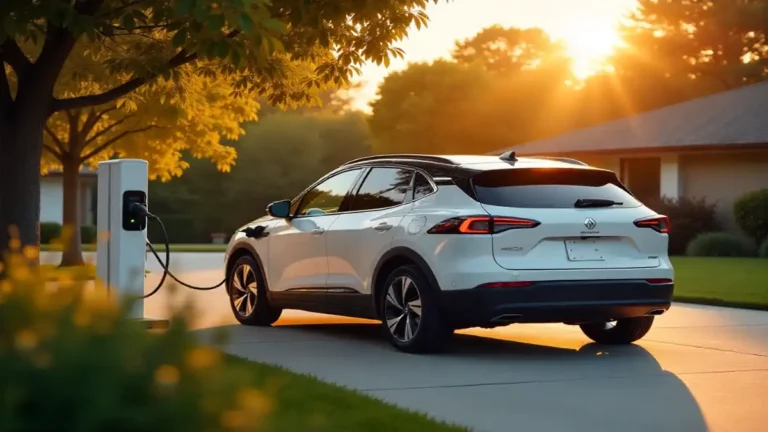
For most EV owners, home charging remains the most convenient option. Installing a Level 2 home charger (the kind that can fully charge most EVs overnight) has become increasingly straightforward and affordable. Many utilities now offer special EV charging rates with lower nighttime electricity costs, making home charging remarkably economical. If you can charge at home, you’re essentially starting each day with a “full tank”—something that’s actually more convenient than traditional fueling once you adjust to the mindset shift.
Of course, not everyone has access to home charging. If you live in an apartment or don’t have dedicated parking, this presents a real challenge. However, we’re seeing more multi-unit residential buildings installing shared charging stations, and some cities are implementing curbside charging solutions. It’s still a work in progress, but the trend is definitely moving in the right direction.
Public Charging Networks: Filling the Gaps
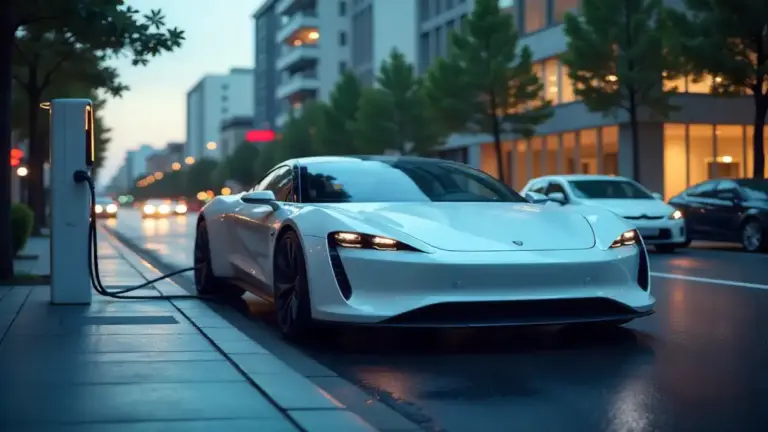
Public charging infrastructure has grown substantially, though the experience varies significantly depending on where you live. In Europe, comprehensive charging networks have made long-distance electric travel relatively straightforward. In North America, the network is expanding rapidly but still has gaps, particularly in rural areas.
One of the most significant developments in 2025 is the increasing interoperability between charging networks. Remember the early smartphone era when different phones used different chargers? We’ve largely moved past that frustration in the EV world. Standardization efforts mean you can typically use multiple charging networks with a single account or payment method, reducing the hassle factor considerably.
Fast Charging: The Road Trip Solution
DC fast charging technology has improved dramatically. Modern fast chargers can add 100-200 miles of range in just 15-20 minutes—about the time you’d spend grabbing a coffee and using the restroom during a road trip anyway. While fast charging will never be quite as quick as filling a gas tank, the gap is narrowing, and for many people, it’s already “fast enough” for practical purposes.
The challenge with fast charging has been availability and reliability. There’s nothing more frustrating than arriving at a charging station only to find it’s broken or occupied with a significant wait. The industry is addressing this through better station maintenance, more stations per location, and improved apps that show real-time availability.
Electric vs. Hybrid: Making Sense of Your Options
One of the most common questions I hear is: “Should I go fully electric, or is a hybrid a better choice?” It’s a fair question, and the honest answer is: it depends on your specific situation.
Fully Electric Vehicles: The Complete Package
Battery electric vehicles (BEVs) offer the full electric experience—zero emissions, minimal maintenance, and the unique driving dynamics that EVs provide. That instant torque and smooth acceleration never gets old, trust me. If your daily driving is well within the vehicle’s range, and you have reliable charging access, a BEV often makes the most sense both economically and environmentally.
The economics have become increasingly compelling. With lower fuel costs (electricity vs. gasoline), minimal maintenance needs (no oil changes, fewer brake replacements thanks to regenerative braking), and various incentives in many regions, the total cost of ownership for many EVs is now competitive with or better than comparable gas vehicles, even if the upfront price is higher.
Plug-in Hybrids: The Middle Ground
Plug-in hybrid electric vehicles (PHEVs) give you an electric motor and battery that can handle most daily driving, with a gas engine as backup for longer trips. If your commute is 30-40 miles and you can charge at home or work, you might run on electricity 90% of the time, only using gas for road trips. This eliminates range anxiety while still providing most of the benefits of electric driving.
The catch? PHEVs are mechanically more complex—you’re essentially carrying around two powertrains. This can mean higher maintenance costs down the line and a less efficient use of resources from a manufacturing perspective. However, for people who can’t yet commit to full electric due to charging concerns or frequent long-distance travel, PHEVs offer a practical compromise.
Traditional Hybrids: Still Relevant?
Regular hybrids (like the classic Toyota Prius) don’t plug in—they generate electricity through regenerative braking and the gas engine. They’re more fuel-efficient than traditional gas cars but don’t offer the zero-emission driving or low operating costs of EVs. In 2025, traditional hybrids feel increasingly like a transitional technology. They still make sense for certain use cases, but many experts view them as a stepping stone rather than a long-term solution.
Sustainability Beyond the Tailpipe: The Bigger Picture
Here’s where things get really interesting, and honestly, a bit complicated. When we talk about sustainable transportation, we can’t just look at what comes out of the tailpipe—or in the case of EVs, the lack of a tailpipe.
Battery Production and Raw Materials
Let’s address the elephant in the room: battery production does have environmental impacts. Mining lithium, cobalt, and other materials required for batteries can be environmentally disruptive and, in some cases, raises ethical concerns about labor practices. This is a legitimate issue that the industry needs to address transparently.
However, the picture is evolving rapidly. Battery chemistry is advancing to reduce or eliminate problematic materials. Cobalt content in many modern batteries has dropped significantly, and research into alternative chemistries like sodium-ion batteries could eliminate certain material dependencies entirely. Additionally, battery recycling is maturing from a concept into a real industry, creating circular economy opportunities that could dramatically reduce the need for virgin materials.
The Energy Source Matters
An EV charged with electricity from coal is still better than a gas car from an emissions perspective, but not by as much as you might think. When charged with renewable energy, however, EVs become dramatically cleaner. The good news is that electrical grids worldwide are becoming progressively greener. Solar and wind power are now the cheapest forms of new electricity generation in most markets, so the grid is improving even without any individual action.
Many EV owners take this a step further by installing home solar panels, creating a truly clean transportation solution. There’s something satisfying about driving on sunshine, and the economics increasingly make sense, especially with various incentives and financing options available.
Manufacturing and Lifecycle Analysis
Studies consistently show that despite higher manufacturing emissions (primarily from battery production), EVs typically break even with gas cars after 15,000-30,000 miles of driving, depending on the electricity source. Over their lifetime, EVs produce substantially fewer total emissions. As grids get cleaner and manufacturing processes improve, this advantage only grows.
What Leading Brands Are Doing: Sustainability Strategies in Action
The automotive industry’s approach to sustainability has evolved dramatically. It’s no longer just about making electric vehicles—it’s about rethinking the entire manufacturing process, supply chain, and product lifecycle.
Tesla: The Electric Pioneer
Tesla deserves credit for proving that EVs could be desirable, high-performance vehicles rather than compromises. Beyond their vehicles, they’ve pushed the industry forward through their Supercharger network, battery technology development, and manufacturing innovations. Their Gigafactories aim for renewable energy use and vertical integration to reduce supply chain emissions.
Traditional Automakers’ Transformation
What’s perhaps more remarkable is watching century-old companies completely transform themselves. Volkswagen Group has committed to becoming carbon neutral by 2050 and is investing heavily in battery production and charging infrastructure. Their ID. series vehicles represent a genuine effort to make EVs accessible across different price points.
GM announced plans to be fully electric by 2035, a stunning commitment from a company that built its reputation on large SUVs and trucks. Their Ultium battery platform aims to reduce battery costs while improving performance, making EVs more accessible.
Ford’s approach with vehicles like the F-150 Lightning shows how EVs can serve traditional truck buyers without asking them to compromise on capability. By electrifying their most popular vehicle, they’re bringing electric mobility to a demographic that might not have considered it otherwise.
Beyond the Big Players
Newer companies like Rivian are building sustainability into their brand DNA from the start, focusing on adventure vehicles that can take you off-grid while minimizing environmental impact. Chinese manufacturers like BYD are producing EVs at scale and price points that could accelerate global adoption, particularly in developing markets.
Challenges That Still Need Solutions
Let’s be honest about the obstacles we’re still facing in 2025. Acknowledging challenges doesn’t mean we should give up—it means we need to focus our efforts effectively.
Charging Infrastructure Gaps
Despite progress, charging infrastructure remains inadequate in many areas. Rural regions, lower-income neighborhoods, and certain countries lag significantly behind in charging access. This creates a real barrier to EV adoption for many people and raises equity concerns about who can participate in the electric mobility transition.
Upfront Costs
While total cost of ownership increasingly favors EVs, the higher upfront price remains a barrier. Even with incentives, many EVs are priced beyond what average consumers can afford. We need more truly affordable EV options in the $25,000-$35,000 range to reach mass-market adoption.
Grid Capacity and Stability
As EV adoption grows, electrical grid demands will increase significantly. While this is manageable with proper planning and smart charging systems, it requires infrastructure investment and careful coordination. Some regions worry about grid stability during peak demand periods.
Battery Technology Limitations
Although much improved, batteries still face limitations around charging speed, degradation over time, cold weather performance, and fire risk (though this is statistically very low). Continued research into solid-state batteries and other advanced technologies promises solutions, but we’re not there yet.
Opportunities on the Horizon
Despite these challenges, the opportunities in electric mobility are immense and exciting.
Vehicle-to-Grid Technology
Imagine your EV not just drawing power from the grid, but also supplying power back during peak demand periods or power outages. Vehicle-to-grid (V2G) technology could turn millions of EV batteries into a distributed energy storage network, helping stabilize grids and integrate more renewable energy. Some EVs in 2025 already offer limited versions of this capability, and it’s poised to expand significantly.
Autonomous Electric Vehicles
The combination of electric powertrains and autonomous driving technology could revolutionize transportation. Electric robotaxis could provide affordable, convenient mobility without personal car ownership, particularly in urban areas. This could dramatically reduce the total number of vehicles needed while improving transportation access.
Second-Life Batteries
As EV batteries age and no longer provide adequate range for vehicles, they typically still retain 70-80% of their capacity—perfect for stationary energy storage applications. This creates opportunities for home energy storage, grid stabilization, and solar power systems, extending battery usefulness and improving economics.
Emerging Markets and Global Equity
Electric mobility presents an opportunity for developing nations to leapfrog fossil fuel transportation infrastructure, much as many jumped straight to mobile phones without widespread landlines. Affordable EVs and e-bikes could provide clean mobility solutions that skip the polluting interim steps developed nations went through.
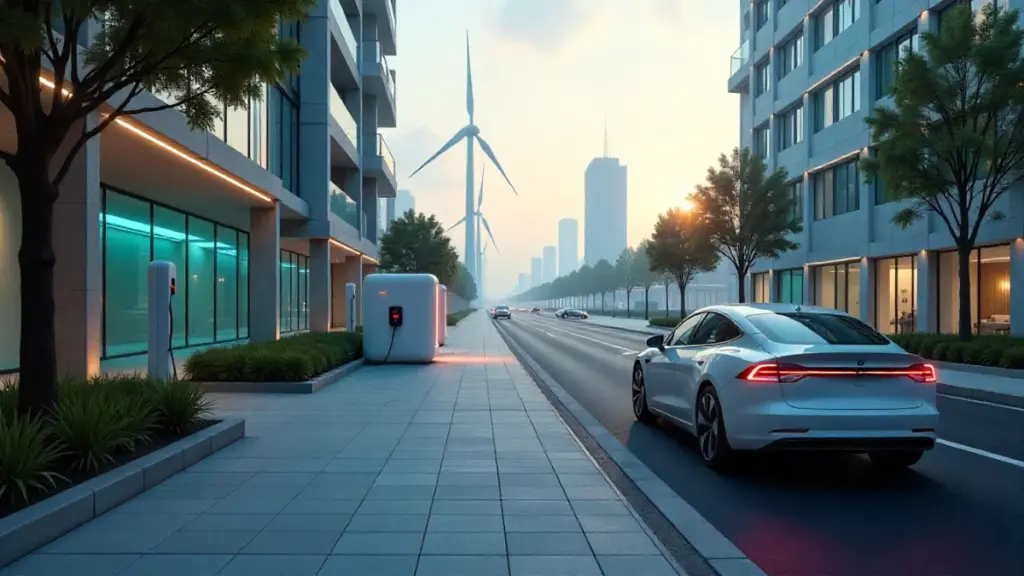
Practical Guidance: What This Means for You
So, what should you actually do with all this information? Here are some actionable takeaways based on where you are in your electric mobility journey.
If You’re Considering Your First EV:
Start by honestly assessing your driving patterns. How far do you typically drive daily? Where would you charge? Do you occasionally take long trips, and if so, what charging infrastructure exists along those routes? Use online tools like A Better Route Planner to simulate real-world trips in specific EV models.
Don’t rush into a purchase based solely on environmental concerns or the latest headlines. Test drive several models. The driving experience varies significantly between different EVs, and you want something you’ll genuinely enjoy. Take advantage of the growing used EV market if new prices are prohibitive—many early EVs are becoming affordably priced on the secondhand market.
If You’re Already Driving Electric:
Help others understand the reality of EV ownership by sharing your honest experiences. The transition to electric mobility will accelerate through peer influence and authentic testimonials. Consider joining local EV clubs or online communities where you can learn optimization tips and contribute to the growing knowledge base.
Stay informed about developing technologies like V2G and consider how your vehicle might participate in energy systems beyond just transportation. If you’re combining EVs with home solar, you’re not just driving clean—you’re helping prove a scalable model for sustainable energy.
If You’re Not Ready Yet:
That’s completely fine. Electric mobility needs to work for your specific circumstances, not just in theory. Keep watching as technology improves, infrastructure expands, and options increase. What doesn’t make sense today might be perfect in a year or two.
In the meantime, consider other aspects of sustainable transportation: driving less, combining trips, maintaining your current vehicle well, or exploring e-bikes for shorter journeys. Sustainable mobility is bigger than just what powers your car.
Looking Ahead: The Road from Here
As we navigate through 2025, electric mobility is clearly transitioning from early adoption to mainstream acceptance. The technology works, the economics increasingly make sense, and the environmental imperative is undeniable. But we’re still in the middle innings of this transformation, not near the end.
The next few years will be crucial. Will we invest sufficiently in charging infrastructure to support growing demand? Can we address equity concerns to ensure electric mobility benefits everyone, not just wealthy early adopters? Will battery technology continue improving at its current pace? These questions will shape how quickly and smoothly the transition unfolds.
What excites me most isn’t just the vehicles themselves—it’s the broader transformation they represent. Electric mobility is forcing us to rethink energy systems, urban planning, manufacturing processes, and our relationship with transportation. It’s connecting previously separate conversations about energy, environment, technology, and quality of life into a integrated vision for the future.
The transition to sustainable transportation won’t happen overnight, and it won’t be without bumps in the road. But looking at where we’ve come from and where we’re headed, the momentum is undeniable. Whether you’re already driving electric, actively considering it, or still watching from the sidelines, you’re witnessing and participating in one of the most significant technological and social transformations of our time.
The road ahead is electric, and increasingly, it’s a road we’re excited to travel together. What role will you play in shaping this sustainable transportation future?