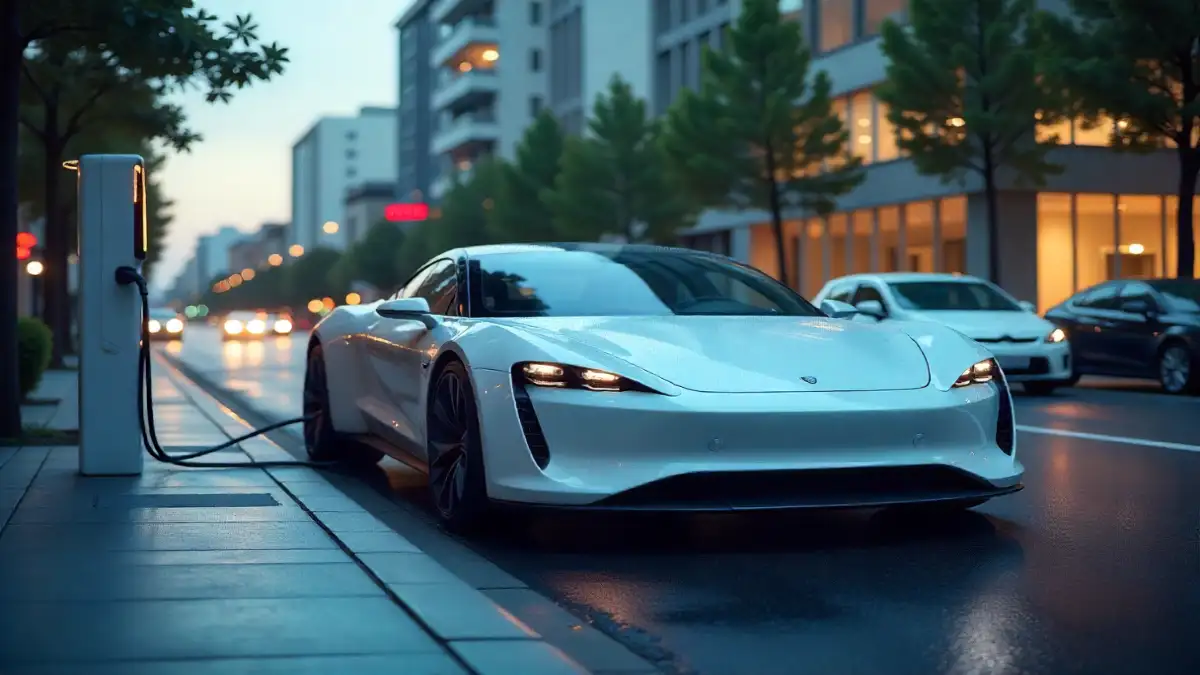
You’ve probably seen those eye-catching ads: “Lease a brand-new electric car for $299 a month!” It sounds almost too good to be true, doesn’t it? With gas prices doing their usual rollercoaster routine and climate concerns weighing on many of our minds, electric vehicles have never looked more appealing. But here’s the million-dollar question—or should I say, the few-hundred-dollars-per-month question: Are those electric car lease incentives actually worth it, or are they just dressed-up deals that look better on paper than in your driveway?
Let’s dig into this together. Whether you’re trying to figure out if leasing makes sense for your situation or you’re just curious about how these incentives stack up against buying, I’ll walk you through everything you need to know to make a smart decision.
Understanding Electric Car Lease Incentives: What’s Actually on Offer?
First things first—what exactly are we talking about when we say “lease incentives”? These aren’t just random discounts dealerships throw around to move inventory. Lease incentives for electric vehicles come from multiple sources, and understanding where they originate helps you evaluate their real value.
Federal tax credits remain the biggest player in this game. Currently, eligible new EVs can qualify for up to $7,500 in federal tax credits under the Inflation Reduction Act. Here’s where it gets interesting for leasing: when you lease, the leasing company (not you) technically owns the vehicle and can claim that tax credit. Many manufacturers and dealerships pass those savings directly to you through reduced monthly payments or a lower capitalized cost. That’s a huge advantage because you get the benefit immediately rather than waiting until tax season.
State and local incentives sweeten the pot even further. California, for instance, offers additional rebates that can stack with federal incentives. New York, Colorado, and several other states have their own programs. Some utility companies even throw in charging equipment rebates or reduced electricity rates for EV owners. When you’re leasing, many of these incentives can be applied directly to your lease terms.
Manufacturer incentives are where things get really competitive. Automakers are desperate to get more EVs on the road, and they’re using lease deals as their weapon of choice. You’ll see subsidized interest rates (sometimes as low as 0%), reduced down payments, and aggressive residual values that lower your monthly costs. Brands like Hyundai, Nissan, and Chevrolet regularly offer lease specials that make their EVs surprisingly affordable.
Leasing vs. Buying: Running the Numbers
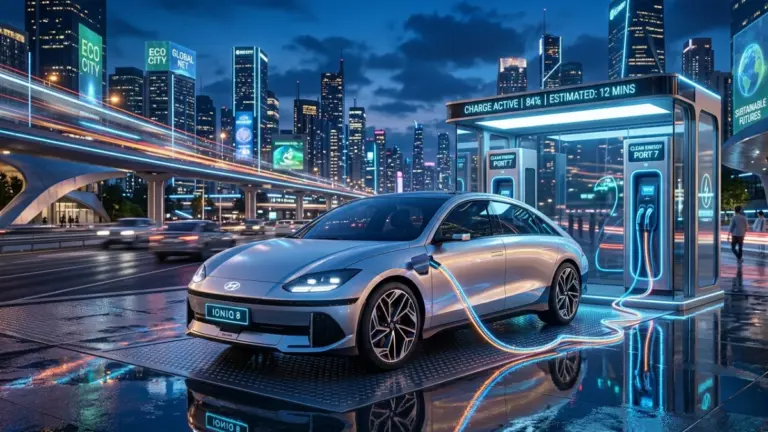
Let’s get practical. Say you’re eyeing a Hyundai Ioniq 5, which has an MSRP around $43,000. If you buy it with the $7,500 federal credit, your effective price drops to $35,500. Finance that over 60 months at 6% interest, and you’re looking at roughly $685 per month (plus whatever you put down).
Now consider leasing that same vehicle. With manufacturer incentives and that $7,500 credit applied to the lease, you might see offers around $349 per month for 36 months with $3,000 down. That’s significantly less per month, and your upfront costs are lower too.
But here’s the catch: after three years of leasing, you own nothing. If you’d been buying, you’d have built equity in the vehicle. You’d own it outright after five years and could drive it for another five (or more) with no payments. With leasing, you’re essentially renting, and when your lease ends, you either lease another vehicle, buy your leased car (usually at a predetermined price), or walk away and start over.
The math gets even more interesting when you factor in how quickly EV technology evolves. The Nissan Leaf you lease today will look pretty dated compared to what’s available in three years. Battery technology is improving rapidly, charging infrastructure is expanding, and ranges are increasing. Leasing lets you upgrade to the latest technology without being stuck with an aging vehicle that might be worth less than you’d hoped.
The Hidden Benefits Nobody Talks About
Beyond the obvious monthly payment differences, leasing an EV comes with some advantages that don’t show up on the price tag.
Maintenance worries? Mostly eliminated. Most EV leases last three years, and guess what? Most EVs come with three-year warranties at minimum. You’re essentially covered for the entire lease period. No surprise repair bills, no wondering if that weird noise means an expensive fix is coming. You drive, you maintain basic things like tires and windshield wipers, and you return the car. For people who value peace of mind, this is huge.
Battery anxiety becomes someone else’s problem. This is the big one that kept me from buying an EV for years. What if the battery degrades faster than expected? What if range drops significantly? With a lease, you don’t carry that long-term risk. If you’re leasing a 2024 model, you’ll return it in 2027, and whatever happens to that battery after that isn’t your concern.
You can test the EV lifestyle without full commitment. Maybe you’re not 100% sure about electric vehicles yet. Does your daily routine actually work with an EV? Is the charging infrastructure adequate in your area? Will your family adapt to trip planning around charging stops? A three-year lease gives you a real-world test run. If you love it, great—lease another or buy next time. If it doesn’t work for your lifestyle, you haven’t locked yourself into a long-term financial commitment.
The Downsides: What Could Go Wrong?
I’d be doing you a disservice if I didn’t point out the potential pitfalls, because they’re real and they matter.
Mileage limits can bite hard. Most leases cap you at 10,000-12,000 miles per year. Go over, and you’ll pay typically 15-25 cents per mile when you return the vehicle. That adds up fast. If you drive 15,000 miles annually but your lease allows 12,000, you could owe an extra $1,350 at lease end. Every year. You can negotiate higher mileage allowances upfront, but that increases your monthly payment.
You’re building zero equity. This is simple math but worth emphasizing. After three years of $350 monthly payments, you’ve spent $12,600 and own nothing. Someone who bought that same car now has an asset they can sell or trade in. For many people, especially those who drive cars into the ground, this is a dealbreaker.
Early termination penalties are brutal. Life happens. Maybe you lose your job, need to relocate, or have a family situation that changes your vehicle needs. Getting out of a lease early typically costs thousands of dollars. You’re essentially on the hook for the remaining payments plus various fees. That lack of flexibility can be stressful if your circumstances change unexpectedly.
Wear and tear charges at lease end. That small scratch on the bumper? The tiny dent in the door? Normal wear and tear is expected, but the definition of “normal” can be surprisingly strict. Some lessees get hit with hundreds or even thousands in excess wear charges when they return their vehicles. You need to baby a leased car more than you would if you owned it.
Who Should Seriously Consider Leasing an EV?
After looking at all the angles, certain people are perfect candidates for EV leases, while others should probably run in the opposite direction.
Leasing makes sense if you:
- Drive predictable, relatively low mileage annually
- Enjoy having the latest technology and features
- Value warranty coverage and minimal maintenance hassles
- Want to experience EV ownership without long-term commitment
- Can comfortably afford the monthly payments plus insurance
- Take good care of your vehicles
Buying probably makes more sense if you:
- Rack up high mileage (think road warriors and long commuters)
- Plan to keep your vehicle 7+ years to maximize value
- Want to build equity and own your vehicle outright
- Don’t care about having the newest features
- Might face life changes requiring vehicle flexibility
- Are handy with basic maintenance and don’t mind aging technology
I’ll give you a real example: My friend Sarah leases a Chevy Bolt EV for $289 monthly. She drives about 9,000 miles yearly (well under her 12,000 limit), loves getting a new car every three years, and the federal credit knocked her payments way down. For her situation, it’s perfect. Meanwhile, my neighbor bought his Tesla Model 3 and plans to drive it until the wheels fall off. He’s already at 80,000 miles after three years. A lease would’ve bankrupted him in overage fees.
Making Your Decision: Questions to Ask Yourself
Before you sign anything, run through these questions honestly:
How many miles do you really drive? Check your current vehicle’s odometer and do the math. Be realistic, not optimistic. Factor in road trips, daily commutes, and unexpected driving.
What’s your financial situation? Can you afford the monthly payments comfortably, or are you stretching? Remember, leasing is a continuous expense—you’ll always have a car payment as long as you keep leasing.
How long do you typically keep vehicles? If you’re someone who trades in every few years anyway, leasing might align perfectly with your habits. If you drive cars for a decade, buying builds more value.
Where do you stand on the latest-and-greatest spectrum? Are you someone who needs the newest iPhone the day it drops, or are you still rocking that phone from three years ago? Your answer tells you a lot about whether leasing’s upgrade cycle suits your personality.
What does your living situation look like? Home charging makes EV ownership (leased or bought) infinitely easier. Apartment dwellers dependent on public charging face more challenges that might influence whether a three-year lease commitment makes sense.
The Bottom Line: Are Lease Incentives Worth It?
Here’s my honest take after looking at this from every angle: Electric car lease incentives can absolutely be worth it, but they’re not universally the right choice for everyone.
The incentives themselves—especially that juicy $7,500 federal credit applied directly to lease terms—create legitimate opportunities to drive an electric vehicle for significantly less than you’d pay to buy one. When you factor in lower maintenance costs, warranty coverage, and the ability to upgrade as technology improves, leasing presents a compelling package for the right person.
But “the right person” is key. If you drive a lot, value ownership, or need flexibility, those attractive monthly payments might mask a deal that ultimately costs you more than buying. The incentives are real, but they work best when they align with your actual driving habits, financial goals, and lifestyle.
My advice? Run the complete numbers for both leasing and buying the specific EV you want. Factor in all incentives, your expected mileage, how long you’ll keep the vehicle, and what matters most to you. Talk to multiple dealers, read the fine print carefully, and don’t let a salesperson rush you into a decision based solely on that low monthly payment.
Electric vehicles represent the future of transportation, and these lease incentives are making that future accessible to more people than ever before. Just make sure you’re getting into a deal that works for your present—and your wallet—too.