As the world shifts towards more sustainable options, over 2 million electric vehicles were sold globally in 2022 alone, marking a significant milestone in the automotive industry’s transition.
Are you considering joining the electric revolution? Owning an Electric Vehicle (EV) can be a game-changer, offering numerous benefits, from reduced environmental impact to lower operating costs. However, it’s crucial to weigh these advantages against the potential drawbacks.
This guide will walk you through the key benefits and drawbacks of EVs, helping you make an informed decision about whether an electric vehicle is right for you.
Understanding Electric Vehicles: The Basics
You’re probably curious about electric vehicles; let’s start with the basics and explore what makes them tick. Electric vehicles (EVs) are becoming increasingly popular, and understanding their fundamentals is crucial for making an informed decision.
How Electric Vehicles Work
Electric vehicles are powered by electric motors, using electricity stored in batteries rather than gasoline or diesel. This not only reduces operating costs but also minimizes environmental impact. The batteries are typically charged from an external power source, and the vehicle’s range is determined by the battery’s capacity.
Types of Electric Vehicles Available Today
There are several types of electric vehicles available, including Battery Electric Vehicles (BEVs), which run solely on battery power, and Plug-in Hybrid Electric Vehicles (PHEVs), which combine electric and gasoline power. Hybrid Electric Vehicles (HEVs) use both electric and gasoline power but can’t be plugged in to charge.
Current EV Market in the United States
The EV market in the U.S. is rapidly expanding, with more models becoming available each year. Major automakers are investing heavily in EV technology, and government incentives are supporting the transition to cleaner transportation. As a result, the variety of EVs on offer is increasing, giving consumers more choices.
Understanding these basics is the first step in evaluating whether an electric vehicle is right for you. As you explore further, you’ll be able to weigh the pros and cons of EV ownership more effectively.
The Pros and Cons of Electric Vehicles
If you’re wondering whether an electric vehicle is right for you, let’s explore the key advantages and disadvantages. As the world shifts towards more sustainable options, understanding the benefits and drawbacks of electric vehicles (EVs) is crucial for making an informed decision.
Key Advantages of Switching to Electric
One of the most significant benefits of electric vehicles is their potential to save you money on fuel costs. EVs are generally cheaper to run, with electricity costing less than gasoline. Additionally, electric vehicles require less maintenance than traditional gas-powered cars, as they have fewer moving parts and don’t need oil changes. This can lead to significant long-term savings.
Another advantage is the environmental benefit. Electric vehicles produce zero tailpipe emissions, reducing greenhouse gas emissions and air pollution in urban areas. This makes EVs an attractive option for those concerned about their carbon footprint.
Notable Disadvantages to Consider
Despite the advantages, there are several drawbacks to consider. One of the main concerns is the limited range of electric vehicles, which can make long trips more challenging without access to a comprehensive charging network. Although charging infrastructure is rapidly expanding, it still lags behind in some areas.
Another disadvantage is the higher upfront cost of electric vehicles compared to their gas-powered counterparts. While EVs can be more cost-effective in the long run, the initial purchase price can be a barrier for many potential buyers.
Who Benefits Most from EV Ownership
Electric vehicles are particularly suited for individuals with relatively short commutes and those who have access to charging facilities at home or work. They are also a good fit for people living in urban areas where charging infrastructure is more developed.
For those considering whether to switch to an electric vehicle, weighing these pros and cons is essential. By understanding the advantages and disadvantages, you can make a more informed decision that aligns with your lifestyle and needs.
Financial Considerations of EV Ownership
When considering the switch to an electric vehicle, understanding the financial implications is crucial. As you evaluate the feasibility of EV ownership, several financial factors come into play.
Initial Purchase Costs vs. Gas-Powered Vehicles
The initial purchase price of an electric vehicle is often higher than that of its gas-powered counterpart. However, this difference is gradually decreasing as technology advances and economies of scale improve with higher production volumes.
To illustrate, let’s compare the prices of some popular models:
| Model | Electric Version Price | Gas-Powered Version Price |
|---|---|---|
| Nissan Leaf | $29,990 | N/A |
| Toyota Corolla | N/A | $19,600 |
| Hyundai Kona | $36,950 | $21,350 |
Long-Term Savings: Maintenance and Charging Costs
Electric vehicles offer significant long-term savings, primarily through lower maintenance and operating costs. EVs have fewer moving parts than gas-powered vehicles, reducing the need for repairs and maintenance. Moreover, charging an EV is generally cheaper than fueling a gas-powered car.
Average Annual Savings: $800-$1,000 on fuel and maintenance.
Federal and State Tax Incentives
The U.S. government offers a federal tax credit of up to $7,500 for eligible EV purchases. Additionally, many states provide their own incentives, such as rebates, exemptions from certain fees, or access to HOV lanes.
Insurance and Resale Value Factors
Insurance premiums for EVs can be slightly higher than for gas-powered vehicles, but this varies by insurer and policy. On the other hand, EVs tend to retain their value well, with some models depreciating less than their gas-powered counterparts.
- Research insurance quotes from multiple providers.
- Consider certified pre-owned EVs for better value retention.
Practical Aspects of Daily EV Use
Daily life with an electric vehicle can be quite different from what you’re used to with a traditional gas-powered car. As you navigate the world of EV ownership, understanding the practical aspects of daily use is essential.
Charging Infrastructure and Home Setup Options
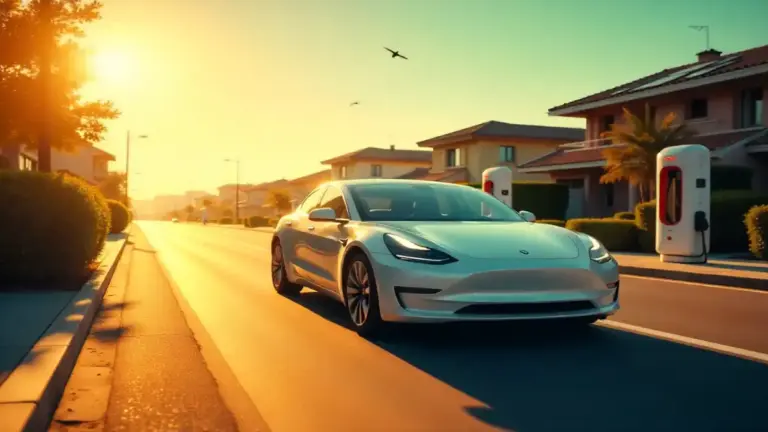
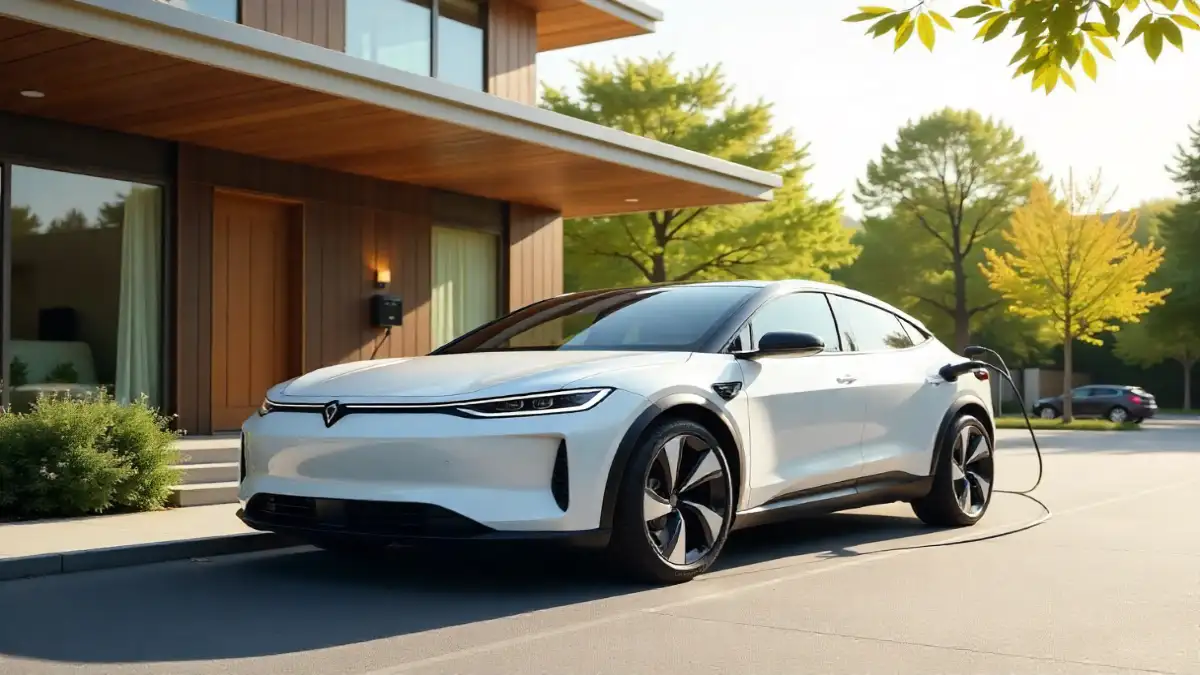
One of the first things you’ll need to consider is how you’ll charge your EV. There are various charging options available, from Level 1 (120V) charging using a standard household outlet to Level 2 (240V) charging with a dedicated charging station, and even DC Fast Charging for quick top-ups on the go. For home charging, a Level 2 charger is recommended for its faster charging speeds. You can install a Level 2 charger at your residence, which can significantly reduce charging times.
Range Considerations and Trip Planning
Understanding your EV’s range and planning your trips accordingly is crucial. Most modern EVs offer a range between 200 to over 300 miles on a single charge. For daily commutes, this is often more than sufficient. However, for longer trips, you’ll need to plan your charging stops. There are numerous apps and tools available that can help you find charging stations along your route and plan your trip accordingly.
Performance in Different Weather Conditions
Weather can impact your EV’s performance. Cold weather, for instance, can reduce battery efficiency, while hot weather can increase energy consumption for cooling. However, most EVs are designed to manage these conditions effectively. It’s also worth noting that EVs generally have a smoother and quieter ride compared to traditional vehicles.
Maintenance Requirements and Schedules
EVs typically require less maintenance than gas-powered vehicles, with fewer moving parts and no oil changes needed. However, it’s still important to follow a regular maintenance schedule, including tire rotations and brake checks. Your owner’s manual will provide a recommended maintenance schedule tailored to your specific vehicle.
By understanding these practical aspects, you can make the most out of your EV ownership experience, enjoying the benefits of electric vehicles while minimizing any potential drawbacks.

Environmental Impact and Sustainability
One of the most compelling reasons to choose an electric vehicle is its potential to reduce your carbon footprint. As concern for the environment grows, understanding the ecological impact of EVs compared to traditional vehicles becomes increasingly important.
Carbon Footprint Comparison
Electric vehicles produce zero tailpipe emissions, significantly reducing greenhouse gas emissions in urban areas. When charged with renewable energy, EVs can have a substantially lower carbon footprint over their lifetime compared to gas-powered vehicles.
Battery Production and Disposal Considerations
The production of EV batteries, particularly lithium-ion batteries, has environmental implications due to resource extraction. However, recycling technologies are evolving to address battery disposal at the end of their life cycle.
Renewable Energy Integration
The environmental benefits of EVs are maximized when they are charged using renewable energy sources like solar or wind power. This integration can significantly reduce the overall carbon footprint of EVs.
Future Sustainability Improvements
As technology advances, the sustainability of EVs is expected to improve further. Innovations in battery technology and recycling, along with increased use of renewable energy, will continue to enhance the environmental benefits of electric vehicles.
Conclusion: Is an Electric Vehicle Right for You?
As you consider joining the electric vehicle (EV) revolution, weighing the pros and cons of electric vehicles is crucial. You’ve explored the advantages and disadvantages, financial implications, daily practicalities, and environmental benefits. Now, it’s time to decide if an EV aligns with your lifestyle and preferences.
When evaluating should I get an electric vehicle, consider your driving habits, access to charging infrastructure, and budget. EVs offer significant long-term savings on fuel and maintenance, but the initial purchase price can be higher. Additionally, EVs contribute to a cleaner environment, reducing your carbon footprint.
Ultimately, an electric vehicle is a great choice if you have a relatively short commute, can charge your vehicle at home, and are looking to reduce your environmental impact. By understanding the pros and cons of electric vehicles, you can make an informed decision that suits your needs.