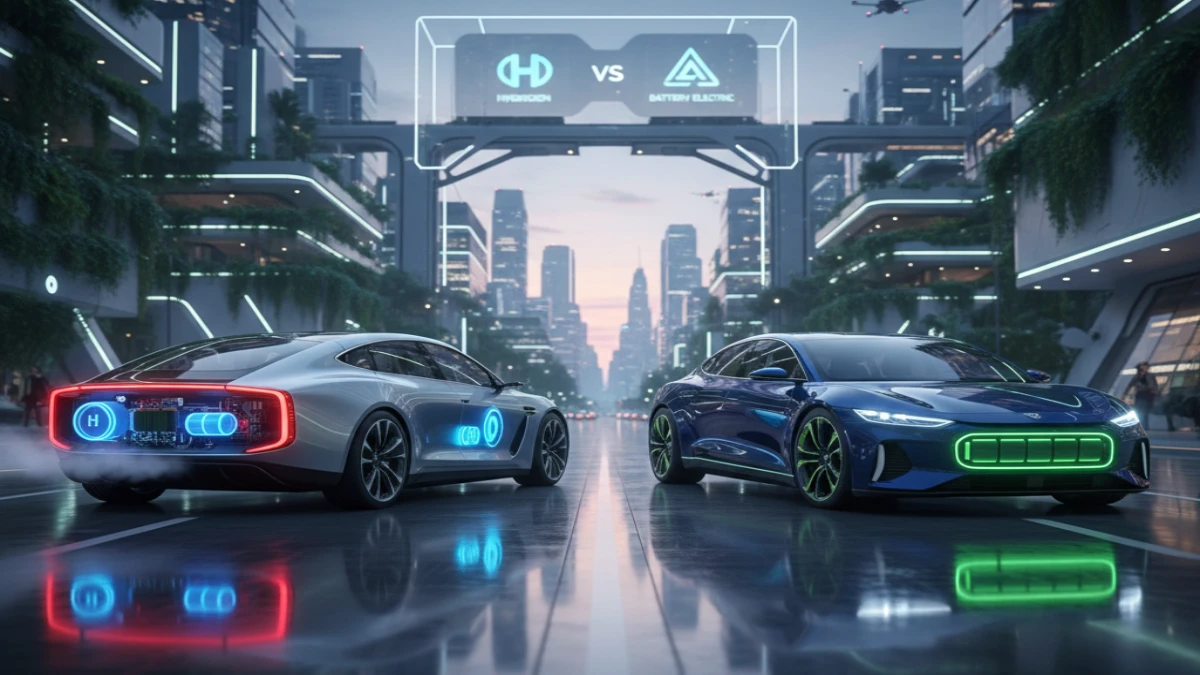
As I explore the world of eco-friendly transportation, I’m often asked to weigh the benefits of different zero-emission technologies. The debate between hydrogen fuel cell vehicles and battery electric vehicles is ongoing, with each having its own set of advantages.
In my analysis, I’ll compare these two alternatives to help you make an informed decision. With the growing concern about environmental sustainability, understanding the differences between these options is crucial for those looking to switch to a more eco-friendly mode of transportation.
The key to making the right choice lies in understanding the unique characteristics of each technology, from their energy sources to their overall environmental impact.
Understanding the Two Zero-Emission Technologies
As we explore the world of zero-emission vehicles, grasping how battery electric vehicles and hydrogen fuel cell vehicles work is essential. Both technologies have gained significant attention in recent years due to their potential to reduce our reliance on fossil fuels and lower emissions.
How Battery Electric Vehicles (BEVs) Work
Battery Electric Vehicles (BEVs) are powered by electric motors, using energy stored in rechargeable batteries. These batteries are charged from an external power source, typically a wall socket or charging station. The electric motor in a BEV converts electrical energy into mechanical energy, propelling the vehicle forward. The simplicity of BEVs, with fewer moving parts compared to traditional internal combustion engines, can lead to lower maintenance costs over time.
The battery technology in BEVs has seen significant advancements, with lithium-ion batteries being the most common type used today. These batteries offer a good balance between energy density, cost, and lifespan. Charging times can vary significantly depending on the charger’s power output and the vehicle’s battery capacity, ranging from a few hours for fast charging to overnight for standard charging.
How Hydrogen Fuel Cell Vehicles Work
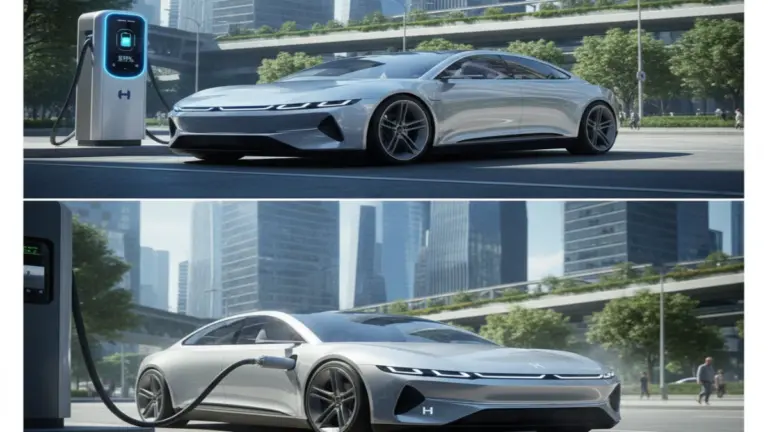
Hydrogen Fuel Cell Vehicles use hydrogen as a fuel to generate electricity, which powers the electric motor. The process involves combining hydrogen with oxygen from the air in a fuel cell, producing electricity and water as the only byproducts. This technology offers a promising alternative to BEVs, especially for long-distance driving or applications where refueling time is critical.
The fuel cell stack is a critical component, consisting of multiple cells where the chemical reaction between hydrogen and oxygen occurs. The electricity generated powers the vehicle’s motor, while the only emission is water vapor. The efficiency of hydrogen fuel cell vehicles can be higher than traditional gasoline vehicles, but the production and distribution of hydrogen currently pose significant challenges.
Hydrogen vs Battery Electric Vehicles: Key Differences
To make an informed decision, it’s essential to examine the core differences between hydrogen and battery electric vehicles. This comparison will cover energy efficiency, refueling/recharging times, driving range capabilities, environmental impact, vehicle performance, and maintenance requirements.
Energy Efficiency Comparison
Energy efficiency is a critical factor when comparing hydrogen fuel cell vehicles and battery electric vehicles. Battery electric vehicles (BEVs) typically have an energy efficiency of 60-70%, whereas hydrogen fuel cell vehicles have an efficiency of around 40-60%. This difference is largely due to the energy losses during the production, storage, and conversion of hydrogen.
To illustrate this, let’s consider a comparative table of the energy efficiency of both types of vehicles:
| Vehicle Type | Energy Source | Efficiency Percentage |
|---|---|---|
| Battery Electric Vehicles | Electricity | 60-70% |
| Hydrogen Fuel Cell Vehicles | Hydrogen | 40-60% |
Refueling/Recharging Time and Convenience
Refueling and recharging times are crucial for the practicality of zero-emission vehicles. Battery electric vehicles can take anywhere from 30 minutes to several hours to recharge, depending on the charger’s power output. In contrast, hydrogen fuel cell vehicles can be refueled in about 3-5 minutes, similar to conventional gasoline vehicles.
Driving Range Capabilities
The driving range is another significant factor. Battery electric vehicles generally offer ranges between 200-300 miles on a single charge, although some models can exceed 500 miles. Hydrogen fuel cell vehicles typically have a range of around 300-400 miles, with some models offering even more.
Environmental Impact Analysis
Both types of vehicles produce zero tailpipe emissions. However, the overall environmental impact depends on the source of the energy used to generate electricity or produce hydrogen. If the electricity is generated from renewable sources, BEVs offer a significantly reduced carbon footprint. Similarly, if hydrogen is produced using renewable energy, hydrogen fuel cell vehicles can be considered environmentally friendly.
Vehicle Performance and Driving Experience
Both hydrogen and battery electric vehicles offer exceptional performance and a smooth, quiet driving experience. Battery electric vehicles are known for their instant torque, providing quick acceleration. Hydrogen fuel cell vehicles also offer a responsive driving experience, although their performance characteristics can differ from BEVs.
Maintenance Requirements and Longevity
Maintenance requirements for both types of vehicles are generally lower than those for internal combustion engine vehicles. Battery electric vehicles have fewer moving parts, reducing wear and tear. Hydrogen fuel cell vehicles also have relatively low maintenance needs, although the fuel cell system can be complex and may require specialized maintenance.
Cost Considerations for American Consumers
For American consumers contemplating sustainable transportation options, a thorough analysis of the costs involved in hydrogen and battery electric vehicles is essential. As the automotive market shifts towards eco-friendly alternatives, understanding the financial implications of these choices becomes increasingly important.

Purchase Price Comparison
The initial purchase price of a vehicle is a significant factor in the decision-making process. Currently, battery electric vehicles (BEVs) tend to have a lower upfront cost compared to hydrogen fuel cell vehicles. However, the price gap is narrowing as technology advances. For instance, some BEV models are now available at competitive prices with their gasoline-powered counterparts. In contrast, hydrogen fuel cell vehicles are still relatively expensive due to the high cost of fuel cell technology.
It’s essential to consider not only the purchase price but also the overall cost of ownership, including fuel, maintenance, and potential incentives.
Fuel/Energy Costs Over Vehicle Lifetime
Fueling costs are a critical aspect of vehicle ownership. Battery electric vehicles are generally cheaper to “fuel” as electricity is typically less expensive than hydrogen. According to the US Department of Energy, charging an electric vehicle can cost as little as $3 to $5 per 100 miles, whereas hydrogen fuel cell vehicles can cost around $10 to $15 per 100 miles. Over the vehicle’s lifetime, these costs can add up significantly.
Moreover, the cost of hydrogen is currently higher due to production and distribution challenges. As the infrastructure for hydrogen refueling expands, economies of scale may help reduce costs.
Available Tax Incentives and Rebates
The US government offers various incentives to encourage the adoption of eco-friendly vehicles. Both battery electric and hydrogen fuel cell vehicles may be eligible for federal tax credits, although the specific incentives can vary. Some states also offer additional rebates or exemptions from certain fees.
- Federal tax credits for qualifying electric and fuel cell vehicles
- State-level rebates and incentives, such as California’s Clean Vehicle Rebate Project
- Exemptions from sales tax or registration fees in some states
These incentives can significantly reduce the effective cost of purchasing a sustainable vehicle.
Resale Value Projections
The resale value of a vehicle is an important consideration for many buyers. Historically, electric vehicles have had a higher resale value compared to traditional gasoline-powered vehicles. As the market for eco-friendly vehicles continues to grow, it’s likely that both battery electric and hydrogen fuel cell vehicles will retain their value well.
However, the relatively new nature of these technologies means that long-term resale value projections are still uncertain. Factors such as battery degradation in BEVs and the evolving infrastructure for hydrogen fueling will play a role in determining future resale values.
Infrastructure and Practical Ownership in the US
The feasibility of hydrogen and battery electric vehicles hinges on the availability and accessibility of supporting infrastructure in the US. As the nation continues its shift towards eco-friendly transportation, understanding the current state of infrastructure is crucial for consumers making informed decisions.
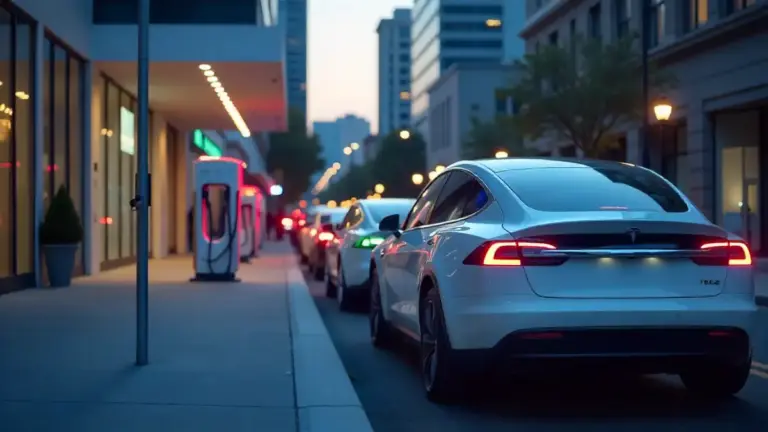
EV Charging Network Accessibility
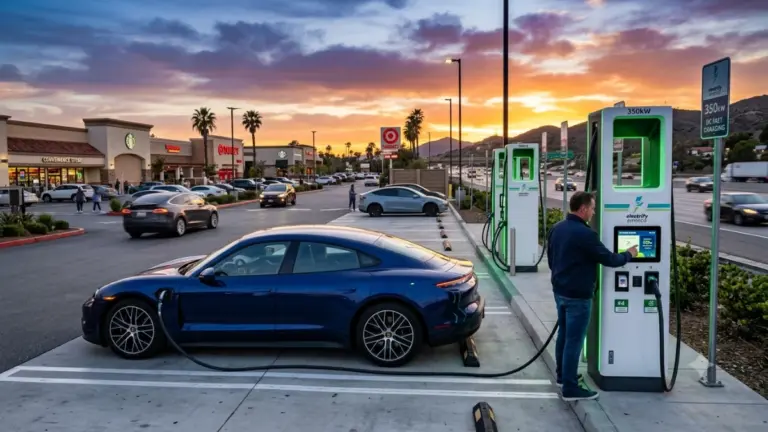
The accessibility of EV charging networks has significantly improved over the years. As of now, there are over 20,000 public EV charging stations across the US, with many more private charging points at homes and workplaces. Major companies like Tesla, ChargePoint, and EVgo are leading the charge in expanding the network. For instance, Tesla’s Supercharger network alone has over 1,500 stations across the country, providing extensive coverage for Tesla owners.
Public charging infrastructure is not just limited to urban areas; efforts are being made to expand it to rural regions as well. However, the density of charging points varies significantly from state to state, with California leading the way.
Hydrogen Refueling Station Availability
Hydrogen refueling infrastructure, on the other hand, is still in its nascent stages in the US. As of the latest data, there are fewer than 50 operational hydrogen refueling stations, primarily located in California. This scarcity is a significant barrier to the widespread adoption of hydrogen fuel cell vehicles.
Companies like Shell and Air Liquide are investing in expanding hydrogen infrastructure, but the progress is slow due to high setup costs and the need for a more established hydrogen supply chain.
Long-Distance Travel Feasibility
For long-distance travel, battery electric vehicles face challenges related to charging time and the availability of charging infrastructure along highways. While Tesla’s Supercharger network provides excellent coverage for Tesla owners, other EV manufacturers rely on a more fragmented network.
Hydrogen fuel cell vehicles offer faster refueling times, comparable to gasoline vehicles, making them more suitable for long-distance travel. However, the scarcity of hydrogen refueling stations limits their practicality for cross-country trips.
Urban vs. Rural Ownership Considerations
Urban areas generally have better infrastructure support for both EVs and hydrogen fuel cell vehicles. In contrast, rural areas face challenges due to the lower density of charging or refueling stations.
For EVs, home charging is a significant advantage, especially in rural areas where public charging infrastructure might be lacking. For hydrogen vehicles, the lack of refueling infrastructure in rural areas is a more significant challenge.
Future Infrastructure Development Plans
The US government and private companies are investing heavily in expanding both EV charging and hydrogen refueling infrastructure. Plans include installing more fast-charging corridors along highways and expanding hydrogen refueling stations, particularly in California.
As infrastructure continues to evolve, the practicality of owning either type of vehicle will improve, making eco-friendly transportation more accessible to a broader audience.
Conclusion: Making the Right Choice for Sustainable Transportation
As we consider the future of transportation, choosing between hydrogen and battery electric vehicles is a crucial decision that depends on several factors, including lifestyle, driving habits, and personal preferences.
By evaluating the key differences between these zero-emission vehicles, we can make an informed decision that aligns with our needs and contributes to a more sustainable transportation future.
Whether you prioritize energy efficiency, refueling convenience, or environmental impact, understanding the unique benefits of each option is essential for embracing sustainable transportation options and reducing our reliance on fossil fuels.
As the demand for zero-emission vehicles continues to grow, manufacturers like Toyota and Hyundai are leading the charge with innovative hydrogen fuel cell technology, while companies like Tesla are pushing the boundaries of battery electric vehicles.
Ultimately, the right choice for sustainable transportation will depend on our individual circumstances and the infrastructure available to us, highlighting the need for continued investment in both hydrogen refueling stations and EV charging networks.