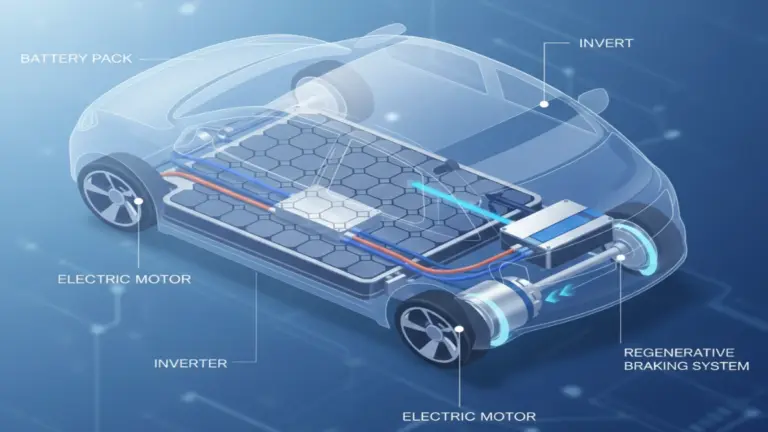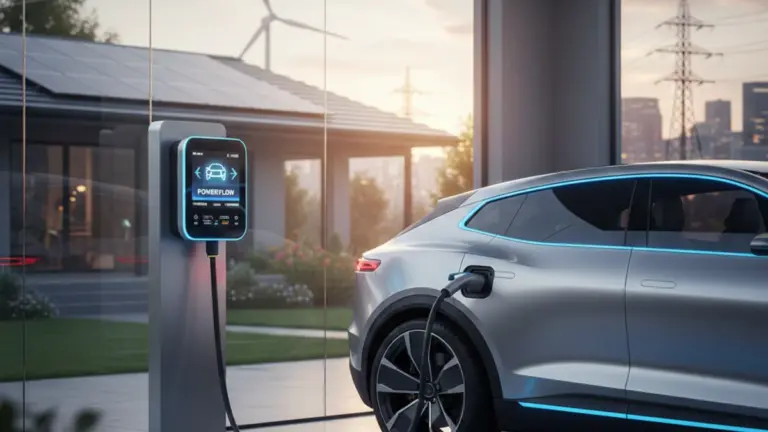
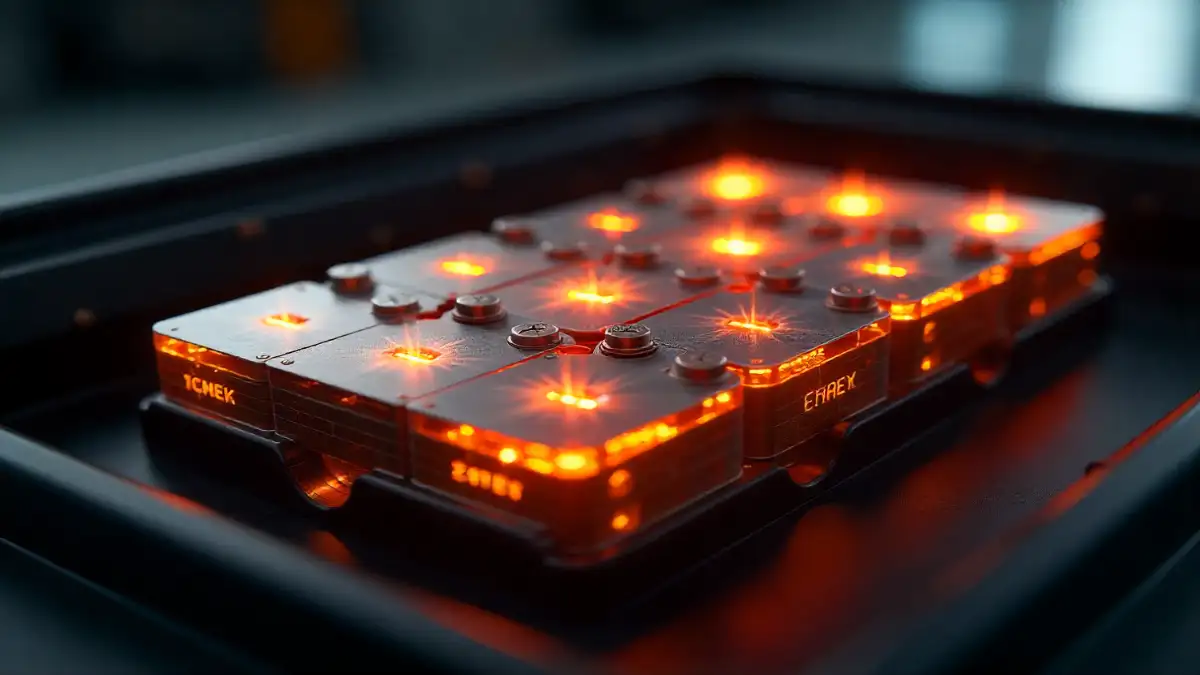
Have you ever wondered what’s actually powering your neighbor’s Tesla as it silently glides down the street? Electric car batteries are at the heart of every EV, representing some of the most advanced energy storage technology on the planet. These sophisticated battery packs, hidden beneath the floor, determine range, charging speed, and overall performance, making them the true powerhouse of modern transportation.
But here’s what might surprise you: not all electric car batteries are created equal. While most people think of “EV batteries” as a single technology, the reality is far more fascinating. We’re living through a battery revolution where different chemistries, structures, and designs are competing to power the future of transportation, each with distinct advantages and trade-offs that could influence your next car purchase.
From the lithium-ion packs currently dominating the market to the promising solid-state batteries that could transform everything, let me guide you through the complex but captivating world of electric vehicle energy storage. Understanding these technologies isn’t just academic curiosity – it’s practical knowledge that could help you make better decisions about electric vehicle ownership, both today and tomorrow.
Lithium-Ion: The Current Champion
When you think of electric car batteries today, you’re almost certainly thinking of lithium-ion technology, even if you don’t realize it. These batteries power virtually every electric vehicle currently on the road, from the compact Nissan Leaf to the massive Ford F-150 Lightning, and they’ve earned their dominance through a combination of energy density, reliability, and manufacturing scalability.
But lithium-ion isn’t just one technology – it’s actually a family of related chemistries that share the same basic principle of lithium ions moving between positive and negative electrodes. Think of it like saying “smartphone” when there are actually dozens of different models with varying capabilities and features.
The most common type in electric vehicles today is NMC (Nickel Manganese Cobalt), which you’ll find in vehicles like the BMW i4 and Volkswagen ID.4. These batteries offer an excellent balance of energy density, power output, and longevity, typically providing 250-300 miles of range while lasting 8-10 years of regular use. Jennifer, who’s driven her Model 3 for four years, tells me her NMC battery pack still provides over 90% of its original range – impressive consistency that reflects the technology’s maturity.
Tesla has pioneered another lithium-ion variant called NCA (Nickel Cobalt Aluminum), which prioritizes energy density above all else. This chemistry allows Tesla to pack more energy into each battery cell, contributing to the impressive range figures we see in vehicles like the Model S, which can exceed 400 miles on a single charge. The trade-off comes in slightly reduced longevity compared to NMC, but Tesla’s sophisticated battery management system helps mitigate this limitation.
Then there’s LFP (Lithium Iron Phosphate), which takes a different approach entirely. Instead of maximizing energy density, LFP prioritizes safety, longevity, and cost. These batteries are nearly impossible to ignite, can handle more charge cycles than other lithium-ion types, and cost significantly less to manufacture. Tesla recently started using LFP batteries in their standard-range Model 3, accepting slightly reduced range in exchange for lower costs and improved durability.
The charging characteristics of lithium-ion batteries deserve special mention because they directly impact your daily experience. Most lithium-ion packs can accept rapid charging up to about 80% capacity, then slow down significantly for the final 20%. This is why experienced EV drivers rarely charge to 100% unless necessary – those final percentages take disproportionately long and provide minimal additional range.
Solid-State Batteries: The Revolutionary Promise
If lithium-ion batteries are the current champions, solid-state batteries represent the technology that could completely change the game. Instead of using liquid electrolytes like current batteries, solid-state designs use solid ceramic or polymer electrolytes, fundamentally altering how the battery operates and opening up possibilities that sound almost too good to be true.
The potential advantages are genuinely exciting. Solid-state batteries could offer double the energy density of current lithium-ion packs, meaning a 300-mile electric vehicle could potentially achieve 600 miles of range with the same battery weight. They charge faster, potentially reaching 80% capacity in 10-15 minutes rather than the current 30-45 minutes for rapid charging. They’re also significantly safer – the solid electrolyte virtually eliminates fire risk, even in severe accidents.
Toyota has been the most vocal proponent of solid-state technology, claiming they’ll introduce solid-state batteries in production vehicles by the late 2020s. Their prototype vehicles have demonstrated some impressive capabilities, including the ability to retain most of their capacity even after thousands of charge cycles. Samsung, QuantumScape, and several other companies are also racing to commercialize this technology.
But here’s the reality check: solid-state batteries face significant manufacturing challenges that have kept them in laboratories and prototype vehicles for over a decade. The solid electrolytes are difficult to produce at scale, expensive to manufacture, and prone to developing tiny cracks that degrade performance over time. Current solid-state prototypes also struggle with power delivery at low temperatures, potentially limiting their effectiveness in cold climates.
Mark, an automotive engineer who works on next-generation battery technology, explained to me that solid-state batteries are “perpetually five years away” – they show tremendous promise in laboratory conditions, but translating that promise into mass-producible, cost-effective automotive batteries remains enormously challenging.
The economic reality is equally daunting. Early solid-state batteries will likely cost 3-5 times more than current lithium-ion technology, potentially adding $15,000-25,000 to vehicle costs. Even the most optimistic projections suggest solid-state batteries won’t achieve cost parity with lithium-ion until the mid-2030s, assuming the technical hurdles can be overcome.
Emerging Technologies: The Dark Horses
Beyond the lithium-ion versus solid-state debate, several other battery technologies are quietly developing in research labs and pilot projects, each offering unique approaches to electric vehicle energy storage.
Lithium-metal batteries represent an intriguing middle ground between current lithium-ion and future solid-state technology. Instead of using graphite anodes like conventional lithium-ion batteries, lithium-metal designs use pure lithium metal, potentially increasing energy density by 30-50%. Companies like SolidPower and Sion Power are working to commercialize this technology, with some prototype vehicles already testing lithium-metal packs.
The challenge with lithium-metal batteries involves something called dendrite formation – tiny metallic whiskers that grow during charging and can eventually cause short circuits. Recent breakthroughs in electrolyte chemistry and battery management systems have made significant progress in controlling dendrite growth, bringing lithium-metal batteries closer to commercial viability.
Sodium-ion batteries offer a completely different approach that could revolutionize electric vehicle economics. Instead of using relatively scarce lithium, these batteries use abundant sodium, potentially reducing battery costs by 30-50%. CATL, the world’s largest battery manufacturer, recently announced plans to begin mass production of sodium-ion batteries for electric vehicles.
The energy density of sodium-ion batteries remains lower than lithium-ion, typically providing about 20-30% less range for the same battery weight. However, for budget-conscious consumers or specific vehicle applications where maximum range isn’t critical, sodium-ion could offer an attractive alternative. Imagine an electric city car with 150 miles of range that costs $5,000-8,000 less than comparable lithium-ion vehicles.
Silicon nanowire anodes represent another fascinating development that could dramatically improve current lithium-ion technology. By replacing traditional graphite anodes with silicon nanowires, battery manufacturers could potentially increase energy density by 40-60% while maintaining compatibility with existing battery manufacturing processes.
The challenge involves silicon’s tendency to expand and contract dramatically during charging cycles, eventually causing the nanowires to break and the battery to fail. Recent advances in nanowire design and protective coatings have shown promise in laboratory testing, with some companies claiming they’ll have silicon nanowire batteries in production vehicles within 3-5 years.
Performance Comparison: What Really Matters
When comparing battery technologies, several key metrics determine real-world performance and user experience. Understanding these factors can help you evaluate which battery technology might best serve your needs, both in current vehicles and future purchases.
Energy density, measured in watt-hours per kilogram, directly determines how far your vehicle can travel with a given battery weight. Current NMC lithium-ion batteries typically achieve 250-280 Wh/kg, while LFP batteries deliver about 160-180 Wh/kg. This difference explains why LFP-equipped vehicles often have shorter range than their NMC counterparts, despite using similar battery pack sizes.
Charging speed depends on several factors, but the battery chemistry plays a crucial role. LFP batteries actually accept rapid charging better than NMC in many situations, particularly in hot weather where NMC batteries must reduce charging speed to prevent overheating. This is why some Tesla Model 3 owners with LFP batteries report faster charging times during summer months, even though their maximum range is lower.
Cycle life – how many times you can charge and discharge the battery before significant degradation – varies dramatically between chemistries. LFP batteries can typically handle 3,000-5,000 cycles while retaining 80% of their original capacity, compared to 1,000-2,000 cycles for NMC batteries. This longevity advantage helps explain why Tesla uses LFP in their standard-range vehicles despite the range penalty.
Temperature performance affects daily usability more than most people realize. All lithium-ion batteries lose capacity in cold weather, but the degree varies significantly. NMC batteries typically retain about 70-80% of their range at 20°F, while LFP batteries may drop to 60-70% of normal range in the same conditions. This cold weather sensitivity is why northern climate buyers often prefer NMC chemistry despite its higher cost.
Safety considerations have become increasingly important as electric vehicle adoption accelerates. LFP batteries are inherently more stable and less prone to thermal runaway – the technical term for battery fires. NMC batteries, while generally safe with proper management systems, require more sophisticated cooling and monitoring to prevent overheating.
Cost per kilowatt-hour tells the economic story. LFP batteries currently cost about 30-40% less than NMC batteries, which explains their growing popularity in budget-focused electric vehicles. However, when you consider the reduced range requiring larger battery packs to achieve similar performance, the total system cost difference becomes smaller.
Real-World Applications: Matching Technology to Use
Different battery technologies excel in different applications, and understanding these strengths can help you evaluate which electric vehicles might best serve your specific needs. The “best” battery technology depends entirely on your priorities and driving patterns.
For long-distance travel enthusiasts, high energy density NMC or NCA batteries currently provide the best solution. The Lucid Air Dream, with its NCA battery pack, achieves over 500 miles of EPA-estimated range – performance that’s simply impossible with current LFP technology in a reasonably-sized vehicle. Michael, who regularly drives from Los Angeles to San Francisco for work, specifically chose his BMW iX for its NMC battery and 380-mile range capability.
City drivers and commuters might find LFP batteries perfect for their needs. The Tesla Model 3 RWD with LFP battery offers 272 miles of range at a significantly lower price point than NMC variants. For someone with a 50-mile daily commute who rarely takes road trips, the range difference becomes irrelevant while the cost savings and improved longevity provide genuine benefits.
Commercial applications are driving some interesting battery technology choices. Amazon’s Rivian delivery vans use specialized lithium-ion formulations optimized for frequent stop-and-go driving and rapid charging between routes. UPS is testing vehicles with different battery chemistries to determine which provides the best total cost of ownership for their specific duty cycles.
Fleet operators are particularly interested in cycle life and charging speed rather than maximum range. A delivery vehicle that can charge quickly during lunch breaks while lasting 10+ years of intensive use might be more valuable than one with maximum range but shorter lifespan. This is why LFP batteries are gaining traction in commercial applications despite their range limitations.
Cold climate performance creates specific requirements that favor certain battery chemistries. Norwegian electric vehicle buyers, who represent one of the world’s most experienced EV populations, often prefer NMC batteries despite their higher cost because the superior cold weather performance more than compensates for the price premium during harsh winters.
The Economics: Cost, Value, and Future Trends
The financial aspects of battery technology extend far beyond the initial purchase price, involving complex calculations of total cost of ownership, depreciation, and replacement costs that vary significantly between different battery types.
Current battery costs represent about 30-40% of an electric vehicle’s total manufacturing cost, making battery choice one of the most significant factors in vehicle pricing. LFP batteries’ lower cost explains why Tesla could reduce Model 3 prices while maintaining profit margins, but the reduced range means you might need a larger, more expensive battery pack to achieve your desired performance.
Replacement costs become important considerations as vehicles age. While most electric vehicle batteries are warranted for 8-10 years, eventual replacement costs vary dramatically. LFP batteries typically cost less to replace but may require more frequent replacement due to their lower energy density and the resulting need for larger packs. NMC batteries cost more to replace but their higher energy density means smaller, potentially more cost-effective replacement packs.
The used car market for electric vehicles is still developing, but early data suggests that battery type significantly affects resale values. Vehicles with proven, long-lasting battery technologies tend to hold their value better than those with less established chemistries. This is why some buyers specifically seek out vehicles with LFP batteries despite the range compromise – the expectation of better long-term durability.
Insurance implications are beginning to emerge as battery technology differences become better understood. Some insurers are starting to offer slight premium reductions for vehicles with inherently safer LFP batteries, while others charge premiums for vehicles with expensive NMC or NCA battery packs due to higher replacement costs after accidents.
Government incentives occasionally favor specific battery technologies. Some regions offer additional rebates for vehicles with locally-manufactured batteries or those using more sustainable chemistries. California’s Clean Vehicle Rebate Program, for example, provides bonus incentives for vehicles with batteries manufactured domestically, regardless of chemistry type.
Making Your Battery Choice: Practical Guidance
As you consider electric vehicle options, understanding battery technology can help you make more informed decisions that align with your specific needs, budget, and driving patterns. The “best” battery technology doesn’t exist in isolation – it depends entirely on your circumstances.
Start by honestly assessing your driving patterns. If you regularly drive more than 250 miles per day or frequently take road trips, high energy density NMC or NCA batteries provide clear advantages despite their higher cost. Conversely, if your daily driving rarely exceeds 100 miles and you have reliable home charging, LFP batteries might offer better value through lower cost and superior longevity.
Consider your local climate carefully. Cold weather significantly impacts all battery types, but the degree varies. If you live where temperatures regularly drop below freezing, the superior cold weather performance of NMC batteries might justify their premium cost. Conversely, hot climate drivers might find LFP batteries’ superior heat tolerance and thermal stability more valuable.
Charging infrastructure affects battery choice more than many realize. If you depend on public rapid charging, the faster charging capabilities of some battery types become crucial. LFP batteries often charge more consistently in hot weather, while NMC batteries typically charge faster in moderate temperatures.
Your risk tolerance for new technology should influence your decision. Current lithium-ion technologies are proven and reliable, with extensive real-world data supporting their performance claims. Emerging technologies like solid-state batteries offer exciting possibilities but come with uncertainty about long-term reliability, replacement costs, and continued manufacturer support.
Budget considerations extend beyond initial purchase price to include total cost of ownership. While LFP batteries cost less upfront, their lower energy density might require you to buy a more expensive vehicle variant to achieve your desired range. Conversely, NMC batteries’ higher upfront cost might be offset by better resale values and potentially lower total system costs.
The Road Ahead: What’s Next for EV Batteries
The battery technology landscape continues evolving rapidly, with new developments emerging from research labs and manufacturing facilities around the world. Understanding these trends can help you make decisions that remain relevant as the technology advances.
Manufacturing scaling represents the most immediate challenge for all battery technologies. Even proven lithium-ion chemistries face supply chain constraints and quality control challenges as production volumes increase exponentially. The transition from laboratory prototypes to mass production consistently proves more difficult and time-consuming than original projections suggest.
Raw material availability increasingly influences battery technology development. Lithium, nickel, and cobalt prices fluctuate based on mining capacity and geopolitical factors, potentially making alternative chemistries like sodium-ion more attractive regardless of their technical limitations. This is why many automakers are diversifying their battery supply chains and chemistries rather than betting on a single technology.
Recycling and sustainability considerations are becoming more important as the first generation of electric vehicle batteries approaches end-of-life. Battery chemistries that facilitate easier recycling or use more abundant materials might gain competitive advantages as environmental regulations tighten and resource scarcity increases.
The integration of artificial intelligence and advanced battery management systems continues improving the performance of existing battery technologies. Software updates can literally improve your battery’s performance over time, as Tesla has demonstrated with several over-the-air updates that increased range and charging speed for existing vehicles.
Solid-state batteries remain the most anticipated breakthrough technology, but realistic timelines continue extending. While laboratory demonstrations are impressive, the transition to mass production faces significant technical and economic hurdles that may not be resolved until the 2030s, if ever.
Understanding Your Electric Future
Electric vehicle batteries represent some of the most sophisticated energy storage technology ever deployed in consumer products. While the technical details can seem overwhelming, the practical implications are straightforward: different battery technologies excel in different applications, and understanding these strengths can help you choose vehicles that better serve your specific needs.
The current dominance of lithium-ion technology reflects its proven balance of performance, cost, and manufacturability rather than any inherent superiority. As new technologies mature and manufacturing scales improve, we may see different chemistries dominating specific vehicle segments or geographic markets.
What remains constant is the rapid pace of improvement across all battery technologies. Energy density increases, costs decline, charging speeds improve, and safety advances with each new generation. This means that regardless of which technology you choose today, your next electric vehicle will almost certainly offer better battery performance at lower cost.
The battery technology you choose today shapes your electric vehicle experience for years to come, influencing everything from daily convenience to long-term ownership costs. By understanding the strengths and limitations of different approaches, you can make more informed decisions that align with your specific needs and driving patterns.
The future of transportation is electric, but it’s not monolithic. Different battery technologies will serve different needs, from ultra-long-range luxury vehicles to cost-effective urban transportation. Understanding these technologies isn’t just about making better car buying decisions – it’s about understanding how the fundamental transformation of transportation will unfold over the coming decades.