You know that feeling when you’re at a fork in the road and both paths look promising? That’s exactly where we are with the future of transportation. On one side, you’ve got electric vehicles cruising confidently forward, racking up millions of sales and capturing headlines. On the other, hydrogen fuel cell vehicles are quietly waiting in the wings, promising some compelling advantages but struggling to find their spotlight moment.
I’ve spent years following both technologies, and if there’s one thing I’ve learned, it’s this: the hydrogen versus electric debate isn’t really about declaring a winner. It’s about understanding which technology fits where, and whether hydrogen’s “someday” might actually arrive.
The Tale of Two Technologies: How They Actually Work
Let me break this down without getting too deep into the engineering weeds. Both technologies are trying to solve the same problem—getting us from point A to point B without burning fossil fuels—but they take remarkably different approaches.
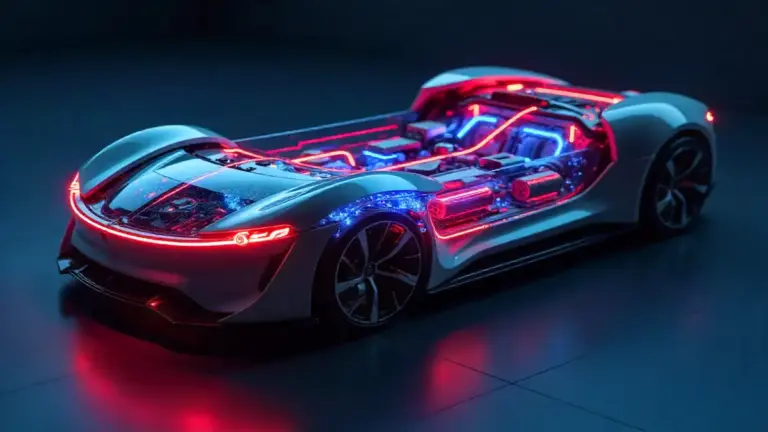
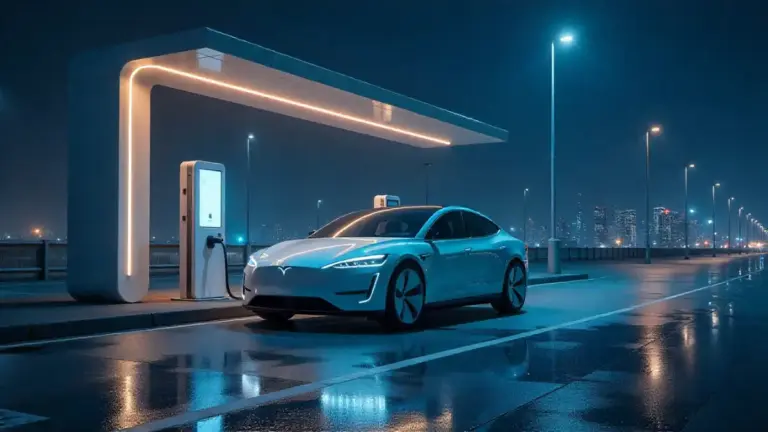
Electric vehicles are the ones you’re probably more familiar with. They’re essentially giant smartphones on wheels. A massive lithium-ion battery pack stores electricity (think of it like a really, really big phone battery), and that electricity powers an electric motor that turns the wheels. You plug it in, wait for it to charge, and off you go. Simple, elegant, and increasingly common on our roads.
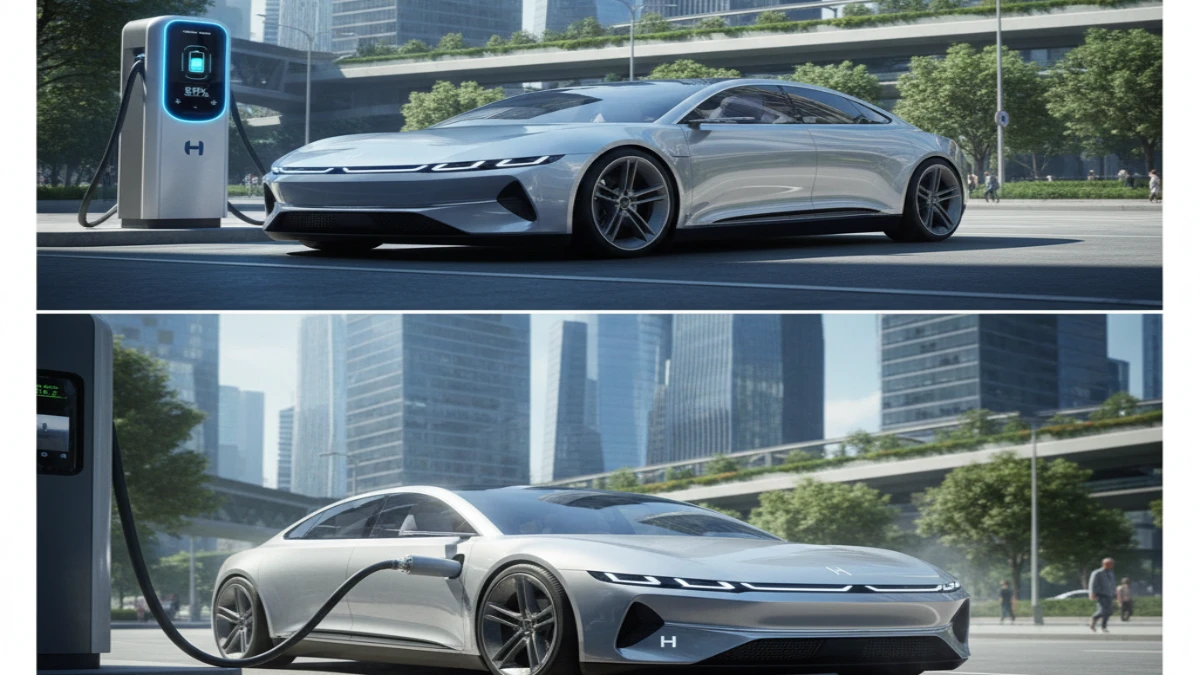
Hydrogen fuel cell vehicles? They’re more like portable power plants. Here’s where it gets interesting: you fill up a tank with highly pressurized hydrogen gas—we’re talking 10,000 pounds per square inch, which is absolutely wild—and that hydrogen gets fed into a fuel cell. Inside this fuel cell, the hydrogen molecules meet oxygen from the air, and through some clever electrochemistry, they generate electricity to power an electric motor. The only thing coming out of the tailpipe? Water vapor. Literally just water.
So technically, both are electric vehicles. The difference is whether you’re storing electricity in a battery or creating it on-demand from hydrogen. It’s kind of like the difference between packing sandwiches for a road trip versus stopping at restaurants along the way.
The Numbers Don’t Lie: Where We Stand Today
Here’s where things get uncomfortable for hydrogen enthusiasts. Over a million electric cars were sold in the U.S. last year, compared to just under 3,000 hydrogen fuel cell-powered cars. That’s not a close race—it’s a landslide.
And it’s not just about sales. There are only about 17,000 hydrogen-powered vehicles on U.S. roads right now, and all of them are in California. Meanwhile, EVs number in the millions and are available in all 50 states. You can walk into a dealership in Montana, Maine, or Mississippi and drive off in a brand-new electric SUV. Try that with a hydrogen car and you’re completely out of luck unless you live in the Golden State.
The vehicle selection tells the same story. There are about 57 battery electric vehicle models on sale in the U.S. from nearly two dozen automotive brands, even Rolls-Royce. Hydrogen? Only two hydrogen fuel cell cars available today, the Toyota Mirai sedan and the Hyundai Nexo crossover, both sold only in California. Honda’s CR-V e:FCEV joined the party in 2024, but with production limited to just 300 vehicles per year and only available for lease in California, it’s barely a footnote.
Toyota, the company that’s been hydrogen’s most devoted champion, has sold roughly 14,300 Mirai sedans across two generations in the U.S.—and that’s with some pretty aggressive discounting at times. It’s the automotive equivalent of trying really hard to throw a party that nobody wants to attend.
The Infrastructure Problem: Why Location Matters So Much
Let’s talk about the elephant in the room—or rather, the hydrogen station that isn’t in the room, or your town, or probably even your state.
California is the only place FCEVs are marketed because it is the only state with a network of retail hydrogen fuel stations to support the vehicles. And that network is quite limited—just 53 stations at the latest count, concentrated in the Los Angeles and San Francisco metro regions. And here’s the kicker: that number is shrinking, not growing. Shell Oil recently shut down its seven California retail locations due to supply constraints and low demand.
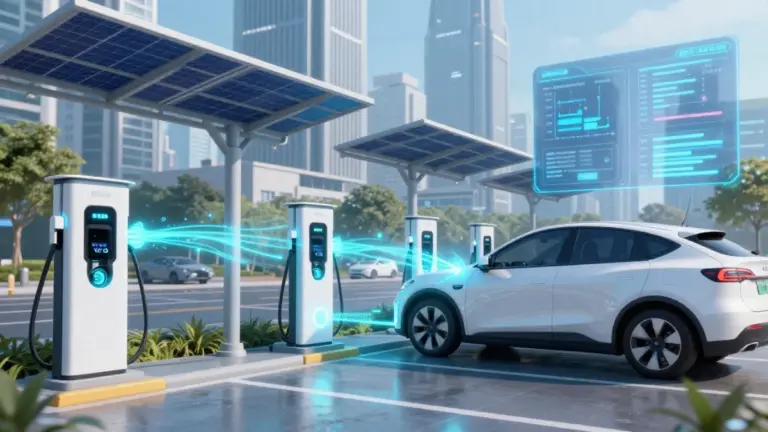
Compare that to electric charging infrastructure. The U.S. now has over 9,500 high-power charging stations nationwide, and that doesn’t even count the hundreds of thousands of Level 2 chargers at workplaces, shopping centers, and homes. If you can install a 240-volt outlet in your garage—the same kind your dryer uses—you can charge an EV at home overnight. Try producing hydrogen in your garage and, well, don’t. Just don’t.
This infrastructure gap isn’t just an inconvenience; it’s a fundamental barrier. A researcher from MIT put it bluntly: without hydrogen fuel reliably delivered at 10,000 psi, a hydrogen fuel cell vehicle is no more than a large, pricey doorstop.
The Money Talk: What It Really Costs
Alright, let’s get down to the dollars and cents, because this is where things get really interesting—and by interesting, I mean expensive if you’re team hydrogen.
The vehicles themselves aren’t cheap either way. The two mainstream hydrogen cars on sale in the U.S. today, the Toyota Mirai and Hyundai Nexo, start at around $50,000 and $60,000, respectively. Meanwhile, a growing number of EVs cost less, thanks to falling battery prices. You can find electric vehicles in the $40,000 range now, and with federal tax credits of up to $7,500, that gap gets even wider.
But the real pain comes at the pump—or charging station. A full tank for a Toyota Mirai will cost around £70-£120 depending on where you fill up. That’s roughly $90-$155 in U.S. dollars just to fill up! Meanwhile, charging an EV at home overnight on an off-peak electricity tariff could cost less than $5 to fully charge a typical family car.
One MIT study found something eye-opening: the total cost of ownership for hydrogen was around 40 percent higher than a comparable gasoline vehicle, and about 10 percent more than an EV. Think about that—hydrogen cars currently cost more to own than the gas guzzlers we’re trying to replace.
The root problem? Hydrogen production is expensive. As of 2024, producing green hydrogen costs around 1.5 to six times more than producing hydrogen from fossil fuels without carbon capture. And most hydrogen today isn’t even “green”—it’s made from natural gas in a process that produces CO2 emissions, which kind of defeats the whole purpose.
Where Hydrogen Shines: The Silver Lining
Okay, I know I’ve been painting a pretty bleak picture for hydrogen, but let’s pump the brakes for a moment. There are some genuinely impressive things about this technology that we shouldn’t ignore.
First up: range and refueling. The hydrogen fuel cell vehicles available today average about 373 miles of range. That’s competitive with EVs, which now average around 290 miles. But here’s where hydrogen really flexes: refueling takes about five minutes—just like filling up a gas car. No waiting around for 30 minutes at a fast charger or planning your day around charging stops.
For people who drive long distances regularly or can’t easily install home charging, this is genuinely appealing. Imagine you’re a traveling salesperson who racks up 500 miles a day. With hydrogen, you’d fill up in five minutes and get back on the road. With an EV, you’re taking multiple charging breaks.
Hydrogen also doesn’t suffer from the same performance issues in extreme cold that plague EVs. Battery chemistry slows down when it’s freezing, reducing range and charging speed. Fuel cells? They’re less affected by temperature extremes.
And then there’s the weight consideration. Hydrogen fuel cells and tanks are lighter than the massive battery packs EVs require, which becomes increasingly important as vehicles get bigger. For heavy-duty applications—think long-haul trucks, buses, even ships—hydrogen starts looking more practical than carrying literally tons of batteries.
The Environmental Reality Check
Both technologies market themselves as zero-emission solutions, and at the tailpipe, they’re both clean. But as anyone who’s paid attention to the energy industry knows, the story doesn’t end there.
Electric vehicles are only as clean as the grid that charges them. In states powered largely by renewable energy, EVs are genuinely clean. In coal-heavy states, not so much—though they’re still cleaner than conventional cars. The good news? The grid is getting greener every year as more renewable energy comes online.
Hydrogen’s environmental story is messier. Hydrogen production reached 97 Mt in 2023, of which less than 1% was low-emissions. Most hydrogen today comes from steam methane reforming—basically extracting it from natural gas—which produces substantial CO2 emissions. This “gray hydrogen” isn’t much better for the environment than just burning gasoline.
“Green hydrogen”—produced by splitting water using renewable electricity—is the holy grail, but it’s still expensive and rare. The technology exists, but scaling it up economically is the challenge. Producing renewable hydrogen today is generally one-and-a-half to six times more costly than unabated fossil-based production.
There’s also an efficiency question. When you use renewable electricity to make hydrogen, then use that hydrogen to make electricity in a fuel cell to power a car, you lose energy at each conversion step. It’s more efficient to just put that renewable electricity directly into a battery. Not as romantic, perhaps, but physics doesn’t care about romance.
The Road Ahead: What Happens Next?
So where does all this leave us? If I had to make a prediction—and as someone who’s watched the auto industry for years, I know predictions are dangerous—I’d say the future probably looks like this:
For passenger cars, electric vehicles have essentially won. The infrastructure is building out, the technology is mature, the costs are coming down, and most importantly, automakers are all-in on EVs. Major manufacturers have announced they’ll phase out combustion engines by 2030 or 2035. Almost none of them have similar commitments to hydrogen passenger vehicles.
But—and this is a big but—hydrogen isn’t dead. It’s just finding its niche. Heavy-duty transportation is where hydrogen might shine. Long-haul trucking, shipping, aviation—these are sectors where battery weight and charging time are serious problems. A fully loaded semi-truck driving 600 miles a day can’t afford to stop for hours to charge. Hydrogen’s quick refueling could be the answer.
Industrial uses also look promising. Steel production, chemical manufacturing, cement—these industries need high temperatures and lots of energy, and hydrogen could decarbonize them in ways electricity can’t easily match. The Direct Reduced Iron (DRI) process uses hydrogen as a reducing agent to convert iron ore into steel, significantly lowering carbon emissions compared to traditional methods.
The global green hydrogen market is growing, expected to expand at over 31% annually through 2032. Governments are pouring billions into hydrogen infrastructure and production. The U.S. awarded $7 billion in federal grants last year to boost hydrogen production. Europe is betting big on hydrogen as part of its carbon neutrality strategy.
Will any of this save hydrogen passenger cars? Probably not in the near term. But it might create enough hydrogen infrastructure to give fuel cell vehicles another shot down the road—especially if battery materials become scarce or if breakthrough technologies make hydrogen production much cheaper.
The Bottom Line: Making Sense of the Hype
Here’s what I wish someone had told me when I first started covering this topic: hydrogen and electricity aren’t really competing to replace gasoline. They’re both part of the solution, just in different ways.
Electric vehicles work brilliantly for most people’s daily driving needs. If you’ve got a regular commute, can charge at home, and occasionally take road trips where charging infrastructure exists, an EV probably makes sense. The technology is mature, the vehicles are plentiful, and the costs are competitive—especially when you factor in lower fuel and maintenance costs.
Hydrogen fuel cell vehicles, despite their promise, remain a niche technology hampered by limited availability, infrastructure, and high costs. Unless you live in California and really, really want to be an early adopter, there’s just not a practical path to hydrogen car ownership right now.
But ask me about hydrogen in industrial applications or heavy transportation? That’s where the conversation gets interesting. That’s where hydrogen might actually transform entire industries.
The lesson I’ve learned from watching this unfold is simple: beware of anyone telling you one technology will rule them all. The future of transportation, like most things in life, is complicated. It’s not electric or hydrogen—it’s electric and hydrogen, each finding the applications where their strengths shine and their weaknesses don’t matter as much.
For now, if you’re in the market for a clean vehicle, an EV is your best bet. But keep an eye on hydrogen. Not for your next car, maybe, but for the trucks delivering your packages, the buses in your city, or the industries that make the stuff we all use. That’s where hydrogen’s real story is being written.
And who knows? Maybe in a decade or two, when we look back on this moment, we’ll see 2024 as the turning point—the year hydrogen stopped trying to be the next gasoline and started becoming something better suited to its actual strengths. Or maybe electric vehicles will just keep winning. Either way, at least we’re not burning dinosaurs anymore.
That’s progress worth celebrating, regardless of which technology gets you there.