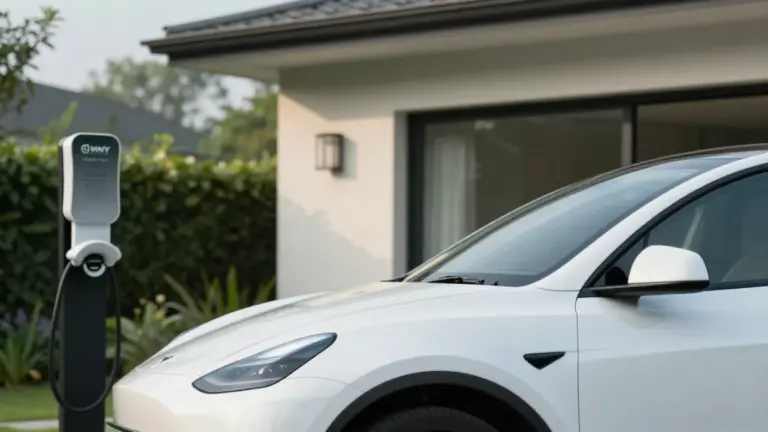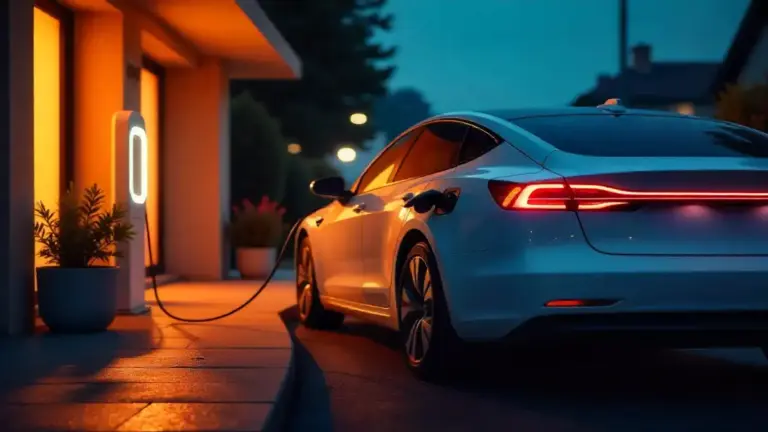
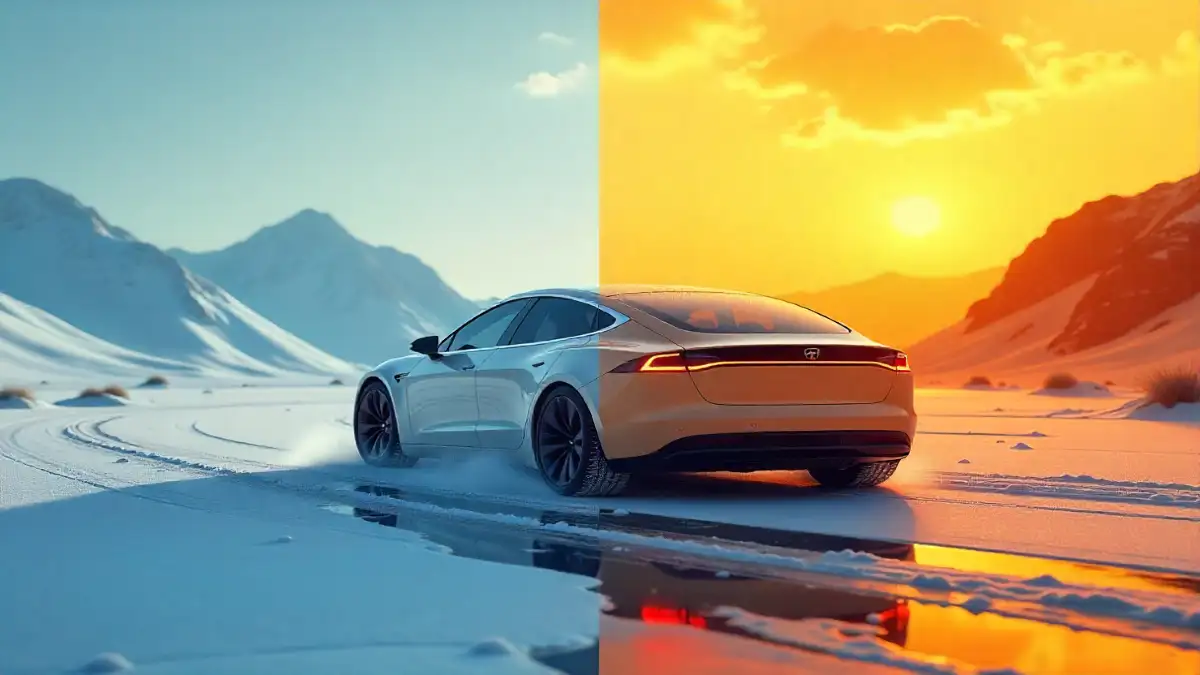
Picture this: You’re planning a weekend getaway in your electric car, but the temperature impact on electric car range quickly changes your plans. Winter cold or summer heat can cut your range unexpectedly, turning a smooth trip into a stressful one. Sound familiar?
If you’re an EV owner—or considering becoming one—you’ve probably heard whispers about how temperature affects electric cars. The truth is, it’s not just whispers; it’s a real phenomenon that every electric vehicle driver should understand. But here’s the good news: once you know what’s happening and why, you can easily adapt and keep enjoying the incredible benefits of electric driving, regardless of what Mother Nature throws at you.
Why Electric Cars Are Sensitive to Temperature
Let’s start with the heart of the matter—your EV’s battery pack. Think of it like a high-tech athlete that performs best within a specific comfort zone. Just as you might feel sluggish on an extremely hot day or need extra time to warm up on a freezing morning, lithium-ion batteries have their own temperature preferences.
The sweet spot for most EV batteries lies between 60°F and 80°F (15°C to 27°C). Within this range, the chemical reactions inside the battery cells happen efficiently, allowing electrons to flow smoothly and deliver consistent power. But venture outside this comfort zone, and things start to get interesting—and not always in a good way.
When temperatures drop below freezing, the electrolyte inside battery cells becomes more viscous, almost like honey getting thicker in the cold. This increased resistance means the battery has to work harder to deliver the same amount of power, directly translating to reduced range. On the flip side, excessive heat can accelerate chemical degradation within the cells, potentially shortening your battery’s lifespan over time.
But here’s what many people don’t realize: it’s not just the battery that’s affected. Your car’s heating and cooling systems become major energy consumers when fighting extreme temperatures, further impacting your available driving range.
Cold Weather: The Range Reducer
Winter can be particularly challenging for electric car owners, and I’m not talking about just a minor inconvenience. In freezing conditions, you might see your range drop by 20% to 40% compared to mild weather. That’s the difference between making it to your destination comfortably and having to stop for an unexpected charging session.
The cold affects your EV in several ways. First, the battery itself loses efficiency—those chemical reactions I mentioned earlier slow down significantly when it’s freezing outside. Second, your car’s heating system draws substantial power from the same battery that’s already struggling with the cold. Unlike gas cars that use waste heat from the engine, electric cars must generate heat specifically for the cabin, which means less energy available for driving.
Have you ever noticed how your smartphone battery drains faster in winter? The same principle applies to your car, just on a much larger scale. The good news is that modern EVs come with sophisticated thermal management systems designed to minimize these effects, but physics still has the final say.
Here’s a practical example: A Tesla Model 3 that typically delivers 300 miles of range in 70°F weather might only provide 200-240 miles when the temperature drops to 20°F, especially if you’re running the heater. That’s why seasoned EV drivers always plan for extra charging stops during winter road trips.
Hot Weather: The Silent Battery Killer
While cold weather gets most of the attention, excessive heat poses its own unique challenges for electric vehicles. Unlike cold weather‘s immediate impact on range, heat tends to be a more insidious problem, potentially causing long-term damage to your battery pack.
When temperatures soar above 95°F (35°C), especially if your car sits in direct sunlight, the battery cells can overheat. Modern EVs have cooling systems to prevent this, but running these systems requires energy—energy that could otherwise extend your driving range. You’ll notice your air conditioning working overtime, drawing power from the battery just like heating does in winter.
More concerning is heat’s effect on battery longevity. Consistently exposing your battery to high temperatures can accelerate chemical breakdown within the cells, leading to permanent capacity loss over time. Think of it like leaving your smartphone in a hot car—it might work fine initially, but repeated exposure can degrade the battery’s ability to hold a charge.
The range impact in hot weather is typically less dramatic than in cold conditions, usually around 10% to 20% reduction. However, the real concern is protecting your investment. A battery that degrades prematurely due to heat exposure could cost thousands of dollars to replace down the road.
Smart Strategies for Temperature Management
Now that we understand the challenges, let’s talk solutions. The beauty of electric cars is that they come with built-in intelligence to help manage these temperature effects, and there are several strategies you can employ to minimize the impact.
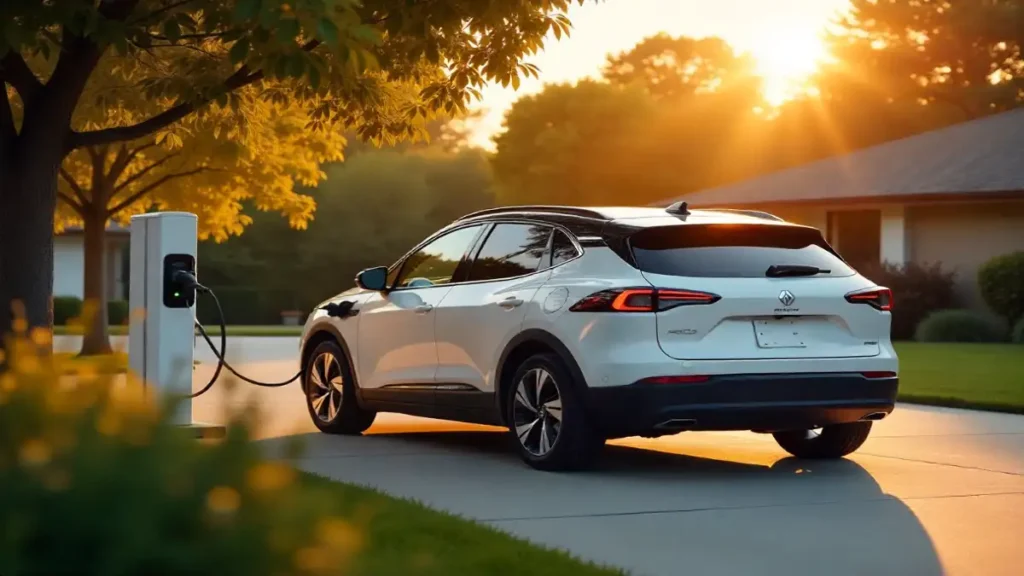
Preconditioning is your secret weapon. Most modern EVs allow you to warm up or cool down the car while it’s still plugged in at home. This means you start your journey with a comfortable cabin temperature and a battery that’s already at optimal operating temperature, all without using any of your driving energy. I recommend setting your car to precondition about 30 minutes before departure—it’s like giving your EV a perfect warm-up routine.
Parking strategically makes a huge difference. In winter, try to park in garages or covered areas when possible. In summer, seek shade or use sunshades to minimize heat buildup. If you’re lucky enough to have a garage, use it—your battery will thank you with better performance and longer life.
Plan your charging around temperature. Charging generates heat, which can be beneficial in cold weather but problematic when it’s already hot outside. In winter, charging immediately after driving while the battery is still warm can improve charging efficiency. In summer, try to charge during cooler evening or early morning hours when possible.
Practical Tips for Every Season
Let me share some real-world strategies that experienced EV drivers swear by. During winter months, dress warmly and use heated seats instead of cranking up the cabin heat—heated seats use significantly less energy than heating the entire cabin space. It’s like the difference between wearing a warm jacket versus heating your entire house.
For summer driving, consider using the car’s ventilation system instead of air conditioning when temperatures are moderate. Pre-cooling your car while plugged in means you can often maintain comfort with just the fan for the first part of your journey.
When planning longer trips in extreme weather, always build in extra charging time and consider more frequent stops. Most modern EVs and charging networks provide real-time range estimates that account for current weather conditions, so use these tools to your advantage.
Battery maintenance becomes even more critical in extreme temperatures. Keep your battery charge level between 20% and 80% for daily driving, and avoid leaving your car at very low or very high charge states for extended periods, especially in extreme temperatures.
The Technology is Getting Better
Here’s some encouraging news: EV technology continues to evolve rapidly, and manufacturers are getting much better at managing temperature effects. Newer models feature more sophisticated thermal management systems, improved battery chemistry, and better insulation.
Some manufacturers are experimenting with heat pumps instead of traditional resistive heating, which can improve winter efficiency by up to 30%. Others are developing batteries that perform better across wider temperature ranges or can pre-heat themselves more efficiently.
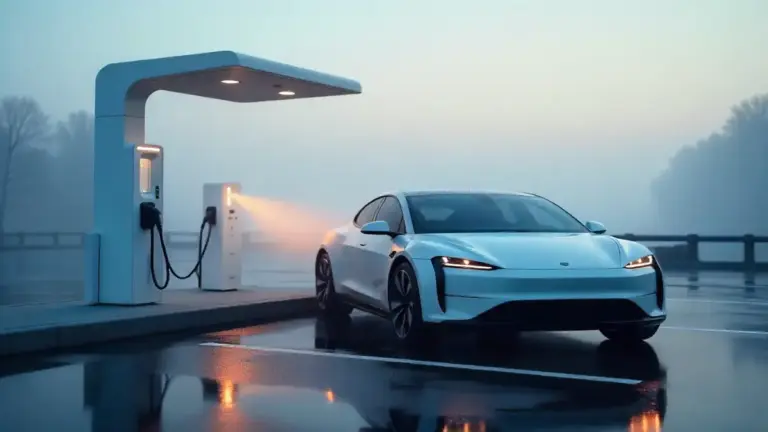
The charging infrastructure is also adapting, with many newer fast-charging stations located in climate-controlled environments or designed to optimize charging regardless of ambient temperature.
Embracing Electric Driving in Any Weather
Understanding how temperature affects your electric car isn’t about discouraging EV adoption—it’s about setting realistic expectations and helping you maximize your electric driving experience. Every technology has its considerations, and being informed makes you a smarter, more confident driver.
The key is planning and adaptation. Just as you might check the weather before choosing what to wear, checking conditions before an EV road trip becomes second nature. Most EV owners find that these considerations become routine within a few months, and the benefits of electric driving—lower operating costs, reduced emissions, and impressive performance—far outweigh the temperature-related challenges.
Remember, even with temperature effects, electric cars are still incredibly efficient and cost-effective to operate. A 20% reduction in winter range still often means lower per-mile costs compared to gasoline vehicles, especially with today’s fuel prices.
Temperature will always affect electric vehicles to some degree—it’s simple physics. But with proper understanding, planning, and the right strategies, you can confidently drive electric in any season. The future of transportation is electric, and that future includes hot summers and cold winters. The key is knowing how to work with your EV’s characteristics rather than against them.
Whether you’re already driving electric or still considering making the switch, understanding these temperature dynamics will help you make informed decisions and get the most out of your electric vehicle experience, regardless of what the thermometer says.
Roy K. Miller is an EV expert passionate about electric mobility, green technology, and the future of transportation. He helps readers and drivers make smarter choices while sharing insights and updates on the latest developments in the EV world.