You’ve probably heard the term “zero emission vehicle” tossed around in news articles, car commercials, and maybe even in conversations with your environmentally conscious neighbor. But what does it actually mean? Is it just another buzzword, or is there real substance behind it?
Here’s the thing: zero emission vehicles, or ZEVs as they’re commonly called, are reshaping the entire automotive industry. They’re influencing government policies, changing how we think about transportation, and potentially saving drivers thousands of dollars over time. Yet despite all the attention they’re getting, many people still aren’t entirely sure what makes a vehicle “zero emission” or why it matters so much.
Let’s clear up the confusion and dive into what zero emission vehicles really are, how they work, and why understanding them might be one of the smartest things you can do as we head into a rapidly changing automotive landscape.
What Exactly Is a Zero Emission Vehicle?
At its core, a zero emission vehicle is exactly what it sounds like: a vehicle that produces no exhaust emissions during operation. Notice that key phrase—”during operation.” This is important because it’s the defining characteristic that separates ZEVs from conventional vehicles.
When you’re driving a traditional gasoline or diesel car, your engine is constantly burning fuel and releasing carbon dioxide, nitrogen oxides, particulate matter, and other pollutants through the tailpipe. A ZEV? It doesn’t have a tailpipe at all, or if it does, nothing harmful comes out of it while you’re driving.
Now, you might be thinking, “Wait, what about the electricity used to charge these vehicles? Doesn’t that create emissions at the power plant?” You’re absolutely right to ask that question, and we’ll get to it. But according to the official definition used by regulators like the California Air Resources Board (which essentially created the ZEV category back in the 1990s), a zero emission vehicle specifically refers to what comes out of the vehicle itself during use—not the entire lifecycle or supply chain.
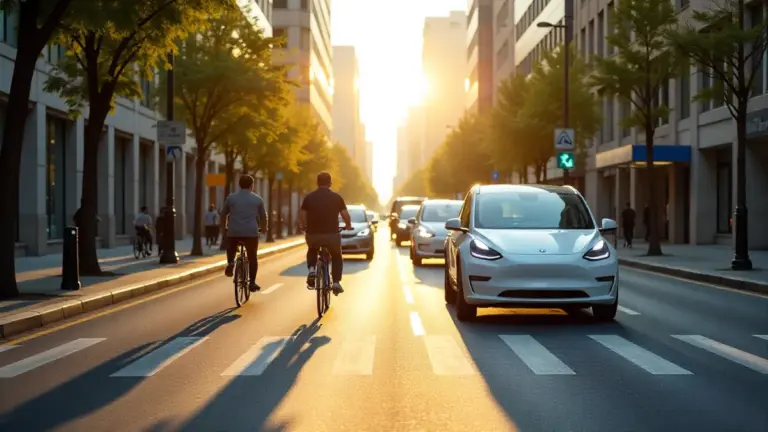
Think of it this way: when you’re sitting at a red light next to a ZEV, you’re not breathing in exhaust fumes from that vehicle. That’s the immediate, local air quality benefit that makes ZEVs so attractive, especially in densely populated urban areas where air pollution poses serious health risks.
The Main Types of Zero Emission Vehicles
Here’s where things get interesting. When most people hear “zero emission vehicle,” they immediately think of electric cars like Teslas or the Nissan Leaf. And yes, battery electric vehicles (BEVs) are absolutely ZEVs. But they’re not the only ones in the club.
Battery Electric Vehicles (BEVs)
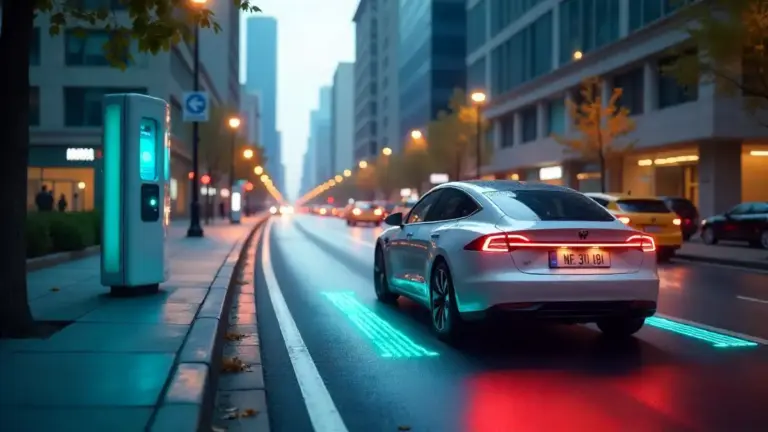
These are the most common and recognizable ZEVs on the road today. BEVs run entirely on electricity stored in rechargeable battery packs. You plug them into a charging station or your home outlet, the batteries fill up with energy, and that energy powers electric motors that turn the wheels. No combustion, no fuel tank, no exhaust system needed.
Popular examples include the Tesla Model 3, Chevrolet Bolt EV, Ford Mustang Mach-E, and Hyundai Ioniq 5. These vehicles have come a long way in recent years, with many now offering over 300 miles of range on a single charge and rapid charging capabilities that can add 200 miles of range in about 30 minutes.
Hydrogen Fuel Cell Electric Vehicles (FCEVs)
This is the category that surprises people. Hydrogen fuel cell vehicles are also classified as zero emission vehicles, even though they don’t plug in like battery electric cars. Instead, they carry compressed hydrogen gas in special tanks. Inside the vehicle, a fuel cell combines that hydrogen with oxygen from the air to produce electricity, which powers electric motors just like in a BEV.
The only thing that comes out of the tailpipe? Water vapor. That’s it. Literally just H₂O.
Models like the Toyota Mirai and Hyundai Nexo represent this technology today. While FCEVs are less common than BEVs (largely due to limited hydrogen refueling infrastructure), they offer some compelling advantages like faster refueling times—about five minutes to fill up, similar to a conventional gas car.
What About Plug-In Hybrids?
Here’s where we need to draw a clear line. Plug-in hybrid electric vehicles (PHEVs) can run on electricity for short distances, but they also have gasoline engines for longer trips. When that gasoline engine kicks in, they’re producing tailpipe emissions. So despite being partially electric and much cleaner than conventional cars, PHEVs are not considered zero emission vehicles under regulatory definitions.
Some people get confused about this, especially because PHEVs can be incredibly efficient and might go weeks without using their gas engines if you’re mostly doing short commutes. But the presence of that combustion engine disqualifies them from the ZEV category.
Why Governments Are Pushing Zero Emission Vehicles
You’ve probably noticed that governments around the world seem obsessed with ZEVs lately. California announced plans to ban the sale of new gasoline cars by 2035. The European Union set similar targets. Countries like Norway are even further ahead, with electric vehicles already making up the majority of new car sales.
What’s driving this urgency?
Air Quality and Public Health
This is the big one. Transportation is one of the largest sources of air pollution in urban areas, contributing to respiratory diseases, heart problems, and premature deaths. The American Lung Association has repeatedly highlighted how switching to zero emission vehicles could prevent thousands of premature deaths annually and reduce childhood asthma attacks.
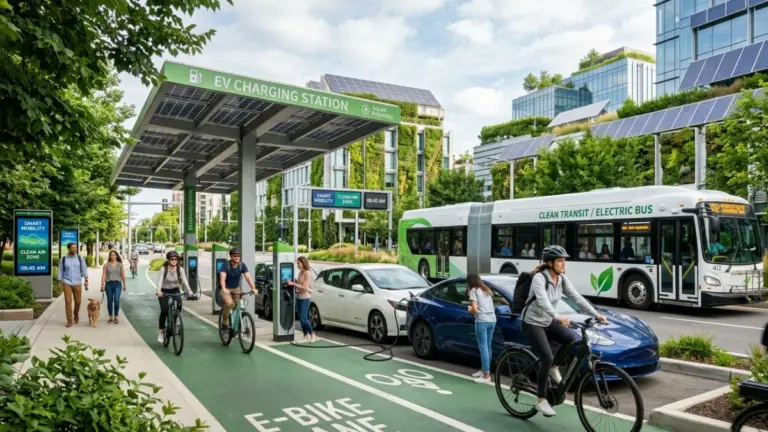
By promoting ZEVs, cities can dramatically improve local air quality. This isn’t theoretical—it’s already happening in places with high EV adoption rates. You’re literally removing the sources of pollution from streets, schools, and neighborhoods.
Climate Change Commitments
Transportation accounts for about 27% of greenhouse gas emissions in the United States alone, making it the largest contributor. To meet climate goals and limit global temperature rise, we need to decarbonize transportation. ZEVs are a crucial piece of that puzzle.
Even when you account for the emissions from electricity generation (yes, we’re getting to that), studies consistently show that electric vehicles produce significantly fewer lifecycle emissions than comparable gasoline vehicles—and that advantage grows as electrical grids incorporate more renewable energy.
Energy Independence
There’s also a strategic angle here. Countries that rely heavily on imported oil are vulnerable to price volatility and geopolitical tensions. By shifting to electricity and potentially hydrogen produced domestically, nations can increase their energy security. Your morning commute shouldn’t depend on what’s happening halfway around the world.
The “But What About…” Questions
Let’s address the elephants in the room, because these questions come up every single time ZEVs are discussed.
“Aren’t They Just Moving Emissions to Power Plants?”
This is probably the most common criticism. And look, there’s a kernel of truth here—if your electric vehicle is charged using electricity from a coal-fired power plant, yes, there are emissions associated with generating that electricity.
But here’s what the research shows: even in regions with relatively dirty electricity grids, BEVs still produce fewer lifecycle emissions than comparable gasoline vehicles. This is because electric powertrains are so much more efficient than internal combustion engines. An EV converts about 77% of the electrical energy from the grid to power at the wheels, while a conventional gasoline vehicle only converts about 12-30% of the energy stored in gasoline.
Plus, the grid is getting cleaner every year. As more solar, wind, and other renewable energy sources come online, the emissions associated with charging EVs drop automatically. Your gasoline car, on the other hand, will always burn gasoline no matter how the grid improves.
“What About Battery Mining and Manufacturing?”
Another fair question. Yes, producing lithium-ion batteries requires mining materials like lithium, cobalt, and nickel, and the manufacturing process is energy-intensive. These factors do create an environmental footprint.
However, multiple lifecycle analyses have found that even when accounting for battery production, EVs still come out ahead in terms of total emissions over the vehicle’s lifetime. Typically, an electric vehicle “pays back” the extra emissions from battery manufacturing within 1-3 years of driving, depending on the electricity grid mix. After that, it’s all climate benefit.
The industry is also rapidly improving. Battery recycling programs are expanding, mining practices are becoming more responsible, and researchers are developing new battery chemistries that use more abundant, less problematic materials.
“They’re Too Expensive for Regular People”
This used to be true, but the landscape is changing fast. Yes, many ZEVs still carry higher upfront costs than comparable gasoline vehicles, though that gap is shrinking as battery prices fall. But here’s what changes the equation: operating costs.
Electricity is significantly cheaper than gasoline per mile traveled. Depending on where you live and your electricity rates, you might spend the equivalent of $1 per gallon to “fuel” your EV. Maintenance costs are also dramatically lower—no oil changes, no transmission fluid, no spark plugs, and brake systems that last much longer thanks to regenerative braking.
When you factor in lower fuel costs, reduced maintenance, and available federal and state incentives (which can be substantial), the total cost of ownership for many ZEVs is already competitive with or lower than gasoline vehicles over a 5-7 year ownership period.
How ZEV Mandates Actually Work
If you’ve heard about ZEV mandates or requirements, you might be wondering what they actually mean. Are governments really going to ban your gasoline car? Will you be forced to buy an electric vehicle?
Let’s clarify: ZEV mandates typically work in one of two ways.
ZEV Sales Requirements: Some states require automakers to ensure that a certain percentage of their new vehicle sales are zero emission vehicles. California’s ZEV program, which has been adopted by several other states, works this way. It doesn’t tell you what you can buy—it tells manufacturers what they must offer. If they don’t meet the targets, they face penalties or must buy credits from manufacturers that exceed their requirements.
Future Combustion Engine Bans: These are announcements that set a future date after which new gasoline and diesel vehicles can no longer be sold. California’s 2035 target is this type of policy. But notice the key words: “new” and “sold.” Existing gasoline vehicles remain perfectly legal to own and drive. You’re not being forced to give up your current car.
These policies are designed to accelerate the transition and give manufacturers clear timelines to work toward. The idea is that by setting ambitious targets, you create market certainty that drives investment in ZEV technology, charging infrastructure, and competitive pricing.
What This Means for You
So how does all this ZEV talk affect your life? Should you be thinking about a zero emission vehicle for your next car?
The honest answer: it depends on your specific situation. But the window for seriously considering a ZEV is definitely opening wider.
You might be ready for a ZEV if:
- You have access to home charging (a standard 240V outlet in your garage can add 25-30 miles of range overnight)
- Your daily driving is typically under 200 miles (which covers the vast majority of Americans)
- You have access to public charging for occasional longer trips
- You’re motivated by lower operating costs and reduced environmental impact
- You live in an area with ZEV incentives that make the economics favorable
You might want to wait if:
- You frequently take very long road trips and don’t have patience for charging stops
- You live in an apartment without charging access (though this is changing as more buildings add EV charging)
- You need a specific vehicle type that doesn’t yet have good ZEV options (though choices are expanding rapidly)
- You’re on an extremely tight budget and can’t benefit from incentives
The key thing to understand is that this isn’t a fad. Zero emission vehicles represent a fundamental shift in how transportation works, driven by environmental necessity, improving technology, and increasingly favorable economics. Whether you buy a ZEV next year or five years from now, they’re becoming a normal, mainstream option rather than an exotic choice.
The Road Ahead
The zero emission vehicle revolution isn’t coming—it’s already here. Major automakers have announced plans to transition their entire lineups to electric vehicles over the next 10-15 years. Charging infrastructure is expanding rapidly. Battery technology keeps improving, pushing ranges higher and costs lower.
Understanding what zero emission vehicles actually are—vehicles that produce no tailpipe emissions during operation, including both battery electric and hydrogen fuel cell vehicles—helps you navigate the changing automotive landscape with confidence. It’s not about being an early adopter or an environmental crusader (though those are fine motivations too). It’s about recognizing a technology transition that’s reshaping a trillion-dollar industry.
The next time someone mentions zero emission vehicles, you’ll know exactly what they’re talking about. You’ll understand why they matter, how they work, and what role they might play in your transportation future. And that knowledge? That’s power in a world where the definition of “car” is evolving before our eyes.
Whether you’re ready to make the switch today or you’re just staying informed for when the time is right, one thing is certain: zero emission vehicles are redefining what we expect from our cars. No exhaust fumes, lower operating costs, impressive performance, and the satisfaction of knowing your commute isn’t contributing to the smog hanging over your city. That’s not just marketing hype—that’s the reality of ZEVs in 2024 and beyond.
The question isn’t really whether zero emission vehicles will become mainstream. The question is: when will your driveway be home to one?