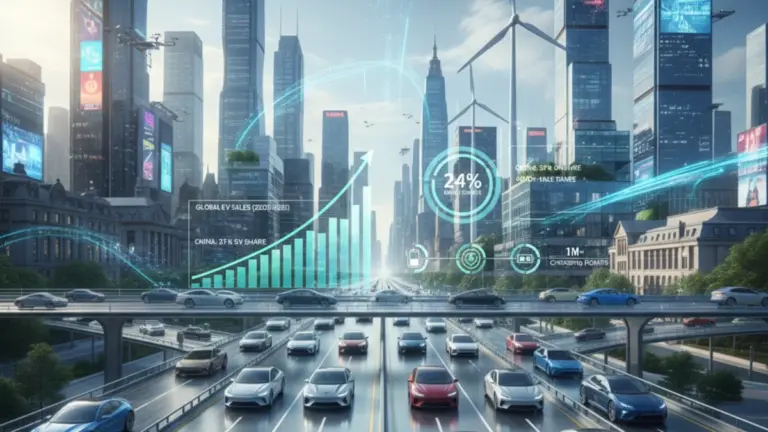
Did you know that over 2 million electric vehicles were sold worldwide in 2022, marking a significant shift towards sustainable transportation? As you’re exploring the world of EVs, you’re probably wondering how they work and what makes them tick. Electric cars are becoming increasingly popular, and for good reason.

You’re taking the first step towards understanding the definitions of electric vehicle (ev) and their benefits. In this guide, we’ll walk you through the basics of EVs, including their key components like electric motors and battery systems. By the end of this guide, you’ll be well-equipped to make an informed decision about whether an EV is right for you.
What is an Electric Vehicle (EV)? (Definition and Key Components)
You’re probably curious about electric vehicles (EVs) and how they work, given their growing popularity. An electric vehicle (EV) is a vehicle that is powered by one or more electric motors, using electrical energy stored in batteries or other energy storage devices.
EVs differ significantly from conventional vehicles, which are powered by internal combustion engines. The key difference lies in their powertrain and energy source. While conventional vehicles rely on gasoline or diesel, EVs run on electricity, offering a cleaner and more environmentally friendly alternative.
How EVs Differ from Conventional Vehicles
The primary distinction between EVs and conventional vehicles is their energy source and propulsion system. EVs are equipped with electric motors and battery systems, which provide several benefits, including reduced greenhouse gas emissions and lower operating costs.
The Evolution of Electric Vehicles
The evolution of EVs has been rapid, with significant advancements in technology leading to more efficient and powerful electric motors and battery systems. Over the years, EVs have become more accessible and practical for everyday use, with many manufacturers offering a range of models to suit different needs.
Understanding the Core Components of EVs
Understanding the inner workings of EVs requires a look at their core components. To appreciate the technology behind Electric Vehicles (EVs), it’s essential to understand the key elements that make them functional.
Electric Motors: The Heart of an EV
The electric motor is a crucial component of an EV, responsible for converting electrical energy into mechanical energy to propel the vehicle. Electric motors are highly efficient and provide instant torque, making EVs responsive and smooth to drive.
AC vs. DC Motors in Electric Vehicles
There are two primary types of electric motors used in EVs: AC (Alternating Current) and DC (Direct Current) motors. AC motors are more common in modern EVs due to their higher efficiency and reliability. They are also more cost-effective in the long run.
- AC motors offer higher efficiency and better performance. As a result, they are more common in modern EVs..
- DC motors are simpler and less expensive but less efficient.
Battery Systems: Power Storage and Management
The battery system is another vital component of an EV, responsible for storing electrical energy to power the motor. Advances in battery technology have significantly improved the range and efficiency of EVs.
Lithium-ion vs. Other Battery Technologies
Lithium-ion batteries are the most common type used in EVs due to their high energy density and relatively long lifespan. Other battery technologies, such as nickel-metal hydride, are also used but are less common.
| Battery Type | Energy Density | Lifespan |
|---|---|---|
| Lithium-ion | High | Long |
| Nickel-metal hydride | Medium | Medium |
Regenerative Braking Systems
Regenerative braking is a technology that captures some of the kinetic energy that would be lost as heat during braking and converts it back into electrical energy, which is then stored in the battery. This process significantly improves the overall efficiency of EVs.
- Regenerative braking enhances energy efficiency.
- It also reduces wear on brake pads.
Types of Electric Vehicles You Should Know
Electric Vehicles come in several types, catering to diverse driving needs and preferences. As you’re learning about EVs, it’s essential to understand the different types available, each with its unique characteristics and benefits.
Battery Electric Vehicles (BEVs)
Battery Electric Vehicles, or BEVs, run solely on electric power stored in their batteries. They don’t have a gasoline engine and are charged via an electrical outlet or charging station. BEVs are known for their zero tailpipe emissions, making them an environmentally friendly option. They offer a smooth, quiet ride and are ideal for those who have a relatively short commute or can charge their vehicle at home.
“BEVs represent a significant step towards reducing our reliance on fossil fuels,” says an expert in the field of sustainable energy. “Their adoption is a crucial part of creating a cleaner, more sustainable transportation system.”
Plug-in Hybrid Electric Vehicles (PHEVs)
Plug-in Hybrid Electric Vehicles, or PHEVs, combine electric and gasoline power. They have a battery that can be charged from an external power source and a gasoline engine that kicks in when the battery is depleted. PHEVs offer the flexibility of using electric power for shorter trips and gasoline power for longer journeys. This makes them an attractive option for those who need the assurance of having a gasoline engine for longer trips but still want to reduce their carbon footprint.
Hybrid Electric Vehicles (HEVs)
Hybrid Electric Vehicles, or HEVs, use a combination of electric and gasoline power but can’t be plugged into an electrical outlet to charge. Instead, the battery is charged through regenerative braking and by the engine. HEVs are designed to optimize fuel efficiency and reduce emissions. They are a good choice for those who want to improve their fuel economy without the need to plug in their vehicle.
Fuel Cell Electric Vehicles (FCEVs)
Fuel Cell Electric Vehicles, or FCEVs, use hydrogen to generate electricity, which powers the vehicle. The only byproduct of this process is water vapor and heat, making FCEVs another zero-emission option. FCEVs are refueled with hydrogen at specialized stations, and they offer a promising alternative for regions where hydrogen infrastructure is developing.
Understanding the different types of Electric Vehicles will help you determine which one is right for you, based on your driving habits and needs. Whether you prioritize electric vehicle (ev) range, electric vehicle (ev) efficiency, or flexibility, there’s an EV that’s suited to your lifestyle.
How to Charge Your Electric Vehicle
Charging your electric vehicle (EV) is a crucial aspect of owning one, and understanding the different charging options is key to a seamless experience. As you navigate the world of EV charging, you’ll become more confident in your ability to keep your vehicle powered up and ready to go.
Understanding Charging Levels
There are three main levels of EV charging: Level 1, Level 2, and DC Fast Charging (Level 3). Each level has its own unique characteristics and benefits.
Level 1 Charging (120V)
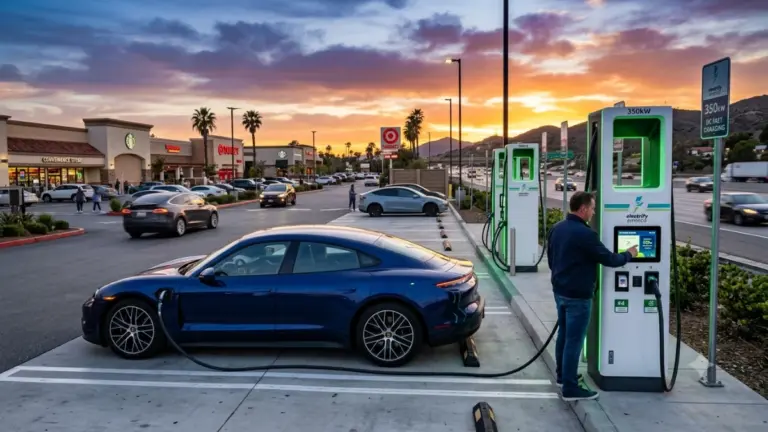
Level 1 charging uses a standard 120-volt household outlet and is the most basic form of EV charging. It’s convenient for overnight charging at home but is relatively slow, typically providing 2-5 miles of range per hour of charging.
Level 2 Charging (240V)
Level 2 charging requires a 240-volt charging station, which can be installed at home or found at public charging stations. It’s significantly faster than Level 1, offering 10-25 miles of range per hour of charging.
DC Fast Charging (Level 3)
DC Fast Charging is the fastest charging option, capable of providing up to 80% charge in under 30 minutes. However, it requires specialized equipment and is typically found at public charging stations along highways.
Home Charging Solutions
Home charging is a convenient option for many EV owners. You can install a Level 2 charging station at your residence, which can be charged using a dedicated 240-volt circuit. Some popular home charging solutions include:
- Wall-mounted chargers: Compact and easy to install.
- Portable chargers: Can be taken on the go or used at home.
Public Charging Networks in the US
Public charging networks are expanding rapidly across the US, making long-distance EV travel more practical. Some of the major public charging networks include:
- ChargePoint: One of the largest EV charging networks.
- EVgo: Known for its fast charging capabilities.
- Tesla Supercharger: Exclusive to Tesla vehicles.
Finding Charging Stations Near You
To find charging stations near you, you can use online resources or mobile apps such as:
- PlugShare: A popular app for finding EV charging stations.
- ChargeHub: Offers a comprehensive map of charging stations.
By understanding the different charging levels and options available, you can make the most of your EV ownership experience.
Maximizing Your EV’s Range and Efficiency
Maximizing your EV’s range and efficiency requires a combination of smart driving habits and knowledge of your vehicle’s capabilities. To enjoy a more comfortable and cost-effective driving experience, it’s essential to understand the factors that affect your EV’s performance.
Factors Affecting EV Range
Several factors can influence your EV’s range, including how you drive and the conditions you’re driving in. Understanding these factors can help you make the most out of your vehicle’s battery.
Speed and Driving Conditions
Driving at high speeds can significantly reduce your EV’s range. Maintaining a moderate speed, typically between 40-60 mph, can help optimize your vehicle’s efficiency. Additionally, driving conditions such as hilly or mountainous terrain can also impact your EV’s range due to the increased demand on the battery.
Climate Control Usage
Using climate control systems like heating or air conditioning can drain your battery faster. Preconditioning your vehicle’s cabin while it’s still charging can help minimize the impact on your range. You can also use features like seat heaters or steering wheel heaters, which consume less energy than full climate control.
Driving Techniques to Extend Battery Life
Adopting smart driving techniques can significantly extend your EV’s battery life. Smooth acceleration and braking are key, as sudden movements can strain the battery. Utilizing regenerative braking can also help recharge your battery, especially in stop-and-go traffic.
- Maintain a safe following distance to avoid sudden stops.
- Use regenerative braking to your advantage.
- Keep your vehicle well-maintained, including proper tire pressure.
Seasonal Considerations for EV Owners
Different seasons present unique challenges for EV owners. In cold weather, batteries can be less efficient, reducing range. Conversely, hot weather can also impact your EV’s performance, especially if you’re using air conditioning frequently. Being aware of these seasonal variations can help you plan your charging and driving habits accordingly.
By understanding the factors that affect your EV’s range and adopting smart driving techniques, you can maximize your vehicle’s efficiency and enjoy a more sustainable driving experience.
Conclusion: Is an Electric Vehicle Right for You?
Now that you’ve explored the world of electric vehicles (EVs), you should have a solid grasp of their definitions, key components, and the various types available, including battery electric vehicles and plug-in hybrid electric vehicles.
As you consider making the switch to an electric car, think about your driving habits and needs. EVs offer numerous benefits, from reduced environmental impact to lower operating costs. Understanding the key components of electric vehicles, such as electric motors and battery systems, can help you make an informed decision.
With the knowledge gained from this guide, you’re well-equipped to determine whether an EV aligns with your lifestyle and preferences. You can now confidently explore the different models, charging options, and tips for maximizing range and efficiency. Take the next step and discover the advantages of driving an electric vehicle.
FAQ
What is an Electric Vehicle (EV)?
An Electric Vehicle (EV) is a vehicle powered by one or more electric motors, using electrical energy stored in batteries or other energy storage devices.
How do Electric Vehicles (EVs) differ from conventional vehicles?
EVs differ from conventional vehicles. In contrast, conventional cars are powered by internal combustion engines, as they use electric motors and battery systems to propel the vehicle.
What are the key components of an Electric Vehicle (EV)?
The key components of an EV include the electric motor, battery system, and regenerative braking system, which work together to provide efficient and reliable operation.
What types of Electric Vehicles (EVs) are available?
There are several types of EVs, including Battery Electric Vehicles (BEVs), Plug-in Hybrid Electric Vehicles (PHEVs), Hybrid Electric Vehicles (HEVs), and Fuel Cell Electric Vehicles (FCEVs), each with its unique characteristics and benefits.
How do I charge my Electric Vehicle (EV)?
You can charge your EV using Level1 (120V), Level2 (240V), or DC Fast Charging (Level3) charging solutions, which can be found at home or at public charging stations.
What factors affect the range of my Electric Vehicle (EV)?
Factors such as speed, driving conditions, and climate control usage can affect the range of your EV, and adopting smart driving techniques can help optimize energy efficiency.
How can I maximize my Electric Vehicle’s (EV’s) range and efficiency?
By understanding the factors that affect your EV’s range and adopting smart driving techniques, you can maximize your EV’s range and efficiency, and enjoy a more comfortable and cost-effective driving experience.
What is regenerative braking in Electric Vehicles (EVs)?
Regenerative braking is a system used in EVs to capture kinetic energy and convert it into electrical energy, which is then stored in the battery, helping to optimize energy efficiency.
What are the benefits of Lithium-ion batteries in Electric Vehicles (EVs)?
Lithium-ion batteries are widely used in EVs due to their high energy density, long cycle life, and relatively low self-discharge rate, making them a reliable and efficient choice for EV battery systems.