You might be surprised to know that over 2 million electric vehicles (EVs) were sold worldwide in 2020, marking a significant shift towards more sustainable transportation options.
As you consider your next vehicle purchase, you might be wondering what’s driving this trend. The answer lies in the environmental benefits and economic advantages that EVs offer. By switching to an EV, you’re not only reducing your carbon footprint but also saving on fuel costs and enjoying lower maintenance expenses.

With the growing awareness of climate change and the need to reduce greenhouse gas emissions, EVs are becoming an attractive option for those looking to make a positive impact on the environment while also benefiting from economic savings.
The EV Revolution: What You Need to Know
As you explore the rapidly evolving world of transportation, it’s clear that electric vehicles (EVs) are gaining significant traction. The US market is experiencing a notable shift towards EVs, driven by a combination of factors.
Current EV Adoption Statistics in the US
Recent data indicates a substantial increase in EV adoption across the United States. According to the US Department of Energy, EV sales have seen a significant rise over the past few years. To illustrate this growth, consider the following statistics:
| Year | EV Sales | Growth Rate |
|---|---|---|
| 2020 | 231,000 | 10% |
| 2021 | 607,000 | 163% |
| 2022 | 990,000 | 63% |
These numbers demonstrate a clear upward trend in EV adoption, with sales more than quadrupling over the three-year period.
The Driving Forces Behind Electric Vehicle Growth
So, what’s driving this growth? Several key factors are contributing to the increasing popularity of EVs. As noted by the International Energy Agency (IEA), “the decreasing cost of batteries, government incentives, and growing environmental awareness are among the top drivers.”
“The future of transportation is electric, and we’re seeing a significant shift in consumer behavior towards more sustainable options.”
Other driving forces include advancements in technology, expanded charging infrastructure, and a wider range of EV models available in the market. As you consider joining the EV revolution, understanding these factors can help you make an informed decision.
Why Are EVs Gaining Popularity? Environmental and Economic Benefits
As you explore the world of electric vehicles (EVs), you might wonder what’s driving their increasing popularity. The answer lies in a combination of factors, including technological advancements, policy changes, and shifting consumer perceptions.
How Technology Advancements Are Making EVs More Accessible
One significant factor is the rapid progress in technology, making EVs more appealing and accessible. Improvements in battery life and reductions in charging times have alleviated range anxiety, a common concern among potential buyers. Moreover, the development of more efficient electric motors has enhanced overall vehicle performance.
As technology continues to evolve, the cost of producing EVs is decreasing, making them more competitive with their gasoline-powered counterparts. This shift is crucial in driving adoption, as you’re more likely to consider an EV when it’s priced similarly to or even lower than traditional vehicles.
Understanding Policy Changes That Favor Electric Vehicles
Governments worldwide are implementing policies to encourage the adoption of EVs, recognizing their environmental benefits. Incentives such as tax credits, rebates, and exemptions from certain fees are making EVs more attractive. For instance, in the United States, there’s a federal tax credit available for purchasing eligible EVs, which can significantly reduce your upfront costs.
The Role of Rising Consumer Awareness
As concern for the environment grows, so does awareness about the benefits of sustainable transportation. You’re likely more informed than ever about the impact of your transportation choices on the planet. This increased awareness is driving demand for EVs, as more people seek to reduce their carbon footprint.
The combination of technological advancements, supportive policies, and rising consumer awareness is propelling the popularity of EVs. As you consider your next vehicle, understanding these factors can help you make an informed decision that aligns with your values and needs.
How Switching to Electric Vehicles Helps the Environment
By switching to electric vehicles, you’re not just changing your mode of transportation, you’re contributing to a cleaner environment. The impact of this switch is multifaceted, ranging from reducing your carbon footprint to supporting the integration of renewable energy sources.
Calculating Your Reduced Carbon Footprint with an EV
One of the most significant environmental benefits of electric vehicles is the reduction in greenhouse gas emissions. To understand your potential impact, let’s compare the emissions of electric vehicles versus gas vehicles.
Comparing Emissions: EVs vs. Gas Vehicles
| Vehicle Type | CO2 Emissions per Mile |
|---|---|
| Electric Vehicle | 0 grams |
| Gasoline Vehicle | 404 grams |
As shown in the table, electric vehicles produce zero tailpipe emissions, significantly reducing your carbon footprint.
Additional Environmental Benefits You’ll Contribute To
Beyond reducing emissions, switching to an electric vehicle also helps in decreasing noise pollution and supporting renewable energy integration.
Decreasing Noise Pollution in Your Community
Electric vehicles operate much more quietly than traditional gasoline-powered vehicles, contributing to a decrease in noise pollution. This can lead to a more pleasant living environment, especially in urban areas.
Supporting Renewable Energy Integration
“As the grid becomes increasingly powered by renewable energy sources, the overall emissions associated with charging electric vehicles will continue to decrease.”
By driving an electric vehicle, you’re supporting the demand for clean energy and encouraging further investment in renewable energy sources.
Making the switch to an electric vehicle is a proactive step towards a cleaner, healthier environment. As you consider your transportation options, remember the positive impact that electric vehicles can have.
Economic Advantages That Make EVs a Smart Investment
Beyond the environmental benefits, EVs also provide a compelling economic case for those considering a new vehicle. As you weigh the pros and cons of electric versus traditional gasoline-powered cars, understanding the economic advantages can help make your decision clearer.
How to Calculate Your Long-term EV Savings
One of the most significant economic benefits of EVs is the potential for long-term savings. To understand how much you can save, it’s essential to consider both fuel and maintenance costs.
Fuel vs. Electricity Cost Comparison Tool
Using a fuel vs. electricity cost comparison tool can give you a clear picture of your potential savings. On average, charging an EV costs significantly less than fueling a gasoline-powered car. For instance, the cost of electricity to travel 100 miles is approximately $3 to $5, whereas gasoline can cost around $12 to $15 for the same distance.
EVs also offer savings on maintenance. With fewer moving parts than traditional vehicles, EVs tend to require less maintenance over time. This means you can save on repairs and replacements, further adding to your overall savings.
Maximizing Available Tax Incentives and Rebates
In addition to direct savings on fuel and maintenance, many governments offer incentives for purchasing an EV. Understanding these can help you maximize your savings.
Federal EV Tax Credits You Can Claim
In the United States, for example, there’s a federal EV tax credit that can significantly reduce your tax liability. The amount can vary based on the vehicle and manufacturer, so it’s worth checking the current credits available.
State-Specific Incentives in Your Area
Besides federal credits, many states offer their own incentives, such as rebates, exemptions from certain fees, or access to HOV lanes. Researching these state-specific incentives can provide additional savings.
By considering both the direct savings on fuel and maintenance, and the available tax incentives, you can get a comprehensive view of the economic advantages of switching to an EV. This makes EVs not just an environmentally friendly choice but also a smart economic investment.
How to Overcome Common EV Adoption Concerns
The thought of switching to an electric vehicle (EV) is exciting, yet concerns about range and charging infrastructure might be holding you back. As you consider making the switch, understanding the practical solutions to these common issues can make a significant difference.
Practical Solutions for Range Anxiety
Range anxiety is a common concern for many potential EV adopters. However, most modern EVs offer a range of over 200 miles on a single charge, with some models offering up to 500 miles or more. To alleviate range anxiety, you can:
- Plan your routes around charging stations
- Use online resources or apps to find charging points along your route
- Consider an EV with a longer range if you frequently take long trips
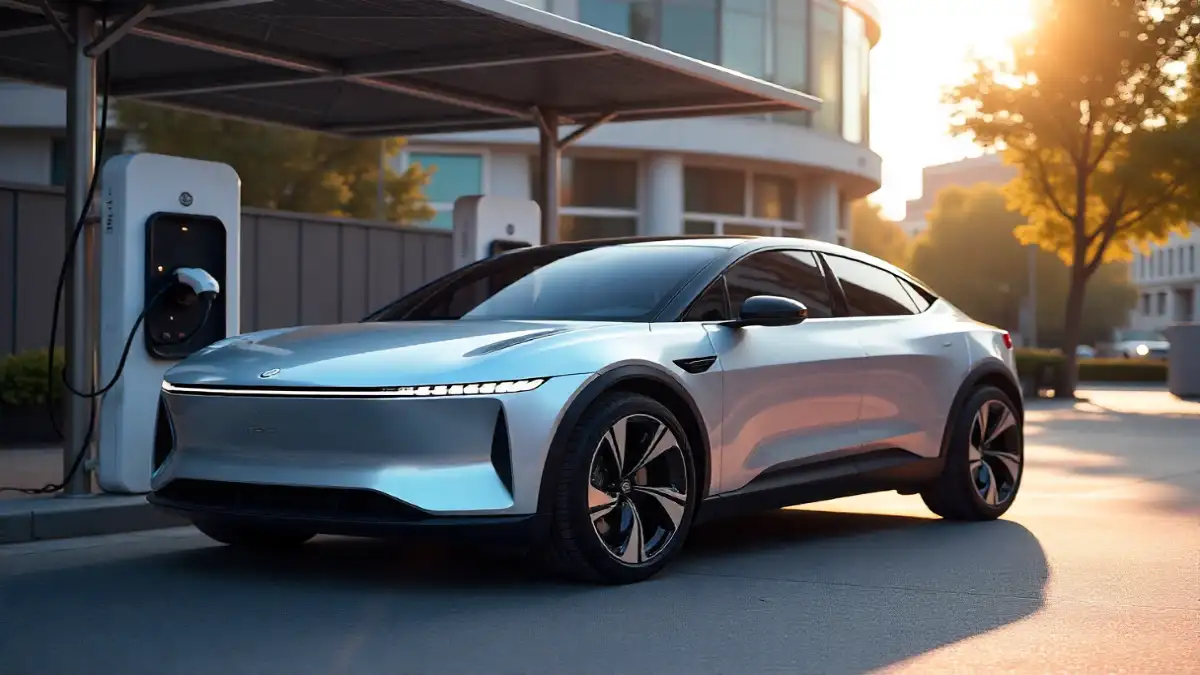
Finding and Using Charging Infrastructure Near You
Finding charging infrastructure is easier than ever, with many public charging stations available across the US. You can use online maps or apps to locate charging points near you or along your usual routes. Many shopping centers, restaurants, and hotels also offer charging facilities, making it convenient to charge your EV while you’re out.
Steps to Evaluate if an EV Fits Your Lifestyle
To determine if an EV is right for you, consider the following steps:
Daily Commute Assessment
Evaluate your daily commute distance and check if an EV can handle it. Most EVs can cover typical daily commutes without needing a recharge.
Home Charging Feasibility Check
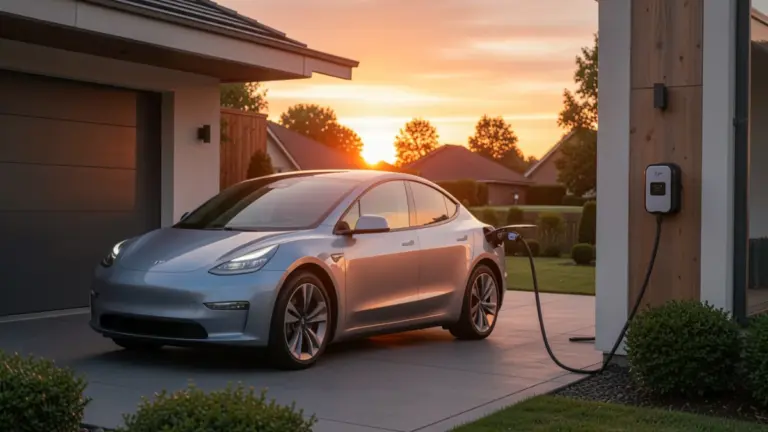
Assess whether you can install a home charging station. Having a dedicated charging point at home can make owning an EV much more convenient.
By addressing these common concerns and evaluating your lifestyle, you can make an informed decision about adopting an electric vehicle. With the continued growth in electric vehicle growth and improving ev adoption trends, now is a great time to consider joining the EV revolution.
Conclusion: Your Roadmap to Joining the Electric Revolution
As you’ve seen, electric vehicles (EVs) are gaining popularity due to their environmental and economic benefits. By understanding the driving forces behind EV growth, you can make an informed decision about switching to sustainable transportation.
You can start by evaluating your current driving habits and assessing whether an EV fits your lifestyle. With the availability of charging infrastructure improving, range anxiety is becoming less of a concern. You can explore available tax incentives and rebates to maximize your long-term EV savings.
Joining the electric revolution is a step towards a more sustainable future. By choosing EVs, you’re contributing to reduced carbon emissions and promoting eco-friendly transportation. Take the first step today and explore the world of electric vehicles.
FAQ
What are the main reasons behind the growing popularity of electric vehicles?
The main reasons include their environmental benefits, such as reducing carbon footprint and decreasing noise pollution, as well as economic advantages like long-term savings on fuel and maintenance, and available tax incentives.
How do electric vehicles contribute to a cleaner environment?
Electric vehicles produce zero tailpipe emissions, reducing greenhouse gas emissions and air pollution in urban areas. By switching to an EV, you’re contributing to a cleaner environment and supporting the integration of renewable energy sources.
What are the cost savings associated with owning an electric vehicle?
Owning an EV can save you money on fuel costs, as electricity is generally cheaper than gasoline. Additionally, EVs require less maintenance than traditional gas-powered vehicles, reducing maintenance costs over time.
How can I find charging infrastructure near me?
You can use online resources or mobile apps to locate charging stations near your home, workplace, or along your usual routes. Many EV manufacturers also provide tools to help you find charging infrastructure.
Are there any government incentives available for purchasing an electric vehicle?
Yes, there are federal EV tax credits available, as well as state-specific incentives that can help offset the cost of purchasing an EV. You can check with your local government to see what incentives are available in your area.
How do I know if an electric vehicle is right for my lifestyle?
To determine if an EV is a good fit, assess your daily commute, consider your driving habits, and evaluate the feasibility of home charging. You can also research different EV models to find one that meets your needs.