Picture this: you’ve just brought home your shiny new electric car, and you’re already dreaming about those fuel savings. Utility company electric car incentives can make your EV ownership even more affordable, offering rebates, special rates, and installation credits you might not know about.
Most people think about federal tax credits and state rebates when buying an electric vehicle, but there’s a treasure trove of utility company incentives hiding in plain sight. These programs can slash hundreds or even thousands of dollars off your EV charging setup, reduce your electricity bills, and sometimes even put cash directly back in your pocket. Let’s dive into this often-overlooked goldmine of savings.
Why Utility Companies Want You to Drive Electric
Before we explore the incentives, you might wonder: why are utility companies so eager to help you switch to electric? It’s actually a brilliant strategy that benefits everyone involved.
Electric vehicles create new electricity demand, which is exactly what utility companies need to justify their infrastructure investments and maintain steady revenue. But here’s the clever part – EVs typically charge at night when electricity demand is lowest. This means utilities can sell more power without building expensive new power plants or upgrading their grid significantly.
Think of it like a hotel offering discounts for guests who check in during slow periods. Your utility company would rather have you charging your car at 2 AM when their power plants are running anyway, rather than letting that electricity generation capacity sit idle. It’s a win-win situation: you get cheaper, cleaner transportation, and they get a more stable customer base.
Home Charging Station Rebates: Your Biggest Opportunity
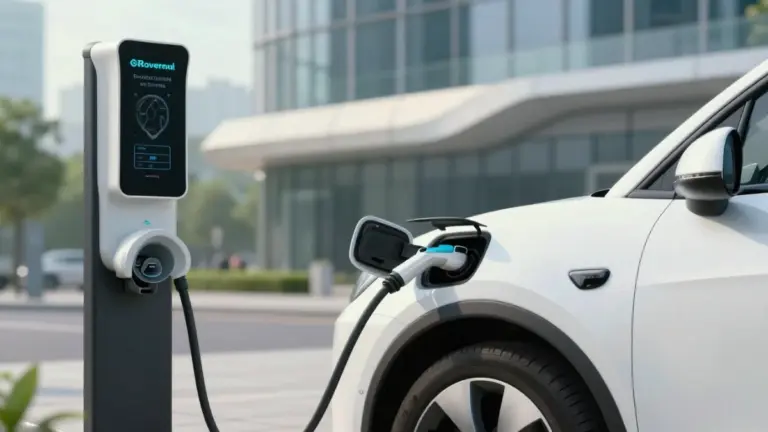
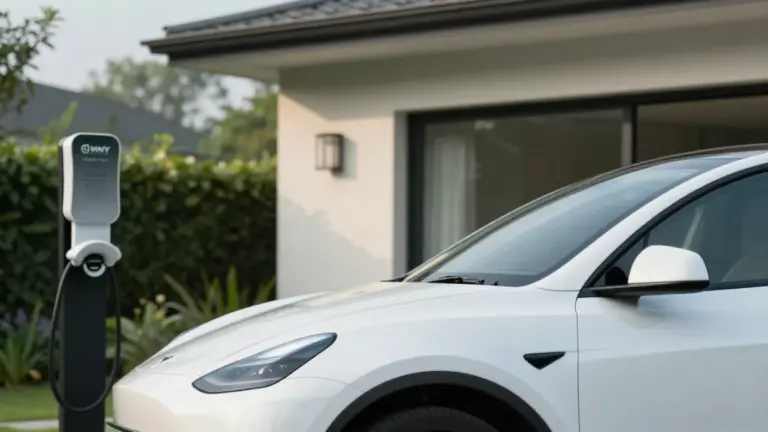
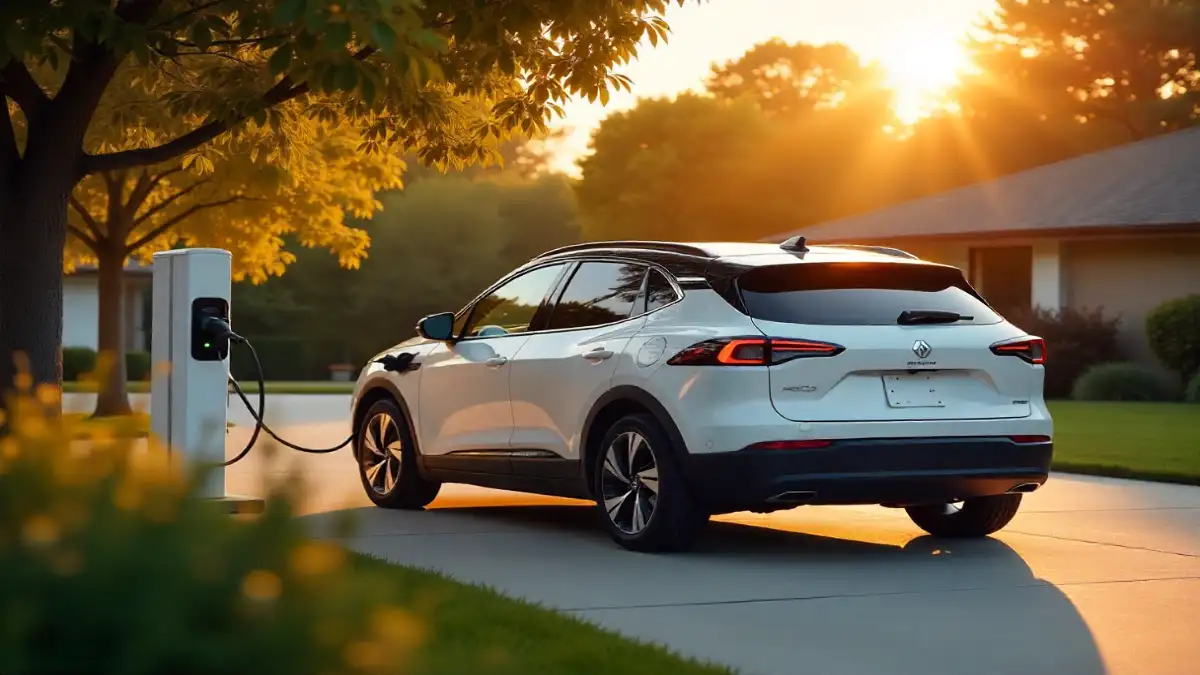
The most substantial utility incentives usually focus on home charging station installation – and for good reason. Installing a Level 2 home charger (the 240-volt kind that charges your car overnight) typically costs between $500 and $2,000, depending on your home’s electrical setup.
Many utility companies offer rebates covering 50% to 100% of installation costs, with some programs providing flat rebates of $500 to $1,500. For example, Pacific Gas & Electric in California offers up to $800 for charging station installation, while Con Edison in New York provides rebates up to $1,000 for residential customers.
Here’s what typically qualifies for these rebates:
- Purchase and installation of a qualified Level 2 charging station
- Electrical upgrades needed to support the charger
- Professional installation by a licensed electrician
- Meeting specific safety and efficiency standards
The application process usually involves submitting receipts, proof of EV ownership, and sometimes a simple inspection. Most utility companies make this surprisingly straightforward – they want you to succeed because your success means their success.
Time-of-Use Rate Programs: Ongoing Savings
Beyond installation rebates, many utilities offer special electricity rates for EV owners that can significantly reduce your ongoing charging costs. These time-of-use (TOU) programs charge different rates depending on when you use electricity.
A typical TOU rate structure might look like this:
- Peak hours (4 PM – 9 PM): $0.35 per kWh
- Off-peak hours (9 PM – 4 PM): $0.12 per kWh
- Super off-peak (midnight – 6 AM): $0.08 per kWh
If you charge your EV during super off-peak hours, you could pay as little as 3-4 cents per mile in electricity costs – compared to 12-15 cents per mile for gasoline in a typical car. Some utilities even offer special EV-only rates that are even lower during overnight hours.
The key is setting up your charging to happen automatically during these low-rate periods. Most modern EVs and charging stations have built-in timers that make this effortless. You simply plug in when you get home, and the car waits until rates drop to start charging.
Managed Charging Programs: Get Paid to Be Flexible
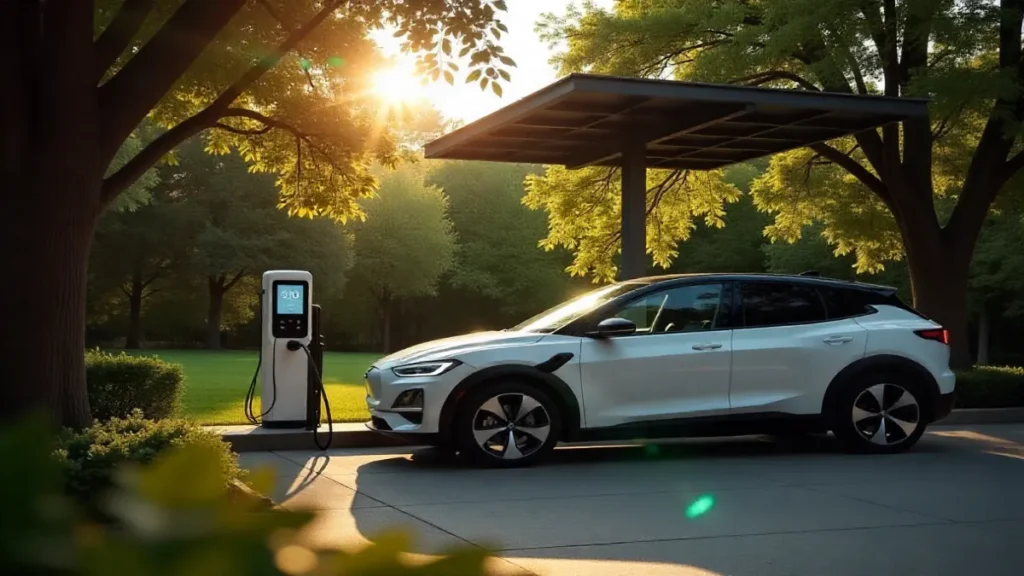
Here’s where things get really interesting. Some forward-thinking utilities are launching “managed charging” programs that actually pay you to let them control when your car charges. These programs use smart technology to charge your vehicle when electricity is cheapest and cleanest, while ensuring your car is ready when you need it.
Participants typically receive monthly credits of $20 to $50 on their electricity bills, plus the benefit of automatically charging during the lowest-rate periods. You set your departure time, and the utility’s system handles the rest, ensuring your car reaches your desired charge level before you need it.
Companies like ChargePoint and utility partners are rolling out these programs nationwide. While you give up some control over exactly when your car charges, most participants find the savings and convenience well worth it – especially since the system learns your patterns and rarely interferes with your actual driving needs.
Finding Your Local Incentives: A Step-by-Step Guide
Ready to hunt down your local utility incentives? Here’s your action plan:
Start with your utility company’s website. Most utilities have dedicated EV or clean energy sections with detailed program information. Look for terms like “EV rebates,” “electric vehicle programs,” or “transportation electrification.”
Call the customer service number. Many utility representatives are well-versed in EV programs and can walk you through available options. Have your account information ready and mention you’re interested in electric vehicle incentives.
Check municipal utility programs. If you’re served by a city-owned utility, they often have generous local programs that larger investor-owned utilities might not offer. Municipal utilities sometimes provide even better incentives because they’re more focused on local community benefits.
Look beyond your electricity provider. Some gas utilities also offer EV incentives as part of broader clean energy initiatives. Water districts, regional authorities, and even some waste management companies occasionally offer EV-related rebates.
Time your application strategically. Many utility incentive programs operate on a first-come, first-served basis with annual budgets that can run out. Apply early in the year when funding is most likely to be available.
Maximizing Your Savings Strategy
To get the most from utility incentives, think holistically about your entire EV setup. Consider bundling multiple programs – for instance, using a rebate for your charging station installation, enrolling in a time-of-use rate program for ongoing savings, and joining a managed charging program for additional monthly credits.
Some utilities offer bonus incentives for customers who combine multiple programs or meet certain criteria like installing solar panels alongside their EV charging setup. These “clean energy packages” can sometimes double or triple your total savings.
Don’t forget to factor in the timing of your EV purchase. Some utility rebates require you to have purchased your vehicle within a certain timeframe, while others are available regardless of when you bought your car. If you’re still shopping for an EV, coordinating your purchase timing with available incentives can maximize your total savings.
The Future of Utility EV Incentives
As electric vehicles become more mainstream, utility incentive programs are evolving rapidly. We’re seeing new innovations like dynamic pricing that adjusts electricity rates in real-time based on grid conditions, vehicle-to-grid programs that let you sell stored battery power back to the utility during peak demand periods, and even incentives for workplace and apartment complex charging installations.
The bottom line? Utility companies are investing heavily in making EV ownership more attractive and affordable. These programs represent some of the most accessible and immediately valuable incentives available to EV owners – often with simpler applications processes and faster approval times than federal or state programs.
Your local utility company isn’t just your electricity provider anymore; they’re your partner in making electric vehicle ownership more affordable and convenient. Take advantage of these programs while they’re available, because the early adopters often get the best deals. Your wallet will thank you, and you’ll be supporting the growth of clean transportation infrastructure in your community.
Ready to start saving? Contact your utility company today to learn about available EV incentives in your area. Most programs can be applied for online or over the phone, and the savings can start appearing on your next electricity bill.