Picture this: you’re cruising down the highway in complete silence, no engine rumble, no exhaust fumes, just the whisper of wind and the satisfaction of knowing you’re not burning a drop of gasoline. But then that little voice in your head whispers, “How much further can I actually go?” If you’ve ever considered making the switch to electric, you’re probably wrestling with the same questions that keep many drivers up at night: electric car range and charging times. How far will it really take you, and how long will you be stuck at a charging station?
Let’s be honest – range anxiety is real, and it’s probably the biggest hurdle standing between you and your first electric car. But here’s the thing: the electric vehicle landscape has transformed dramatically over the past few years. What once seemed like a compromise is now becoming a genuinely compelling choice for most drivers. Today, we’ll dive deep into the numbers that matter most, explore real-world scenarios, and help you figure out which electric car might actually work better than you think.
Understanding Electric Car Range: More Than Just Numbers on Paper
When manufacturers boast about their EV’s range, they’re usually talking about EPA estimates – those carefully calculated numbers derived from standardized testing. But just like your gas car never quite hits its EPA fuel economy rating, electric cars have their own real-world realities.
The Tesla Model S currently leads the pack with an EPA-estimated range of up to 405 miles, while the BMW iX can stretch to 380 miles on a single charge. These aren’t just impressive numbers – they represent a fundamental shift in what’s possible with electric mobility. Remember when the original Tesla Roadster’s 244-mile range seemed revolutionary? We’ve come a long way.
But here’s what the brochures don’t always tell you: your actual range depends heavily on how and where you drive. Highway cruising at 75 mph will drain your battery faster than city driving, where regenerative braking actually helps recharge your battery every time you slow down. Cold weather can reduce range by 20-30%, while using heat or air conditioning adds another layer of consumption to consider.
Think of it like your smartphone battery. You know it lasts all day with normal use, but streaming videos and GPS navigation will have you reaching for the charger by afternoon. Electric cars work similarly – understanding your usage patterns is key to choosing the right vehicle.
The Charging Speed Revolution: From Hours to Minutes
Here’s where things get really interesting. The charging game has completely changed, and it’s not just about how long you’ll wait – it’s about how you’ll integrate charging into your daily routine.
Level 1 Charging (120V household outlet) is like filling a swimming pool with a garden hose. It works, but you’ll add only about 2-5 miles of range per hour. This is perfect for overnight charging if you’re driving less than 40 miles daily, but it’s not practical for most drivers as their primary charging method.
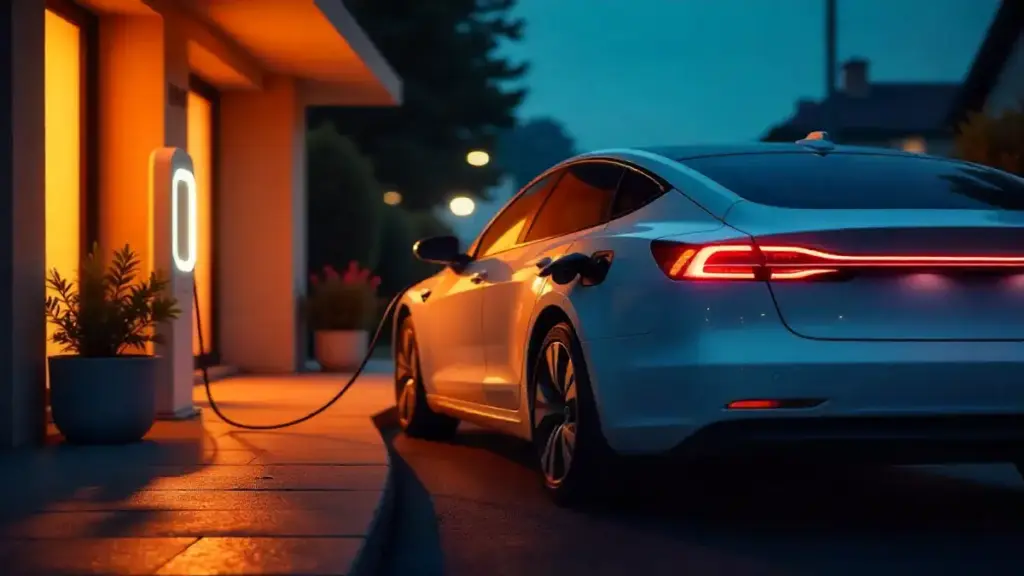
Level 2 Charging (240V) is your sweet spot for home charging. Most electric cars can fully charge overnight using a Level 2 charger, adding 10-60 miles of range per hour depending on your car’s capability. A Tesla Model 3, for example, can fully charge in about 8-10 hours – perfect while you sleep.
DC Fast Charging is where the magic happens for road trips. Modern fast chargers can add 200+ miles of range in just 15-30 minutes. The latest Tesla Superchargers V3 can pump up to 250kW, while some newer charging networks are pushing toward 350kW speeds. To put this in perspective, you can add enough range for a week of commuting in the time it takes to grab coffee and use the restroom.
The Porsche Taycan and Audi e-tron GT can charge from 5-80% in just 22-23 minutes under optimal conditions. Even more mainstream options like the Hyundai Ioniq 5 can charge from 10-80% in just 18 minutes on a 350kW charger.
Real-World Range Champions: What Actually Delivers
Let’s talk specifics because the devil is always in the details. After analyzing real-world driving data and owner reports, here are some standout performers:
Long-Distance Leaders:
- Mercedes EQS 450+: With up to 453 miles of EPA range, this luxury sedan proves that electric can mean long-distance comfort
- Tesla Model S: Consistently delivers 350+ miles in real-world conditions, with an extensive Supercharger network for peace of mind
- BMW iX xDrive50: Offers 380 miles of range with impressive efficiency and charging speeds up to 195kW
Practical Daily Drivers:
- Tesla Model 3 Long Range: About 358 miles of range with access to the most comprehensive fast-charging network
- Hyundai Ioniq 6: Up to 305 miles of range with incredibly fast charging capabilities
- Genesis Electrified GV70: Combines 294 miles of range with luxury features and solid charging performance
Budget-Conscious Options:
- Chevrolet Bolt EUV: 259 miles of range at a price point that makes electric accessible
- Nissan Leaf Plus: 226 miles of range with proven reliability and a lower entry cost
- Kia Niro EV: 253 miles of range with practical SUV versatility
Charging Infrastructure: The Network Effect
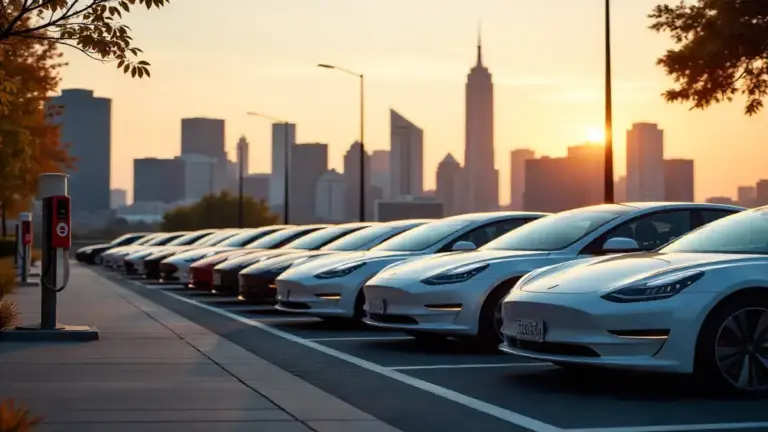
The charging landscape is expanding rapidly, but not all networks are created equal. Tesla’s Supercharger network remains the gold standard with over 45,000+ connectors globally and industry-leading reliability rates. But here’s the exciting part – Tesla has begun opening their network to other manufacturers, fundamentally changing the game.
Electrify America has built an impressive coast-to-coast network with high-speed charging, while ChargePoint offers the largest network of Level 2 chargers perfect for workplace and destination charging. EVgo focuses on fast charging in urban areas, making city living with an EV increasingly practical.
The key insight? Most EV owners do 80-90% of their charging at home. Public charging isn’t about replacing your gas station routine – it’s about enabling those longer trips and providing peace of mind. When you can leave home every morning with a “full tank,” your relationship with fueling changes entirely.
Making the Right Choice for Your Lifestyle
Here’s the reality check you need: if you drive less than 250 miles per day (which covers 95% of American drivers), range anxiety might be more psychological than practical. The average American drives about 40 miles daily, meaning most electric cars could sit unused for several days between charges.
Consider your specific situation. Do you have a garage or dedicated parking spot where you can install a Level 2 charger? Can you charge at work? How often do you take road trips longer than 250 miles? These answers matter more than comparing EPA range numbers.
For most people, a car with 250+ miles of range and access to fast charging along their common routes provides more convenience than traditional gas cars. No more weekly gas station stops, no more oil changes, and significantly lower fuel costs per mile.
The Bottom Line: Electric is Ready When You Are
The electric car range and charging landscape has reached a tipping point. With multiple models offering 300+ miles of range and charging networks that can add hundreds of miles in less than 30 minutes, the infrastructure is finally matching the promise of electric mobility.
Your decision shouldn’t be based on worst-case scenarios or outdated information. Instead, look at your actual driving patterns, consider the total cost of ownership (including fuel savings and maintenance), and factor in the environmental benefits that align with your values.
The electric future isn’t coming – it’s here. The question isn’t whether electric cars can work for you, but rather which one will work best. Take a test drive, experience the instant torque and whisper-quiet operation, and you might find that range anxiety quickly transforms into excitement about never visiting a gas station again.
Ready to explore your options? Start by mapping out your typical driving week, identify charging options in your area, and test drive a few models. You might be surprised by how quickly the numbers add up in favor of going electric.
By Roy K. Miller