
As I step out into the bustling streets, I’m surrounded by the hum of engines and the haze of exhaust fumes. It’s a familiar scene in many cities around the world, where eco-friendly transport options are still a distant dream.
The way we move is changing, driven by the urgent need to reduce our environmental footprint. Green mobility strategies are emerging as a vital part of this shift, offering a cleaner, healthier alternative to traditional modes of sustainable transportation.
By embracing new approaches to the way we move, we can significantly reduce our impact on the planet. It’s time to rethink our daily commutes and explore innovative transportation solutions that prioritize the health of our environment.
Key Takeaways
- Embracing eco-friendly transport options can significantly reduce environmental impact.
- Green mobility strategies are crucial for a sustainable future.
- Innovative transportation solutions are key to reducing our carbon footprint.
- Rethinking daily commutes can lead to a healthier environment.
- Sustainable transportation is vital for the well-being of our planet.
The Environmental Impact of Our Transportation Choices
Every day, our transportation decisions affect the health of our planet. The choices we make about how we travel have significant environmental implications, from the air we breathe to the climate we live in.
Current Transportation Emissions in the US
The United States is one of the largest emitters of transportation-related greenhouse gases. Transportation accounts for about 27% of total US greenhouse gas emissions, with the majority coming from passenger vehicles. To put this into perspective, here is a breakdown of transportation emissions in the US:
| Mode of Transportation | Percentage of Total Emissions |
|---|---|
| Passenger Vehicles | 58% |
| Medium/Heavy Duty Trucks | 23% |
| Air Travel | 8% |
How Individual Choices Make a Difference
While the statistics on transportation emissions can be daunting, individual choices can collectively make a significant difference. By opting for environmentally friendly commuting solutions like carpooling, using public transit, or driving electric vehicles, we can reduce our carbon footprint. For instance, switching to a carbon-neutral transportation method like cycling or walking for short trips can significantly lower emissions. Every small change counts, and together, we can create a substantial positive impact on the environment.
Assessing Your Transportation Carbon Footprint
To effectively reduce our carbon footprint, it’s essential to start by assessing our transportation emissions. This involves understanding the various modes of transport we use and their respective environmental impacts.
Step-by-Step Guide to Calculate Your Emissions
Calculating your transportation carbon footprint can be straightforward. First, gather data on your daily commute, including the distance traveled and the mode of transport used. Online tools and resources can help simplify this process.
Online Tools and Resources
Utilize online carbon calculators, such as those provided by the Environmental Protection Agency (EPA), to estimate your emissions. These tools often require information about your vehicle’s fuel type and mileage.
Interpreting Your Results
Once you’ve calculated your carbon footprint, interpreting the results is key. For instance, if your daily commute by car results in high emissions, consider alternatives like sustainable public transit systems.
| Mode of Transport | Average Emissions (g/mile) |
|---|---|
| Car (Gasoline) | 404 |
| Bus | 64 |
| Bicycle | 0 |
Setting Achievable Reduction Goals
After assessing your transportation carbon footprint, setting realistic reduction goals is the next step. Consider transitioning to zero-emission transportation solutions like electric vehicles or enhancing your use of public transit.
By following these steps and utilizing the available tools, you can make significant strides towards reducing your transportation carbon footprint.
Everyday Sustainable Transportation Solutions
In my journey towards a greener lifestyle, I’ve found that incorporating sustainable transportation methods into my daily routine has been both easy and effective. By making a few simple changes, I can significantly reduce my carbon footprint and contribute to a cleaner environment.
Maximizing Public Transit Efficiency
One of the most effective ways to reduce our reliance on personal vehicles is by maximizing public transit efficiency. I use transit apps to plan my routes and track schedules in real-time, ensuring that I’m always on the most efficient path. By doing so, I’ve reduced my travel time and made my daily commute more productive.
Smart Carpooling and Ridesharing Strategies
Carpooling and ridesharing are other alternative transport options that have made a significant impact on my daily commute. I use online platforms to find colleagues and friends traveling in the same direction, reducing the number of cars on the road and lowering emissions. This not only benefits the environment but also helps in reducing traffic congestion.
Incorporating Walking and Cycling Into Your Routine
Incorporating walking and cycling into my daily routine has been a game-changer. Not only do these green urban mobility solutions improve my physical health, but they also reduce my reliance on fossil fuels. For shorter trips, I prefer walking or cycling, enjoying the fresh air and the opportunity to clear my mind.
Essential Gear for Commuter Cyclists
For those who cycle, investing in the right gear is crucial. I recommend a good quality helmet, reflective clothing, and a sturdy bike lock. These essentials ensure a safe and secure commute.
Safety Tips for Urban Walking
When walking, being visible and aware of my surroundings is key. I wear bright or reflective clothing, especially at night, and stay alert to traffic and pedestrian signals. This mindfulness helps me navigate urban environments safely.
Transitioning to Electric Mobility
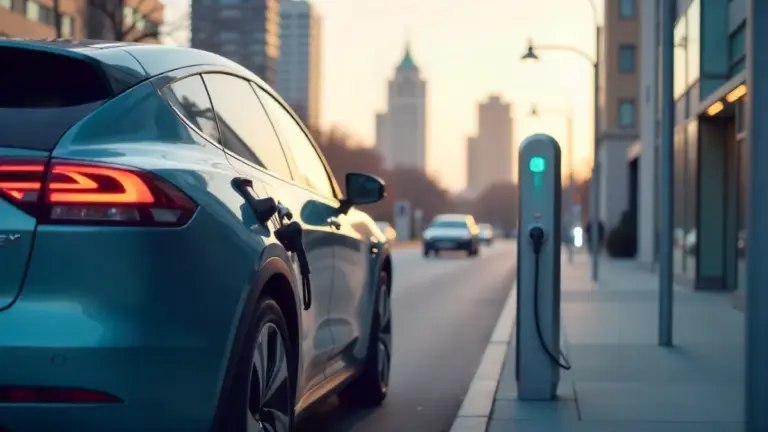
The shift to electric mobility is not just a trend; it’s a necessary step towards a more sustainable future. As I explore the options available for reducing our carbon footprint, electric vehicles (EVs) stand out as a viable alternative to traditional fossil fuel-based transportation.
Selecting the Right Electric Vehicle for Your Needs
Choosing the right EV involves considering several factors, including your daily driving habits, the type of terrain you typically drive on, and your budget.
Comparing Models and Features
Different EV models offer various features such as range, charging time, and additional amenities like infotainment systems. It’s essential to compare these features to find the one that best suits your needs.
Understanding Range and Charging Requirements
Understanding the range of an EV and its charging requirements is crucial. Range anxiety is a common concern, but many modern EVs offer a range that covers average daily driving needs.
How to Set Up Home Charging Infrastructure
Setting up home charging infrastructure is a critical step in owning an EV. Here are some key considerations:
- Assess your electrical system’s capacity to support a home charger.
- Choose a charger that fits your needs, considering factors like charging speed.
- Consider consulting a professional to ensure safe and efficient installation.
Transitioning to electric mobility is a significant step towards a more sustainable lifestyle. By carefully selecting the right EV and setting up appropriate home charging infrastructure, I can contribute to reducing our environmental impact.

How to Implement Sustainable Transportation Solutions in Your Community
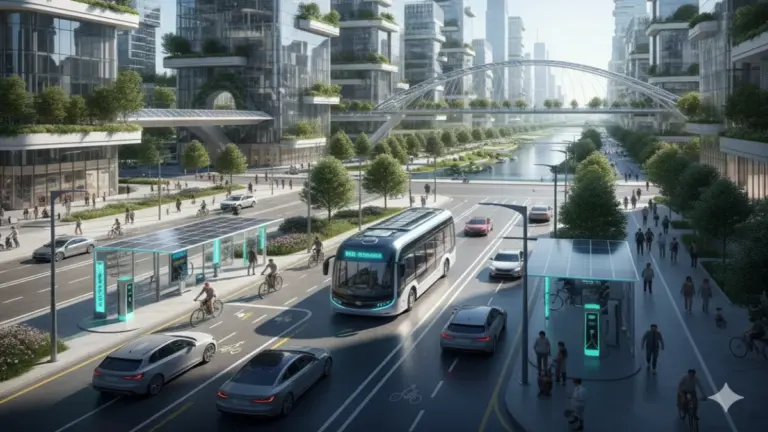
The path to a more sustainable future begins with transforming our transportation systems at the community level. By implementing green mobility strategies, we can significantly reduce our carbon footprint and create healthier environments.
As communities look to reduce their environmental impact, adopting sustainable transportation solutions becomes increasingly important. This involves not just individual actions, but a collective effort to transform our transportation infrastructure.
Effective Advocacy for Better Public Transit
Advocating for better public transit is a crucial step. This can involve supporting policies that fund public transportation, participating in local transportation planning meetings, and raising awareness about the benefits of efficient public transit.
Supporting and Promoting Bike-Friendly Infrastructure
Creating bike-friendly roads is another vital strategy. This includes supporting the development of bike lanes, bike-share programs, and secure bicycle parking facilities. By making cycling a safer and more appealing option, communities can reduce reliance on fossil fuels.
Organizing Car-Free Initiatives
Organizing car-free days or zones in cities can also promote sustainable transportation. These initiatives encourage the use of alternative modes of transport and demonstrate the feasibility of car-free living.
By working together to implement these strategies, communities can make significant strides towards a more sustainable transportation system.
Green Options for Long-Distance Travel
Sustainable long-distance travel is becoming increasingly important as we seek to minimize our environmental impact. As we explore greener ways to travel, it’s essential to consider alternatives that reduce our carbon footprint without sacrificing convenience.
Minimizing Your Air Travel Footprint
Air travel is a significant contributor to greenhouse gas emissions. To mitigate this, we can take several steps. First, we can look into carbon offset programs that invest in projects reducing CO2 emissions elsewhere.
Carbon Offset Programs Worth Considering
- Programs that invest in renewable energy projects
- Efforts that promote energy efficiency
- Reforestation projects that absorb CO2
Choosing More Efficient Airlines and Routes
Opting for airlines that use fuel-efficient aircraft and selecting direct routes can significantly reduce emissions. Some airlines are also exploring the use of sustainable aviation fuels, which can lower carbon emissions.
Exploring Train Travel Alternatives
Train travel is a more carbon-neutral option for long-distance travel. In many regions, trains offer a comfortable and scenic alternative to flying. By choosing train travel, we can significantly reduce our carbon footprint.
Key benefits of train travel include:
- Lower emissions per passenger
- More spacious and comfortable seating
- The ability to walk around freely
By embracing these green options for long-distance travel, we can make a positive impact on the environment while still satisfying our need to explore and connect with others.
Overcoming Common Barriers to Sustainable Transportation
Embracing sustainable transportation requires tackling the common barriers that prevent its widespread adoption. As we strive to make our daily commutes more eco-friendly, we often face challenges related to convenience, accessibility, and cost.
Solutions for Convenience and Accessibility Challenges
One of the primary concerns is the convenience and accessibility of sustainable transportation options. To address this, many cities are investing in sustainable public transit systems that are efficient and reliable. For instance, optimizing bus routes and schedules can significantly improve the commuting experience.
Finding Financial Incentives and Saving Money
Financial constraints are another significant barrier. However, there are various incentives available that can make zero-emission transportation solutions more affordable.
Tax Credits and Rebates
Governments offer tax credits and rebates for purchasing electric vehicles or installing home charging stations. For example, the US federal government provides a tax credit of up to $7,500 for eligible electric vehicle buyers.
Long-Term Cost Benefits
In addition to initial incentives, sustainable transportation options often result in long-term cost savings. A comparison of costs associated with different transportation methods reveals significant savings:
| Transportation Method | Annual Cost | 5-Year Savings |
|---|---|---|
| Personal Vehicle | $10,000 | Reference |
| Public Transit | $2,000 | $8,000 |
| Electric Vehicle | $1,500 | $8,500 |
By adopting sustainable transportation methods, individuals can not only contribute to a cleaner environment but also enjoy financial benefits.
Conclusion: Your Path Forward to Greener Mobility
As we navigate the complexities of modern transportation, it’s clear that adopting sustainable transportation solutions is crucial for a greener future. By understanding the environmental impact of our choices and taking steps to reduce our carbon footprint, we can make a significant difference.
I encourage you to explore green urban mobility solutions such as maximizing public transit efficiency, incorporating walking and cycling into your routine, and transitioning to electric mobility. These eco-friendly transport options not only benefit the environment but also enhance your quality of life.
By making informed choices and advocating for better public transit, you can contribute to a more sustainable transportation system. Take the first step today towards a greener tomorrow by embracing the sustainable transportation solutions that work best for you.