
Remember when updating your car meant physically taking it to a mechanic? Those days are quickly becoming history. If you’re driving an electric vehicle—or thinking about making the switch—you’re entering a world where your car gets smarter, safer, and more efficient while you sleep. Welcome to the age of over-the-air software updates, where your EV can literally transform overnight.
It’s mind-boggling when you think about it. Your Tesla, BMW iX, or Ford Mustang Mach-E can wake up with new features, improved performance, or enhanced safety systems without you lifting a finger. But here’s the thing many new EV owners don’t realize: these updates aren’t just cool tech features—they’re absolutely crucial for getting the most out of your electric investment.
Why Software Updates Matter More Than You Think
Your electric car is essentially a smartphone on wheels, powered by millions of lines of code. Unlike traditional vehicles that remain largely unchanged after rolling off the assembly line, EVs are living, breathing machines that evolve continuously. This isn’t just marketing speak—it’s a fundamental shift in how we think about car ownership.
Consider this: when Tesla pushed out a software update in 2021, it increased the range of certain Model S and Model X vehicles by up to 20 miles. Imagine getting a free tank extension for your gas car—that’s essentially what happened here. The hardware was always capable; the software just needed to catch up.
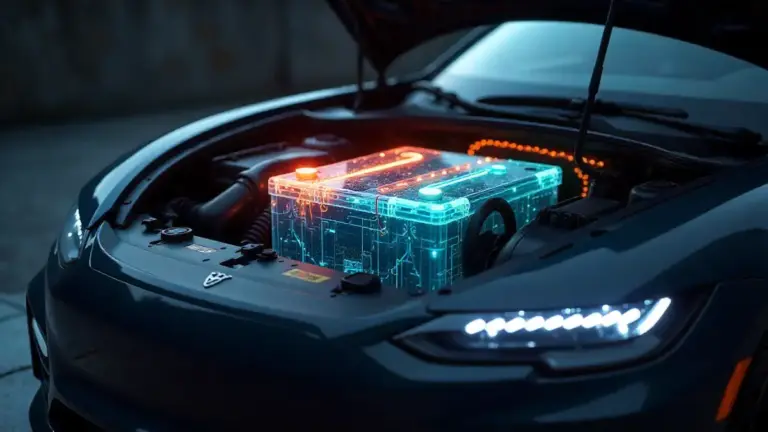
But it goes deeper than range improvements. These updates can enhance your car’s battery management system, making it charge faster and last longer. They can improve the efficiency of your electric motors, reduce energy consumption during heating and cooling, and even add entirely new features to your infotainment system.
Safety improvements are perhaps the most critical aspect. Your EV’s advanced driver assistance systems, collision avoidance technology, and emergency braking systems all rely on sophisticated algorithms that can be refined and improved through updates. When manufacturers discover better ways to detect obstacles or respond to emergency situations, they can push these improvements to your car immediately rather than waiting for the next model year.
How Electric Car Updates Actually Work
The process is surprisingly similar to updating your smartphone, but with some important differences. Most modern EVs connect to Wi-Fi networks (either your home network or public hotspots) to download updates. Some vehicles also use cellular connections, though this can vary by manufacturer and model.
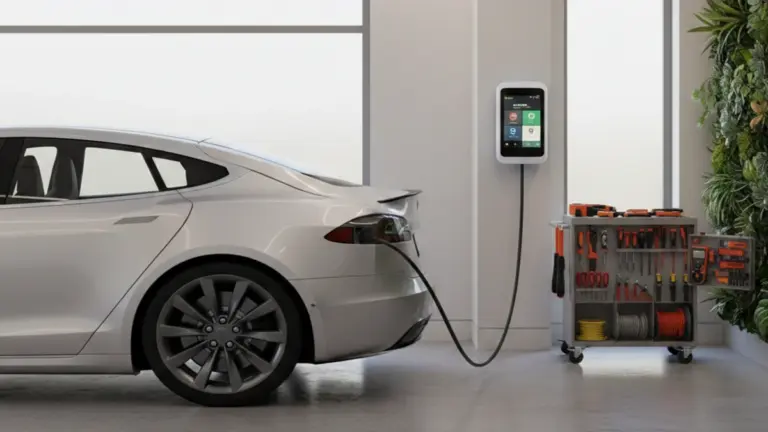
Here’s what typically happens: while your car is parked and charging, it automatically checks for available updates. If one is found, it downloads in the background without interrupting your daily use. The actual installation usually occurs when the vehicle is turned off and parked, ensuring you’re never stuck waiting during your commute.
The size of these updates can vary dramatically. Minor bug fixes might be just a few megabytes, while major feature additions can be several gigabytes. Your car’s computer systems are smart enough to manage this process efficiently, often downloading updates in chunks over several days if needed.
One thing that sets car updates apart from phone updates is the safety-first approach. Your vehicle won’t install critical updates if it detects any issues with the battery, electrical systems, or other safety-related components. This built-in caution ensures that an update never compromises your ability to drive safely.
Getting the Most From Your EV’s Update System
Managing your electric car’s software updates doesn’t require a computer science degree, but a few simple practices can ensure you’re always running the latest and greatest version.
First, make sure your vehicle is connected to a reliable Wi-Fi network whenever possible. While cellular updates work, they can be slower and may use your car’s data allowance if it has one. Setting up your EV to connect to your home Wi-Fi is usually straightforward—most manufacturers provide step-by-step guides in the owner’s manual or their mobile apps.
Timing matters too. Schedule your updates for times when you won’t need your car for several hours. Many EVs allow you to set preferred update windows, such as overnight or during specific days of the week. This prevents the frustration of discovering your car is in the middle of an update when you need to leave for an important meeting.
Keep an eye on your manufacturer’s communication channels. Companies like Tesla, Ford, and BMW often announce major updates through their apps, websites, or social media accounts. Knowing what’s coming can help you understand new features and take advantage of improvements more quickly.
Don’t ignore update notifications, but don’t panic if you can’t install one immediately either. Most manufacturers design their systems so that missing an update won’t cause problems—you’ll just get the next one when you’re ready. However, security and safety updates should be prioritized whenever possible.
Common Update Challenges and Simple Solutions
Even with the best intentions, software updates can occasionally cause hiccups. The good news is that most issues are easily resolved with basic troubleshooting.
Connectivity problems are the most common culprit. If your car isn’t downloading updates, check your Wi-Fi connection first. Make sure your home network is stable and that your vehicle is within range. Some parking locations might have weak signals, so try moving your car closer to your router if possible.
Incomplete downloads can happen if your car gets interrupted during the process—perhaps by someone starting the vehicle or a power outage affecting your home network. Most systems are smart enough to resume where they left off, but occasionally you might need to restart the download manually through your car’s settings menu.
Battery level can also affect updates. Many EVs won’t install major updates if the battery is below a certain threshold, typically around 50%. This safety feature prevents your car from running out of power during a critical system update. Simply charge your vehicle and try again.
If you’re experiencing persistent problems, don’t hesitate to contact your manufacturer’s customer support. They often have diagnostic tools that can identify specific issues remotely and guide you through solutions over the phone.
The Future Is Already Here
We’re living through a remarkable transformation in automotive technology. Your electric car isn’t just a mode of transportation—it’s a constantly evolving platform that gets better over time. Those software updates streaming to your vehicle represent something unprecedented in automotive history: the ability to improve your driving experience long after you’ve driven off the lot.
Think about it this way: while traditional car owners watch their vehicles slowly depreciate and become outdated, you’re driving something that can literally become more valuable through updates. New features, improved efficiency, enhanced safety systems—all delivered wirelessly while you go about your daily life.
The key to maximizing this incredible capability is staying engaged with the process. Keep your car connected, install updates promptly, and don’t be afraid to explore new features as they arrive. Your electric vehicle is designed to be your partner in this journey toward a smarter, cleaner future of transportation.
As we move forward, software updates will only become more sophisticated and valuable. Manufacturers are already working on systems that can optimize your car’s performance based on your specific driving patterns, predict maintenance needs before problems occur, and even coordinate with smart city infrastructure to reduce traffic and energy consumption.
Your commitment to keeping your EV’s software current isn’t just about getting cool new features—it’s about participating in the largest technological shift in transportation since the invention of the automobile itself. Every update brings us one step closer to a world where our cars are not just cleaner and quieter, but genuinely intelligent partners in our daily lives.