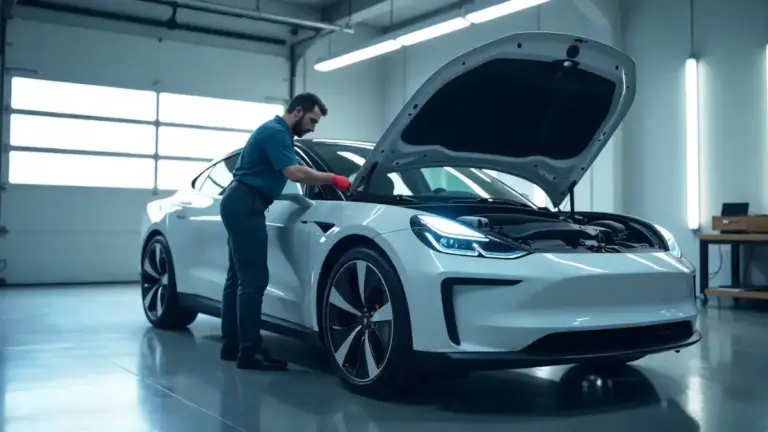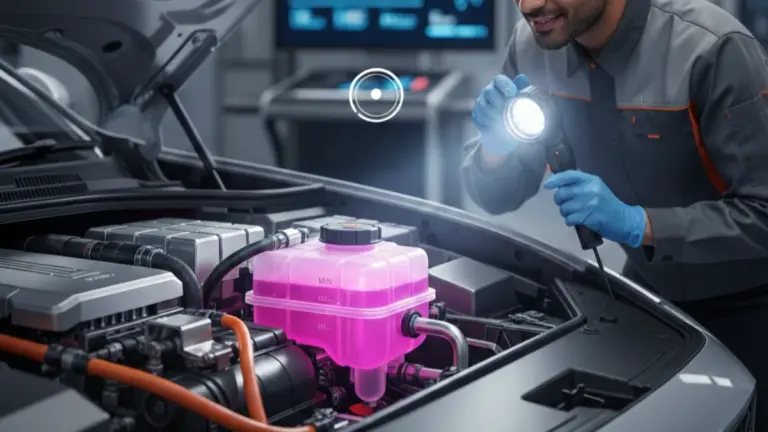
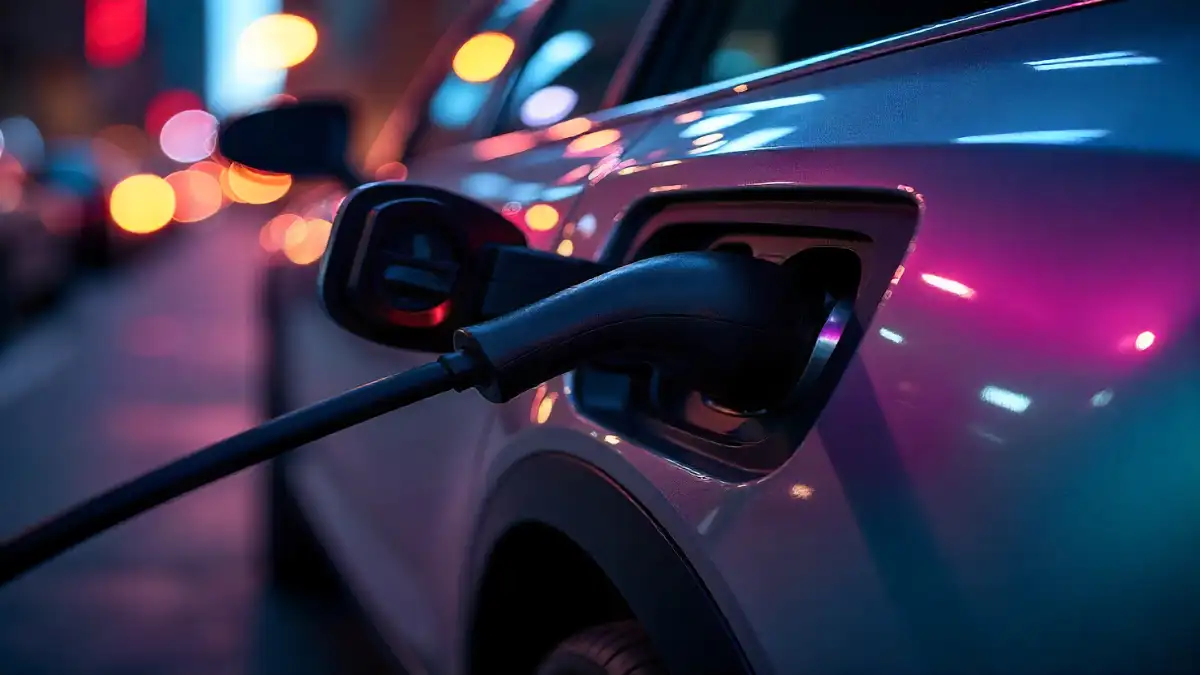
Picture this: you’re running late for an important meeting, and your electric car’s battery is at 15%. Proper EV charging port maintenance could have prevented the frustration of plugging in your cable only to find your charging port failing.
Your electric car’s charging port might seem like a simple hole in your vehicle’s body, but it’s actually a sophisticated piece of technology that deserves the same attention you’d give to any other crucial component. Just like you wouldn’t ignore a strange noise from your engine or let your windshield wipers deteriorate until they’re useless, your charging infrastructure needs regular care to keep you moving down the road.
Let’s dive into everything you need to know about maintaining your EV’s charging port and cables, because a well-maintained charging system isn’t just about convenience—it’s about safety, efficiency, and protecting your investment.
Why Charging Port Maintenance Actually Matters
You might be wondering why a simple port needs any maintenance at all. After all, it’s just a place where you plug in a cable, right? Not quite. Your charging port faces unique challenges that most other car components never encounter.
Think about what your charging port endures: it’s exposed to rain, snow, dust, road salt, and temperature extremes. Unlike your gas tank, which stays sealed most of the time, your charging port is constantly battling the elements. Even when you’re not charging, moisture can creep in, debris can accumulate, and corrosion can start its slow but steady work.
Here’s something that might surprise you—a dirty or corroded charging port can reduce your charging efficiency by up to 20%. That means longer charging times, which translates to more time spent at charging stations instead of reaching your destination. In some cases, poor port maintenance can even lead to charging failures or, worse yet, safety hazards like electrical arcing.
I’ve spoken with EV technicians who’ve seen ports so neglected that the charging process generates excessive heat, potentially damaging both the vehicle and the charging cable. The good news? This is completely preventable with some basic maintenance habits.
Understanding Your Charging Port Components
Before we get into the nitty-gritty of maintenance, let’s understand what we’re working with. Your charging port isn’t just a hole with some metal contacts—it’s an engineered system designed to handle high-voltage electricity safely.
Most EVs use what’s called a J1772 port for Level 1 and Level 2 charging, while many newer models also include a DC fast charging port. Inside these ports, you’ll find several crucial components: the charging pins that make electrical contact, weather sealing gaskets, and often a small door or flap that protects the internals when not in use.
The charging pins are typically made of copper or copper alloy, chosen for their excellent electrical conductivity. However, copper has a nemesis—oxidation. When copper oxidizes, it forms a layer that resists electrical flow, which is exactly what you don’t want when you’re trying to charge your car efficiently.
Your charging port also includes safety mechanisms that communicate with the charging station. These communication pins tell the charger when it’s safe to start delivering power and monitor the charging process for any problems. If these pins get dirty or corroded, they might not communicate properly, leading to charging errors or failures.
The Simple Art of Regular Cleaning
Here’s where maintenance becomes refreshingly straightforward. Cleaning your charging port doesn’t require special tools or advanced technical knowledge—just consistency and the right approach.
Start with a visual inspection every few weeks. Look for obvious debris like leaves, dirt, or any signs of corrosion around the charging pins. If you live in an area where road salt is used during winter, pay extra attention during those months, as salt is particularly aggressive when it comes to promoting corrosion.
For routine cleaning, you’ll need just a few items: a clean, dry cloth, some isopropyl alcohol (70% or higher), and a soft-bristled brush like an old toothbrush. Never use water directly on the charging port—electricity and water don’t play well together, even when the car is turned off.
Dampen your cloth with the isopropyl alcohol and gently wipe the charging pins and the surrounding area. The alcohol evaporates quickly and helps remove any oils, dirt, or light corrosion. For stubborn debris, use the soft brush to gently scrub, but be careful not to damage any sealing gaskets.
One trick I’ve learned from experienced EV owners is to keep a small container of alcohol wipes in your car. This makes it easy to do a quick cleaning whenever you notice the port looking dirty, rather than waiting until you remember to do it at home.
Protecting Against the Elements
Your charging port’s weather protection is only as good as its weakest link, and unfortunately, that weak link is often human forgetfulness. How many times have you finished charging and walked away without properly closing the charging port door? We’ve all done it.
Those little port doors aren’t just cosmetic—they’re your first line of defense against moisture, debris, and corrosion. Make closing the port door part of your charging routine, just like you’d make sure to replace your gas cap after filling up a traditional car.
If you’re charging outdoors regularly, consider investing in a charging port protector or cover for times when your car is parked for extended periods. These accessories can provide extra protection against rain, snow, and windblown debris.
For those living in coastal areas, salt air presents a particular challenge. The salt can accelerate corrosion even when your car isn’t directly exposed to road salt. In these environments, more frequent cleaning—perhaps weekly instead of monthly—can make a significant difference in your charging port’s longevity.
Cable Care and Storage
Your charging cable is the other half of the charging equation, and it needs attention too. Most portable charging cables spend their lives coiled up in your trunk or garage, but how you store and handle them affects their lifespan and performance.
When coiling your charging cable, avoid tight loops that can stress the internal wires over time. Instead, use loose, gentle curves. Think of it like coiling a garden hose—you want to avoid kinks and sharp bends that could damage the internal structure.
Check your cable’s connector regularly for signs of wear, damage, or debris. The connector should slide smoothly into your charging port without forcing it. If you notice any resistance, don’t force it—investigate what’s causing the problem first.
Pay attention to the cable’s jacket (the outer covering) as well. Look for cuts, cracks, or areas where the jacket is separating. These might seem like minor cosmetic issues, but they can allow moisture to penetrate and potentially cause serious problems down the road.
Troubleshooting Common Issues
Even with good maintenance, you might occasionally encounter charging problems. Understanding how to troubleshoot basic issues can save you time and potentially expensive service calls.
If your car won’t start charging, start with the basics. Is the charging port door fully open? Is the connector properly seated? Sometimes what seems like a major problem is just a loose connection or a safety interlock that hasn’t engaged properly.
Error messages during charging often relate to communication problems between your car and the charging station. Before assuming something is wrong with your car, try a different charging station if one is available. Charging station malfunctions are more common than car problems.
If you notice slower than usual charging speeds, dirty contacts might be the culprit. A thorough cleaning of both your charging port and cable connector can often restore normal charging performance.
When to Seek Professional Help
While basic maintenance is definitely a DIY job, some issues require professional attention. If you notice any physical damage to the charging port, such as bent or broken pins, don’t attempt to fix it yourself. High-voltage electrical systems demand respect and proper training.
Similarly, if you’re getting persistent error messages that don’t resolve with basic troubleshooting, it’s time to consult your dealer or a qualified EV technician. Modern EVs have sophisticated diagnostic systems that can pinpoint problems more accurately than guesswork.
Any signs of electrical arcing, burning smells, or excessive heat during charging should be addressed immediately by a professional. These symptoms could indicate serious safety issues that shouldn’t be ignored.
Building Good Habits for Long-Term Success
The key to effective charging port maintenance isn’t perfection—it’s consistency. Build these simple habits into your routine, and your charging system will reward you with reliable, efficient performance for years to come.
Make a quick visual inspection part of your pre-charging routine. It takes just a few seconds and can alert you to potential problems before they become serious issues. Keep your charging equipment clean and properly stored, and don’t ignore warning signs when they appear.
Remember, your electric car’s charging system is designed to be robust and reliable, but like any technology, it performs best when properly maintained. The few minutes you invest in regular care will pay dividends in charging reliability, efficiency, and safety.
Your EV represents the future of transportation, and maintaining its charging capabilities ensures you’ll be ready for whatever that future brings. Take care of your charging port, and it’ll take care of getting you where you need to go—reliably, efficiently, and safely.
Roy K. Miller is an EV expert passionate about electric mobility, green technology, and the future of transportation. He helps readers and drivers make smarter choices while sharing insights and updates on the latest developments in the EV world.