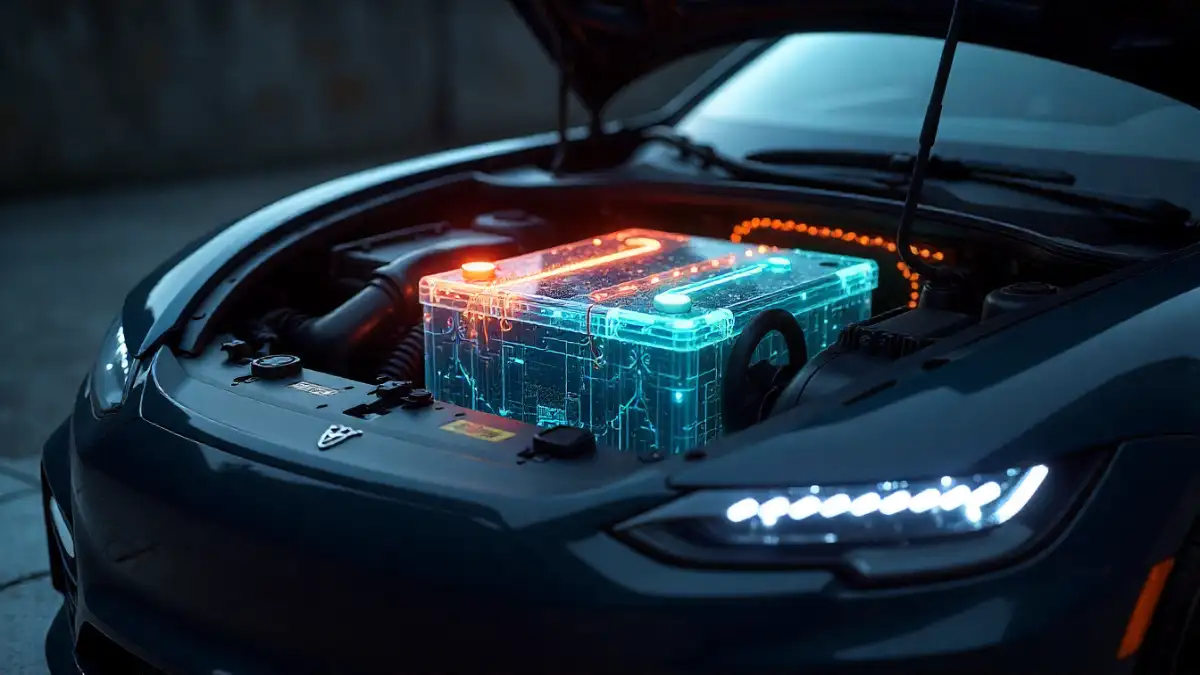
You know what keeps most people up at night when they’re considering buying an electric car? It’s not the charging infrastructure or even the upfront cost anymore. It’s that nagging question: “What happens to the battery after five, ten, or fifteen years?” And honestly, that’s a smart thing to worry about. After all, we’ve all experienced our smartphone batteries turning into pumpkins after a couple of years, right? So it’s natural to wonder if your EV’s battery will follow the same depressing trajectory.
Here’s the good news: electric car batteries are built entirely differently than your phone’s battery, and the real-world data we now have is actually pretty reassuring. Let me walk you through what actually happens to these batteries over time, what you can expect, and why the picture is much brighter than you might think.
Understanding Battery Degradation: The Reality vs. The Fear
First, let’s talk about what battery degradation actually means. Simply put, it’s the gradual loss of your battery’s ability to hold a full charge. If your EV started with 300 miles of range, degradation means that over time, a “full” charge might only give you 270 miles, then 260, and so on.
But here’s where it gets interesting: the degradation doesn’t happen in a straight line, and it’s nowhere near as dramatic as most people fear. Recent studies analyzing thousands of electric vehicles have found that most EVs lose only about 2-3% of their battery capacity per year during the first few years, and then the degradation rate actually slows down significantly.
Think of it like breaking in a new pair of shoes. There’s an initial period of adjustment, but then things stabilize. Tesla, for instance, released data showing their vehicles retain about 90% of their original battery capacity even after 200,000 miles. That’s not a typo—we’re talking about batteries that are still performing at 90% capacity after what would be a decade or more of driving for most people.
What Causes Batteries to Degrade?
Understanding why batteries degrade helps you protect yours. The main culprits are:
Heat exposure is enemy number one. Batteries that regularly operate in extremely hot climates without proper thermal management systems will degrade faster. This is why modern EVs have sophisticated cooling systems—they’re not just for performance; they’re protecting your investment.
Charging habits also play a role, but probably not in the way you think. Constantly charging to 100% and draining to 0% can accelerate degradation. Your battery actually prefers living in the comfortable middle zone—say, between 20% and 80%. It’s kind of like how you feel better not being either starving or stuffed after every meal.
Fast charging frequency has gotten a bad rap, but recent research shows that occasional DC fast charging won’t significantly harm your battery. The key word is “occasional.” If you’re fast-charging multiple times daily, you might see slightly accelerated degradation, but for most drivers who fast charge once or twice a week on road trips, the impact is minimal.
Calendar aging means that even if your car sits unused, the battery will still age slightly. However, this effect is much smaller than you’d expect—we’re talking about maybe 1-2% per year for a vehicle that’s just sitting there.
Real-World Performance Data: What Owners Are Actually Experiencing
Let’s get into the numbers that matter. Recurrent Auto, a company that tracks EV battery health across thousands of vehicles, has compiled fascinating data. Their analysis shows that the average EV retains about 92% of its battery capacity after five years and around 100,000 miles. Some models perform even better.
The Chevrolet Bolt, for example, has shown remarkably consistent battery health, with many owners reporting minimal degradation even after 150,000 miles. Tesla Model 3 and Model Y vehicles are showing similar resilience. Even the Nissan Leaf—which initially had some battery degradation issues with its air-cooled battery system in hot climates—has significantly improved with its newer liquid-cooled battery technology.
I’ve spoken with numerous EV owners who’ve passed the 100,000-mile mark, and the consensus is surprisingly consistent: the degradation they’ve experienced has had minimal impact on their daily driving. One Model S owner I know has driven 180,000 miles over seven years and still has about 88% of his original range. His take? “It’s been a non-issue. I barely notice the difference.”
Battery Warranties: Your Safety Net
Here’s something that should give you peace of mind: manufacturers are backing up their batteries with substantial warranties. Most major automakers now offer 8-year/100,000-mile battery warranties as standard, with many guaranteeing that your battery will retain at least 70% of its capacity during that period.
Some manufacturers go even further. Hyundai offers a lifetime battery warranty on certain models. Nissan provides 8 years/100,000 miles. BMW, Mercedes-Benz, and Volkswagen all offer similar 8-year protection. This isn’t just marketing—these companies have done the math and are confident their batteries will perform.
What does this mean for you? If your battery degrades faster than expected during the warranty period, the manufacturer will repair or replace it at no cost. That’s a pretty solid guarantee when you’re making a significant investment.
Maintenance: Less Than You Think
One of the beautiful things about EV batteries is that they require virtually no maintenance from you. There’s no fluid to change, no filters to replace, no parts to clean. The battery management system handles everything automatically—balancing cell charges, managing temperature, and optimizing performance.
Your main responsibility is simply following smart charging practices: keep your daily charge limit around 80% if you can, avoid letting the battery sit at very low states of charge for extended periods, and if your car will be parked for weeks, leave it at around 50% charge.
That’s basically it. Your EV will do the rest.
The Replacement Question: Cost and Reality
Okay, let’s address the elephant in the room: what if you do need to replace your battery? What’s that going to cost?
Battery replacement costs have been dropping dramatically. In 2010, battery packs cost around $1,100 per kilowatt-hour. Today, that’s dropped to around $100-150 per kWh, and it’s projected to fall below $100 by 2025. For a typical 60-75 kWh battery pack, you’re looking at $6,000-11,000 for replacement parts before labor.
But here’s the reality check: most EV owners will never need to replace their entire battery pack. The data shows that the vast majority of batteries will outlast the useful life of the vehicle itself. It’s like worrying about replacing your engine in a gas car—yes, it could happen, but it’s not common, and if it does, it’s usually covered under warranty.
Additionally, battery technology is advancing so rapidly that future replacement batteries will likely be cheaper, more energy-dense, and longer-lasting than what’s available today.
Looking Forward: The Future Is Bright
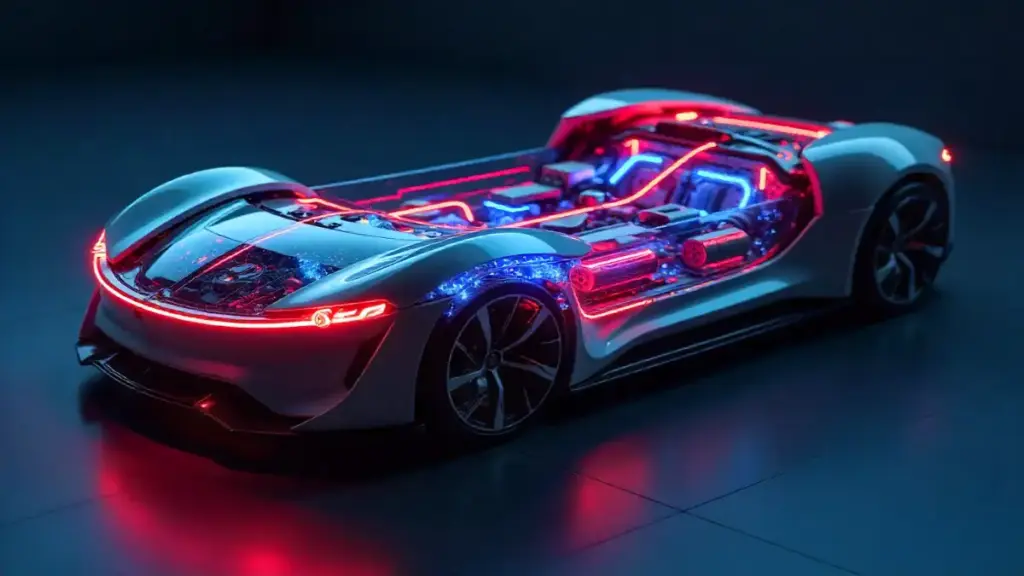
Battery technology isn’t standing still. Solid-state batteries, which promise even longer life spans and faster charging, are on the horizon. Silicon anode batteries are entering production and offering improved energy density. Battery management systems are getting smarter, learning your driving patterns and optimizing charge cycles automatically.
The batteries going into EVs today are significantly better than those from even five years ago. And the ones hitting the market in the next few years will be better still. This means that if you’re buying an EV now or in the near future, you’re getting technology that’s been refined through hundreds of thousands of real-world test cases.
Your Battery, Your Peace of Mind
So, should you worry about your electric car’s battery lasting? Based on everything we know—the real-world data, the warranty protection, the improving technology—the answer is a resounding “not really.” Yes, your battery will degrade slightly over time. That’s physics. But the degradation will be gradual, manageable, and far less impactful than most people fear.
Most EV batteries will comfortably last 15-20 years or 200,000+ miles while still retaining enough capacity for daily use. By the time your battery reaches the end of its useful life in your vehicle, either the car itself will be ready for retirement, or battery replacement costs will have dropped to the point where it’s a reasonable service item—not a financial catastrophe.
The long-term outlook for electric car batteries? It’s looking pretty bright. Now you can sleep easy and enjoy the ride.
Roy K. Miller is an EV expert passionate about electric mobility, green technology, and the future of transportation. He helps readers and drivers make smarter choices while sharing insights and updates on the latest developments in the EV world.