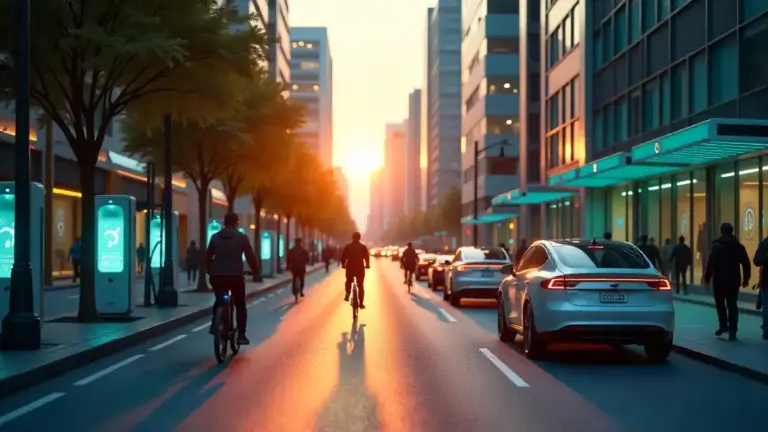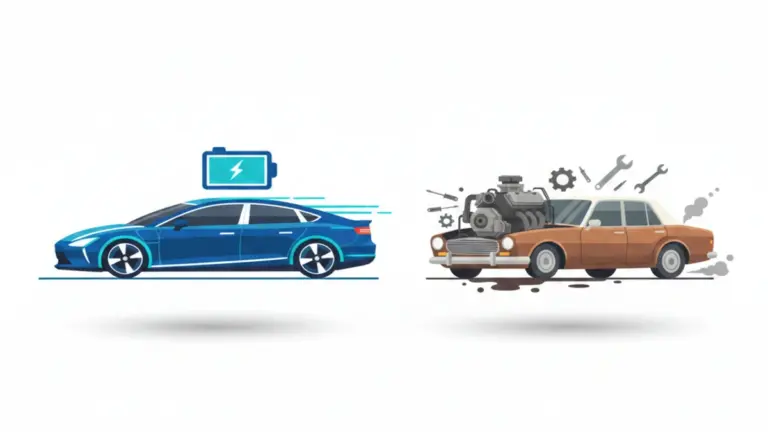
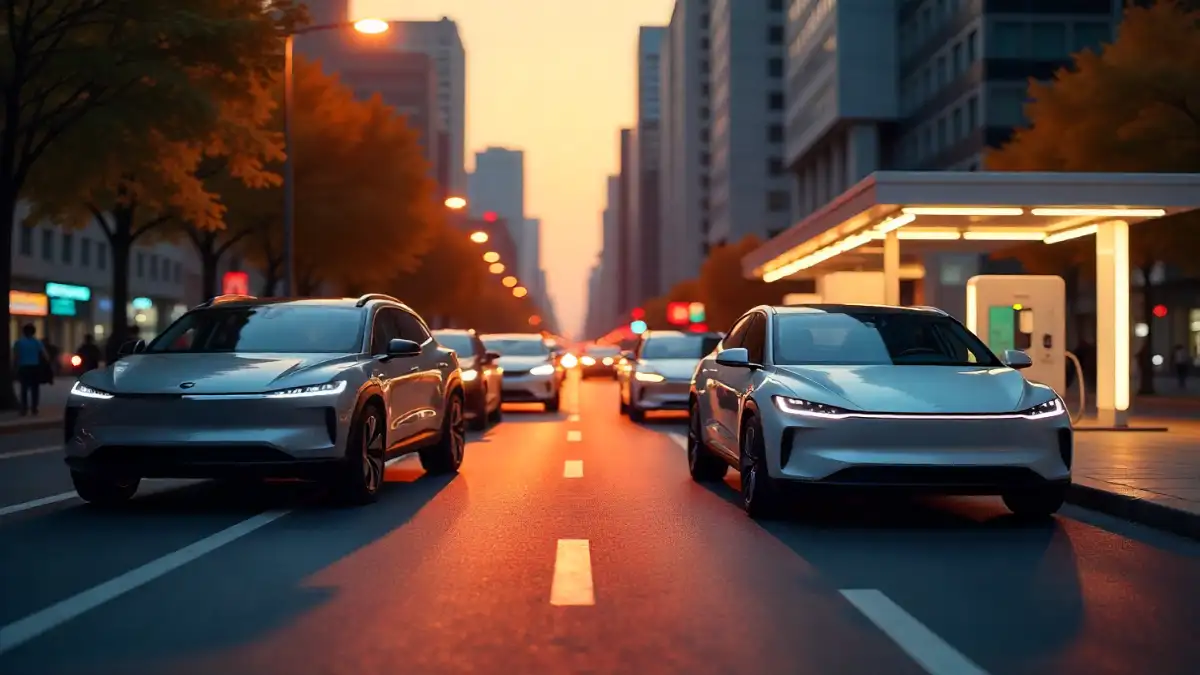
Remember when electric cars were just quirky science experiments rolling around Silicon Valley? Today, the future of electric car brands is reshaping the automotive landscape, with Teslas on every street and legacy automakers racing to electrify their lineups.
The electric vehicle revolution isn’t just changing how we drive—it’s completely reshaping the automotive landscape. New players are emerging from nowhere, traditional giants are reinventing themselves, and the technology is advancing at breakneck speed. If you’re curious about where this wild ride is heading, buckle up. We’re about to explore what the future holds for electric car brands, and trust me, it’s more fascinating than you might expect.
The New Kids on the Block Are Growing Up Fast
When Tesla first started making waves, everyone wondered if other startup brands could follow suit. Well, wonder no more. Companies like Rivian, Lucid Motors, and Fisker aren’t just surviving—they’re thriving and carving out their own niches in ways that would make any business school professor proud.
Take Rivian, for example. They didn’t try to compete directly with Tesla’s sleek sedans. Instead, they went straight for the pickup truck market, and it’s genius when you think about it. American truck buyers are notoriously loyal, but they’re also practical people who appreciate capability. When Rivian showed them an electric truck that could tow 11,000 pounds and still accelerate like a sports car, suddenly electric didn’t seem so foreign anymore.
Lucid Motors took a different approach entirely. They positioned themselves as the luxury alternative, targeting buyers who want the ultimate in refinement and range. Their Air Dream Range can travel over 500 miles on a single charge—that’s more than most gas cars can manage on a full tank. It’s not just impressive; it’s a psychological game-changer for anyone still worried about range anxiety.
But here’s what really excites me about these newcomers: they’re not bound by decades of internal combustion thinking. When you design an electric car from the ground up, without worrying about where to put the transmission tunnel or how to route the exhaust, you can create some pretty amazing things. Expect to see more innovative designs, smarter use of interior space, and features that would be impossible in traditional cars.
Legacy Automakers Are Having Their “Netflix Moment”
You know how Blockbuster dismissed Netflix as a niche player, then suddenly found themselves completely disrupted? That’s exactly what legacy automakers are desperately trying to avoid. And honestly, many of them are doing a better job at transformation than I initially expected.
General Motors made a bold statement when they announced their plan to go all-electric by 2035. That’s not just marketing speak—they’re backing it up with massive investments. Their upcoming Equinox EV is targeting a $30,000 price point, which could finally bring electric driving to the mainstream masses. When a company with GM’s manufacturing scale gets serious about EVs, prices drop fast.
Ford’s approach has been particularly smart. Instead of trying to reinvent their entire brand overnight, they electrified their most popular models first. The F-150 Lightning maintains everything truck buyers love about the original while adding electric superpowers like the ability to power your entire house during outages. It’s familiar yet revolutionary—exactly what traditional buyers need to make the leap.
Volkswagen Group deserves special mention here. Their ID series represents one of the most comprehensive electric transformations I’ve seen from a legacy automaker. They’re not just building electric versions of existing cars; they’re creating an entirely new electric-first platform. The results speak for themselves—the ID.4 has become one of Europe’s best-selling EVs.
Technology Trends That Will Change Everything
The real excitement isn’t just in the brands themselves, but in the technology they’re racing to perfect. We’re on the cusp of several breakthrough innovations that will make today’s EVs look primitive by comparison.
Solid-state batteries are the holy grail everyone’s chasing. These next-generation power sources promise to charge in minutes rather than hours, last for millions of miles, and pack more energy into smaller spaces. Toyota claims they’ll have solid-state batteries in production vehicles by the late 2020s, while QuantumScape (backed by Volkswagen) is making similar promises. When this technology arrives, it won’t just improve electric cars—it will eliminate the last remaining advantages of gasoline vehicles.
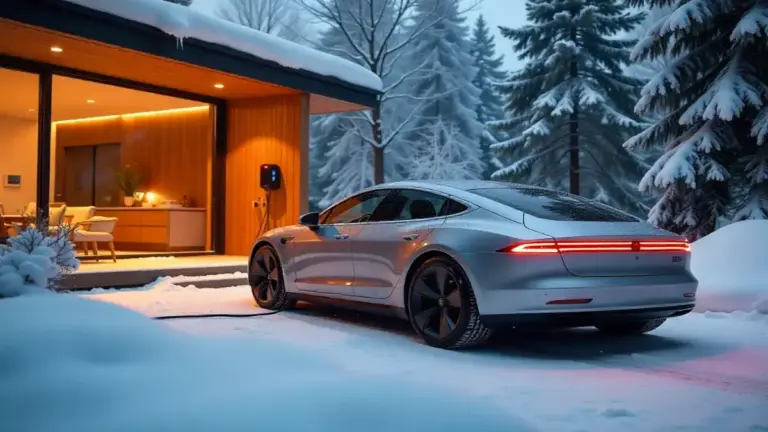
But here’s something that might surprise you: the real game-changer could be wireless charging. Imagine never having to plug in your car again. You simply park in your garage, and your car starts charging automatically. Some companies are even working on dynamic wireless charging—roads that charge your car as you drive. It sounds like science fiction, but the technology already exists and is being tested in several countries.
Then there’s vehicle-to-grid technology, which turns every electric car into a mobile power station. Your car could sell electricity back to the grid during peak hours, essentially paying for its own fuel. In Puerto Rico after Hurricane Maria, Tesla owners were using their cars to power their homes for weeks. Now imagine if millions of cars could do this routinely.
The Chinese Factor Nobody’s Talking About
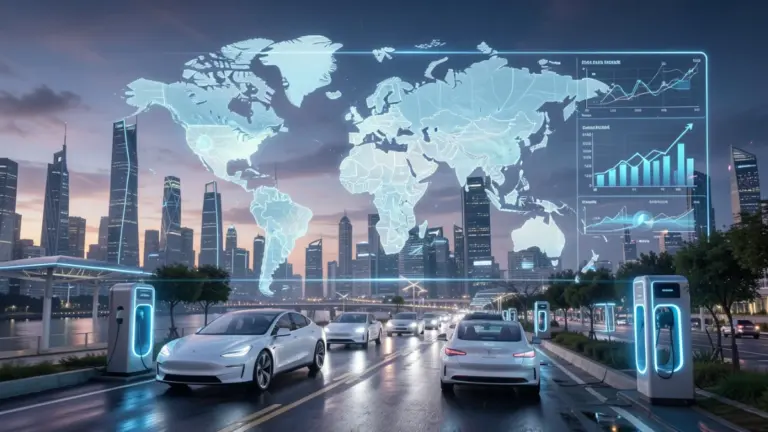
Here’s something that might shock you: China isn’t just the world’s largest electric vehicle market—they’re also home to some of the most innovative EV brands you’ve probably never heard of. BYD has been quietly becoming one of the world’s largest EV manufacturers, and companies like NIO and Xpeng are pioneering features that make Tesla look conventional.
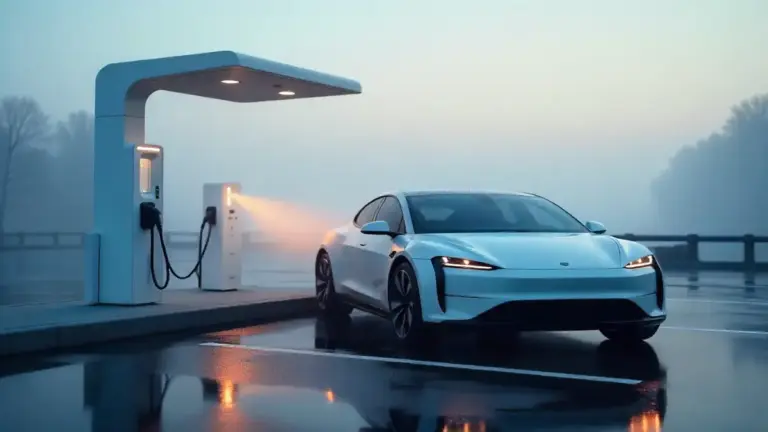
NIO’s battery swapping technology is particularly brilliant. Instead of waiting 30 minutes for a fast charge, you drive into a battery swap station and get a fresh battery in under five minutes. They’re building these stations across China like gas stations, and they’re starting to expand internationally. It’s a completely different approach to the charging problem, and it works beautifully in dense urban areas.
What makes this really interesting is that Chinese brands are no longer content to stay in China. BYD is already selling cars in Europe and Latin America. MG (now owned by Chinese company SAIC) is gaining traction in European markets with surprisingly good electric SUVs at competitive prices. Don’t be surprised if you start seeing Chinese EV brands in American showrooms within the next few years.
Market Predictions That Might Surprise You
Based on current trends and announced plans, here’s what I think we’ll see over the next decade. By 2030, electric vehicles will likely represent more than half of all new car sales in major markets. That’s not just wishful thinking—it’s what the math tells us when you look at battery cost curves, government regulations, and consumer adoption rates.
The biggest surprise might be in the truck and SUV segments. Americans love their big vehicles, and for years, that seemed like electric’s biggest challenge. But as more electric trucks and SUVs hit the market with impressive capabilities, I predict we’ll see faster adoption in these segments than anyone expects. The Ford Lightning’s success is just the beginning.
Luxury brands will likely maintain their premium positioning, but the real volume growth will come from affordable models. When a decent electric car costs the same as a gas car but offers lower operating costs, the choice becomes obvious. We’re already seeing this in markets like Norway, where EVs dominate new car sales not because of environmental concerns, but because they make financial sense.
What This Means for You as a Car Buyer
If you’re in the market for a new car, timing has never been more important. Buy too early, and you might miss out on significantly better technology just around the corner. Wait too long, and you’ll keep paying for expensive gasoline while missing out on the electric driving experience.
My advice? If you’re happy with your current car, wait another year or two. The models coming in 2025 and 2026 will offer better range, faster charging, and more features at lower prices. But if you need a car now, don’t hesitate to go electric. Even today’s EVs are remarkably good, and you’ll benefit from lower fuel and maintenance costs immediately.
Consider your specific needs carefully. If you mostly drive locally, a shorter-range EV might save you thousands compared to a long-range model you’ll rarely use to its full potential. If you’re a road trip enthusiast, invest in a car with fast-charging capability and access to reliable charging networks.
The Road Ahead
The transformation of the automotive industry is happening faster than most experts predicted just five years ago. Electric car brands aren’t just competing with each other anymore—they’re redefining what we expect from vehicles entirely. From trucks that can power construction sites to luxury sedans that update themselves overnight like smartphones, the future is arriving ahead of schedule.
What excites me most is that we’re still in the early stages. The electric cars available today will seem quaint compared to what’s coming in the next decade. Better batteries, smarter software, autonomous features, and manufacturing innovations we haven’t even imagined yet are all on the horizon.
The brands that succeed will be those that understand this isn’t just about replacing the engine—it’s about reimagining transportation entirely. Whether they’re scrappy startups or century-old manufacturers, the winners will be the ones that can adapt fastest to this new reality. As a consumer, you get to benefit from this intense competition through better products, lower prices, and more choices than ever before.
The electric revolution is no longer coming—it’s here. The only question now is how quickly you want to join it.
Roy K. Miller is an EV expert passionate about electric mobility, green technology, and the future of transportation. He helps readers and drivers make smarter choices while sharing insights and updates on the latest developments in the EV world.