Let’s be honest – you’re probably here because you’ve been thinking about making the switch to electric, but every time you start looking at prices and electric car financing options, your wallet gets a little nervous. I get it. When I first started researching EVs a few years back, I nearly choked on my coffee seeing some of those sticker prices. But here’s what I’ve learned since then: the upfront cost is just one piece of a much bigger financial puzzle.
The electric vehicle market has exploded with options, and with that explosion comes a bewildering array of prices, financing deals, and incentives that can make your head spin faster than a Tesla’s acceleration. Whether you’re eyeing that sleek Model S or wondering if a more budget-friendly Nissan Leaf might be your ticket to electric freedom, understanding your financing options is crucial to making a smart decision.
The EV Price Landscape: What You’re Really Looking At
Before we dive into financing, let’s talk about what you’re actually paying for when you buy an electric car. Unlike traditional vehicles where the engine is a relatively small cost component, an EV’s battery pack represents about 30-40% of the total vehicle cost. This is why you’ll see such dramatic price differences between entry-level and luxury electric vehicles.
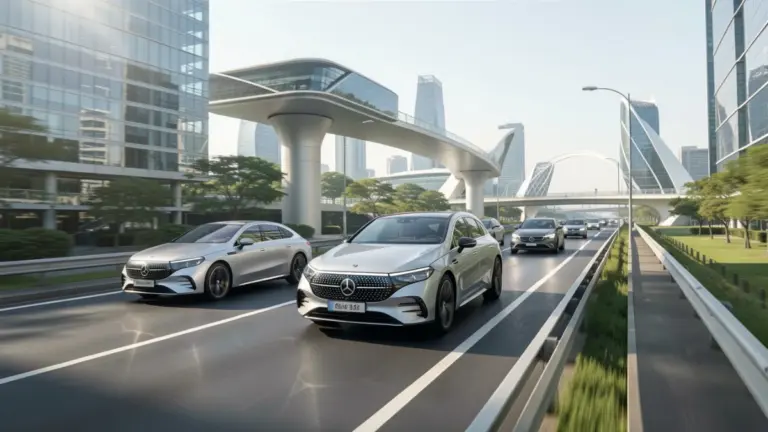
Entry-level EVs like the Nissan Leaf start around $28,000, while luxury options like the Mercedes EQS can easily top $100,000. But here’s where it gets interesting – the total cost of ownership often tells a completely different story than that initial sticker shock.
Tesla has dominated headlines with their pricing strategy, frequently adjusting prices based on demand and production capacity. Their Model 3, once positioned as the “affordable” Tesla at $35,000, now starts closer to $40,000 for the base model. Meanwhile, traditional automakers like Ford have been aggressive with competitive pricing – their F-150 Lightning starts at around $50,000, which is remarkably reasonable for a full-size electric truck.
Understanding Your Financing Options
Traditional Auto Loans for EVs
Most banks and credit unions now offer auto loans specifically tailored for electric vehicles, often with better rates than conventional car loans. Why? Financial institutions recognize that EV buyers tend to have higher credit scores and stable incomes, making them lower-risk borrowers.
Here’s what you need to know: EV auto loan rates typically range from 3-7% APR, depending on your credit score and the lender. Some credit unions offer rates as low as 2.99% for qualified buyers. The loan terms usually mirror traditional auto loans – anywhere from 36 to 84 months, though I’d caution against stretching too far on the term length.
One unique aspect of EV financing is how lenders handle depreciation. Early EVs depreciated rapidly, making lenders nervous. However, newer models with better range and build quality are holding their value much better, which translates to better loan terms for you.
Leasing: The Popular EV Choice
Here’s something that might surprise you – about 75% of electric vehicles are leased rather than purchased outright. There are some compelling reasons for this trend that go beyond just lower monthly payments.
First, leasing protects you from the technology risk. EV technology is advancing rapidly, and what seems cutting-edge today might feel dated in three years. Leasing lets you upgrade without worrying about your car’s resale value.
Second, lease deals on EVs are often exceptionally attractive. Manufacturers like BMW, Mercedes, and even Tesla frequently offer subsidized lease rates to move inventory. I’ve seen BMW i3 lease deals as low as $199/month, and Model 3 leases under $400/month – numbers that make the monthly cost competitive with many gas cars.
The catch? Mileage restrictions can be tighter on EV leases, and you won’t benefit from any federal tax credits directly (though they’re often built into the lease calculation, reducing your monthly payment).
Manufacturer Financing Programs
Most EV manufacturers offer their own financing programs, and these can be surprisingly competitive. Tesla’s financing, for instance, is handled through partner banks but often features promotional rates. Ford Credit has been aggressive with their Lightning financing, offering 0.9% APR for qualified buyers during promotional periods.
What’s particularly interesting is how some manufacturers structure their programs around the total cost of ownership. Volvo, for example, has offered financing deals that include maintenance, charging credits, and even insurance – creating a single monthly payment that covers everything EV-related.
Government Incentives: Your Secret Weapon
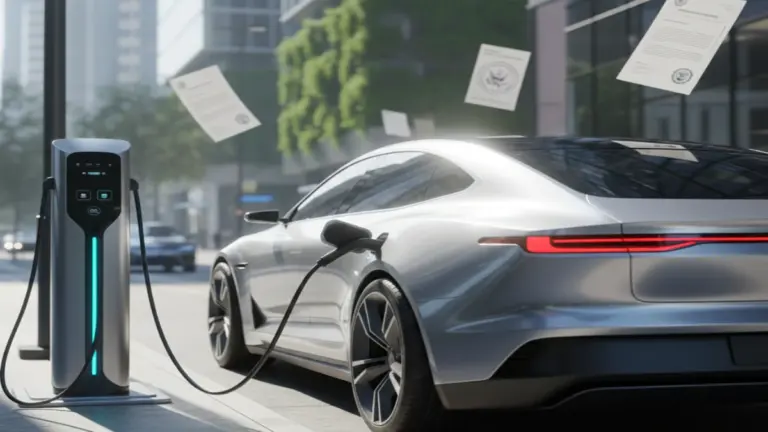
This is where electric car financing gets really interesting, and frankly, where many people leave money on the table. The federal government currently offers up to $7,500 in tax credits for new EV purchases, but there’s a catch – not all vehicles qualify, and not all buyers can take full advantage.
The federal credit has income limits ($300,000 for joint filers, $225,000 for head of household, $150,000 for single filers) and vehicle price caps ($80,000 for SUVs, $55,000 for other vehicles). Additionally, vehicles must meet final assembly and battery component requirements that have eliminated some popular models from eligibility.
But here’s where it gets better – many states offer their own incentives on top of federal credits. California offers up to $7,000 in rebates, Colorado provides $5,000, and New York offers $2,000. Some states even offer additional incentives for lower-income buyers or specific vehicle types.
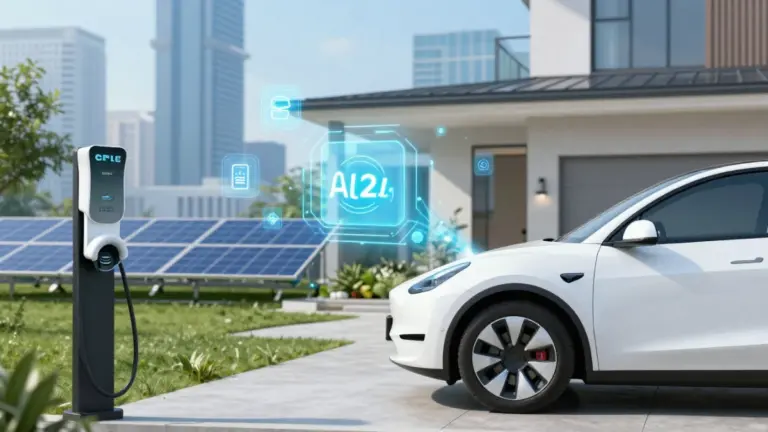
Local utilities often sweeten the deal further with rebates for home charging station installations or special electricity rates for EV owners. My local utility offers a $500 rebate for Level 2 charger installation plus a special EV rate that cuts my charging costs by about 40%.
Brand-by-Brand Financing Breakdown
Tesla: The Premium Pioneer
Tesla’s approach to financing is as unconventional as their cars. They offer direct financing through partner banks, typically with competitive rates for qualified buyers. What sets Tesla apart is their approach to leasing – they’ve historically kept lease residual values high, which can mean higher monthly payments but reflects their confidence in resale values.
Tesla also offers something unique: the ability to purchase your leased vehicle at the end of the term, though they’ve eliminated this option on newer leases. Their financing calculator is impressively transparent, showing exactly how federal incentives affect your monthly payment.
Typical Tesla Model 3 financing: $40,000 purchase price, with good credit you might see 4.5% APR over 60 months, resulting in payments around $650/month before incentives.
Traditional Luxury Brands (BMW, Mercedes, Audi)
German luxury brands have been surprisingly aggressive with EV financing, often using subsidized lease rates to drive adoption. BMW’s i4 and iX models frequently feature lease deals that seem almost too good to be true – and sometimes they are, with complex mileage and wear-and-tear restrictions.
These brands typically offer the most comprehensive financing packages, often bundling maintenance, roadside assistance, and even charging network access. BMW’s i3, while discontinued, was legendary for lease deals under $200/month during end-of-model-year clearances.
American Brands (Ford, GM, Cadillac)
Ford and GM have taken a volume approach to EV financing, offering competitive rates designed to win market share from Tesla. Ford’s Lightning financing has been particularly aggressive, with promotional rates as low as 0.9% APR for qualified buyers.
GM’s approach is interesting because they’ve focused on total cost of ownership messaging in their financing materials, highlighting fuel savings alongside monthly payment information. Their Ultium platform vehicles (like the Cadillac Lyriq) often come with competitive lease deals that include charging credits.
Budget-Friendly Options (Nissan, Hyundai, Kia)
Don’t overlook the value brands – they often offer the most straightforward financing with fewer strings attached. Nissan’s Leaf consistently ranks among the most affordable EVs to finance, and Hyundai/Kia have been aggressive with both purchase financing and lease deals.
These brands are particularly good about working with buyers who have less-than-perfect credit, often offering extended warranties and certified pre-owned programs that make financing more accessible.
Smart Shopping Strategies
Here’s what I wish someone had told me before I started EV shopping: treat the financing as seriously as the car choice itself. The same vehicle can cost dramatically different amounts depending on how you finance it and which incentives you qualify for.
Start by getting pre-approved for financing from your bank or credit union before you shop. This gives you leverage and a clear understanding of what you can afford. Many buyers get caught up in the excitement of the car and don’t negotiate the financing terms properly.
Second, do the math on total cost of ownership, not just monthly payments. That expensive Tesla might actually cost less over three years than a cheaper alternative when you factor in fuel savings, maintenance costs, and resale value.
Finally, timing matters. End of quarter, end of model year, and end of calendar year often bring the best financing deals as manufacturers push to hit sales targets.
Making Your Electric Future Affordable
The transition to electric doesn’t have to break the bank, but it does require some homework. The financing landscape for EVs is more complex than traditional vehicles, but it’s also more opportunity-rich for informed buyers.
Whether you’re looking at a budget-friendly Leaf or dreaming of a luxury EQS, there’s likely a financing solution that can make your electric future affordable. The key is understanding all your options – from traditional loans to manufacturer incentives to federal and state credits – and finding the combination that works best for your situation.
Remember, you’re not just buying a car; you’re investing in technology that will save you money at the pump for years to come. When you factor in those fuel savings alongside smart financing, that electric dream might be more affordable than you think.
Take your time, do the research, and don’t be afraid to negotiate. The electric revolution is here, and with the right financing strategy, you can be part of it without sacrificing your financial peace of mind.