Picture this: you’re planning a road trip in your shiny new electric car, mapping out charging stops along the way. But then you realize something crucial – not every charging station works with every electric vehicle. Sound familiar? If you’re feeling overwhelmed by the maze of charging networks, connector types, and brand-specific requirements, you’re definitely not alone.
The charging infrastructure landscape can feel like navigating a foreign country without a map, especially when different EV brands seem to speak different “charging languages.” But here’s the good news: understanding these differences doesn’t have to be rocket science. Whether you’re shopping for your first electric car or trying to make sense of your current EV’s charging options, this guide will help you cut through the confusion and make informed decisions about your electric journey.
The Great Charging Connector Divide
Let’s start with the basics – the physical connectors that actually plug into your car. Think of these like different types of phone chargers, except the stakes are higher because you can’t just borrow a friend’s cable when you’re stranded.
In North America, we’re dealing with a fascinating transition period. Most non-Tesla EVs use the Combined Charging System (CCS) connector, which looks like a rounded rectangle with additional pins at the bottom. This has been the industry standard for years, and you’ll find CCS ports on vehicles from Ford, GM, Volkswagen, BMW, Hyundai, and dozens of other manufacturers.
Tesla, however, has always marched to the beat of its own drum with their proprietary connector – sleek, compact, and exclusive to Tesla vehicles. For years, this meant Tesla owners had access to the extensive Supercharger network, while everyone else relied on a patchwork of third-party charging stations.
But here’s where things get interesting: in late 2022, Tesla announced they were opening their connector design as the “North American Charging Standard” (NACS). Major automakers like Ford, GM, and others have since announced they’ll adopt NACS in future models. This means we’re heading toward a more unified charging future, though we’re not quite there yet.
Tesla’s Charging Kingdom: The Gold Standard?
When it comes to charging infrastructure, Tesla has been playing chess while others were playing checkers. The Supercharger network boasts over 50,000 connectors worldwide, with stations strategically placed along major highways and in urban centers. What makes Superchargers special isn’t just their numbers – it’s their reliability and speed.
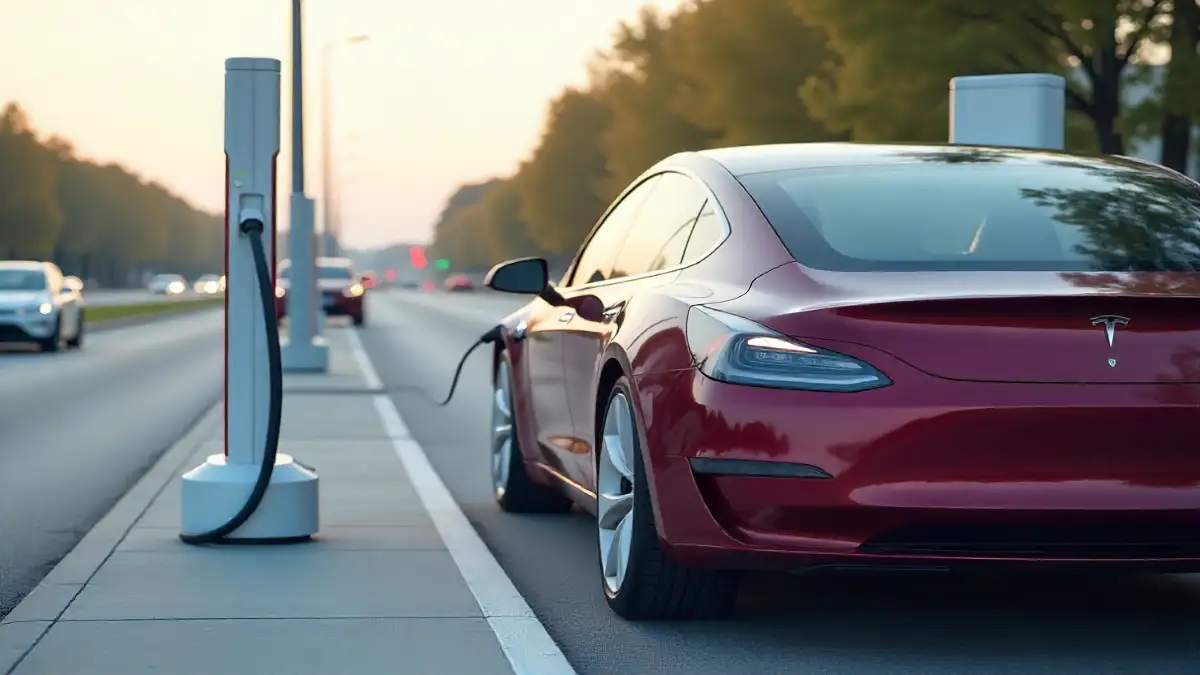
Tesla owners enjoy plug-and-charge simplicity: just pull up, plug in, and the payment happens automatically through your Tesla account. No fumbling with apps or credit cards. The charging experience is seamlessly integrated with your car’s navigation system, which automatically routes you to Superchargers and even preconditions your battery for optimal charging speeds.
Here’s what Tesla owners get access to:
- Supercharger Network: High-speed DC charging (up to 250kW) for long-distance travel
- Destination Charging: Slower AC chargers at hotels, restaurants, and shopping centers
- Urban Superchargers: Compact chargers designed for city environments
- Third-party networks: Through adapters, access to most CCS and CHAdeMO stations
The downside? You’re somewhat locked into Tesla’s ecosystem. While adapters exist for using non-Tesla networks, they can be clunky and don’t always work seamlessly.
The CCS Coalition: Strength in Numbers
If Tesla is the iPhone of EVs, then CCS vehicles are like Android phones – more variety, more options, but sometimes less consistency. CCS-equipped vehicles can access a growing network of charging providers, each with their own strengths and coverage areas.
Electrify America leads the pack with over 3,500 charging stations across the US, offering charging speeds up to 350kW. They’ve focused heavily on highway corridors and major metropolitan areas. The catch? Pricing can be complex, with different rates for members versus non-members, and reliability has historically been spotty compared to Tesla.
EVgo operates one of the largest public fast-charging networks, with over 2,700 locations. They’ve partnered with major retailers like Whole Foods and Meijer, making charging convenient during shopping trips. Their network is particularly strong in California and metropolitan areas.
ChargePoint takes a different approach, operating more like a platform that connects drivers with charging station owners. They have over 114,000 charging spots, though many are slower Level 2 chargers rather than fast DC charging.
For CCS vehicle owners, this diversity means more options but also more complexity. You might need multiple apps, different payment methods, and varying levels of reliability depending on which network you choose.
Home Charging: The Great Equalizer
Here’s where brand differences start to blur: at home, most EVs charge using standard household electricity. Whether you drive a Tesla Model 3 or a Ford Mustang Mach-E, you can plug into a regular 120V outlet using the charging cable that comes with your car. It’s slow – adding about 4-5 miles of range per hour – but it works for light daily driving.
Step up to a 240V outlet (the same type your dryer uses), and charging speeds increase dramatically. Most EVs can add 25-40 miles of range per hour at this level, which is perfect for overnight charging.
The real difference comes with dedicated home charging stations. Tesla’s Wall Connector offers sleek integration with Tesla vehicles and can charge at up to 48 amps. For CCS vehicles, options like the ChargePoint Home Flex or JuiceBox provide similar functionality with universal compatibility.
Smart charging features are becoming increasingly important regardless of brand. These include:
- Scheduling: Charge during off-peak hours when electricity is cheaper
- Load balancing: Automatically adjust charging speed based on your home’s electrical usage
- Remote monitoring: Check charging status from your smartphone
- Solar integration: Coordinate with home solar panels to maximize clean energy use
The Adapter Game: Bridge Solutions
What happens when you drive a CCS vehicle but want to use Tesla Superchargers, or vice versa? Enter the world of charging adapters – small devices that can expand your charging options significantly.
Tesla owners can purchase CHAdeMO and CCS adapters directly from Tesla, opening up access to virtually every charging network in North America. The CCS adapter, in particular, unlocks Electrify America’s high-speed network and numerous other charging options.
For non-Tesla drivers, the situation has been more limited. Tesla-to-CCS adapters exist but aren’t officially supported and can be risky to use. However, this is changing as Tesla opens its Supercharger network to other brands. The company has begun installing “Magic Dock” adapters at select Supercharger locations, allowing CCS vehicles to charge using a built-in adapter.
Real-World Charging Strategies by Brand
Your charging strategy will largely depend on your vehicle brand and how you use your car. Let me share some real-world scenarios that illustrate these differences.
Tesla owners often develop a “Supercharger-first” mentality for road trips, planning routes around Tesla’s network. For daily driving, most rely heavily on home charging, using Superchargers primarily for longer journeys. The integration between the car’s navigation system and charging network makes this seamless – your Tesla will automatically suggest charging stops and even precondition the battery for faster charging.
Ford Lightning or Mach-E owners benefit from Ford’s partnership with multiple charging networks. Ford includes complimentary charging credits for Electrify America and has announced future access to Tesla Superchargers. The FordPass app aggregates multiple charging networks, reducing the need for multiple apps.
GM vehicle owners (Bolt, upcoming Equinox EV) get similar multi-network access through the myChevrolet app, with partnerships spanning Electrify America, EVgo, and others. GM has also committed to Tesla’s NACS connector for future models.
Luxury brand owners (BMW, Audi, Mercedes) often enjoy premium charging partnerships. For example, BMW provides complimentary charging at EVgo stations for the first two years of ownership, while Audi includes charging credits at Electrify America.
The Future of Charging Compatibility
The charging landscape is evolving rapidly, and several trends are reshaping brand compatibility. The biggest game-changer is Tesla’s decision to open its Supercharger network and license its connector technology. By 2025, most major automakers will offer NACS ports on new vehicles, dramatically simplifying the charging experience.
Government investment is also playing a crucial role. The Infrastructure Investment and Jobs Act allocated $7.5 billion for EV charging infrastructure, with requirements that federally funded chargers support multiple connector types. This should accelerate the buildout of reliable, brand-agnostic charging stations.
Payment standardization is another area seeing improvement. The rise of Plug&Charge technology allows any compatible EV to start charging automatically without apps or cards, similar to Tesla’s current system. ISO 15118 is the technical standard making this possible across brands.
Making the Right Choice for Your Needs
So, how do you navigate this charging compatibility maze when choosing an EV? Start by honestly assessing your driving patterns. If you rarely venture beyond your daily commute, home charging capability matters more than public network access. A reliable 240V home setup will handle 90% of your charging needs regardless of brand.
For frequent road trippers, Tesla’s Supercharger network still offers the most consistent experience, though the gap is narrowing. However, consider your timeline – if you’re buying in 2024-2025, non-Tesla brands will soon gain Supercharger access, leveling the playing field.
Regional considerations matter too. Tesla’s network dominance is most pronounced in rural and highway locations. In urban areas, the variety of CCS charging options often provides more flexibility and competitive pricing.
Don’t forget about workplace and destination charging. Many employers are installing EV chargers, and these typically use universal connectors that work with any brand. Hotels, shopping centers, and other destinations are following suit.
Your Charging Journey Starts Here
The electric vehicle charging landscape might seem complicated, but it’s rapidly simplifying. Whether you choose Tesla’s integrated approach or the flexibility of CCS-equipped vehicles, you’re entering an era where charging compatibility is becoming less of a concern and more of a convenience.
The key is understanding your specific needs and choosing accordingly. Heavy road trippers might still lean toward Tesla’s proven network, while urban drivers might prefer the flexibility and competitive pricing of multiple CCS networks. Home charging capability should factor into any decision, as it provides the foundation for convenient EV ownership regardless of brand.
As we move toward a more standardized future with NACS adoption and expanded network access, your charging options will only improve. The electric future is bright, and it’s becoming more accessible every day. Ready to take the plug?