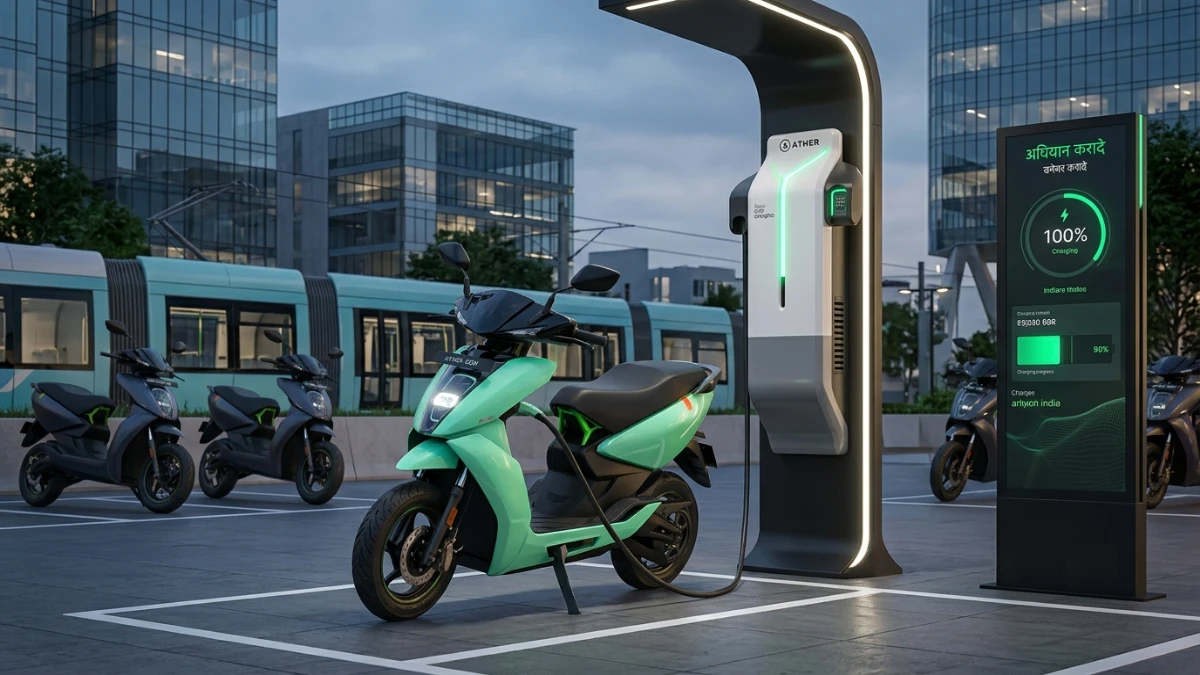
Ather Grid has become one of India’s largest electric two-wheeler charging networks, with over 5,000 chargers across 395+ cities. Using the Ather Grid app, riders can quickly locate stations, start charging sessions, and add around 15 km of range in just 10 minutes. The network’s expanding LECCS-based infrastructure helps reduce range anxiety and makes electric scooters more practical for daily commuting and longer journeys.
If you’ve ever eyed an Ather 450X or Rizta and wondered “but where do I actually charge this thing when I’m out and about?”—you’re asking exactly the right question. The answer is Ather Grid, and it’s grown into one of the most extensive public charging networks for electric two-wheelers in India.
In this guide, I’ll walk you through what Ather Grid actually is, how it works, what it costs, and how it compares to charging at home. I’ve spent years following the EV space closely, and if there’s one thing that separates confident EV owners from anxious ones, it’s understanding the charging ecosystem before you need it—not while you’re stranded with 8% battery in traffic.
What Is Ather Grid, Exactly?
Ather Grid is Ather Energy’s own public charging network, built specifically to eliminate range anxiety for electric two-wheeler riders. Think of it less like a gas station and more like a “top-up” network—you’re not necessarily charging here because it’s the cheapest option, but because it’s there when you need a quick boost.
The network runs on two types of chargers:
- Ather Grid chargers – DC fast chargers placed at high-traffic public spots like malls, cafes, restaurants, and commercial hubs
- Ather Neighbourhood Chargers – slower chargers designed for apartments, offices, and residential complexes, compatible with all EVs, not just Ather’s own
You locate and use both through the Ather Grid app: open it, tap into the map view, find a nearby charger, scan the QR code to authenticate, set your charging duration, and you’re good to go. The app also lets you monitor your session remotely and pay only for the time you actually charge.
How Big Is the Network Right Now?
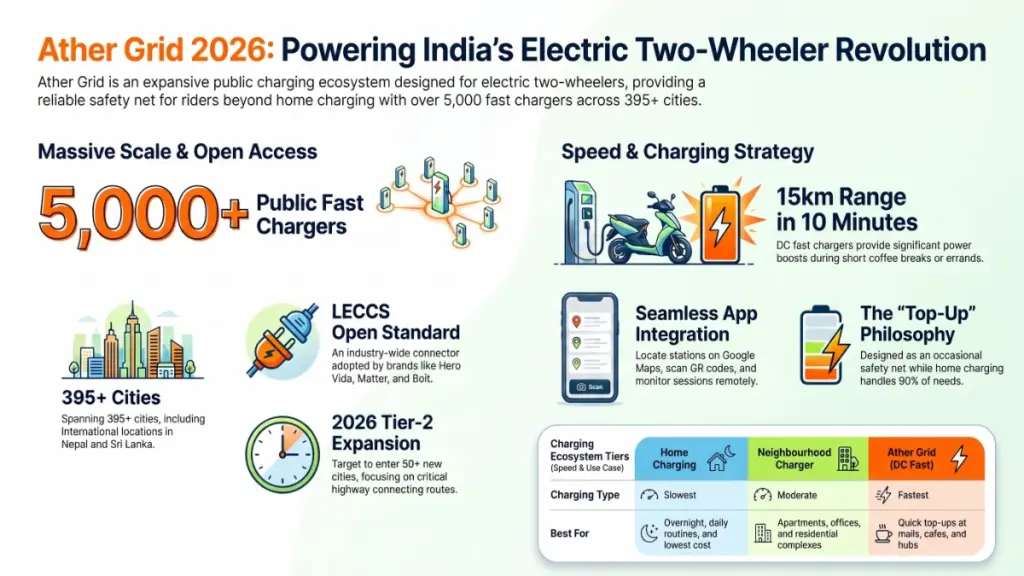
This is where things get genuinely impressive. Ather Energy has scaled its charging footprint dramatically over the past couple of years. As of the company’s most recent expansion update, <cite index=”2-1″>Ather riders now have access to over 5,000 public fast chargers across India, combining stations the company operates directly with partner networks.</cite>
Breaking that down further, <cite index=”2-1″>the network includes more than 3,675 fast chargers that Ather operates directly, plus another 1,400-plus chargers available through partner charge point operators, spanning more than 395 cities and even reaching into Nepal and Sri Lanka.</cite>
All of this runs on a connector standard Ather itself pioneered:
- LECCS (Light Electric Combined Charging System) – <cite index=”2-1″>a connector standard Ather developed that has since been adopted by other manufacturers including Hero Vida and Matter, along with charge point operators like Bolt, Kazam, and EVamp</cite>
- Google Maps integration – <cite index=”2-1″>LECCS-compatible vehicle owners can locate and navigate to charging stations directly through Google Maps</cite>
That kind of cross-brand adoption matters more than it might seem at first glance. When a charging standard gets picked up industry-wide rather than staying locked to one manufacturer, it signals the infrastructure is built to last—not a proprietary dead end.
Ather isn’t slowing down, either. The company has publicly committed to pushing this network into smaller cities, with plans targeting over 50 new tier-2 cities by the end of 2026, particularly along highway routes that connect them. If you live outside a major metro, this expansion is worth watching closely—it’s often the difference between an EV being “just for city commutes” and being a genuinely viable primary vehicle.
How Fast Does Ather Grid Actually Charge Your Scooter?
Here’s the number that matters most for day-to-day use: Ather Grid’s DC fast chargers can add roughly 15 km of range for every 10 minutes plugged in. That’s not full-tank-in-a-blink territory, but it’s enough to turn a coffee break or a quick errand into a meaningful top-up.
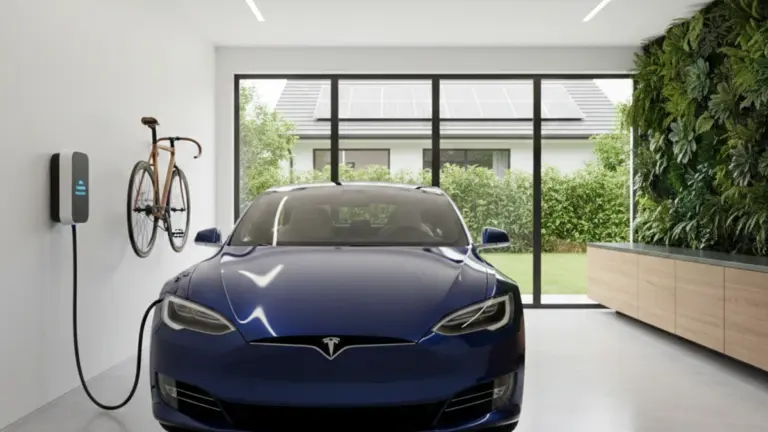
Compare that to a wall socket at home, and the difference is stark. Home charging is slow and steady—perfect overnight, useless if you’re out and suddenly low on charge. Grid charging exists specifically to fill that gap.
A simple way to think about it:
| Charging Type | Speed | Best For | Typical Cost |
|---|---|---|---|
| Home charging | Slowest | Overnight, daily routine | Lowest (your home electricity rate) |
| Ather Neighbourhood Charger | Moderate | Apartments, offices, universities | Low-moderate |
| Ather Grid (DC fast) | Fastest | Quick top-ups while out | Higher, priced by time or session |
Pricing on the Grid does vary by city and by plan, so don’t expect one flat number to hold everywhere -but the general rule holds: public fast charging costs more per kWh than plugging in at home, and that premium is the price you’re paying for speed and convenience, not something to be alarmed by.
Home Charging vs. Ather Grid: Which Should You Actually Use?
Honestly? Both, and that’s the point.
Use home charging when:
- You’re charging overnight or during long stretches at home
- You want the lowest possible running cost
- Your daily commute fits comfortably within one full charge
Use Ather Grid when:
- You’re out and your battery is dipping lower than you’d like
- You need a fast top-up rather than a full charge
- You’re traveling somewhere without home charging access
- You simply want the peace of mind of knowing a station is nearby
Most Ather owners I’ve spoken with over the years settle into this exact rhythm: home charging handles 80-90% of their needs, and the Grid becomes an occasional safety net rather than a daily habit. That’s a healthy pattern—it keeps your costs low while still giving you the flexibility public infrastructure provides.
Where You’ll Find Ather Grid Stations
Ather has been deliberate about placement. Rather than scattering chargers randomly, the network prioritizes spots people naturally visit anyway:
- Shopping malls and commercial complexes
- Cafes and restaurants
- Apartment complexes and office parks
- High-traffic urban corridors
The idea is simple: you shouldn’t need to make a special trip just to charge. If you’re already grabbing coffee or running errands, the charger should be right there, working in the background while you go about your day.
Becoming a host location costs businesses nothing—Ather covers the installation, and the property simply provides space and permissions. That model has helped the network expand quickly without the capital drag that usually slows down charging infrastructure rollouts.
Common Questions About Ather Grid
Is Ather Grid available in my city? With coverage now extending past 395 cities—including international locations—there’s a good chance the answer is yes. The fastest way to check is opening the Ather Grid app and looking at the live map for your area.
Do I need an Ather scooter to use Ather Grid? Ather Grid’s DC fast chargers are built around the LECCS standard, which other manufacturers have now adopted too. Neighbourhood Chargers, on the other hand, are compatible with all EVs regardless of brand.
Is public charging safe for my scooter’s battery long-term? Occasional fast charging is generally fine for modern EV batteries. The bigger concern is habit—relying on fast charging exclusively, day after day, tends to generate more heat cycling than slower home charging. Used as the top-up tool it’s designed to be, it’s a non-issue.
Key Takeaways
- Ather Grid is Ather Energy’s public fast-charging network, now spanning over 5,000 chargers across 395+ cities, including international reach into Nepal and Sri Lanka
- The network runs on LECCS, an open standard now adopted by other EV brands and charge point operators
- Fast chargers add roughly 15 km of range per 10 minutes—ideal for quick top-ups, not full daily charging
- Home charging remains your cheapest, most convenient default; the Grid is your safety net
- Expansion into tier-2 cities is actively underway, with more than 50 new cities targeted by the end of 2026
If range anxiety has been the one thing holding you back from going electric, networks like Ather Grid are exactly the kind of infrastructure that changes the calculation. The next time you’re out and your battery dips lower than you’d like, open the app, find the nearest station, and see for yourself how painless a quick top-up can be.