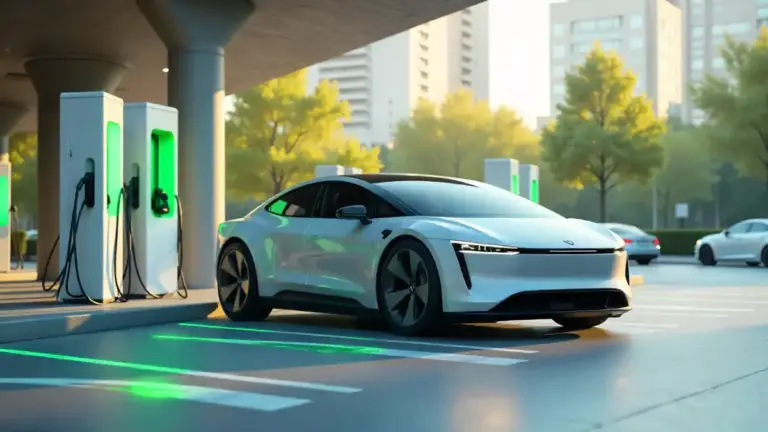
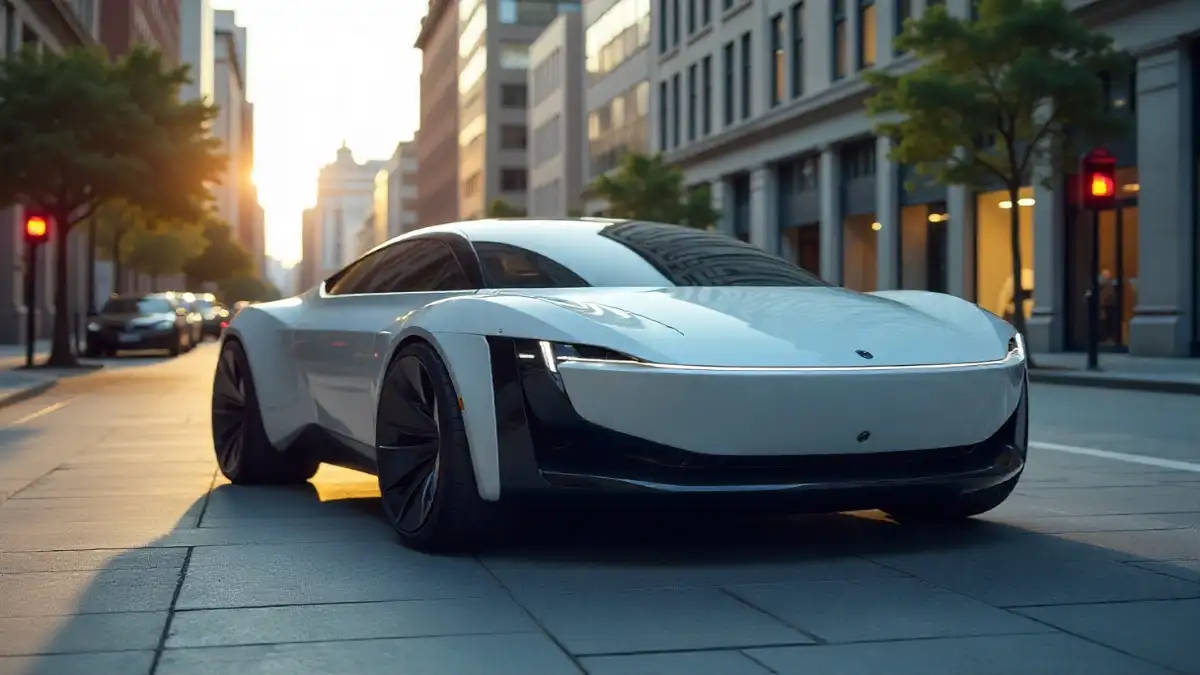
BEVs electric motor battery zero emissions are transforming the world of transportation. In 2022, over 2 million Battery Electric Vehicles (BEVs) were sold globally, highlighting their growing popularity as a cleaner, more sustainable alternative to traditional cars.
You might be wondering what makes electric vehicles so appealing. The answer lies in their key components: the electric motor and battery. Together, they provide a powerful and efficient driving experience while producing zero emissions.

As you explore the world of BEVs, you’ll discover the numerous benefits they offer, from reduced environmental impact to lower operating costs. In this guide, we’ll delve into the details of BEVs, helping you make an informed decision about your next vehicle.
Key Takeaways
- Electric vehicles are becoming increasingly popular worldwide.
- BEVs offer a sustainable transportation option with zero emissions.
- The electric motor and battery are key components of BEVs.
- This technology provides a powerful and efficient driving experience.
- Lower operating costs are a significant advantage of BEVs.
Understanding Battery Electric Vehicles (BEVs)
Battery Electric Vehicles (BEVs) are at the forefront of the electric revolution, providing a unique blend of performance, efficiency, and environmental benefits. As you explore the world of BEVs, it’s essential to understand what sets them apart from conventional vehicles.
What Makes BEVs Different from Conventional Vehicles
Unlike traditional gasoline-powered vehicles, BEVs are powered solely by electric motors, using energy stored in rechargeable batteries. This fundamental difference eliminates tailpipe emissions, reducing air pollution and greenhouse gas emissions. BEVs offer a cleaner, more sustainable alternative for your daily transportation needs.
The Growing Popularity of Electric Vehicles in the US
The US market has seen a significant surge in the adoption of electric vehicles, driven by government incentives, declining battery costs, and growing environmental awareness. As a result, BEVs are becoming increasingly popular among consumers looking for eco-friendly transportation options.
Current Market Trends and Adoption Rates
Recent data indicates a steady increase in BEV sales, with many manufacturers expanding their electric lineups. Government policies and investments in charging infrastructure are further accelerating the adoption of BEVs, making them a more viable choice for many drivers.
BEVs: Electric Motor, Battery, and Zero Emissions – The Core Components
At the heart of every Battery Electric Vehicle (BEV) are three core components that work in harmony to provide a sustainable driving experience. These components are crucial for the vehicle’s operation, efficiency, and environmental benefits.
The Electric Powertrain System
The electric powertrain system is a critical component of BEVs, comprising several key parts that work together to propel the vehicle. The electric motor converts electrical energy into mechanical energy, driving the wheels.
Key Components and Their Functions
- The battery stores electrical energy, supplying power to the electric motor.
- The power electronics controller manages the flow of energy between the battery and the electric motor.
- The transmission system optimizes the power output for efficient operation.
How These Components Work Together
The synergy between the electric motor, battery, and other components enables BEVs to achieve zero emissions, making them a green technology solution for transportation. By understanding how these components interact, you can appreciate the efficiency and environmental benefits of BEVs.
In conclusion, the electric motor, battery, and zero emissions capability are the core components that make BEVs an attractive alternative to traditional vehicles, aligning with the growing interest in green technology.
How Electric Motors Power Your BEV
Electric motors are the heart of Battery Electric Vehicles (BEVs), providing the power needed for movement. They are highly efficient, converting a significant amount of the electrical energy drawn from the battery into mechanical energy.
Types of Electric Motors in Today’s Market
The most common types of electric motors used in BEVs are Permanent Magnet motors and Induction Motors. Permanent Magnet motors are known for their high efficiency and are widely used in many EV models.
Permanent Magnet vs. Induction Motors
Permanent Magnet motors use magnets to generate the magnetic field, whereas Induction Motors use electrical current. The choice between them depends on the specific requirements of the vehicle, including factors like efficiency, cost, and performance.
Power Generation and Delivery
Electric motors in BEVs generate power by converting electrical energy from the battery into mechanical energy. This process is highly efficient, with most modern electric motors achieving efficiencies of over 90%.
Regenerative Braking: Extending Your Range
One of the key benefits of electric motors is their ability to capture kinetic energy through regenerative braking. This process involves the motor acting as a generator, converting the vehicle’s kinetic energy back into electrical energy, which is then stored in the battery, thereby extending the vehicle’s range.
Navigating Battery Technology in Modern BEVs
To get the most out of your BEV, it’s essential to understand the battery technology that powers it. The battery is the heart of your eco-friendly car, influencing both its performance and range.
Understanding Lithium-Ion Battery Systems
Lithium-ion batteries are the standard in BEVs due to their high energy density and relatively long lifespan. These batteries work by transferring lithium ions between two electrodes, a process that generates electricity to power your vehicle.
How to Maximize Battery Life and Performance
To maximize your BEV’s battery life, avoid extreme temperatures and keep the battery level between 20% and 80% charged if possible. Regular software updates can also improve battery performance.
Evaluating Range Specifications When Choosing a BEV
When selecting a BEV, understanding its range is crucial. Range specifications can vary significantly based on the test cycle used. It’s essential to look at real-world range estimates.
Real-world Factors Affecting Range
Several factors can affect your BEV’s range, including driving habits, terrain, and climate. For instance, aggressive driving or frequent uphill driving can reduce range, as can extreme cold or hot weather conditions.
By understanding these factors and how to manage them, you can optimize your BEV’s performance and enjoy a more eco-friendly driving experience.
Zero Emissions: Environmental Benefits of Your BEV
One of the most compelling reasons to opt for a BEV is its potential to significantly reduce your carbon footprint. By choosing an electric vehicle, you’re contributing to a cleaner environment and a healthier planet.
Measuring Your Carbon Footprint Reduction
To understand the impact of your BEV, it’s essential to measure its carbon footprint reduction. Studies have shown that BEVs produce significantly less emissions over their lifetime compared to traditional internal combustion engine vehicles. For instance, a study by the Union of Concerned Scientists found that BEVs in the US produce less than half the emissions of gasoline-powered cars.
| Vehicle Type | Average Emissions (grams/mile) |
|---|---|
| BEV | 0 |
| Gasoline-Powered Vehicle | 404 |
Combining BEVs with Renewable Energy Sources
Combining your BEV with renewable energy sources like solar or wind power can further reduce your carbon footprint. As renewable energy becomes more prevalent, the overall emissions associated with charging your BEV will continue to decrease.
“The future of transportation is electric, and when powered by renewable energy, it’s a game-changer for our planet.”
Addressing Common Environmental Concerns
While BEVs offer numerous environmental benefits, there are still concerns regarding battery production and disposal. However, the industry is working to address these issues through more sustainable manufacturing practices and recycling programs.
By embracing BEVs and the broader shift towards sustainable transportation, you’re playing a crucial role in reducing our reliance on fossil fuels and mitigating climate change.
Mastering BEV Charging for Daily Use
As you transition to a Battery Electric Vehicle (BEV), understanding how to charge it efficiently becomes a top priority. Effective charging habits not only ensure that your vehicle is always ready to go but also help in maximizing the lifespan of your battery.
Setting Up Home Charging Infrastructure
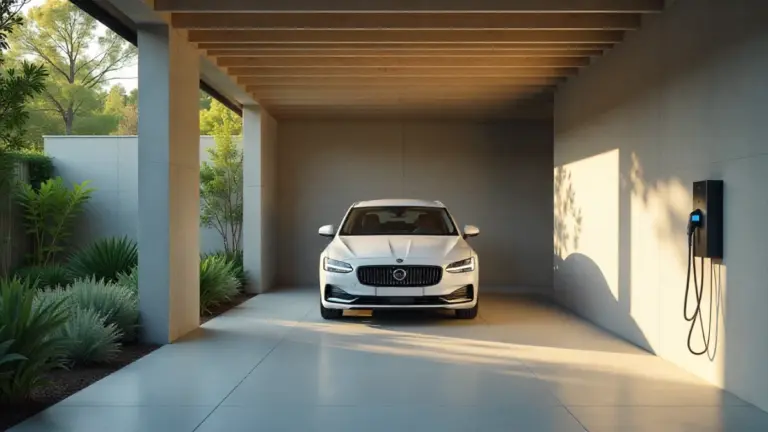
Setting up a home charging station is a crucial step in BEV ownership. It provides the convenience of charging your vehicle overnight, ensuring you’re ready for the next day. When considering home charging, it’s essential to understand the differences between Level 1 and Level 2 charging options.
Level 1 vs. Level 2 Charging Options
Level 1 charging uses a standard 120-volt outlet and is the most basic form of charging. It’s convenient but slow, typically adding 2-5 miles of range per hour of charging. Level 2 charging, on the other hand, requires a 240-volt charging station and can add 10-25 miles of range per hour. While it requires a higher upfront investment, Level 2 charging is significantly faster and more efficient for daily driving needs.
Finding and Using Public Charging Networks
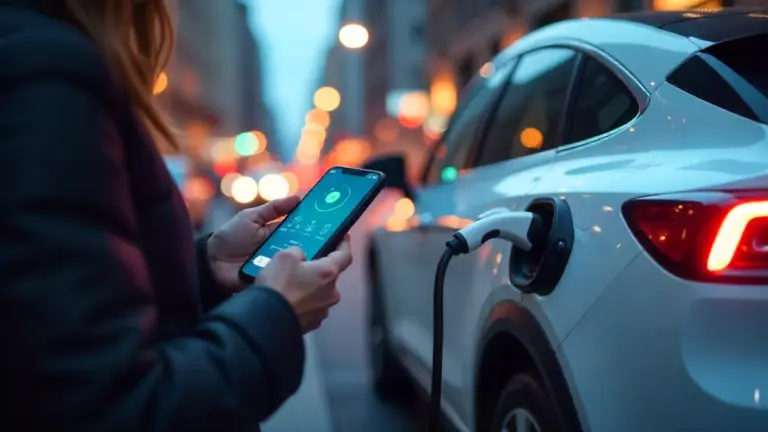
Beyond home charging, understanding how to use public charging networks is vital, especially for longer trips. You can find public charging stations through various apps and websites. Many shopping centers, parking garages, and along highways now offer charging points. Some networks also offer membership or pay-per-use models, so it’s worth exploring the options available in your area.
Planning for Long-Distance Travel with Your BEV
For long-distance travel, planning your charging stops in advance is key. You can use route-planning tools that integrate charging station locations along your route. Many BEVs also come with built-in navigation systems that highlight charging points. By planning your charging stops, you can enjoy long-distance travel with confidence, knowing that you’ll have the power you need when you need it.
By mastering these aspects of BEV charging, you can enjoy a seamless and efficient driving experience, making the most of your electric vehicle’s benefits.
Practical Guide to BEV Ownership and Maintenance
The shift from gas to electric vehicles requires adjustments in how you maintain and operate your vehicle. As you start your journey with a Battery Electric Vehicle (BEV), it’s essential to understand the practical aspects of ownership.
Transitioning from Gas to Electric: What to Expect
One of the most significant changes is the reduced maintenance need. BEVs have fewer moving parts compared to traditional gas-powered vehicles, resulting in less wear and tear. You can expect to save on oil changes and other maintenance tasks associated with gas engines.
Seasonal Considerations for BEV Operation
Weather conditions can impact your BEV’s performance. In cold climates, battery efficiency may decrease, affecting range. Conversely, hot weather can also strain the battery. Being aware of these factors can help you plan your trips and charging sessions more effectively.
Maintenance Schedule and Cost Savings
BEVs typically require less frequent maintenance. You can save on costs associated with brake pads due to regenerative braking. Regular checks on tire pressure and battery health are recommended.
Federal and State Incentives for BEV Owners
Many governments offer incentives for owning eco-friendly cars. You may be eligible for federal tax credits or state-specific benefits, such as rebates or exemptions from certain fees. Here are some key incentives to explore:
- Federal Tax Credits
- State Rebates
- HOV Lane Access
- Exemptions from Sales Tax or Registration Fees
Conclusion: Embracing the Electric Future
As you’ve explored the world of Battery Electric Vehicles (BEVs), it’s clear that their electric motor, advanced battery technology, and zero emissions make them an attractive option for those looking to reduce their environmental footprint. By understanding how BEVs work, from their electric powertrain system to regenerative braking, you’re better equipped to make an informed decision about joining the green technology revolution.
With the benefits of BEVs, including reduced carbon emissions and lower operating costs, it’s no wonder they’re gaining popularity in the US. As you consider making the switch to a BEV, remember that you’re not just changing your vehicle – you’re contributing to a more sustainable transportation system. By embracing BEVs, you’re part of a growing movement towards a cleaner, greener future.