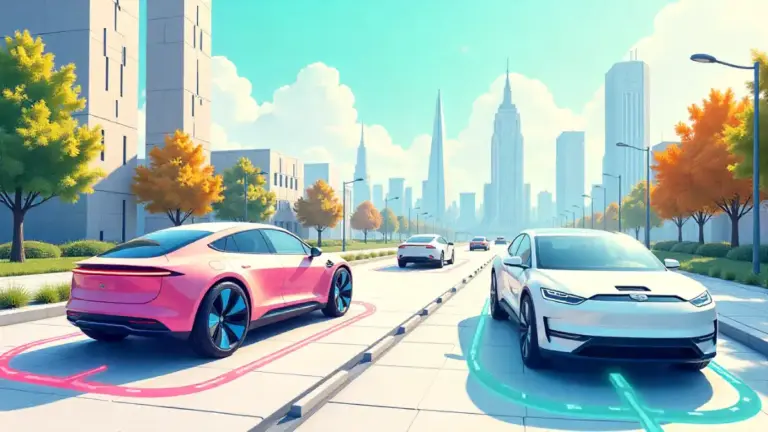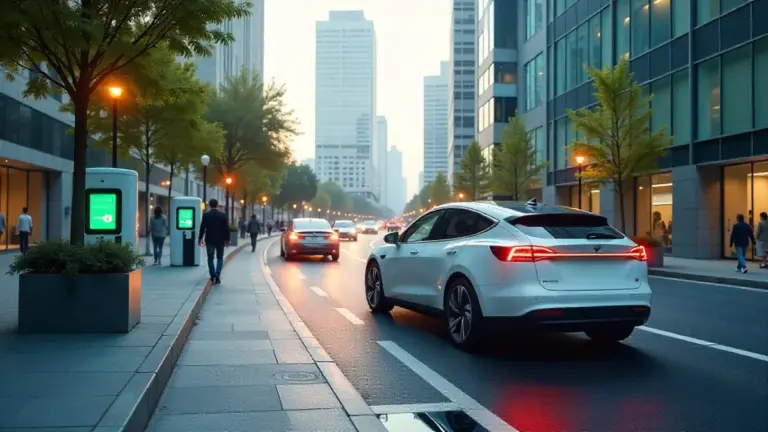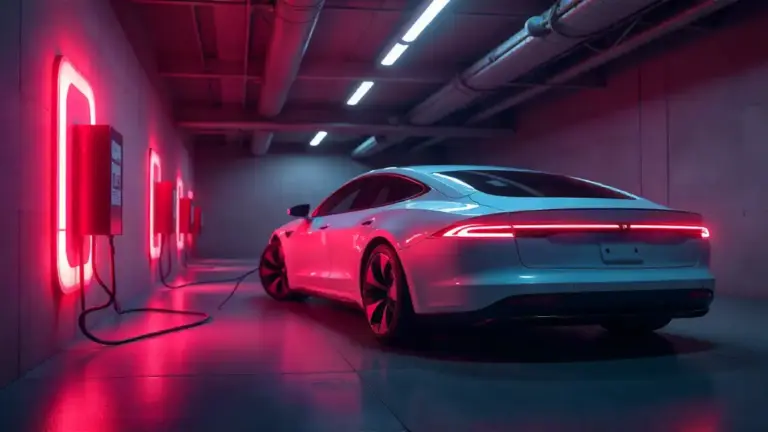
Picture this: you’re considering making the leap to electric, but there’s one nagging question keeping you up at night. “What if I run out of charge and there’s nowhere to plug in?” Understanding electric car charging infrastructure can ease this worry. Range anxiety is real, but knowing your options makes EV ownership much simpler.
Let me walk you through everything you need to know about electric car charging infrastructure. By the end of this article, you’ll have a clear picture of how charging works, where you can find it, and how to make it work seamlessly in your daily life.
The Three Levels of EV Charging: Your Complete Guide
Think of EV charging like filling up different sized containers with water. You’ve got your garden hose, your kitchen faucet, and your fire hydrant – each serves different purposes and fills at different speeds. That’s essentially how the three levels of EV charging work.
Level 1 Charging: The Gentle Giant
Level 1 charging is like that reliable old friend who’s always there when you need them. It uses a standard 120-volt household outlet – the same one you’d plug your phone charger into. You simply connect your EV to any regular wall outlet using the charging cable that comes with your car.
Now, let’s be honest about the speed here. Level 1 charging typically adds about 3-5 miles of range per hour of charging. If your daily commute is around 30-40 miles, plugging in overnight will easily cover your needs. But if you’re planning a road trip, you’ll need to think ahead or consider other options.
The beauty of Level 1 charging lies in its accessibility. Every home, apartment complex, and office building has these outlets. It’s incredibly convenient for people with predictable driving patterns who can charge overnight. Plus, there’s no additional equipment to buy – your car comes ready to use any standard outlet.
Level 2 Charging: The Sweet Spot
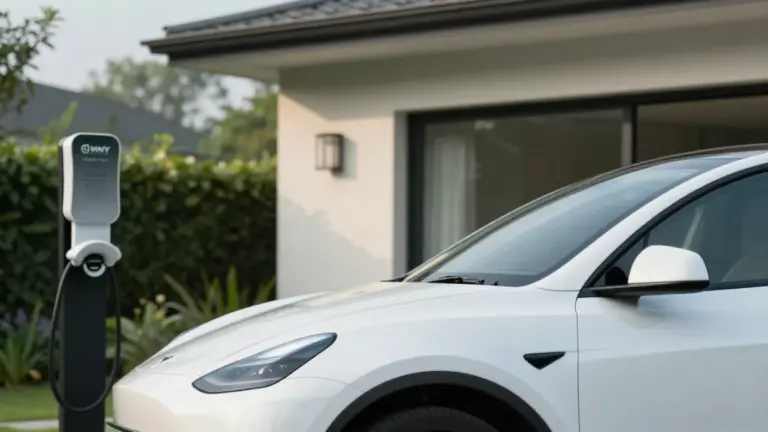
Here’s where things get interesting. Level 2 charging uses 240 volts – the same power that runs your clothes dryer or electric stove. This is the charging method most EV owners fall in love with because it strikes the perfect balance between speed and practicality.
With Level 2 charging, you’re looking at adding 25-40 miles of range per hour, depending on your vehicle and the specific charger. This means a typical overnight charge (6-8 hours) can fully replenish most EVs from nearly empty. It’s like having your own personal gas station in your garage.
Installing a Level 2 charger at home typically costs between $500-$2,000, including the unit and installation. While it’s an upfront investment, many EV owners consider it essential for daily convenience. You’ll also find Level 2 chargers becoming increasingly common in public spaces – shopping centers, workplaces, hotels, and parking garages are rapidly adding them.
DC Fast Charging: When You Need Speed
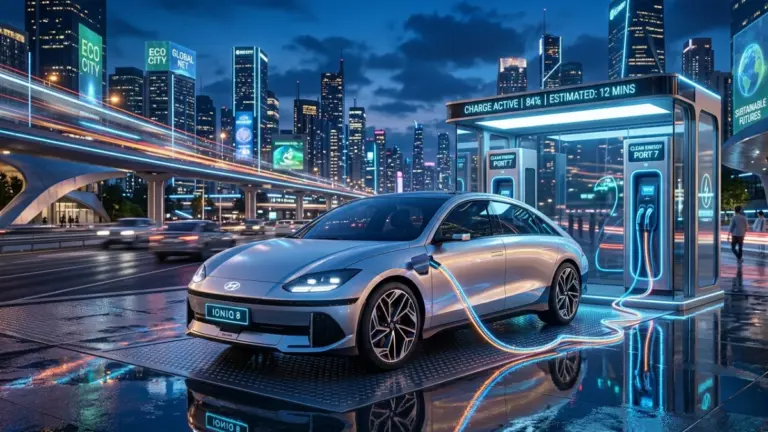
DC fast charging is the superhero of the charging world. These stations can add 60-200 miles of range in just 20-30 minutes, making them perfect for highway travel and quick top-ups during busy days.
Here’s how it works: instead of converting AC power to DC inside your car (like Level 1 and 2), DC fast chargers deliver power directly to your battery in its preferred format. It’s like having a direct line to your battery, bypassing the conversion process entirely.
You’ll typically find DC fast chargers along major highways, near shopping centers, and in urban areas where people need quick charging solutions. Networks like Tesla Superchargers, Electrify America, and ChargePoint have been rapidly expanding across the country, making long-distance EV travel increasingly feasible.
Where to Find Charging Stations: Your Roadmap to Power
The days of hunting desperately for a charging station are largely behind us, thanks to rapid infrastructure expansion and smart technology. But knowing where to look can save you time and reduce anxiety.
Your Home Base Strategy
For most EV owners, home charging handles 80-90% of their charging needs. Whether you install a dedicated Level 2 charger or stick with Level 1, having a reliable home charging setup changes everything about EV ownership. You start each day with a “full tank,” just like having your phone fully charged every morning.
If you live in an apartment or condo, don’t assume home charging is impossible. Many property managers are installing charging stations to attract tenants, and some states have laws requiring landlords to allow tenants to install chargers at their own expense.
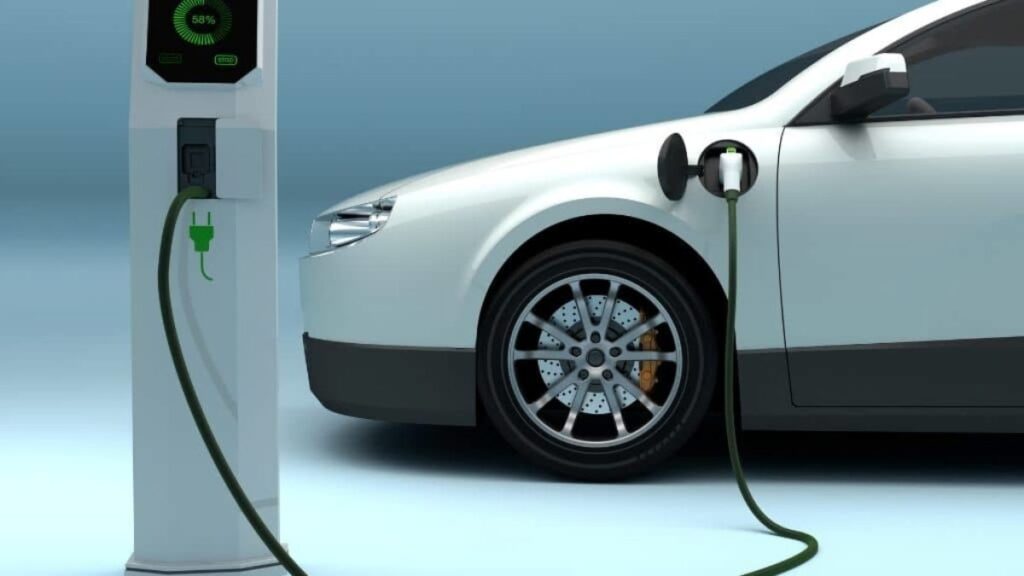
Public Charging Networks: Your Extended Family
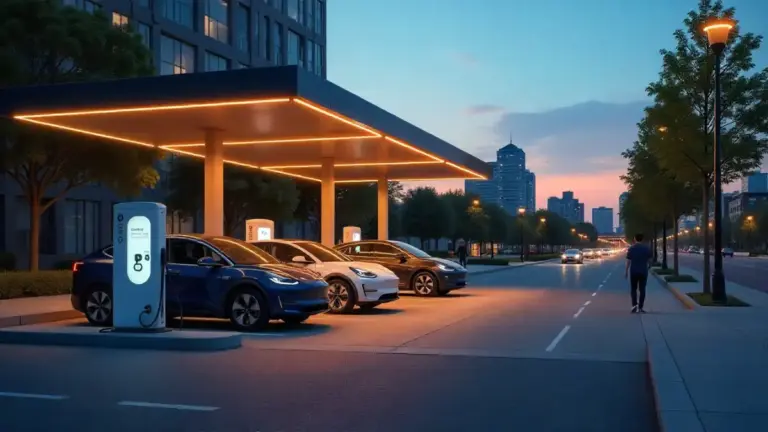
The public charging network has exploded in recent years. Major retailers like Walmart, Target, and Whole Foods are adding chargers to their parking lots. Hotels are installing them to attract EV-driving guests. Even some restaurants are using charging stations as a way to encourage longer visits.
Apps like PlugShare, ChargePoint, and EVgo make finding available chargers simple. You can see real-time availability, pricing, and even user reviews of different charging locations. Some newer EVs have built-in navigation systems that automatically route you to compatible charging stations and even pre-condition your battery for optimal charging speed.
Workplace Charging: The Game Changer
If your employer offers workplace charging, you’ve hit the jackpot. Having access to Level 2 charging at work means you can easily handle longer commutes or forget to charge at home without stress. Many forward-thinking companies are adding workplace charging as an employee benefit, recognizing it as both an environmental initiative and a talent attraction tool.
Making Charging Work for Your Lifestyle
Here’s the reality check: successful EV ownership isn’t about having access to charging everywhere you go. It’s about understanding your driving patterns and building a charging strategy that fits your life.
The Daily Driver Approach
If you drive less than 250 miles per day (and let’s be honest, most of us drive far less than that), home charging can handle almost all your needs. Whether it’s Level 1 or Level 2, overnight charging while you sleep is incredibly convenient. You’ll rarely think about charging during your daily routine – it just happens automatically.
The Road Trip Reality
Long-distance travel requires a bit more planning, but it’s absolutely doable. Modern EVs with 250+ mile ranges mean you’ll stop for charging about as often as you’d stop for gas, bathroom breaks, and food on traditional road trips. The key is using trip planning tools that show you exactly where to charge and how long to stay plugged in.
Many EV road trippers actually prefer the enforced breaks that charging provides. It’s a chance to stretch your legs, grab a coffee, and arrive at your destination more refreshed than you would after non-stop driving.
The Urban vs. Rural Divide
If you live in or near a major metropolitan area, you’re in EV paradise. Cities and suburbs typically have dense networks of public chargers, making EV ownership seamless. Rural areas are catching up quickly, but they may require more strategic thinking about charging locations and timing.
However, rural EV owners often find that their driving patterns – regular routes between a few key locations – make charging planning straightforward. Plus, the ability to charge at home eliminates most daily charging concerns, regardless of where you live.
The Future is Bright (and Fast)
The charging infrastructure landscape continues evolving rapidly. Ultra-fast charging technologies promising 350+ kW speeds are being deployed, potentially reducing charging times to under 15 minutes for significant range additions. Wireless charging roads that can charge vehicles while driving are being tested. Vehicle-to-grid technology will allow EVs to sell power back to the electrical grid during peak demand periods.
Your Next Steps: Making the Electric Switch
Understanding charging infrastructure shouldn’t feel overwhelming – it should feel empowering. You now know that you have three distinct charging speeds to choose from, multiple strategies for finding charging stations, and various approaches for integrating charging into your lifestyle.
If you’re considering an EV, start by analyzing your current driving patterns. How far do you typically drive in a day? Where do you park at home and work? What routes do you take for longer trips? With these answers, you can determine which charging options will work best for your situation.
The charging infrastructure supporting electric vehicles has reached a tipping point where it enables rather than limits EV adoption. Whether you’re ready to make the switch now or you’re still gathering information, understanding your charging options puts you in control of your electric future.
Remember, every EV driver started exactly where you are now – curious, maybe a little uncertain, but interested in the possibilities. The difference is that today’s charging infrastructure makes the transition smoother and more convenient than ever before.
Roy K. Miller is an EV expert passionate about electric mobility, green technology, and the future of transportation. He helps readers and drivers make smarter choices while sharing insights and updates on the latest developments in the EV world.