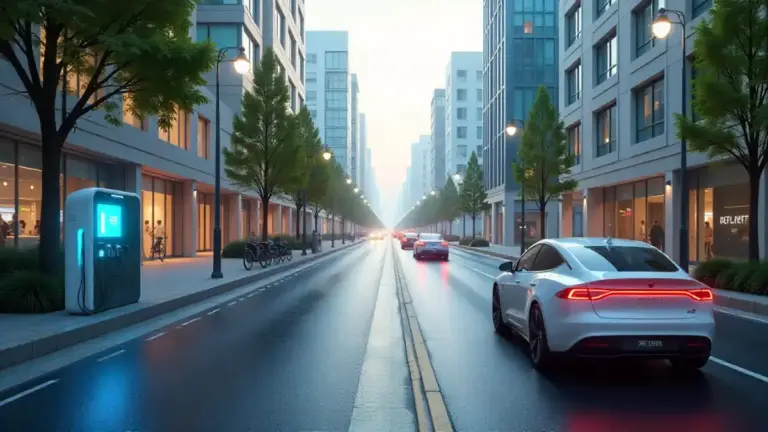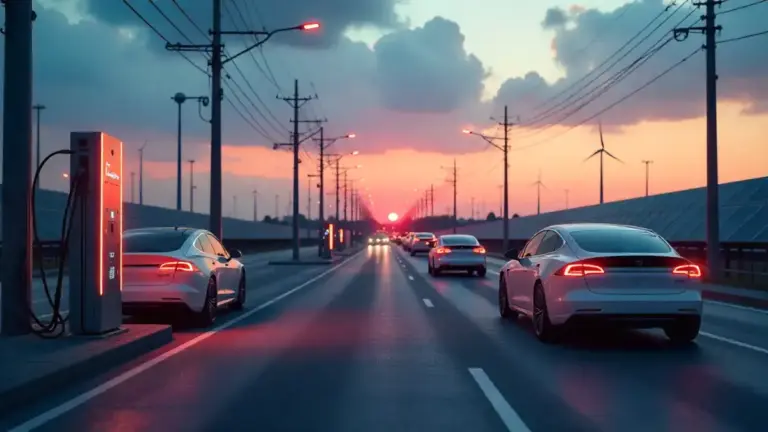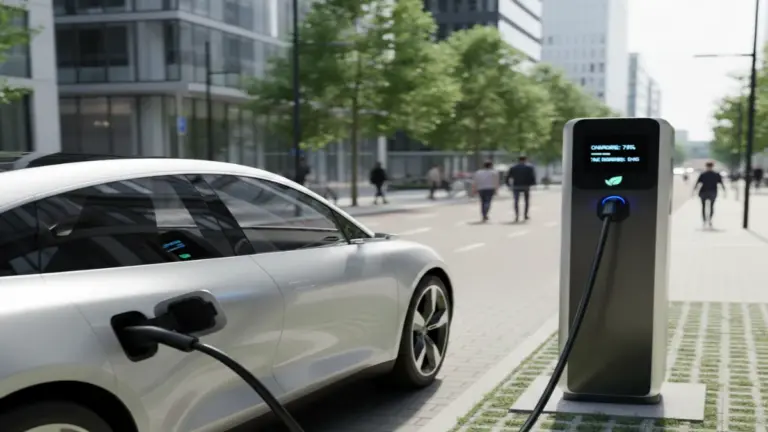
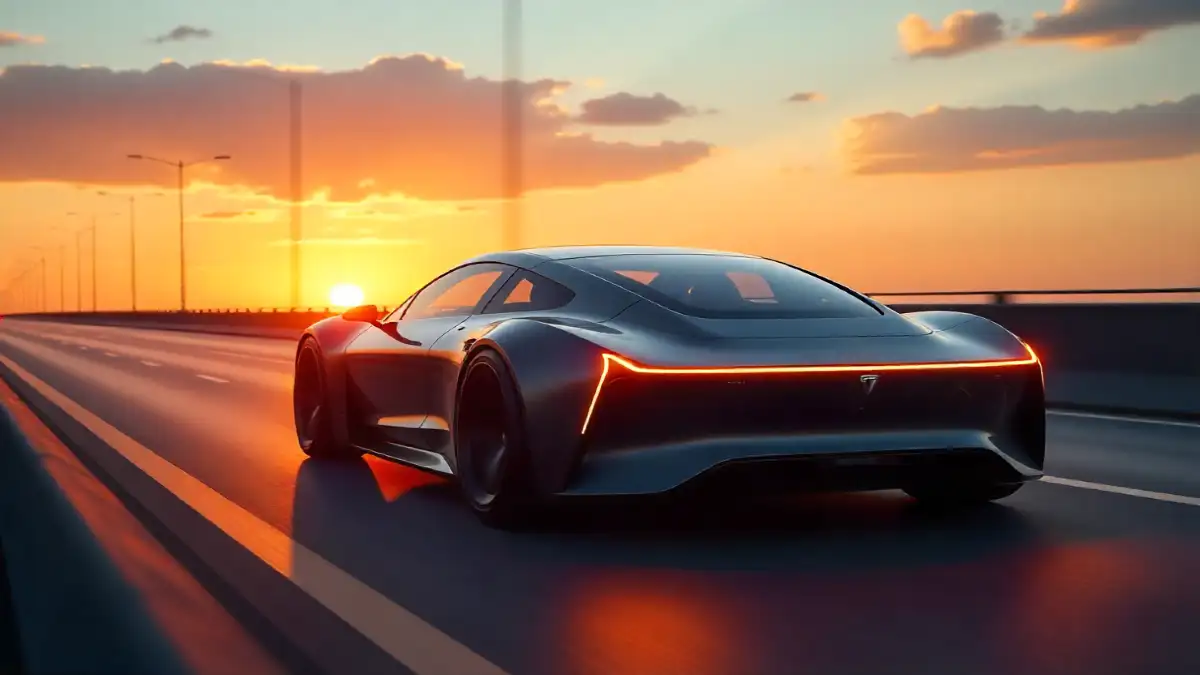
Picture this: you’re cruising down the highway in complete silence, your electric car gliding effortlessly past gas stations you no longer need. Electric car safety is now one of the main reasons many drivers choose EVs, as these vehicles are not only cleaner but also remarkably secure.
If you’ve been wondering whether electric cars are as safe as their gas-powered cousins, I’ve got some fascinating news for you. Many EVs are actually setting new safety standards that traditional automakers are scrambling to match. Let’s dive into what makes these electric marvels so impressively safe and how different brands stack up against each other.
The Electric Advantage: Why EVs Have a Safety Edge
Before we explore individual brands, you need to understand why electric cars have some inherent safety advantages. It’s not just marketing fluff – there’s real physics at work here.
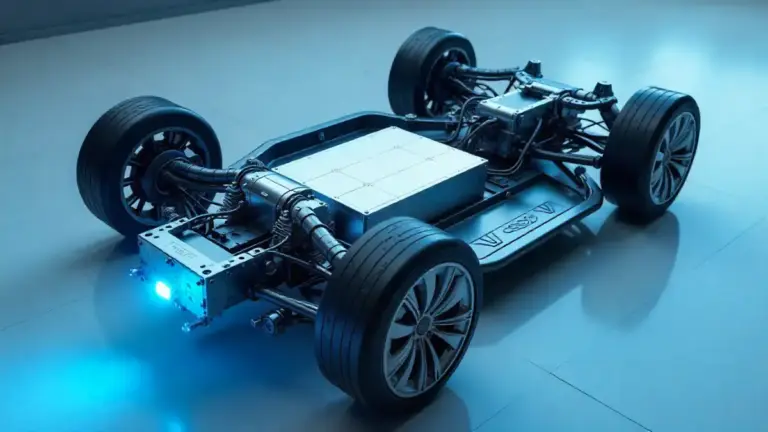
Think about it: electric cars don’t have massive engine blocks, fuel tanks, or exhaust systems taking up space. Instead, they have battery packs typically mounted low in the chassis, creating an incredibly low center of gravity. This means your EV is much less likely to roll over during sharp turns or emergency maneuvers. It’s like the difference between trying to tip over a coffee table versus a bookshelf – the lower, wider object is simply more stable.
Plus, that missing engine creates what engineers call a “frunk” (front trunk) – essentially a large crumple zone designed to absorb impact energy. When you combine this with advanced materials and computer-controlled safety systems, you get vehicles that often outperform traditional cars in crash tests.
Tesla: The Safety Pioneer That Changed Everything
Let’s start with Tesla, the company that basically forced everyone else to up their safety game. Tesla’s approach to safety is refreshingly transparent – they publish their own crash test data and aren’t shy about bragging when they achieve the lowest probability of injury ratings.
The Model S, Model 3, Model X, and Model Y have all earned 5-star safety ratings from the National Highway Traffic Safety Administration (NHTSA). But here’s what really sets Tesla apart: their Autopilot system. While it’s not perfect and still requires your attention, Tesla’s data suggests that drivers using Autopilot are about 10 times less likely to have an accident compared to the average driver.
Tesla’s safety features include eight cameras providing 360-degree visibility, twelve ultrasonic sensors, and a forward-facing radar. Their automatic emergency braking system can detect not just vehicles, but pedestrians and cyclists too. The over-the-air updates mean your Tesla actually gets safer over time – imagine your car learning new safety tricks while you sleep!
One thing I find particularly impressive is Tesla’s side impact protection. The Model S actually broke NHTSA’s testing equipment because it was so resistant to roof crush forces. That’s the kind of overengineering that gives you confidence on the road.
Volvo: Traditional Safety Expertise Meets Electric Innovation
Volvo has been synonymous with safety for decades, so when they jumped into the EV game with vehicles like the XC40 Recharge and C40 Recharge, expectations were sky-high. They didn’t disappoint.
What makes Volvo’s approach unique is how they’ve adapted their traditional safety philosophy to electric vehicles. Their “safety cage” construction now accommodates battery protection while maintaining passenger protection. The XC40 Recharge earned a 5-star Euro NCAP rating, with particularly high marks for adult occupant protection.
Volvo’s Pilot Assist system is designed to be less intrusive than some competitors, focusing on subtle steering corrections and maintaining safe following distances. Their City Safety system can detect vehicles, pedestrians, cyclists, and even large animals – particularly useful if you live in areas where deer crossings are common.
Here’s something I really appreciate about Volvo: they’re committed to eliminating serious injuries and deaths in their new cars by 2020. While that deadline has passed, their dedication to continuous safety improvement in their electric lineup is evident in features like run-off road mitigation and cross traffic alert with autobrake.
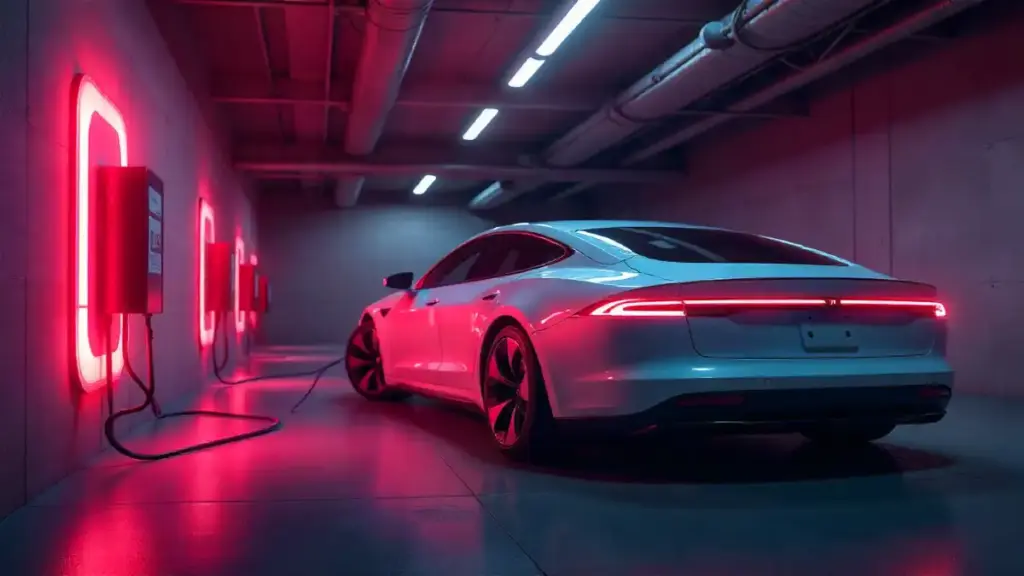
BMW: German Engineering Applied to Electric Safety
BMW’s electric offerings, particularly the iX and i4, showcase how traditional German engineering expertise translates to electric vehicle safety. The iX earned a 5-star Euro NCAP rating with exceptional scores across all categories.
BMW’s approach focuses heavily on predictive safety systems. Their Driving Assistant Professional can actually “see” around corners and over hills using GPS data and camera information from other connected BMW vehicles. It’s like having a network of scouts reporting road conditions ahead of you.
The structural design of BMW’s electric vehicles incorporates what they call “intelligent lightweight construction” – strategically placing high-strength materials where they’re needed most. This approach provides excellent crash protection while keeping the vehicle’s weight reasonable for better efficiency.
One standout feature is BMW’s Reversing Assistant, which can automatically back your car out of tight parking spaces by retracing the path you took to get in. While this might seem like a convenience feature, it’s actually a significant safety improvement for navigating cramped urban environments.
Audi: Quattro Expertise Enhances EV Safety
Audi’s e-tron lineup benefits from decades of all-wheel-drive expertise, and their quattro electric all-wheel-drive system provides exceptional stability and control. The e-tron GT and e-tron SUV have both received top safety ratings, with particularly impressive performance in electronic stability control tests.
What sets Audi apart is their integration of safety systems with their Virtual Cockpit display. Critical safety information is presented directly in your line of sight, reducing the time your eyes are off the road. Their predictive efficiency assistant even helps you drive more safely by suggesting optimal speeds for upcoming road conditions.
Audi’s pre sense systems are among the most comprehensive I’ve encountered. Pre sense front can detect pedestrians and cyclists, while pre sense rear prepares the vehicle for rear-end collisions by closing windows, tightening seatbelts, and activating hazard lights.
Ford: American Practicality Meets Advanced Safety
The Ford Mustang Mach-E surprised many people – not just because Ford made an electric Mustang, but because of how seriously they approached safety. The Mach-E earned a 5-star NHTSA rating and IIHS Top Safety Pick status.
Ford’s Co-Pilot360 2.0 system includes features like Intersection Assist, which can automatically brake when you’re turning left and an oncoming vehicle is detected. This addresses one of the most common accident scenarios in everyday driving.
The Mach-E’s structure uses a mix of aluminum and high-strength steel, with the battery pack integrated into the vehicle’s structure to improve both rigidity and crash energy absorption. Ford’s testing showed that the electric Mustang has better small overlap crash performance than many traditional SUVs.
Mercedes-EQS: Luxury-Level Safety Technology
Mercedes has always been at the forefront of automotive safety innovation, and their EQS flagship electric sedan continues this tradition. The EQS features Mercedes’ most advanced driver assistance systems, including DRIVE PILOT, which can handle certain highway driving tasks without constant driver supervision in approved areas.
The Pre-Safe system in the EQS can detect an impending collision up to 10 seconds before impact and prepare the vehicle accordingly. The attention assist system monitors your driving patterns and can detect when you might be getting drowsy – a feature that’s particularly valuable during long-distance travel.
What I find remarkable is how Mercedes integrates safety with comfort. The EQS can actually adjust the ambient lighting and seat massage patterns to help keep you alert during long drives. It’s safety technology that doesn’t feel like you’re being monitored by a computer.
What This Means for You
After reviewing all these brands, here’s my takeaway: you really can’t go wrong with safety when choosing a modern electric vehicle from a reputable manufacturer. Each brand brings their own strengths to the table, whether it’s Tesla’s continuous over-the-air improvements, Volvo’s decades of safety expertise, or BMW’s predictive technologies.
The key is matching the safety features to your specific needs. If you do a lot of highway driving, Tesla’s Autopilot or Mercedes’ DRIVE PILOT might be worth considering. If you’re navigating busy city streets, Volvo’s City Safety or Ford’s Intersection Assist could be game-changers.
Remember, even the most advanced safety systems are designed to assist, not replace, an attentive driver. But isn’t it reassuring to know that your electric car is working around the clock to keep you and your loved ones safe? As we transition to an electric future, we’re not just getting cleaner transportation – we’re getting the safest cars ever built.
The next time someone asks you about electric car safety, you can confidently tell them that going electric isn’t just good for the planet – it might be the smartest safety decision you’ll ever make.