Brief Description: This comprehensive guide helps electric vehicle owners and potential buyers understand how to locate charging stations in their area, choose the right charging networks, and plan their routes confidently—eliminating range anxiety once and for all.
You know that moment when you’re driving your phone down to 5% battery and suddenly every charging cable in your house seems to have vanished? Now imagine that feeling, but you’re in a car. Welcome to the number one concern every prospective EV owner has: “But where will I charge it?”
Here’s the good news—finding EV charging stations near you is actually way easier than you think. And once you get the hang of it, you’ll wonder why you ever stressed about it in the first place. Let me walk you through everything you need to know about locating, using, and planning around charging stations in your area.
Why Knowing Your Local Charging Landscape Matters
Before we dive into the “how,” let’s talk about the “why.” Understanding where charging stations are located near you isn’t just about convenience—it’s about freedom. When you know your charging options, you can:
- Plan your daily routine with confidence – No more wondering if you’ll make it home
- Discover new places – Charging stations often pop up in interesting locations like shopping centers, restaurants, and entertainment venues
- Save money – Some locations offer free charging, while others have significantly cheaper rates than your competitors
- Reduce stress – Knowledge eliminates range anxiety almost entirely
Think of it this way: when you bought your gas-powered car, you probably didn’t memorize every gas station location immediately. But over time, you naturally learned where they were. The same thing happens with EV charging, except it’s actually faster because you’ll be using apps that show you everything instantly.
The Main Types of Charging Stations You’ll Encounter
Before you start your search, it helps to understand what you’re looking for. Not all charging stations are created equal, and knowing the difference will help you make smarter decisions.
Level 1 Charging (Home Standard Outlet) This is basically just plugging into a regular household outlet. You’re looking at about 3-5 miles of range per hour of charging. It’s painfully slow, but hey—if you’re parked overnight at a friend’s house, it’s better than nothing.
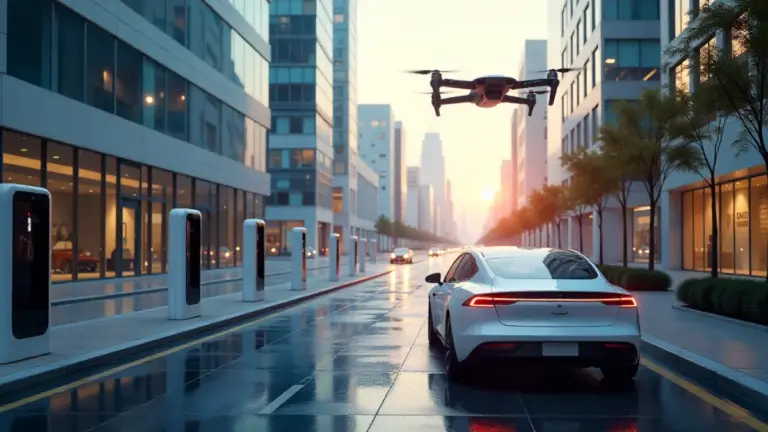
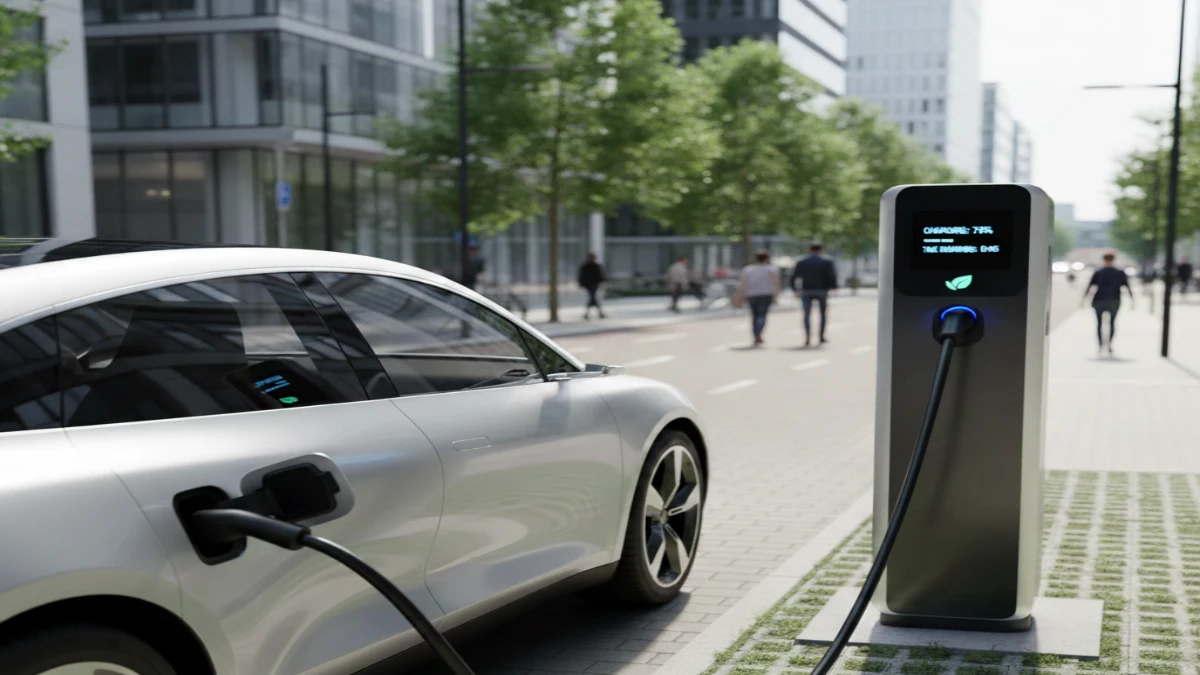
Level 2 Charging (The Sweet Spot) These are the workhorses of the EV charging world. You’ll find them at shopping centers, office buildings, hotels, and public parking areas. They add roughly 25-30 miles of range per hour, which means you can top up while you’re grabbing dinner or shopping for groceries. Most EV owners do the majority of their public charging at Level 2 stations.
DC Fast Charging (The Speed Demons) These are your road trip heroes. DC fast chargers can add 100-200 miles of range in just 20-30 minutes. You’ll typically find them along highways, at rest stops, and near major travel routes. Think of them as the gas station equivalent for EVs—quick stops during longer journeys.
Understanding these differences helps you search more effectively. If you’re planning a cross-country trip, you’ll want to map out DC fast chargers. For daily errands? Level 2 stations are your best friends.
The Best Apps and Tools for Finding Charging Stations
Now, let’s get practical. How do you actually find these charging stations? The answer is refreshingly simple: apps. Lots of them. Here are the ones you absolutely need to know about.
PlugShare (The Community Favorite) If I could only recommend one app, it would be PlugShare. This crowdsourced platform shows you virtually every charging station available, complete with photos, reviews, real-time availability, and even notes about whether you need to ask a business for permission to charge. Users share incredibly helpful details like “The charger is behind the building” or “This coffee shop gives free charging to customers.” It’s like having thousands of fellow EV drivers looking out for you.
ChargePoint ChargePoint operates one of the largest charging networks in North America, with over 100,000 charging spots. Their app is clean, intuitive, and lets you start charging sessions, pay for them, and even reserve spots at certain locations. You can filter by connector type, charging speed, and availability. Plus, they often have deals and partnerships that give you discounted or free charging at specific locations.
Electrify America If you’re doing highway driving or road trips, Electrify America is essential. They’ve built an extensive network of DC fast chargers specifically designed for long-distance travel. Their app shows you real-time station status, lets you plan routes, and even allows you to pre-pay for charging sessions. Many newer EVs also come with complimentary Electrify America charging credits, which is basically free road trip fuel.
Tesla Supercharger (For Tesla Owners) Tesla’s Supercharger network is famously reliable and strategically located. If you own a Tesla, the navigation system automatically shows you Supercharger locations and even calculates exactly how long you need to charge during road trips. The network has opened up to some non-Tesla vehicles in certain areas, so even if you don’t drive a Tesla, it’s worth checking if you have access.
Your Car’s Built-In Navigation Don’t overlook this one. Most modern EVs have charging station finders built right into their navigation systems. They often integrate real-time data about availability and can plan your route to include charging stops automatically. Your car might actually know more about nearby charging options than you think.
Apple Maps and Google Maps Both of these mainstream navigation apps now include EV charging stations in their searches. Just type “EV charging stations” or filter your search for them specifically. While they might not have all the detailed information that specialized apps provide, they’re great for quick searches when you’re in unfamiliar territory.
How to Search Effectively for Charging Stations Near You
Knowing which apps to use is one thing. Using them strategically is another. Here’s how to search like a pro:
Start with Your Daily Routes Open PlugShare or your preferred app and look at your regular destinations—your workplace, grocery store, gym, favorite restaurants. You might be surprised to discover that there are already charging stations at places you visit frequently. I know someone who discovered free Level 2 charging at their local library, and now they charge while browsing books every weekend.
Consider Your Charging Habits Think about when and where you’ll actually want to charge. If you can charge at home overnight, you might only need public charging occasionally. But if you live in an apartment without charging access, you’ll want to identify several reliable nearby stations for your regular charging routine.
Look for Charging Hubs Many shopping centers, parking garages, and commercial districts have installed multiple charging stations in one location. These “charging hubs” are gold because you have backup options if one station is occupied or broken. Plus, you can usually find something to do while charging.
Check Amenities This is where apps like PlugShare really shine. Read the reviews and comments to learn what’s nearby. Is there a coffee shop? Restrooms? Comfortable seating? Charging can take 20-60 minutes depending on your needs, so knowing you can grab a meal or browse a store makes the experience much more pleasant.
Verify Operating Hours and Access Not all charging stations are available 24/7. Some are in parking garages that close at night. Others are at businesses that might not appreciate you charging after hours. Double-check the details before you plan to rely on a specific station, especially if you’re arriving outside typical business hours.
Dealing with Different Charging Networks and Payment Systems
Here’s something that trips up new EV owners: charging stations aren’t like gas stations. You can’t just pull up and swipe your credit card at every charger (though this is slowly changing). Many require network membership or specific apps to activate them.
Network Memberships Networks like ChargePoint, EVgo, Blink, and Electrify America each have their own apps and payment systems. The good news? Most are free to join and simply require you to add a payment method. Some offer membership plans that reduce per-session costs if you charge frequently.
RFID Cards and Apps Many charging networks provide RFID cards that you tap on the charger to start your session. Others let you start sessions directly from their smartphone apps. Some stations support both methods. It’s worth signing up for the major networks in your area before you actually need them—there’s nothing worse than arriving at a charging station and spending 10 minutes fumbling with app downloads and account creation while your battery is in the red.
Credit Card Readers More and more charging stations, especially DC fast chargers, now include credit card readers for contactless payment. This is becoming the standard for new installations, making charging as simple as paying at a gas pump.
Free Charging Opportunities Keep your eyes open for free charging options. Many hotels offer complimentary charging for guests. Some workplaces provide free charging as an employee benefit. Certain dealerships offer free charging to customers. Whole Foods locations often have free charging stations in their parking lots. These aren’t always advertised prominently, so it pays to check the apps and ask around.
Planning Longer Trips: Route Planning with Charging Stops
Local charging is one thing, but what about that road trip you’ve been planning? This is where EV trip planning becomes crucial—and surprisingly straightforward with the right tools.
Use Route Planning Features Apps like A Better Route Planner (ABRP) are specifically designed for EV road trips. You enter your starting point, destination, and vehicle model, and the app calculates the most efficient route including exactly where and how long you should charge. It factors in your car’s actual range, charging speed, elevation changes, weather, and even your driving style.
Build in Buffer Time When planning charging stops, add 10-15 minutes to your estimated charging time. Stations might be busier than expected, or you might want to grab a snack. Better to arrive early than to stress about making your next appointment.
Have Backup Plans Always identify alternative charging stations along your route. If your preferred charger is out of service or all spots are occupied, you want to know where the next nearest option is without frantically searching in the moment.
Check Real-Time Availability Many apps now show whether charging stations are currently in use. Check this before you arrive to avoid disappointment. Some networks even let you reserve charging spots in advance.
Common Charging Station Challenges (And How to Handle Them)
Let’s be real—the EV charging experience isn’t always seamless. Here are the issues you might encounter and how to deal with them:
Broken Chargers Yes, chargers sometimes malfunction. When you arrive at a station, check the app reviews first—recent comments often indicate if a charger is broken. If you discover a non-functioning charger, report it immediately in PlugShare and other apps so fellow EV drivers don’t waste their time.
Occupied Charging Spots You arrive at a charger and someone’s using it. Or worse—a gas-powered car is parked there (this is called “ICEing,” from Internal Combustion Engine). If it’s a legitimate EV charging, check the app to see how long they’ve been there. Most charging sessions are time-limited. For ICEing situations, some parking lots have enforcement, but your best bet is usually just finding an alternative station.
Slow Charging Speeds Sometimes a DC fast charger doesn’t charge as fast as advertised. This can happen if the station is splitting power between multiple vehicles, if your battery is very cold or already near full, or if the station itself has limitations. Don’t panic—you’re still charging, just slower than expected.
Payment Issues Card readers fail, apps glitch, and networks have outages. This is why I recommend having accounts with multiple charging networks and keeping both your phone and a backup payment card handy. Most networks also have 24/7 customer support if you encounter payment problems.
Making the Most of Your Charging Time
Here’s a perspective shift that changed how I view EV charging: it’s not a chore—it’s an opportunity. Unlike gas stations where you stand outside holding a smelly nozzle, you can walk away from your EV while it charges and do something productive or enjoyable.
Combine Charging with Activities Choose charging stations near places you actually want to be. Charge while you work out at the gym. Charge during your weekly grocery shopping. Charge while having dinner at that restaurant you’ve been meaning to try. Suddenly, “charging time” becomes “living your life time.”
Optimize Your Charging Strategy You don’t always need a full charge. For daily driving, topping up to 80% is usually plenty and it’s faster than charging from 80% to 100%. Save the full charges for before long trips. Also, try to avoid letting your battery drop below 20% regularly—this helps preserve battery health long-term.
Take Advantage of Off-Peak Pricing Some charging networks offer lower rates during off-peak hours (typically late at night or early morning). If you’re charging at a station with time-of-use pricing, you might save money by charging during these periods.
Your Charging Station Checklist: Getting Started Today
Ready to take control of your EV charging situation? Here’s your action plan:
- Download the essential apps – At minimum, get PlugShare, ChargePoint, and your vehicle manufacturer’s app
- Create accounts with major networks – Sign up for ChargePoint, Electrify America, EVgo, and any regional networks popular in your area
- Map your regular destinations – Spend 15 minutes identifying charging stations at places you frequently visit
- Save your favorite locations – Most apps let you bookmark preferred charging stations for quick reference
- Plan a practice charge – Do a test run at a local charging station before you actually need it, so you’re comfortable with the process
- Join local EV communities – Facebook groups and forums for EV owners in your area often share insider tips about the best charging spots
The Bottom Line: You’ve Got This
Finding EV charging stations near you stops being a concern once you realize how many options you actually have. Between home charging, workplace charging, public Level 2 stations, and DC fast chargers, the infrastructure is there—and it’s growing every single day.
The key is familiarizing yourself with the tools and networks before you need them urgently. Spend an hour exploring the apps, creating accounts, and mapping your local charging landscape. That small time investment will pay off in confidence and convenience every single time you drive.
Range anxiety is real, but it’s almost always a symptom of unfamiliarity rather than an actual infrastructure problem. Once you know where your nearby charging stations are and how to use them, you’ll find that charging an EV is often more convenient than stopping for gas—especially since you can charge while doing other things you’d do anyway.
So go ahead, download those apps, and discover just how charging-friendly your area really is. You might be pleasantly surprised by what you find. And before long, you’ll be the one giving charging tips to the next wave of EV owners wondering, “But where will I charge it?”