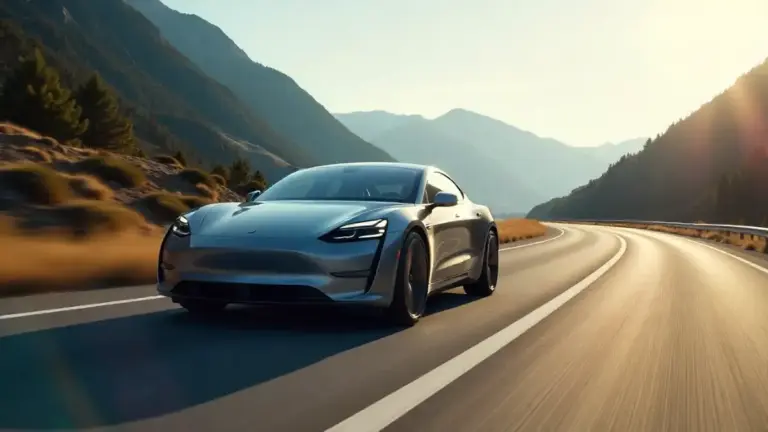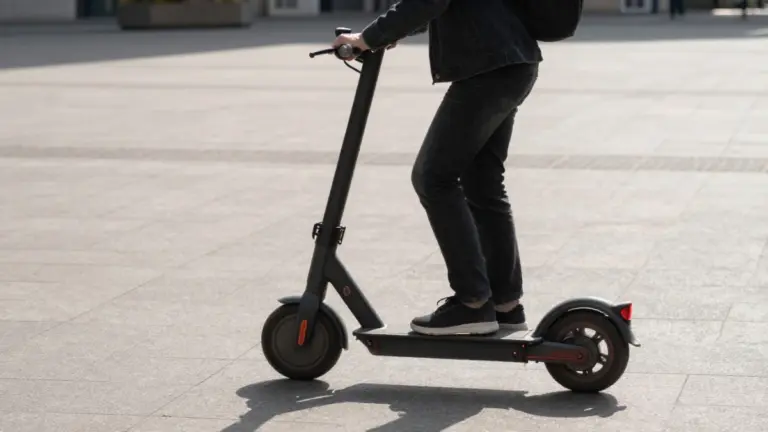

Getting stuck in traffic used to mean breathing in exhaust fumes and watching your fuel gauge drop. But if you’ve been paying attention lately, something’s shifting on our roads. That Tesla silently gliding past you? The electric scooters lined up at the corner? The bus that barely makes a sound? These aren’t just trendy gadgets—they’re pieces of the electric mobility 2025 revolution that’s completely reshaping how we move around our cities.
Welcome to 2025, where sustainable transportation isn’t some distant dream anymore. It’s here, it’s evolving fast, and honestly? It’s pretty exciting to watch unfold. Whether you’re considering an EV, curious about what’s powering this green revolution, or just wondering why your neighbor suddenly installed a charging station, you’re in the right place. Let’s dive into the technologies and trends that are making our streets cleaner, quieter, and smarter than ever before.
The Electric Vehicle Boom: More Than Just Cars
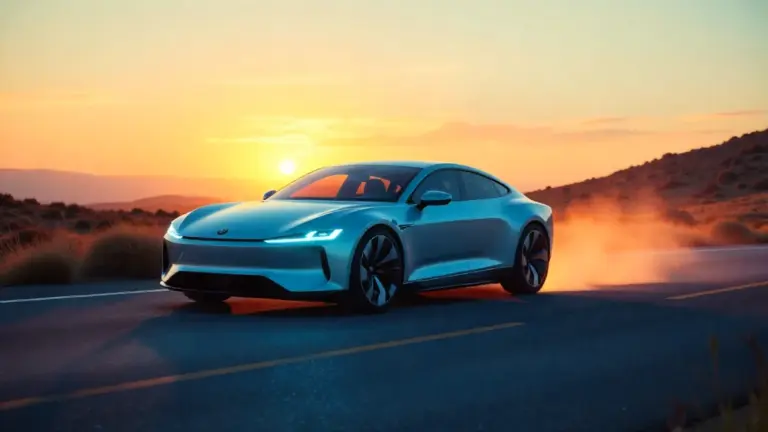
Remember when electric vehicles were these quirky, range-anxious oddities that only early adopters would touch? Yeah, those days are long gone. In 2025, EVs have become mainstream in ways that seemed impossible just a decade ago.
Here’s what’s really changed: it’s not just about luxury sedans anymore. You’ve got electric pickup trucks hauling serious loads, affordable compact EVs perfect for city commuting, and even electric SUVs that can take your family on road trips without breaking a sweat—or the bank. The variety is staggering, and manufacturers are racing to fill every niche imaginable.
The numbers tell the story. Global EV sales have been climbing steadily, with some markets seeing electric vehicles make up over 30% of new car sales. China, Europe, and increasingly North America are leading this charge, driven by a combination of government incentives, falling battery costs, and—let’s be honest—cars that people actually want to drive.
What’s fueling this boom? Battery technology has made quantum leaps. We’re now seeing production vehicles with 400+ mile ranges on a single charge, which means range anxiety is becoming more of a memory than a legitimate concern. Plus, battery prices have dropped by roughly 90% over the past decade, making EVs price-competitive with their gas-guzzling cousins. When you factor in lower maintenance costs and fuel savings, the total cost of ownership often tips in favor of going electric.
And here’s something cool: the used EV market is finally maturing. You no longer need to drop fifty grand to join the electric revolution. Certified pre-owned EVs with plenty of battery life remaining are making electric mobility accessible to way more people than ever before.
Charging Infrastructure: Solving the Chicken-and-Egg Problem
Let’s address the elephant in the room—or rather, the charging station on the corner. For years, the charging infrastructure lagged behind EV adoption, creating this frustrating chicken-and-egg situation. Why buy an EV if there’s nowhere to charge it? Why build chargers if there aren’t enough EVs?
Well, 2025 has pretty much cracked this nut wide open.
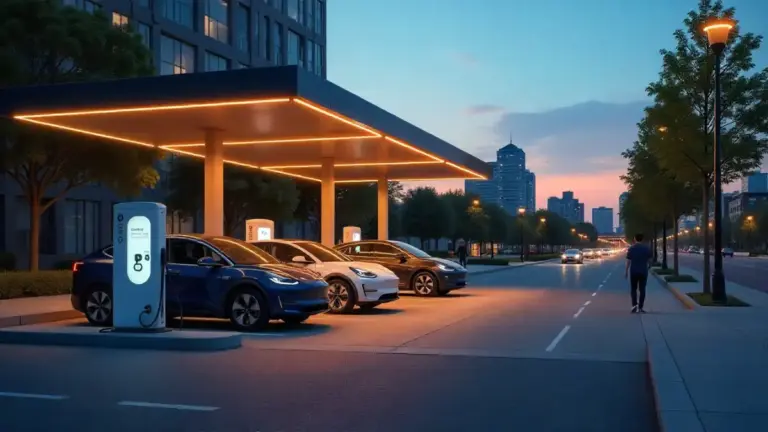
Public charging networks have exploded across urban and suburban areas. You’ve probably noticed those sleek charging stations popping up in parking lots, shopping centers, and even at your local grocery store. Fast-charging technology has evolved dramatically too. We’re talking chargers that can add 200 miles of range in just 15-20 minutes—about the time it takes to grab a coffee and stretch your legs.
But here’s where it gets interesting: charging is becoming integrated into places you already spend time. Parking garages at work? Increasingly equipped with Level 2 chargers. Apartment complexes? Many newer developments come standard with EV charging infrastructure. Even older buildings are retrofitting their parking areas to meet tenant demand.
The technology itself has gotten smarter, too. Bidirectional charging—also called Vehicle-to-Grid (V2G) technology—is starting to roll out in select markets. This means your EV isn’t just sucking power from the grid; it can actually feed energy back when needed. Imagine your car helping to stabilize the power grid during peak demand, or serving as backup power during an outage. It’s not science fiction anymore; it’s happening now.
And let’s talk about home charging for a second. If you own your home, installing a Level 2 charger has become remarkably straightforward and affordable. Many utility companies offer rebates or special EV rates that make overnight charging incredibly cheap. Wake up every morning with a “full tank”? That convenience is hard to beat once you experience it.
Micromobility: The Unsung Hero of Urban Transportation
Here’s a trend that sneaked up on us: micromobility has absolutely transformed how people navigate cities. We’re talking e-bikes, e-scooters, electric skateboards, and even those quirky one-wheeled contraptions you see zipping around downtown.
Why does this matter? Because not every trip requires a two-ton vehicle. That quick run to the coffee shop? The last mile from the train station to your office? These short urban trips are perfect for micromobility, and people have embraced them enthusiastically.
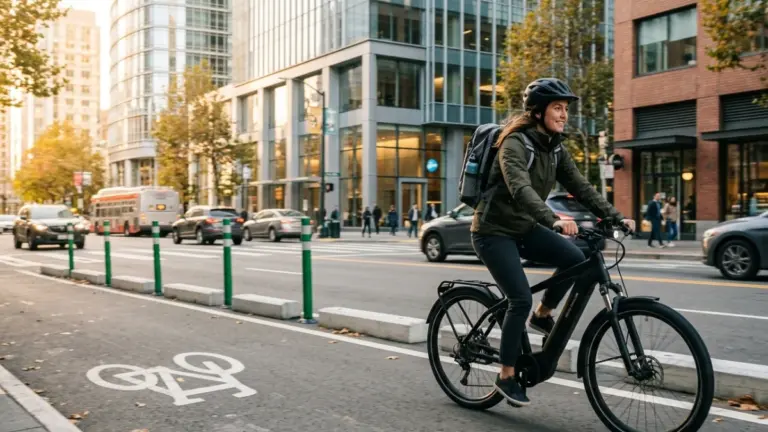
E-bikes, in particular, have become game-changers. They combine the exercise and freedom of cycling with electric assist that makes hills disappear and longer distances totally manageable. You arrive at your destination without being drenched in sweat—a huge selling point for commuters. Sales of e-bikes have exploded, with some urban areas seeing them rival or even surpass traditional bicycle sales.
Shared micromobility services have matured significantly too. Those early days of scooters scattered chaotically across sidewalks? Cities and companies learned from that chaos. Now you’ve got designated parking zones, better maintenance programs, and integration with public transit apps that make multi-modal journeys seamless.
What’s really exciting is how micromobility is reshaping urban planning. Cities are adding protected bike lanes, creating car-free zones, and designing infrastructure specifically for these lighter, more agile vehicles. It’s not just about being green—though that’s a huge benefit. It’s about making cities more livable, reducing congestion, and giving people genuine alternatives to driving everywhere.
The environmental math is compelling, too. An e-bike or scooter uses a tiny fraction of the energy required for even the most efficient EV. For those short trips that make up a huge percentage of urban travel, micromobility offers an incredibly sustainable solution.
Autonomous Vehicles: From Hype to Helpful Reality
Okay, full disclosure: we’re not living in the totally autonomous driving future that was promised a decade ago. But here’s the thing—autonomous vehicle technology has quietly become way more capable and useful than most people realize.
In 2025, we’re seeing autonomous features in various forms. Many new vehicles come equipped with advanced driver assistance systems (ADAS) that handle highway driving, traffic jams, and parking with minimal human input. These aren’t fully self-driving cars, but they’re making driving safer and less stressful.
The real progress is happening in more controlled environments. Autonomous shuttles are operating in retirement communities, corporate campuses, and some urban districts, providing first-mile/last-mile connections. Autonomous delivery vehicles are quietly handling logistics in specific zones, reducing the need for delivery trucks clogging city streets.
Why does this matter for sustainable transportation? Because autonomous technology and electric vehicles are developing hand-in-hand. Most autonomous test vehicles and pilot programs use electric powertrains, which makes sense—fewer moving parts, more predictable power delivery, and alignment with sustainability goals.
The promise of autonomous vehicles isn’t just about convenience; it’s about efficiency. Self-driving cars can theoretically reduce traffic congestion through better coordination, optimize routes for energy efficiency, and enable shared mobility services that reduce the total number of vehicles needed. The vision is fewer cars, more efficiently used, operating more cleanly.
We’re also seeing autonomous technology applied to public transit. Self-driving buses in dedicated lanes can provide frequent, reliable service at lower operational costs. Some cities are already piloting these programs, and the early results are encouraging.
Is the fully autonomous future here yet? No. But the building blocks are in place, and the trajectory is clear. The combination of autonomous capability and electric propulsion will fundamentally change urban mobility—it’s just happening more gradually and practically than the hype suggested.
Smart Cities and Integrated Transportation Systems
Here’s where everything comes together: smart cities that treat transportation as an interconnected ecosystem rather than a collection of separate modes.
In 2025, forward-thinking cities are deploying intelligent transportation systems that optimize traffic flow, reduce emissions, and make getting around genuinely easier. Traffic lights that adjust timing based on real-time conditions? Check. Apps that seamlessly combine public transit, bike shares, and ride-hailing into one journey? Already happening.
The data revolution is key here. Cities are using sensors, cameras, and connected vehicle data to understand traffic patterns, identify bottlenecks, and make infrastructure decisions based on actual usage rather than guesswork. This isn’t Big Brother watching—it’s smart planning that makes everyone’s commute better.
Mobility-as-a-Service (MaaS) platforms are gaining serious traction. Instead of owning a car, dealing with parking, and managing insurance, imagine subscribing to a service that gives you access to whatever transportation you need—whether that’s a car for a weekend trip, an e-bike for your commute, or public transit for daily errands. Everything’s paid through one app, one subscription.
The environmental benefits are substantial. By optimizing transportation systems, cities can significantly reduce congestion-related emissions, encourage public transit use, and make sustainable options more attractive than driving alone. Some cities are seeing double-digit percentage drops in urban emissions thanks to these integrated approaches.

The Road Ahead: Challenges and Opportunities
Let’s be real—this transition isn’t without bumps in the road. Building out charging infrastructure in rural areas remains challenging. Making EVs truly affordable for everyone requires continued innovation and policy support. The electrical grid needs upgrading in many places to handle increased demand from vehicle charging.
Battery production raises questions about mining practices and environmental impacts. Recycling end-of-life batteries is crucial but still developing. And we need to ensure this transportation revolution doesn’t leave behind communities that lack access to new technologies.
But here’s the encouraging part: these challenges are being actively addressed. Battery recycling technologies are improving rapidly. Renewable energy is increasingly powering both the grid and vehicle charging. Governments and companies are investing heavily in equitable access to charging infrastructure.
The momentum behind sustainable transportation in 2025 is undeniable. It’s not just environmentalists pushing for change—it’s consumers who enjoy the driving experience, businesses seeing operational savings, and cities recognizing the multiple benefits of cleaner, smarter mobility.
Your Role in This Revolution
So where do you fit into all this? Whether you’re ready to buy your first EV, considering an e-bike for your commute, or simply trying to understand these changes happening around you, there’s a place for everyone in this transition.
Start by evaluating your own transportation needs honestly. How far do you typically drive? Where do you park? What’s your budget? For many people, an EV already makes perfect sense—financially, practically, and environmentally. For others, micromobility might solve 80% of their transportation needs at a fraction of the cost.
Stay curious and open-minded. Test drive an electric vehicle—you might be surprised by how much fun they are. Try an e-bike or scooter if you haven’t already. Use that new transit app that combines multiple transportation modes. These technologies are improving rapidly, and what didn’t work for you two years ago might be perfect now.
And advocate for better infrastructure in your community. Contact local representatives about adding charging stations, protected bike lanes, or improving public transit. Cities that are leading in sustainable transportation got there because residents demanded it.
The future of transportation is electric, connected, shared, and sustainable. And honestly? It’s arriving faster than most people expected. The technologies powering this greener future aren’t just reducing emissions—they’re making our cities more livable, our commutes less stressful, and our transportation options more diverse and interesting.
Welcome to 2025. The ride is just getting started, and it’s going to be a good one.