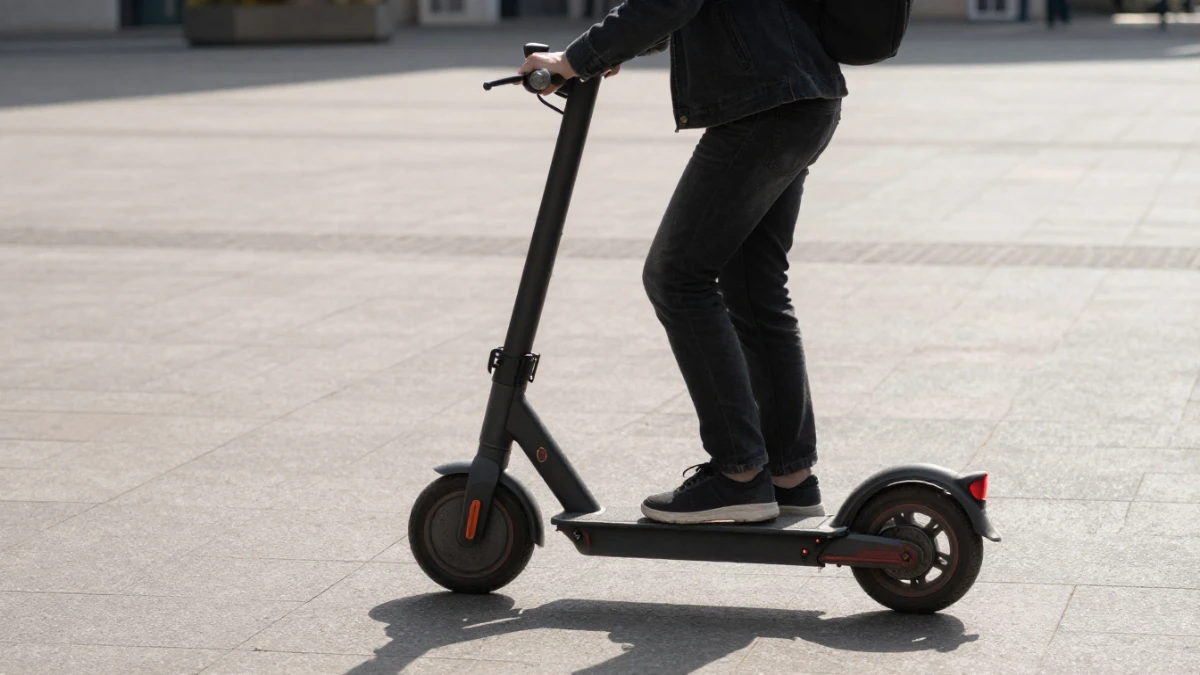
You know that feeling when you’re stuck in traffic, watching the minutes tick by, knowing you could probably walk faster than you’re driving? Or when you’re circling a parking lot for the fifteenth time, late for a meeting? I’ve been there—we all have. And that’s exactly why electric scooters for adults have exploded in popularity over the past few years.
But here’s the thing: these aren’t your kid’s scooters. Today’s adult electric scooters are serious transportation devices that can genuinely change how you get around. Whether you’re commuting to work, running errands, or just enjoying a weekend cruise, there’s probably a scooter out there that fits your life. Let me walk you through everything you need to know.
Why Adults Are Embracing Electric Scooters
Remember when electric scooters first started appearing on city sidewalks? Many of us dismissed them as a fad, something for tourists or thrill-seekers. Fast forward to today, and they’ve become a legitimate solution to real transportation problems.
The numbers tell the story: the global electric scooter market is projected to reach over $40 billion by 2030. That’s not hype—that’s millions of adults making a practical choice about how they move through their cities.
What’s driving this shift? For starters, we’re all looking for ways to simplify our lives. An electric scooter eliminates parking headaches, cuts through traffic, and gets you where you need to go without the stress of driving. Plus, in an era where we’re all more conscious about our carbon footprint, swapping even a few car trips per week for scooter rides makes a tangible difference.
But beyond the practical benefits, there’s something else: they’re genuinely fun. When was the last time your commute brought a smile to your face?
Understanding What Makes a Great Adult Electric Scooter
Not all electric scooters are created equal, especially when you’re talking about adult riders who need reliability, safety, and performance. Let’s break down what really matters.
Power and Performance
The motor is the heart of any electric scooter. Most adult models range from 250 watts for basic commuting up to 1000 watts or more for power users who need hill-climbing ability or higher speeds. Here’s a practical way to think about it: a 350-500 watt motor will handle most urban environments comfortably, getting you up to 15-20 mph and managing moderate hills without breaking a sweat.
If you live in San Francisco or another hilly city, though? You’ll want to look at 600 watts or higher. I learned this the hard way when I first tried tackling a steep grade on an underpowered scooter—let’s just say walking it up wasn’t my proudest moment.
Battery Life and Range
This is where many people get surprised. That advertised “25-mile range”? It’s usually calculated under ideal conditions: a 150-pound rider on flat ground with no wind. In reality, expect to get about 60-70% of the advertised range in normal conditions.
Most quality adult scooters use lithium-ion batteries, the same technology that powers electric cars. A typical battery will give you anywhere from 10 to 40 miles per charge, depending on the model. For context, the average American commute is about 10 miles one way, so a scooter with a 20-25 mile real-world range covers most daily needs with room to spare.
Charging time varies, but most scooters need 4-8 hours for a full charge. Pro tip: treat it like your smartphone—charge it overnight, and you’ll always start your day ready to go.
Build Quality and Weight
Here’s something many first-time buyers overlook: you need to consider not just riding the scooter, but also carrying it. Most adult electric scooters weigh between 25 and 45 pounds. The lighter ones are easier to carry up stairs or onto public transit, but they might sacrifice some stability or features.
Look for scooters with solid construction—aluminum alloy frames are the sweet spot, offering durability without excessive weight. And pay attention to the deck size. You want enough room to stand comfortably with both feet, especially if you’re taller or have larger feet.
Braking Systems
This is non-negotiable for safety. Quality adult scooters typically feature dual braking systems—often a combination of electronic braking (motor regeneration) and mechanical brakes (disc or drum). Some high-end models even have ABS, similar to what you’d find in cars.
I can’t stress this enough: test the brakes before you buy. You should be able to stop smoothly and predictably, even at top speed. Your safety depends on it.
Choosing the Right Scooter for Your Lifestyle
Let’s get practical. What kind of rider are you?
The Daily Commuter
If you’re replacing short car trips or complementing public transit, you want reliability above all else. Look for scooters with:
- Solid real-world range of 15+ miles
- Foldable design for easy storage
- Good lighting for early morning or evening rides
- Adequate power for your typical terrain
Models like the Segway Ninebot Max or the Xiaomi Mi Pro 2 have earned their reputation among commuters for a reason—they’re workhorses that just keep going.
The Weekend Explorer
Maybe you’re not commuting, but you love the idea of weekend rides through parks or along waterfronts. You’ll prioritize:
- Comfortable deck and suspension
- Longer range for extended rides
- Better build quality for varied terrain
- Extra features like cruise control
Consider something like the Apollo City or Fluid Freeride Horizon—they’re built for riders who want a more premium experience.
The Performance Enthusiast
Some of you want power and speed (within legal limits, of course). You’re looking at:
- High-wattage motors (800W+)
- Dual motor options for serious acceleration
- Advanced suspension systems
- Robust braking for high-speed control
Brands like Dualtron or Kaabo make scooters that honestly feel closer to electric motorcycles—but these come with higher price tags and weight.
The Practical Minimalist
Maybe you just need something simple, affordable, and reliable for occasional use. That’s perfectly valid. Budget options from brands like Gotrax or Hiboy can serve you well if you:
- Keep expectations realistic about range and power
- Stick to good weather conditions
- Don’t need high speeds or long distances
- Want to test the waters before investing more
The Real Costs of Ownership
Let’s talk money, because the sticker price is just the beginning.
A decent adult electric scooter typically ranges from $300 to $1,500, with premium models reaching $3,000 or more. But here’s how to think about the investment: if you’re replacing even three car trips per week, you’ll save money on gas, parking, and vehicle wear. Most owners report their scooter pays for itself within a year.
Beyond the initial purchase, costs are minimal:
- Electricity: Charging costs pennies—literally about 10-20 cents for a full charge
- Maintenance: Occasional tire replacements ($50-100), brake pad changes ($30-50)
- Insurance: Optional but available, typically $10-20/month
- Accessories: Helmet ($50-150), lock ($30-100), lights ($20-50)
Compare this to car ownership—insurance, gas, parking, maintenance—and the economics make sense pretty quickly.
Safety First: What Every Rider Needs to Know
I’ll be straight with you: electric scooters are incredibly safe when ridden responsibly, but they do require respect. You’re traveling at speeds up to 20 mph (or more) on two small wheels, often sharing space with cars, pedestrians, and cyclists.
Essential Safety Practices:
Always wear a helmet. Yes, always. I don’t care if you’re just going two blocks. A decent bike helmet costs $50-100 and could literally save your life. This isn’t optional.
Start slow. Your first few rides should be in an empty parking lot or quiet street. Get comfortable with acceleration, braking, and turning before venturing into traffic.
Be visible. Most scooters have lights, but consider adding reflective gear or additional lights, especially for evening rides. Drivers often don’t expect scooters, so you need to make yourself seen.
Know your local laws. Regulations vary wildly by location. Some cities allow scooters on bike lanes and streets but not sidewalks. Others have speed limits or age restrictions. A quick Google search of “[your city] electric scooter laws” will tell you what you need to know.
Watch for hazards. Potholes, wet leaves, gravel, and metal surfaces (like manhole covers) can be treacherous. Stay alert and slow down when conditions are less than ideal.
Weather Considerations
Most electric scooters have some water resistance (often rated IP54 or IP65), but that doesn’t mean you should ride through a downpour. Light rain? Usually fine. Heavy rain or standing water? Skip it. The electronics can handle some moisture, but your tires’ grip on wet pavement is limited, and visibility drops for everyone on the road.
Cold weather affects battery performance too—expect reduced range when temperatures drop below freezing. It’s physics, not a defect.
Maintenance Made Simple
One of the best things about electric scooters? They’re remarkably low maintenance compared to cars or even bicycles.
Regular Care (Weekly/Monthly):
- Check tire pressure—proper inflation makes a huge difference in ride quality and range
- Inspect brakes for wear and adjust if needed
- Tighten any loose bolts or screws (vibration can work them loose)
- Clean the deck and wipe down the scooter
- Check lights and signals
Periodic Maintenance (Every Few Months):
- Replace worn brake pads
- Check tire tread and replace if needed
- Lubricate folding mechanisms
- Inspect electrical connections
Most of this stuff is simple enough for anyone comfortable with basic tools. YouTube tutorials abound for specific models, and the community is incredibly helpful.
Battery Care
Your battery is the most expensive component, so treat it right:
- Avoid completely draining it regularly
- Store it at 40-60% charge if you won’t use it for weeks
- Keep it at room temperature when possible
- Use the manufacturer’s charger (knockoffs can damage the battery)
A well-maintained battery should last 2-4 years or 500-1000 charge cycles before needing replacement.
The Environmental Impact You’re Making
Let’s zoom out for a moment. Every time you choose your electric scooter over a car, you’re making a measurable environmental impact.
The average car emits about one pound of CO2 per mile driven. An electric scooter? Essentially zero direct emissions, and even accounting for electricity generation, it’s about 95% cleaner. If you replace just 10 miles of car driving per week with scooter rides, you’re eliminating over 500 pounds of CO2 annually.
Multiply that by millions of riders, and we’re talking about real change. Urban air quality improves. Traffic congestion eases. Cities become more livable. It sounds idealistic, but it’s happening in forward-thinking cities around the world.
Plus, scooters require far fewer resources to manufacture than cars, and many components are recyclable. The batteries, while they do have environmental costs, are increasingly being recycled or repurposed for other uses after their scooter life ends.
What the Future Holds
The electric scooter industry is evolving rapidly. What’s coming?
Better batteries: Solid-state batteries promise longer range, faster charging, and longer lifespans. They’re not quite mainstream yet, but they’re coming.
Smart features: GPS tracking, app connectivity, theft alerts, and ride analytics are becoming standard. Some scooters now even have IoT integration for predictive maintenance.
Improved infrastructure: More cities are building dedicated micro-mobility lanes, secure parking, and charging stations. The infrastructure is catching up to the demand.
Swappable batteries: Some companies are experimenting with standardized, swappable battery packs—imagine pulling into a station and swapping a depleted battery for a full one in 30 seconds.
Enhanced safety tech: Collision warning systems, improved stability control, and better lighting systems are making scooters safer with each generation.
Making Your Decision
So, should you buy an electric scooter?
Ask yourself a few questions:
- Do you have trips under 5 miles that you currently drive?
- Is parking or traffic a regular frustration?
- Do you want a more active, engaging way to get around?
- Are you looking to reduce your environmental impact?
- Would you enjoy the freedom of point-to-point transportation without the hassles of car ownership?
If you answered yes to any of these, an electric scooter deserves serious consideration.
Start by defining your needs: daily commute distance, typical terrain, storage requirements, and budget. Read reviews from actual owners (Reddit’s r/ElectricScooters is an excellent resource). If possible, rent a few different models through sharing services to get a feel for what you like.
When you’re ready to buy, consider these final tips:
- Buy from reputable brands with good customer service
- Check warranty coverage (1-2 years is standard)
- Join online communities for your specific model—invaluable for tips and troubleshooting
- Budget for accessories, especially a good helmet and lock
- Consider where you’ll store and charge it
The Bottom Line
Electric scooters for adults represent more than just a trendy gadget—they’re a legitimate solution to modern transportation challenges. They offer freedom, convenience, and sustainability in a package that’s accessible to most people.
Are they perfect for everyone? No. If you regularly need to travel 30+ miles or transport heavy cargo, you’ll need other options. If your city has harsh winters with ice and snow for months, they’re seasonal at best.
But for millions of adults, electric scooters have become an essential part of daily life. They’ve transformed frustrating commutes into enjoyable rides, eliminated parking stress, and provided a sense of independence that’s hard to quantify.
The best part? Technology keeps improving while prices gradually come down. The electric scooter you buy today will be better and more affordable than anything available just a few years ago.
So take that first ride. Feel the wind in your face, the smooth acceleration, the satisfaction of gliding past traffic. You might just discover that the solution to your transportation frustrations has been hiding in plain sight all along.
Welcome to the future of urban mobility. It’s electric, it’s exhilarating, and it’s waiting for you.