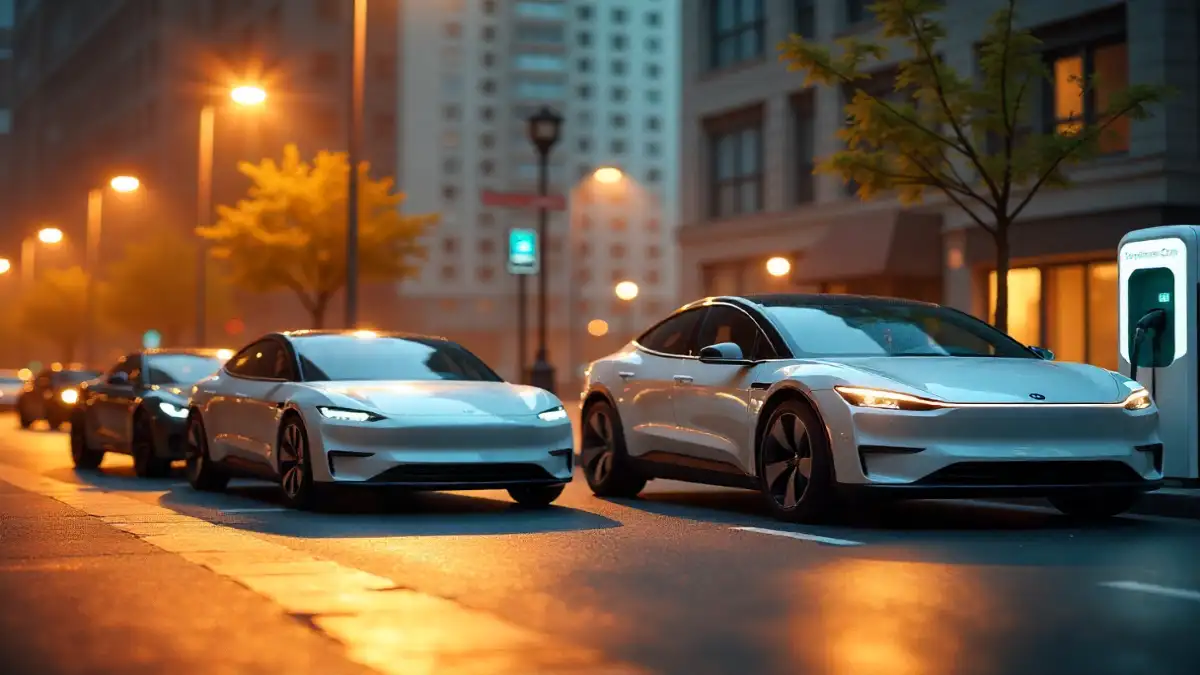
Did you know that over 2 million electric vehicles were sold worldwide in 2020, marking a significant shift towards sustainable transportation? As you explore the world of electric vehicles, you’ll discover several types designed to meet different needs and preferences.
Electric vehicles come in various forms, including Battery Electric Vehicles, Hybrid Electric Vehicles, Plug-in Hybrid Electric Vehicles, and Fuel Cell Electric Vehicles. Understanding these categories is crucial in making an informed decision when choosing your next vehicle.

You are taking the first step towards a more environmentally friendly mode of transportation by learning about EV types. This guide will walk you through the characteristics, advantages, and limitations of each type, helping you find the perfect fit for your lifestyle.
Understanding the Electric Vehicle Revolution
With growing concerns about climate change, electric vehicles have become a focal point in the quest for greener transportation. As a result, the electric vehicle market is experiencing rapid growth, driven by technological advancements, government incentives, and increasing environmental awareness.
Why Electric Vehicles Are Gaining Popularity
Electric vehicles are becoming increasingly popular due to their potential to reduce greenhouse gas emissions and reliance on fossil fuels. You can benefit from lower operating costs, as electric vehicles are generally cheaper to run, with lower fuel and maintenance costs. Additionally, many governments offer incentives such as tax credits and rebates to encourage the adoption of electric vehicles.
The Importance of Knowing Different EV Types
Understanding the different types of electric vehicles is crucial for making an informed decision when considering a switch. You have options such as Battery Electric Vehicles (BEVs), Hybrid Electric Vehicles (HEVs), Plug-in Hybrid Electric Vehicles (PHEVs), and Fuel Cell Electric Vehicles (FCEVs), each with its unique characteristics and benefits. Knowing the distinctions between these types will help you choose the one that best fits your needs and preferences.
The Main Classifications of EVs: BEV, HEV, PHEV, FCEV
The world of electric vehicles is categorized into four main types: Battery Electric Vehicles, Hybrid Electric Vehicles, Plug-in Hybrid Electric Vehicles, and Fuel Cell Electric Vehicles. Understanding these categories is essential for navigating the EV market.
Overview of EV Categories
Each type of EV has its unique features and benefits. Battery Electric Vehicles (BEVs) run solely on electric power, while Hybrid Electric Vehicles (HEVs) combine electric and gasoline power. Plug-in Hybrid Electric Vehicles (PHEVs) offer a balance between electric-only driving and hybrid functionality. Fuel Cell Electric Vehicles (FCEVs) use hydrogen to generate electricity.
How These Classifications Differ
The main differences among these categories lie in their power sources and driving ranges.
Power Source Differences
The power source varies significantly across EV types. BEVs are powered by batteries, HEVs by a combination of battery and gasoline, PHEVs by both battery and gasoline with an emphasis on electric driving, and FCEVs by hydrogen fuel cells.
Driving Range Variations
Driving ranges also differ. BEVs typically have a range between 200-300 miles, HEVs can exceed 500 miles with the help of gasoline, PHEVs offer an electric range of 20-50 miles, and FCEVs can range between 300-500 miles.
| EV Type | Power Source | Driving Range |
|---|---|---|
| BEV | Battery | 200-300 miles |
| HEV | Battery + Gasoline | 500+ miles |
| PHEV | Battery + Gasoline | 20-50 miles (electric) |
| FCEV | Hydrogen Fuel Cell | 300-500 miles |
Battery Electric Vehicles (BEVs): The All-Electric Option
With zero tailpipe emissions, Battery Electric Vehicles (BEVs) are an attractive option for environmentally conscious drivers. BEVs are powered solely by electricity stored in a battery, making them a cleaner alternative to traditional gasoline-powered vehicles.
How BEVs Work
BEVs operate using electric motors powered by rechargeable batteries. These batteries are charged via an electrical outlet or charging station, and they provide the necessary power for the vehicle to move.
Advantages and Limitations of BEVs
The advantages of BEVs include zero emissions, lower operating costs, and smooth, quiet operation. However, limitations such as limited range and charging time can be drawbacks. Despite these, advancements in technology are continually improving these aspects.
Charging Infrastructure Requirements
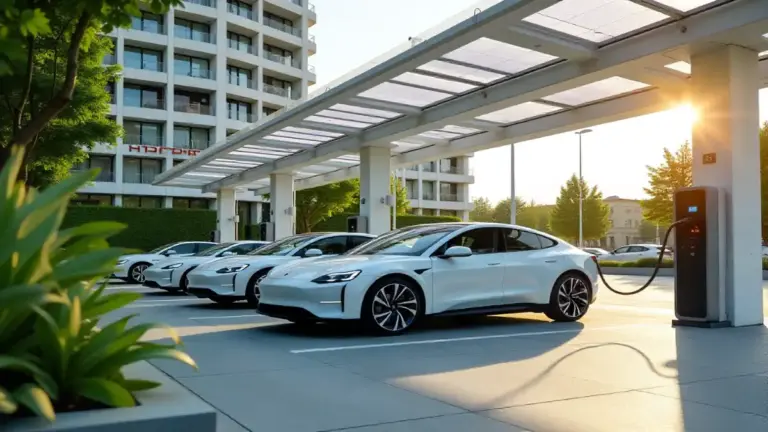
A well-developed charging infrastructure is crucial for the widespread adoption of BEVs. This includes public charging stations, fast-charging corridors along highways, and home charging solutions.
| Type of Charging | Charging Time | Range per Hour |
|---|---|---|
| Level 1 (120V) | 12-24 hours | 2-5 miles |
| Level 2 (240V) | 4-8 hours | 10-25 miles |
| DC Fast Charging | 30 minutes | 60-100 miles |
Popular BEV Models in the US Market
Some of the most popular BEV models in the US include the Tesla Model 3, Nissan Leaf, and Chevrolet Bolt. These models offer a range of options in terms of price, range, and features, making BEVs more accessible to a wider audience.
Hybrid Electric Vehicles (HEVs): The Best of Both Worlds
As you explore the world of electric vehicles, Hybrid Electric Vehicles (HEVs) stand out as a practical choice, combining the benefits of both gas and electric power. You’re probably wondering how they work and what advantages they offer.
How HEVs Combine Gas and Electric Power
HEVs integrate a conventional internal combustion engine with an electric motor and battery. This combination allows HEVs to optimize fuel efficiency and reduce emissions. The electric motor assists the engine during acceleration and braking, capturing kinetic energy to charge the battery.
Benefits and Drawbacks of HEVs
The benefits of HEVs include improved fuel efficiency, lower emissions, and reduced dependence on fossil fuels. However, they also have some drawbacks, such as higher upfront costs and the complexity of combining two powertrains.
Self-Charging Technology Explained
One of the key features of HEVs is their self-charging technology. Through regenerative braking and the engine’s power, HEVs capture and convert energy that would otherwise be lost, charging their batteries without the need for an external power source.
Leading HEV Models Available Today
Some of the leading HEV models include the Toyota Prius, Honda Civic Hybrid, and Ford Fusion Hybrid. These models showcase the advancements in HEV technology, offering a range of options for consumers.
| Model | Fuel Economy (mpg) | Price (USD) |
|---|---|---|
| Toyota Prius | 52 city, 53 highway | $24,350 |
| Honda Civic Hybrid | 44 city, 47 highway | $23,850 |
| Ford Fusion Hybrid | 43 city, 41 highway | $24,400 |
Plug-in Hybrid Electric Vehicles (PHEVs): Extended Electric Range
With the growing interest in eco-friendly transportation, PHEVs stand out by combining the benefits of electric vehicles with the flexibility of hybrid technology.
PHEVs are distinct from standard hybrid vehicles in their ability to be charged from an external power source, allowing for a significant all-electric range. This characteristic makes them particularly appealing to those who have a relatively short commute or primarily drive within city limits.
Differences from Standard Hybrids
Unlike conventional hybrids that rely on their gasoline engine to generate electricity for the battery, PHEVs can be plugged into a charging station or wall socket to replenish their batteries. This capability enables PHEVs to operate in all-electric mode for a considerable distance, reducing reliance on fossil fuels.
Advantages and Limitations
The primary advantages of PHEVs include their flexibility, reduced fuel consumption, and lower emissions. However, they also come with some limitations, such as the need for charging infrastructure and a higher upfront cost compared to conventional hybrids.
On the plus side, PHEVs offer drivers the reassurance of having a gasoline engine for long trips, mitigating range anxiety. On the downside, the electric-only range is limited by the battery size, and the fuel efficiency can vary significantly based on driving habits.
Charging Options and Requirements
Charging a PHEV can be done using a standard household outlet, a dedicated 240-volt charging station, or public charging points. The choice of charging method depends on the vehicle’s specifications and the driver’s needs. Level 2 charging is typically recommended for PHEVs as it significantly reduces charging time.
Notable PHEV Options
Some of the notable PHEVs available in the US market include the Toyota Prius Prime, Chevrolet Volt, and Honda Clarity Plug-in Hybrid. These models offer a blend of electric efficiency and conventional fuel capability, catering to a wide range of driving preferences.
When considering a PHEV, it’s essential to evaluate your driving habits, access to charging infrastructure, and budget to determine if this type of vehicle is the right fit for you.
Fuel Cell Electric Vehicles (FCEVs): The Hydrogen Alternative
As the automotive industry continues to evolve, Fuel Cell Electric Vehicles (FCEVs) are emerging as a promising alternative to traditional electric vehicles. FCEVs utilize hydrogen fuel cell technology to generate electricity, offering a cleaner, more efficient option for drivers.
Understanding Hydrogen Fuel Cell Technology
Hydrogen fuel cell technology works by converting chemical energy into electrical energy. This process involves combining hydrogen with oxygen to produce electricity, with water and heat as the only byproducts. “The use of hydrogen fuel cells represents a significant step towards reducing our reliance on fossil fuels,” says an industry expert.
Pros and Cons of FCEVs
FCEVs offer several advantages, including zero emissions, improved efficiency, and reduced dependence on fossil fuels. However, they also face challenges such as high production costs and limited hydrogen refueling infrastructure.
Hydrogen Refueling Infrastructure in the US
The current state of hydrogen refueling infrastructure in the US is developing, with a growing network of stations, particularly in California. Efforts are being made to expand this infrastructure to support the wider adoption of FCEVs.
Current FCEV Availability in the US
Several FCEV models are available in the US market, including the Toyota Mirai and Hyundai Nexo. These vehicles offer consumers a unique combination of performance, efficiency, and sustainability.
Conclusion: Choosing the Right EV Type for Your Needs
Now that you’ve explored the different types of electric vehicles (EVs), it’s time to choose the one that best fits your lifestyle. Whether you’re considering a Battery Electric Vehicle (BEV), Hybrid Electric Vehicle (HEV), Plug-in Hybrid Electric Vehicle (PHEV), or Fuel Cell Electric Vehicle (FCEV), understanding your driving habits and preferences is key to making an informed decision.
When selecting an EV, consider factors such as your daily commute, access to charging infrastructure, and budget. If you have a short commute and can charge your vehicle at home, a BEV might be the perfect choice. On the other hand, if you need flexibility for longer trips, an HEV or PHEV could be more suitable. For those interested in the latest hydrogen technology, FCEVs offer a promising alternative.
By weighing your needs against the characteristics of each ev type, you’ll be able to choose the electric vehicle that is right for you. As the electric vehicles market continues to evolve, staying informed will help you make the most of the benefits that EVs have to offer, from reducing your carbon footprint to enjoying the latest automotive technology.
FAQ
What are the main types of electric vehicles?
The main types of electric vehicles are Battery Electric Vehicles (BEVs), Hybrid Electric Vehicles (HEVs), Plug-in Hybrid Electric Vehicles (PHEVs), and Fuel Cell Electric Vehicles (FCEVs).
How do Battery Electric Vehicles (BEVs) work?
BEVs are powered solely by a battery and electric motor, with no internal combustion engine. They need to be charged from an external power source.
What is the difference between a Hybrid Electric Vehicle (HEV) and a Plug-in Hybrid Electric Vehicle (PHEV)?
HEVs combine a conventional engine with an electric motor and battery, but they cannot be charged from an external power source. PHEVs also have a conventional engine and electric motor, but they can be charged from an external power source, allowing for a longer electric-only driving range.
How do Fuel Cell Electric Vehicles (FCEVs) work?
FCEVs use hydrogen to generate electricity, which powers an electric motor. The only byproduct is water vapor and heat.
What are the benefits of owning an electric vehicle?
Electric vehicles offer several benefits, including reduced greenhouse gas emissions, lower operating costs, and a smoother, quieter ride.
What is the driving range of different electric vehicle types?
The driving range varies significantly between different EV types. BEVs can range from around 200 to over 500 miles on a single charge. HEVs and PHEVs have a longer total driving range due to their conventional engine, while FCEVs can offer a range of up to 400 miles or more, depending on the model and hydrogen storage capacity.
How long does it take to charge an electric vehicle?
Charging time depends on the type of charger used and the vehicle’s battery capacity. Fast charging can charge a BEV to 80% in under 30 minutes, while Level 2 charging may take several hours.
Are there government incentives available for buying an electric vehicle?
Yes, many governments offer incentives, such as tax credits or rebates, to encourage the adoption of electric vehicles. The specific incentives available vary by country and region.