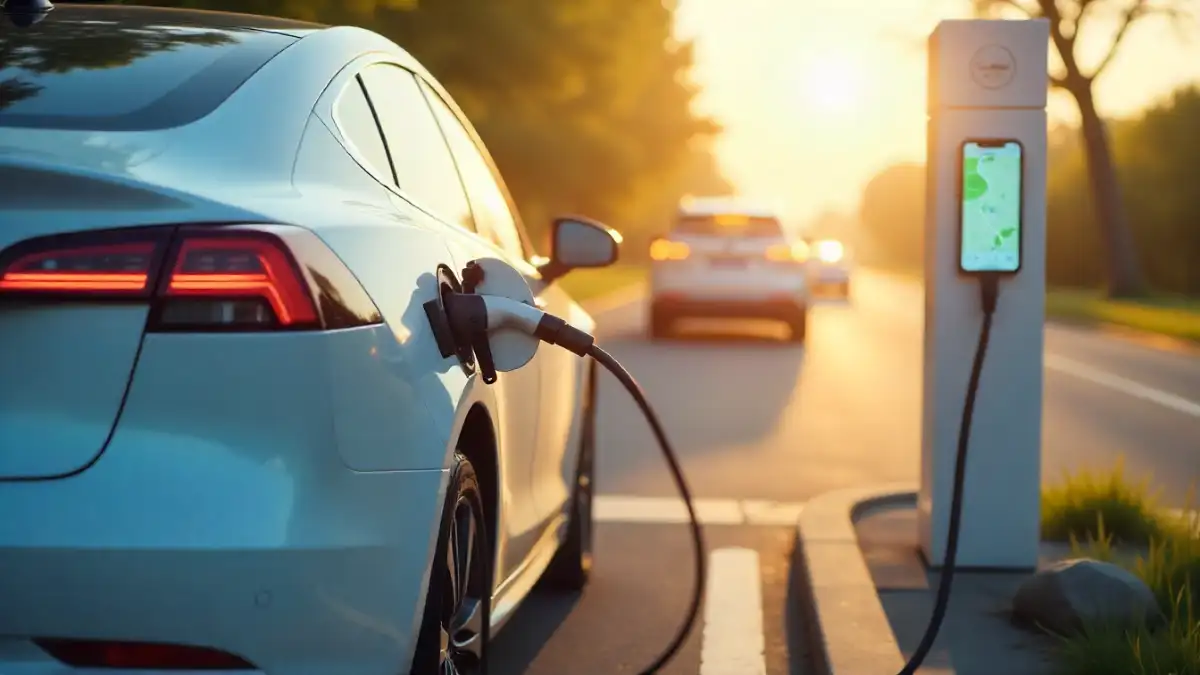
Remember the first time you drove somewhere new and worried about finding a gas station? Now imagine that feeling, but you’re driving an electric car and wondering if you’ll make it to the next charging point. I get it—range anxiety is real, and it’s one of the biggest concerns I hear from people considering the switch to electric.
Here’s the good news: finding charging stations has become incredibly easy, thanks to technology that puts thousands of charging points literally at your fingertips. Whether you’re planning a cross-country road trip or just want to know where to top up during your daily routine, the right apps and planning tools can make charging your EV as stress-free as grabbing coffee at your favorite café.
Let me walk you through everything you need to know about finding charging stations, from the best apps to download to insider tips that’ll make your EV adventures smooth sailing.
Understanding the Charging Station Landscape
Before we dive into apps and tools, let’s quickly cover what you’re actually looking for out there. Not all charging stations are created equal, and knowing the difference will save you time and frustration.
Level 2 chargers are the most common public stations you’ll encounter. Think of these as your everyday charging solution—they add about 25-30 miles of range per hour. Perfect for topping up while you’re shopping, eating lunch, or catching a movie. You’ll find these at grocery stores, parking garages, and hotels.
DC fast chargers (sometimes called Level 3) are the road trip lifesavers. These powerful stations can add 100-200 miles of range in just 20-30 minutes, depending on your car. Tesla’s Superchargers fall into this category, along with networks like Electrify America and EVgo. These are strategically placed along highways and major routes.
Here’s something that surprised me when I first started tracking charging infrastructure: there are now over 140,000 public charging ports across the United States, with new ones popping up weekly. Compare that to about 150,000 gas stations, and you realize the gap isn’t as wide as most people think.
The Essential Charging Station Apps You Need
Your smartphone is your best friend when it comes to EV charging. Here are the must-have apps that I keep on my home screen:
PlugShare is hands-down the most comprehensive charging station finder available. What makes it special? Real user reviews and photos. Before you head to a station, you can see if it’s actually working, if the parking spots are usually occupied, and whether the location is in a safe, convenient area. Users update the app constantly, so the information is typically current. The app shows all charging networks in one place, which is incredibly helpful when you’re planning routes.
ChargePoint operates one of the largest charging networks in North America, with over 100,000 charging spots. Their app not only helps you find their stations but also lets you start charging sessions, monitor your charging progress, and pay—all from your phone. I particularly appreciate that you can see real-time availability, so you’re not driving to a station only to find all the spots occupied.
Electrify America is essential if you’re planning highway trips. They’ve built an extensive DC fast-charging network along major corridors specifically for road trippers. The app shows you precisely which stalls are available right now, which is crucial when you’re pulling off the highway with limited range remaining.
Your car’s built-in navigation deserves mention here too. Most modern EVs have sophisticated trip planners that consider your current battery level, driving conditions, and available chargers along your route. Tesla’s navigation is particularly smart—it’ll route you through Superchargers and even tell you how long to charge at each stop. Other manufacturers like Ford, Rivian, and BMW have stepped up their game considerably in recent years.
A Better Route Planner (ABRP) is the app for serious road trip planning. It’s almost obsessively detailed, factoring in weather, elevation changes, traffic, and even your driving style to predict exactly how much battery you’ll use. You can input your specific EV model, and it’ll plan your entire route with charging stops. Some people find it overkill for daily driving, but for that ambitious cross-country adventure? It’s invaluable.
Planning Your First EV Road Trip
Let me share something honest: your first long-distance EV trip requires more planning than tossing your bags in a gas car and hitting the road. But once you’ve done it? You’ll realize it’s actually not that different—and in some ways, better.
Start with your route, not your destination. I know that sounds backwards, but hear me out. Pull up your chosen app and map out your journey. Look at where DC fast chargers are located and how far apart they’re spaced. Most EVs comfortably travel 200-300 miles between charges, so you’re typically stopping every 2-3 hours—which, let’s be real, is when you’d probably want a break anyway.
Build in buffer range. Here’s a rookie mistake I made once: arriving at a charging station with only 5% battery remaining. What if the station was down? What if all the spots were full? Now I follow the “10/80 rule”—I aim to arrive at charging stops with at least 10% battery and rarely charge beyond 80% unless I need the extra range for the next leg. Why? Because charging from 10% to 80% is much faster than 80% to 100%. Those last 20% can take as long as the first 70%.
Have backup options. Always identify alternative charging stations within reasonable distance of your planned stops. I typically note one or two backup locations in case my first choice is unavailable. Most trip planning apps will do this automatically, but it’s worth double-checking.
Time your stops strategically. One of the hidden benefits of EV road trips? You’re forced to take actual breaks. I’ve started planning my charging stops around interesting restaurants, local attractions, or scenic walking trails. That 30-minute charging session becomes a chance to stretch your legs, grab a decent meal, and actually enjoy the journey. It’s transformed how I travel.
Navigating Charging Networks and Payment Systems
Here’s something that frustrates new EV drivers: the fragmented payment systems. Unlike gas stations where you can use any credit card anywhere, charging networks often require their own apps or RFID cards.
The reality check: You’ll probably need 2-4 different charging apps depending on where you live and drive. I keep ChargePoint, Electrify America, EVgo, and PlugShare on my phone. Most let you set up payment once and then just tap to start charging. Some even offer subscription plans that reduce per-kilowatt-hour costs if you charge frequently.
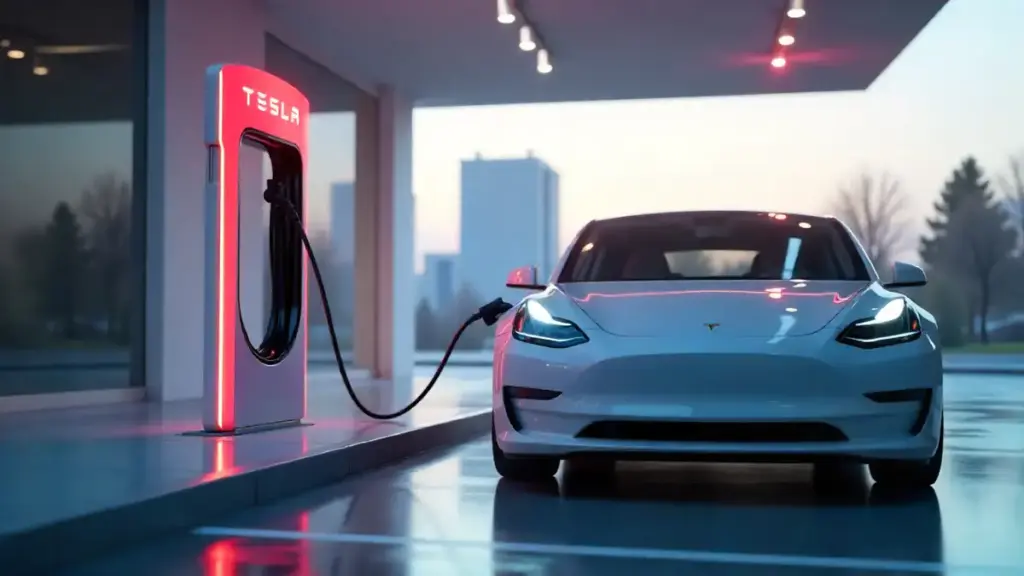
Tesla’s advantage is worth mentioning: their closed ecosystem means you just plug in and the car handles payment automatically through your Tesla account. No apps, no cards, no fumbling with your phone. It’s brilliantly simple, and honestly, it’s what the entire industry should move toward. The good news? Tesla has started opening their Supercharger network to other EVs, though you’ll need their app if you’re not driving a Tesla.
A game-changer coming soon: Plug and Charge technology is rolling out across major networks. Your car and the charger communicate automatically, handle authentication, and process payment without any input from you. It works at select Electrify America, EVgo, and ChargePoint stations now, with more networks adding support constantly.
Tips for Daily Charging Success
Most of your charging won’t be on road trips—it’ll be during regular life. Here’s how to make it effortless:
Home charging is your foundation. If you can charge at home, do it. Install a Level 2 charger in your garage, and you’ll wake up with a “full tank” every morning. This is how about 80% of EV charging happens, and it’s honestly one of the best parts of EV ownership. No more gas station detours during busy mornings.
Learn your local spots. Spend a week exploring charging options near places you regularly visit. I’ve found free Level 2 chargers at my local library, my gym, and a shopping center I frequent. Some stations are free, others cost less than charging at home, and knowing your options means you can optimize based on convenience and cost.
Check before you go. This takes five seconds but saves significant hassle: open your app and verify the station is working before you drive there. Users typically report problems within minutes, so you’ll know if a station is broken or inaccessible.
Dealing with Common Charging Challenges
Let’s address the elephant in the room: sometimes charging doesn’t go smoothly. I’ve encountered my share of issues, and here’s what I’ve learned:
Broken chargers happen. Usually 5-10% of public chargers are non-functional at any given time. Frustrating? Absolutely. But this is why you always have a backup plan and never let your battery get too low before seeking a charge.
Occupied stations can be annoying, especially at DC fast chargers where there might only be 2-4 stalls. Many apps now show real-time availability, which helps. Some networks charge idle fees if you leave your car plugged in after charging completes, which encourages turnover.
Slow charging speeds sometimes occur due to battery temperature, the station sharing power across multiple vehicles, or your battery’s state of charge. If you’re not getting expected speeds, it’s usually not cause for concern—just an annoying reality of the current technology.
Network connectivity issues occasionally prevent charging sessions from starting. Most stations have a phone number displayed for troubleshooting. I’ve called customer support a handful of times, and they can usually restart the station remotely within minutes.
The Future Looks Bright
Here’s what excites me about where we’re heading: charging infrastructure is improving rapidly. Major automakers have committed billions to expanding networks. The federal government is funding charging stations along highway corridors. Retail chains are adding chargers to attract EV-driving customers.
Within the next few years, we’ll see standardized payment systems, better reliability, faster charging speeds, and stations in places you wouldn’t expect. I’ve already spotted chargers at remote trailheads, wineries, and small-town main streets. The infrastructure is catching up with demand, and quickly.
Your Next Steps
Ready to embrace EV charging? Start by downloading PlugShare and exploring what’s available in your area. You’ll probably be surprised by how many charging stations are already nearby. Then, if you’re considering an EV purchase, use A Better Route Planner to map out a road trip you actually want to take. See how feasible it looks. I bet you’ll find it’s more doable than you expected.
The transition to electric driving requires some adjustment, yes. But with the right tools and knowledge, range anxiety becomes range confidence. You’ll discover that charging stations are plentiful, technology makes finding them effortless, and the entire experience quickly becomes second nature.
Trust me—once you’ve experienced the convenience of charging while you sleep, shop, or explore, you’ll wonder why you ever spent time standing in gas station parking lots. The future of transportation is electric, and it’s easier to navigate than you think.