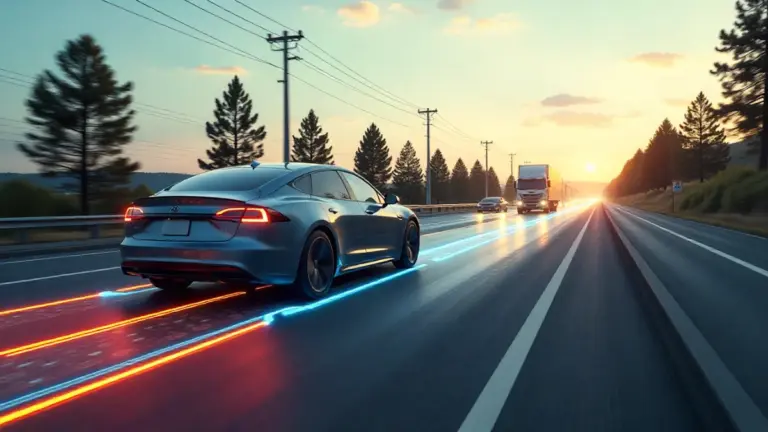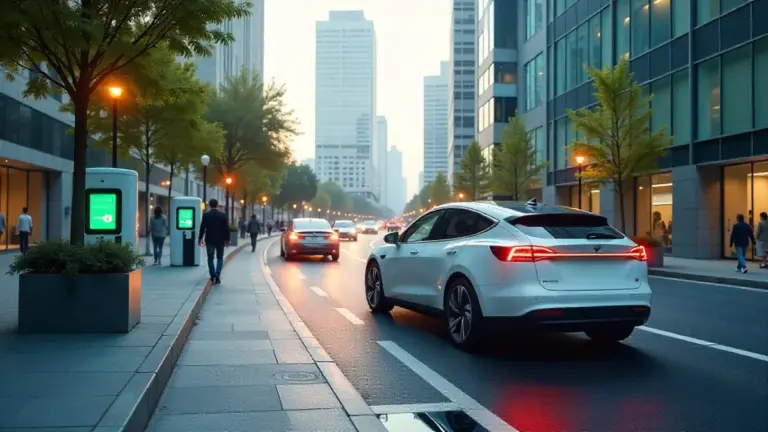
The way we move is changing faster than ever before. If you’ve noticed more electric vehicles on your street, bike lanes popping up in your city, or charging stations appearing at your local shopping center, you’re witnessing the rise of electric mobility in 2025 — a transportation revolution happening in real time. We’re not just swapping gas engines for batteries; we’re reimagining how communities move, connect, and thrive sustainably without compromising our planet.
In 2025, electric mobility isn’t just a buzzword; it’s becoming the backbone of sustainable transportation. From the electric cars in our driveways to the e-scooters zipping past us on sidewalks, clean transportation is finally moving from concept to everyday reality. Let’s explore the key trends that are driving this transformation and what they mean for how you’ll get around tomorrow.
The Electric Vehicle Surge: More Than Just Cars
Remember when electric vehicles were rare curiosities that turned heads wherever they went? Those days are long gone. In 2025, EVs have become mainstream, and the numbers tell a compelling story.
Global EV sales have continued their upward trajectory, with electric vehicles now representing a significant chunk of new car sales in major markets. China leads the pack with over 40% of new vehicle sales being electric, while Europe isn’t far behind at around 25%. Even in the United States, where pickup trucks ruled supreme for decades, electric models are gaining serious traction.
But here’s what’s really interesting: it’s not just about passenger cars anymore. Electric buses are transforming public transit in cities from Los Angeles to London. Delivery vans from companies like Amazon and UPS are going electric, quietly humming through neighborhoods instead of rumbling and polluting. Even heavy-duty trucks are starting to make the switch, with Tesla’s Semi and competitors proving that long-haul electric freight isn’t science fiction.
What’s driving this surge? Three big factors: better batteries, lower prices, and improved charging infrastructure. Today’s EVs can travel 300-400 miles on a single charge—more than enough for most people’s daily needs. And with prices dropping as production scales up, electric vehicles are becoming financially competitive with traditional gas-powered cars, especially when you factor in lower maintenance and “fuel” costs.
Smart Charging Infrastructure: The Nervous System of Electric Mobility
You can have all the electric vehicles you want, but without places to charge them, they’re just expensive paperweights. That’s why the explosive growth in charging infrastructure might be the most important trend in electric mobility right now.
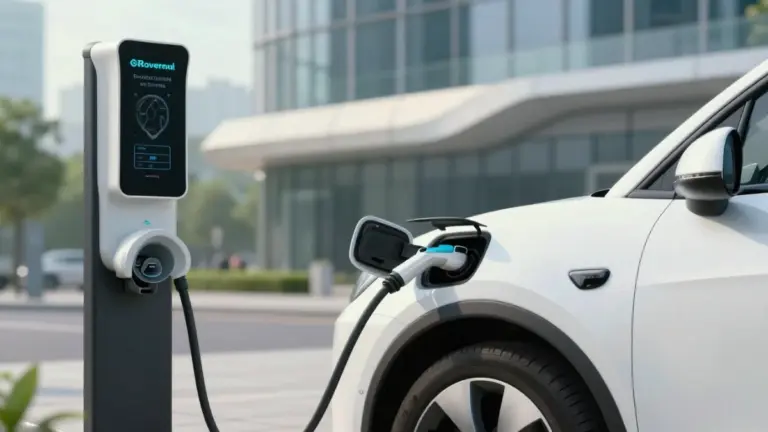
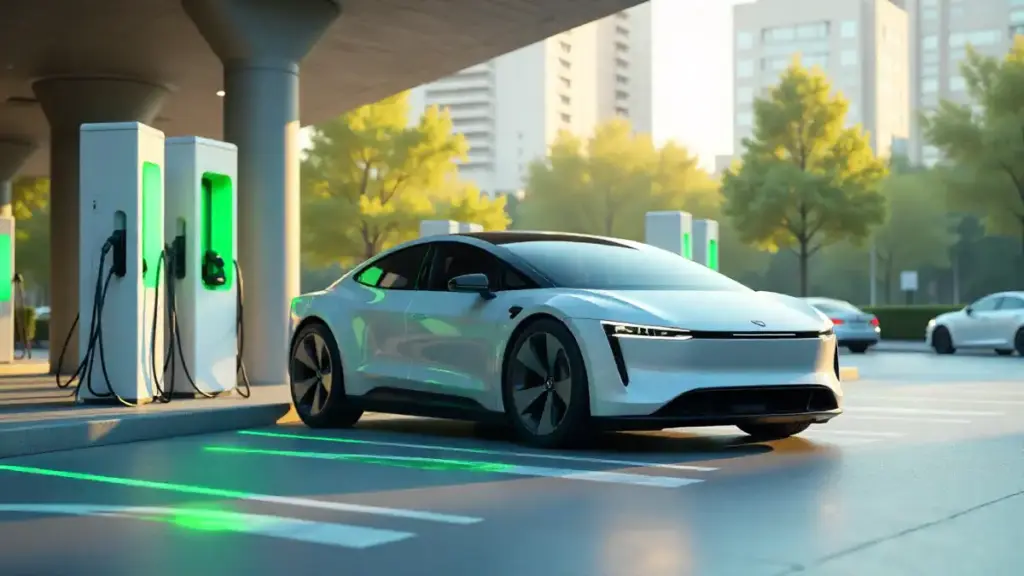
In 2025, charging isn’t just about plugging in at home overnight anymore—though that’s still how most EV owners handle daily charging. We’re seeing a sophisticated network of charging options that make electric vehicles practical for almost everyone, regardless of where they live or how they drive.
Fast-charging stations along highways have become as common as gas stations in many regions, capable of adding 200 miles of range in just 15-20 minutes. That’s about the time it takes to grab a coffee and stretch your legs on a road trip anyway. Companies like Tesla, Electrify America, and EVgo have blanketed major corridors with chargers, while newer players continue expanding the network.
But the real innovation is happening in smart charging technology. Your EV can now communicate with the power grid, charging when electricity is cheapest and cleanest—often during off-peak hours when renewable energy is abundant. Vehicle-to-grid (V2G) technology is even allowing EVs to send power back to the grid during peak demand, essentially turning your car into a mobile battery that can help stabilize the electrical system and even earn you money.
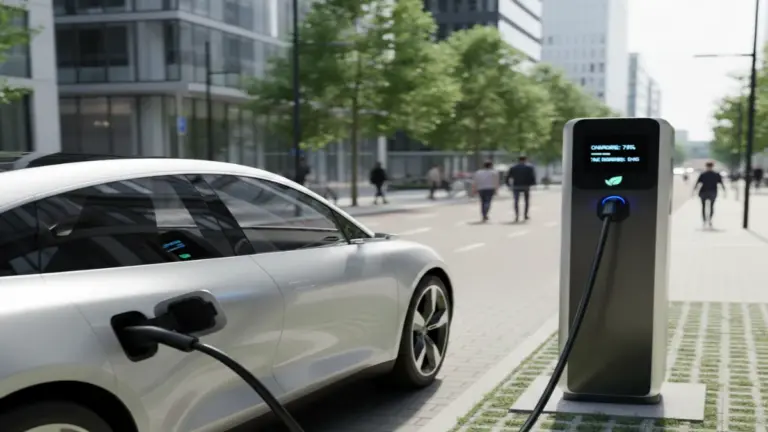
Workplace charging has become standard at forward-thinking companies, while destination charging at shopping centers, restaurants, and hotels means you can top up while you go about your day. Some apartment buildings and condos are installing shared charging infrastructure, solving one of the biggest hurdles for city dwellers without private garages.
Renewable Energy Integration: Making EVs Truly Clean
Here’s a question that skeptics love to ask: “But where does the electricity come from?” It’s a fair point. An electric vehicle charged from a coal-fired power plant isn’t exactly saving the planet, is it?
That’s why the integration of renewable energy with electric mobility is so crucial—and so exciting in 2025. Solar and wind power are now the cheapest sources of new electricity in most of the world, and the synergy with electric transportation is creating a virtuous cycle.
More EV owners are pairing their vehicles with home solar panels and battery storage systems. Imagine this: you install solar panels on your roof, generate clean electricity during the day, store excess energy in a home battery, and use it to charge your EV overnight. You’re essentially driving on sunshine, with zero emissions and minimal ongoing costs. Companies like Tesla, SunPower, and Enphase have made these integrated systems increasingly affordable and user-friendly.
On a larger scale, utility companies are increasingly using the massive batteries in electric vehicles as distributed energy storage. During the day, when solar power is abundant, EVs charge up. At night, when demand peaks and solar isn’t available, those same EVs can feed power back into the grid. It’s a brilliant solution to one of renewable energy’s biggest challenges: storing power for when it’s needed most.
The result? Electric vehicles are getting cleaner every single day as the power grid incorporates more renewable energy. Even if you’re charging from the grid today, the electricity mix is continuously improving, making your EV progressively more environmentally friendly without you doing anything different.
Autonomous Electric Vehicles: The Next Frontier
Self-driving technology and electric powertrains are a natural match, and in 2025, we’re seeing these two innovations converge in fascinating ways.
Think about it: autonomous vehicles need to process enormous amounts of data from sensors, cameras, and AI systems. Electric vehicles, with their sophisticated electronic architectures and abundant onboard power, are ideal platforms for this technology. There’s no noisy combustion engine to interfere with sensitive electronics, and the precise control of electric motors makes the smooth, predictable movements that autonomous systems require much easier to achieve.
Companies like Waymo, Cruise, and newer startups are deploying autonomous electric taxis in cities around the world. In San Francisco, Phoenix, and select international cities, you can already hail a robotaxi that arrives without a driver, navigates city streets safely, and delivers you to your destination—all while producing zero emissions.
The implications are profound. Imagine cities where you don’t need to own a car at all. When you need a ride, an autonomous EV arrives within minutes, charges itself when needed, and operates at a fraction of the cost of traditional taxis or rideshares. Early adopters in test cities are already experiencing this future, and it’s reshaping how they think about personal transportation.
For delivery services, autonomous electric vehicles are a game-changer. Small, slow-moving robots deliver packages and groceries directly to doorsteps in suburban neighborhoods, while larger autonomous vans handle bigger loads. These systems operate around the clock, don’t get tired, and produce no emissions—making last-mile delivery more efficient and environmentally friendly than ever before.
Micromobility: Small Vehicles, Big Impact
Not every trip requires a 4,000-pound vehicle, and that realization is transforming urban transportation through micromobility—electric bikes, scooters, and other small electric vehicles.
In 2025, e-bikes have become a legitimate transportation option for millions of people, not just a recreational toy. Modern e-bikes can travel 50-100 miles on a charge, easily handle hills with electric assistance, and make commuting by bicycle practical for people who previously found it too strenuous or sweaty. Cities are responding by building protected bike lanes and bicycle-friendly infrastructure, making two-wheeled commuting safer and more appealing.
Electric scooters, once dismissed as a passing fad, have matured into a viable transportation option. Shared scooter programs in hundreds of cities provide convenient last-mile connectivity, helping people bridge the gap between transit stations and their final destinations. The scooters themselves have become more durable and longer-lasting, with swappable batteries that allow for efficient operation without the chaos of early deployment models scattered haphazardly across sidewalks.
New categories of micromobility vehicles are emerging too. Electric cargo bikes are replacing delivery vans for urban package delivery in dense city centers. Three-wheeled electric vehicles offer weather protection for commuters. Even electric skateboards and one-wheels have found dedicated user communities who rely on them for daily transportation.
The beauty of micromobility is its efficiency. These vehicles use a fraction of the energy required by cars, cost less, take up minimal space, and often get you to your destination faster in congested urban areas. For trips under a few miles—which represent the majority of urban trips—they’re often the smartest choice.
Sustainable City Planning: Designing for Clean Mobility
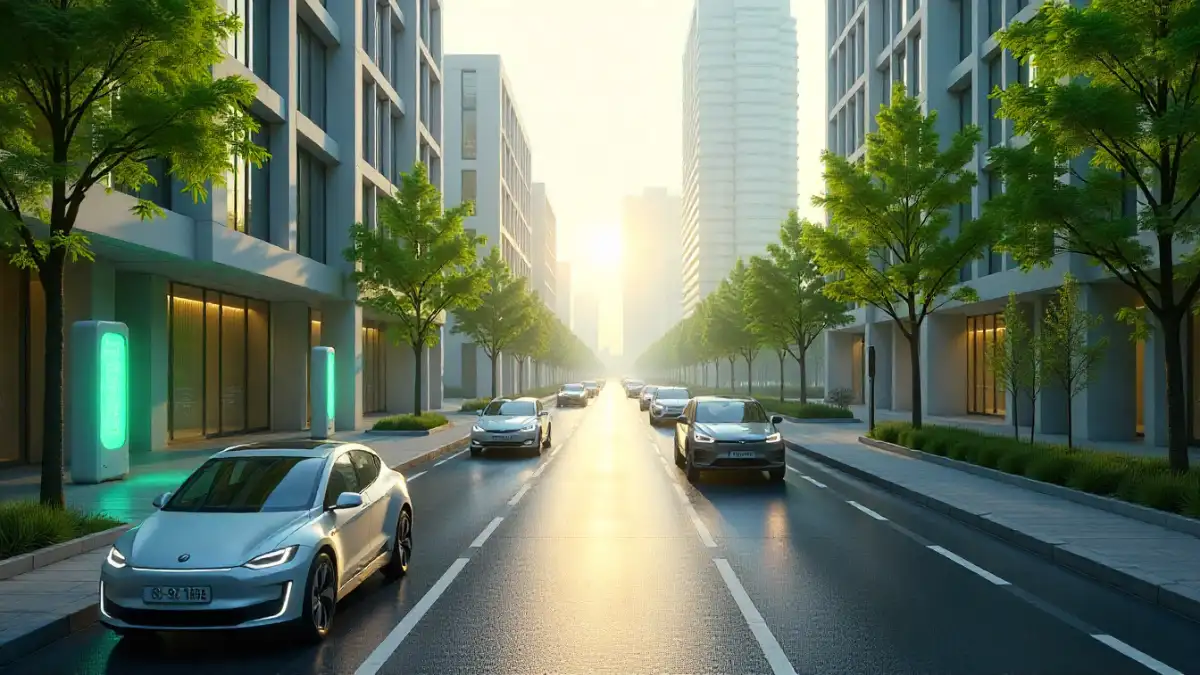
Transportation doesn’t exist in isolation; it’s shaped by how we design our communities. In 2025, forward-thinking cities are reimagining their infrastructure to support sustainable transportation from the ground up.
Complete streets—designed for pedestrians, cyclists, transit, and vehicles rather than cars alone—are becoming the standard in new urban development and retrofits. Protected bike lanes, wider sidewalks, dedicated bus lanes, and pedestrian plazas are transforming streetscapes from car-dominated corridors into vibrant public spaces.
Transit-oriented development concentrates housing, jobs, and services near public transportation hubs, reducing the need for car trips in the first place. These neighborhoods, often featuring electric bus rapid transit or light rail, prove that high quality of life doesn’t require everyone owning a car.
Smart city technology is optimizing traffic flow in real-time, reducing congestion and emissions. Adaptive traffic signals prioritize buses and emergency vehicles. Apps provide real-time information about all transportation options—bus arrivals, available e-scooters, bike-share availability, and ride-hailing services—making it easy to choose the most efficient option for each trip.
Zero-emission zones in city centers, where only electric vehicles are allowed, have shown dramatic improvements in air quality and livability. Paris, London, and other major cities have implemented these zones, and smaller cities are following suit, creating cleaner, quieter urban cores where people actually want to spend time.
Industry Innovators Leading the Charge
This transformation isn’t happening by accident—it’s being driven by visionary companies, policymakers, and entrepreneurs who see both opportunity and urgency in the shift to clean mobility.
Tesla continues to push the envelope, not just in vehicles but in battery technology, charging infrastructure, and integrated energy systems. Their influence extends beyond their own products, spurring traditional automakers to accelerate their electric vehicle programs.
Chinese companies like BYD have become global leaders, producing affordable electric vehicles at massive scale while also manufacturing electric buses and batteries. Their success demonstrates that sustainable transportation can be both practical and profitable.
Startups are attacking specific niches with innovative solutions. Rivian focuses on electric adventure vehicles. Lucid targets luxury performance. Arrival and Canoo are rethinking vehicle manufacturing with microfactories and skateboard platforms. Each brings fresh thinking to an industry in desperate need of innovation.
Beyond vehicles, companies like ChargePoint and EVgo are building the charging infrastructure that makes electric mobility possible. Software companies are creating the management systems that optimize charging, predict maintenance needs, and integrate EVs with renewable energy. Battery manufacturers are developing next-generation solid-state batteries that promise even longer range and faster charging.
Policymakers matter too. Government incentives, emissions regulations, and infrastructure investments are accelerating the transition. The European Union’s stringent emissions standards, China’s aggressive EV mandates, and the United States’ infrastructure investments are all shaping the market and driving innovation.
The Road Ahead: What This Means for You
So what does all this mean for you personally? Whether you’re considering your next vehicle purchase, thinking about how your city could improve, or simply curious about where we’re headed, these trends will touch your life in tangible ways.
If you’re in the market for a new vehicle, the options have never been better. Electric vehicles now span every category and price point, from affordable compact cars to luxury SUVs to capable pickup trucks. The total cost of ownership often beats equivalent gas-powered vehicles when you factor in fuel savings, lower maintenance, and available incentives. And with charging infrastructure expanding rapidly, range anxiety is becoming a thing of the past for most drivers.
For city dwellers, the combination of improved public transit, micromobility options, and ride-sharing services means car ownership is increasingly optional. Many people are discovering they can live quite happily—and save considerable money—without owning a vehicle at all, using a mix of transportation options that fit each trip’s needs.
The environmental benefits are becoming impossible to ignore. Transportation is the largest source of greenhouse gas emissions in many countries, and electrification offers the clearest path to decarbonization. Every electric vehicle on the road, every e-bike replacing a car trip, and every electric bus in service represents measurable progress toward cleaner air and a more stable climate.
Taking Action: Your Next Steps
The future of sustainable transportation is already here—it’s just not evenly distributed yet. But you can be part of accelerating this transition, regardless of your circumstances.
Consider electric for your next vehicle purchase. Test drive several models to experience the instant torque, smooth operation, and surprising performance. Run the numbers on total ownership costs—you might be pleasantly surprised. Look into available incentives in your area, which can significantly reduce the purchase price.
If buying isn’t in the cards right now, explore micromobility options. Could an e-bike replace some of your car trips? Many people discover that once they try an e-bike, they use it far more than expected. Shared scooters and bikes can fill occasional needs without the commitment of ownership.
Support sustainable transportation infrastructure in your community. Attend city council meetings, vote for politicians who prioritize clean mobility, and advocate for better bike lanes, transit service, and EV charging. Change happens when people demand it.
Stay informed about this rapidly evolving field. The pace of innovation in electric mobility and sustainable transportation is breathtaking, with new developments seemingly every week. Understanding these trends helps you make better decisions and see opportunities others might miss.
Most importantly, recognize that the transition to clean mobility isn’t just about technology—it’s about reimagining how we live, work, and move through our communities. It’s about cities designed for people rather than cars, about air that’s safe to breathe, and about leaving a healthier planet for future generations.
The road to sustainable transportation is no longer some distant vision—it’s the highway we’re traveling right now. And whether you’re behind the wheel of an electric vehicle, pedaling an e-bike, or riding an electric bus, you’re part of a transformation that’s making our world cleaner, quieter, and more livable, one trip at a time.