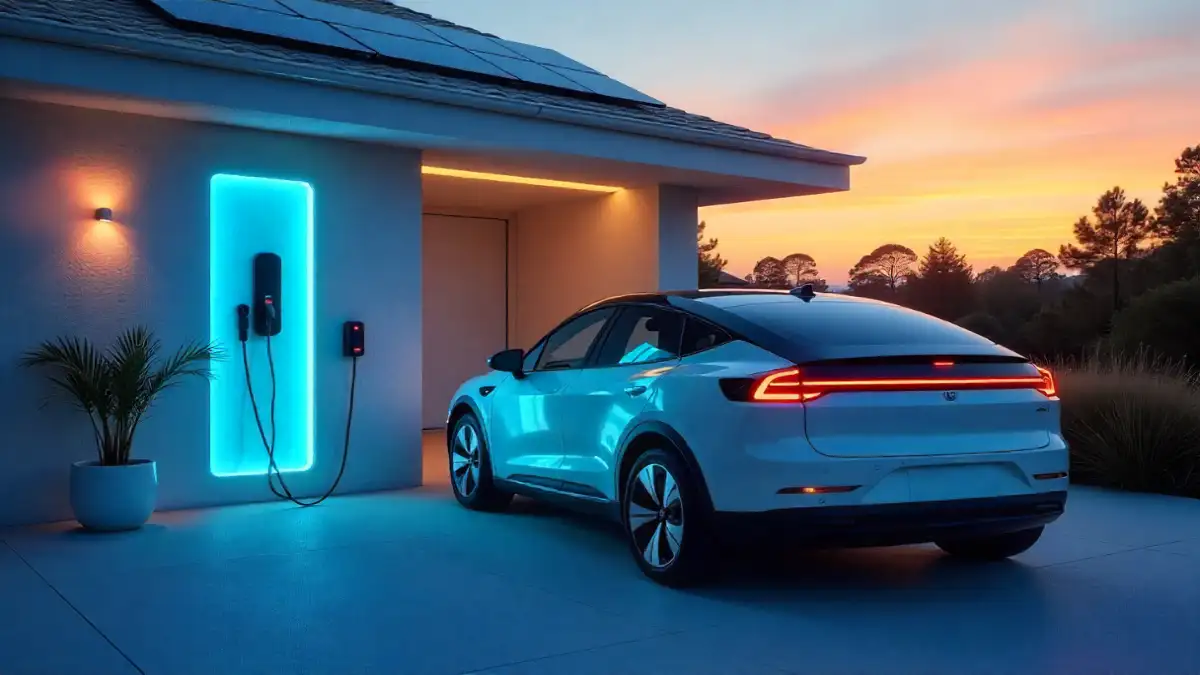
As an electric vehicle (EV) owner, you’re likely aware of the growing need for convenient and accessible charging solutions. With over 2 million electric vehicles on the road in the United States alone, the demand for home charging is on the rise. Charging your EV at home can be a cost-effective and efficient way to keep your vehicle ready for the road.

You can easily charge your electric vehicle at home using a dedicated home charging station, providing a reliable and fast charging experience. This guide will walk you through the process, helping you understand the benefits and best practices for home electric car charging.
By charging your EV at home, you can take advantage of lower electricity rates, avoid public charging station fees, and enjoy the convenience of charging in the comfort of your own garage or driveway. Let’s dive into the details of creating an effective home charging setup for your electric vehicle.
Understanding Electric Vehicle Charging Basics
As you consider charging your electric car at home, it’s essential to understand the basics of electric vehicle charging. This knowledge will help you make informed decisions about your charging setup and ensure you’re getting the most out of your vehicle.
Types of EV Charging Levels
There are three primary levels of electric vehicle charging: Level 1, Level 2, and DC Fast Charging. Level 1 charging uses a standard 120-volt household outlet and is the most convenient but slowest method. Level 2 charging requires a dedicated 240-volt charging station, offering faster charging times. DC Fast Charging is the quickest method, using high-power charging stations to replenish your battery to 80% in under 30 minutes.
Charging Speeds and Power Requirements
The speed at which your electric vehicle charges depends on the type of charger and your vehicle’s battery capacity. Level 1 charging typically provides 2-5 miles of range per hour of charging, while Level 2 can offer 10-25 miles per hour. DC Fast Charging can add up to 200 miles of range in just 30 minutes. The power requirement for charging also varies, with Level 1 using 1.4-1.9 kW, Level 2 using 3.3-19.2 kW, and DC Fast Charging using up to 350 kW.
Battery Capacity and Range Considerations
Your electric vehicle’s battery capacity directly affects its range. A larger battery capacity generally means a longer range. For example, a vehicle with a 60 kWh battery might have a range of around 250 miles, while a vehicle with an 80 kWh battery could have a range of over 350 miles. Understanding your vehicle’s battery capacity and how it relates to your daily driving needs is crucial for optimizing your charging habits.
How to Charge an Electric Car at Home: Equipment Options
Home charging for electric cars is not just about plugging in; it’s about selecting the right equipment for your needs. When considering how to charge your electric vehicle (EV) at home, understanding the available equipment options is crucial.
Level 1 Charging: Using Standard Outlets
Level 1 charging utilizes a standard 120-volt outlet, which is convenient because it doesn’t require any additional infrastructure. However, it’s the slowest method, providing about 2-5 miles of range per hour of charging. This method is best for those with minimal daily driving needs.
Level 2 Charging: Dedicated Home Charging Stations
For faster charging, Level 2 charging stations are recommended. These dedicated stations use 240-volt power and can charge your EV much quicker, typically providing 10-25 miles of range per hour. Installing a Level 2 charger requires a dedicated 240-volt circuit.
Popular Home Charging Station Models
Some popular models for home charging include the ChargePoint Home Flex and the JuiceBox Pro 40. These models offer various features such as Wi-Fi connectivity, scheduling, and energy monitoring.
Smart Charging Features and Benefits
Smart charging features allow you to control and monitor your charging process remotely. Benefits include the ability to schedule charging during off-peak hours, monitor energy usage, and receive notifications when charging is complete. These features can help optimize your energy consumption and potentially save on electricity costs.
By choosing the right charging equipment and utilizing smart features, you can enhance your home EV charging experience, making it more efficient and cost-effective.
Assessing Your Home’s Electrical System
Before installing a home charging station for your electric car, it’s crucial to assess your home’s electrical system to ensure it can handle the additional load. This assessment is vital for safe and efficientresidential electric vehicle charging.
Evaluating Your Electrical Panel Capacity
Your electrical panel is the heart of your home’s electrical system. To determine if it can support EV charging, you’ll need to evaluate its capacity. Check the panel’s main breaker rating, usually measured in amps. A higher rating indicates a greater capacity. You can find this information on the panel’s label or in your home’s electrical documentation.
Circuit Requirements for EV Charging
EV charging requires a dedicated circuit. The National Electric Code (NEC) recommends a 240-volt, 40-amp circuit for Level 2 charging. You’ll need to ensure your electrical panel can accommodate this requirement. Consider the following:
- Available space in your electrical panel for a new breaker
- The panel’s compatibility with the required circuit specifications
When to Consult an Electrician
If you’re unsure about your electrical panel’s capacity or need help with circuit requirements, it’s time to consult a licensed electrician. They can assess your system and provide recommendations for upgrades or modifications.
Preparing Your Garage or Carport
In addition to electrical system assessments, prepare your garage or carport by ensuring it’s well-ventilated and has a suitable location for the charging station. Consider the proximity to your electrical panel and the charging cable’s length.
By following these steps, you can ensure a safe and efficient installation of your home charging station for electric cars.
Step-by-Step Installation Guide for Home Charging
The process of installing a home charging station involves several key steps that ensure safe and efficient charging. As you embark on this diy electric car charging project, it’s essential to understand the requirements and considerations for a successful installation.
Selecting the Optimal Location
When choosing a location for your home charging station, consider the proximity to your electrical panel and the parking spot for your electric vehicle. The location should be easily accessible and protected from the elements. Convenience and safety are paramount in this decision.
Permits and Regulations to Consider
Before starting the installation, check with your local authorities to determine if any permits are required. Regulations can vary significantly by location, so it’s crucial to comply with all relevant codes and standards. As noted by the National Electrical Contractors Association (NECA), “Compliance with local building codes and regulations is essential for a safe and successful installation.”
“The NECA emphasizes the importance of adhering to local electrical codes to ensure safety and avoid potential hazards during the installation of home charging stations.”
Professional vs. DIY Installation
You have two primary options for installing your home charging station: hiring a professional electrician or attempting a DIY installation. While a DIY approach can be cost-effective, it’s generally recommended to hire a professional to ensure the installation is done correctly and safely.
| Installation Method | Cost | Safety | Complexity |
|---|---|---|---|
| Professional Installation | Higher | Very Safe | Low |
| DIY Installation | Lower | Potentially Risky | High |
Safety Precautions During Installation
Regardless of whether you choose a professional or DIY installation, safety should be your top priority. Ensure that you follow all safety guidelines and best practices during the installation process. This includes turning off the power to the circuit you’re working on and using appropriate personal protective equipment.
Testing Your New Charging Setup
Once the installation is complete, test your charging station to ensure it’s working correctly. Check that your electric vehicle is charging as expected and monitor the charging process for any issues. As you enjoy the convenience of electric car charging at home, remember to maintain your charging station according to the manufacturer’s instructions.
The Actual Charging Process Explained
With your home charging station in place, you’re ready to learn how to charge your EV efficiently and safely. The process involves a few straightforward steps that ensure your vehicle is charged and ready to go.
Connecting Your Vehicle Correctly
To start charging, simply plug the charging connector into your vehicle’s charging port. Most EVs have a charging port on the side or front of the vehicle, often indicated by a symbol. Ensure the connector is securely locked into place.
Understanding Charging Indicators
Your EV and charging station will provide indicators showing the charging status. These can be LED lights on the station or messages on your vehicle’s dashboard. Typically, a steady light indicates charging, while a blinking light may signal the charging process is starting or nearing completion.
Typical Charging Times for Popular EV Models
Charging times vary based on the EV model, battery capacity, and charging level. For example, a Tesla Model 3 with a Level 2 charger can charge from empty to full in about 8 hours. Understanding these times helps you plan your charging sessions.
Disconnecting Safely When Finished
Once charging is complete, safely disconnect the charger by pressing the release button on the connector or on your vehicle’s key fob. This ensures a safe and controlled disconnection.
By following these steps, you can efficiently and safely charge your electric car at home, making owning an EV a convenient experience.
Troubleshooting Common Home Charging Issues
Even with a well-installed home charging system, you may still face some common issues that can be easily resolved. Troubleshooting is a crucial skill for any electric vehicle (EV) owner to ensure that your charging process is as smooth as possible.
When Your Car Won’t Charge
If your car won’t charge, start by checking the basics: ensure that your vehicle is properly plugged in and that the charging station is powered on. Sometimes, the issue might be as simple as a loose connection or a tripped circuit.
Check the charging cable for any signs of damage. If you find any, consider replacing it. Also, ensure that your vehicle’s charging port is clean and free from debris.
Dealing with Slow Charging Speeds
Slow charging speeds can be frustrating. First, verify that you’re using the correct charging level for your vehicle. Level 2 charging, for instance, charges much faster than Level 1.
Check your home’s electrical system to ensure it can support the charging load. You might need to consult an electrician to assess your electrical panel’s capacity.
Circuit Breaker Trips and Solutions
A tripped circuit breaker can halt your charging session. Identify the cause by checking if other appliances on the same circuit are causing the overload.
Consider upgrading your electrical panel or dedicating a circuit to your EV charging station to prevent future trips.
When to Call for Professional Help
If you’ve tried the above troubleshooting steps and still face issues, it’s time to call for professional help. Certified electricians can diagnose complex problems with your charging setup or your vehicle’s electrical system.
“If you’re unsure about any aspect of your home charging setup, it’s always best to consult a professional to avoid any potential risks or damage to your vehicle or property.”
By following these troubleshooting tips, you can resolve many common issues related to charging electric cars at home. For persistent problems, don’t hesitate to seek professional assistance to get back to charging efficiently.
Conclusion
You now have a comprehensive understanding of how to charge your electric car at home efficiently and safely. By following the steps outlined in this guide, you can enjoy the convenience of residential electric vehicle charging, saving time and reducing your carbon footprint.
To recap, assessing your home’s electrical system, selecting the right charging equipment, and understanding the charging process are crucial steps. By implementing these home ev charging tips, you can optimize your charging experience and extend the lifespan of your vehicle’s battery.
With your newfound knowledge, you can confidently charge your electric car at home, enjoying the benefits of a seamless and cost-effective charging experience. Whether you’re a seasoned EV owner or just starting out, this guide has equipped you with the necessary tools to make the most of your electric vehicle ownership.