Imagine this: you’re sitting at home during a summer heat wave, and the local grid is struggling to meet demand. Instead of experiencing a brownout, your electric vehicle—parked quietly in your garage—is helping stabilize the grid by sending electricity back into the system. Even better, you get paid for it.
Sound like science fiction? It isn’t. Welcome to the world of Vehicle-to-Grid technology, or V2G.
If you’ve been following the EV revolution, you’ve probably heard about V2G. But what is it exactly? Why are energy professionals excited about it? And what does it mean for you as a potential EV owner? Let’s break it down.
Understanding the Basics: What Exactly Is V2G?
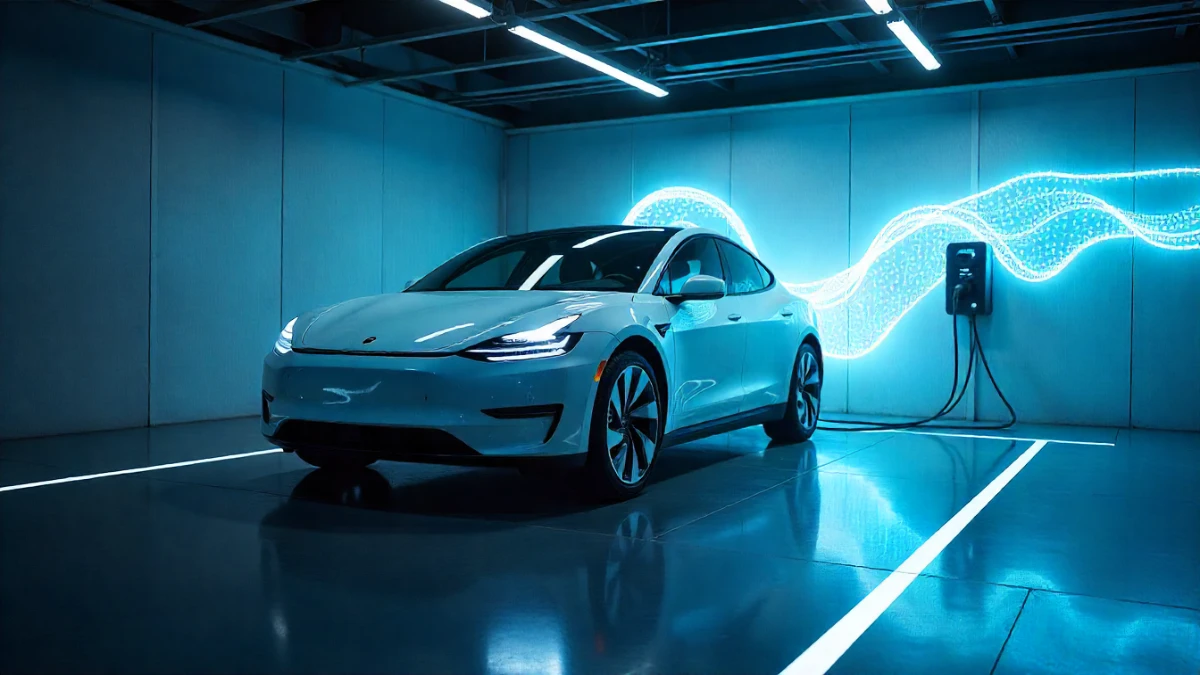
At its core, Vehicle-to-Grid technology allows electric vehicles to communicate with the power grid and send electricity back when needed. It’s a two-way street, not a one-way flow.
Traditionally, vehicles are energy consumers. You fill a gas tank or charge a battery, and the energy flows into the vehicle. V2G flips this model. With the right hardware, your EV can reverse the flow and send stored electricity back into the grid. Your car becomes a battery on wheels.
To visualize it, think of your smartphone. Imagine if it could not only charge from a wall outlet but also power your laptop or even support your home in an outage. That’s the same concept—scaled up.
How Does V2G Actually Work?
1. A Compatible EV
Not all EVs support bidirectional charging. Models like the Nissan Leaf, Ford F-150 Lightning, and newer Hyundai and Kia EVs include the necessary hardware.
2. A Bidirectional Charger
A typical charger pushes energy into your vehicle. A bidirectional charger can send it both ways and communicate with the grid.
3. Smart Software
V2G systems monitor grid demand, electricity prices, battery levels, and your driving schedule. The system decides when to charge—usually when power is cheap—and when to discharge—typically during peak hours.
4. A Utility Program
Your utility must support V2G. Not every grid operator is ready to accept customer-generated electricity.
Once connected, your EV charges during low-demand hours and discharges when the grid needs help. You earn money for every kilowatt-hour your car supplies.
Why Should You Care About V2G?
You Can Make Money While Your Car Is Parked
Estimates suggest V2G participants could earn $500 to $2,000 per year, depending on location and usage. Since cars sit parked 95% of the time, that unused battery capacity becomes a revenue source.
You Support a More Stable and Cleaner Grid
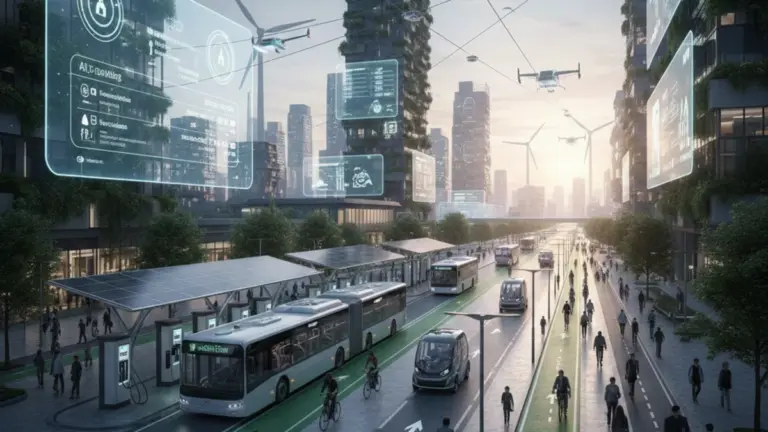
Grids must balance supply and demand every second. As renewable energy grows, this becomes harder. V2G provides flexible storage, soaking up excess solar or wind power and releasing it later.
You Gain Backup Power for Your Home
Many V2G-capable systems also support Vehicle-to-Home (V2H). During outages, your EV can keep essential appliances running for days.
You Reduce the Need for Expensive Power Plants
Peaker plants run only during high demand and often rely on fossil fuels. V2G can reduce their use, cutting emissions and lowering grid costs.
The Real-World Picture: V2G in Action
V2G in the UK
Hundreds of Nissan Leaf owners are participating in V2G trials. Many earn £10–15 per week—up to £780 per year.
V2G in Denmark
Copenhagen uses electric buses that charge off-peak and discharge during peak times. This stabilizes the grid and reduces fossil fuel reliance.
V2G in California
California utilities are launching V2G programs to support the grid during heat waves. The state sees V2G as a vital clean-energy tool.
Vehicle-to-Home Success Stories
Ford F-150 Lightning owners have already powered their homes during outages and high-demand periods.
The Challenges: What’s Holding V2G Back?
Battery Degradation Concerns
Many drivers worry that V2G will wear out batteries faster. Research shows the impact is minimal, especially with shallow cycles. Some studies even suggest improved longevity when charge levels remain moderate.
Infrastructure and Cost
Bidirectional chargers are still expensive. Standardization also lags, with different automakers using different technologies.
Regulatory Hurdles
Most grids were designed for one-way energy flow. Utilities must update systems, rules, and compensation structures before widespread adoption becomes possible.
Limited Vehicle Compatibility
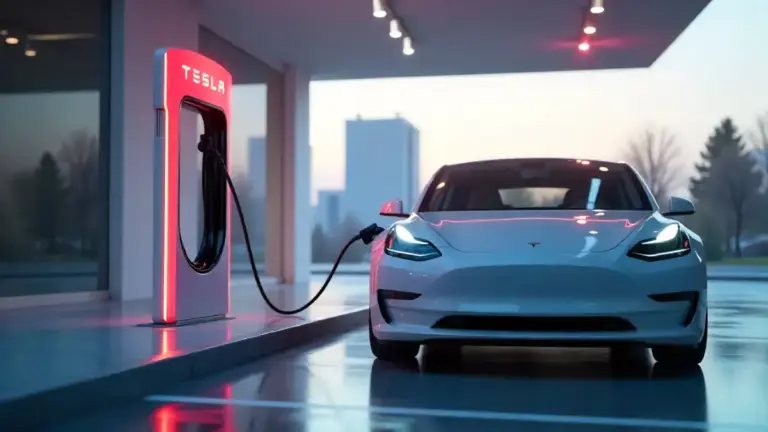
Only a handful of EVs currently support bidirectional charging. Tesla models, for example, do not—at least for now.
What Does the Future Hold for V2G?
Cheaper Hardware
Bidirectional chargers will become more affordable. Prices could drop by half within a few years.
More V2G-Ready Vehicles
Automakers are rapidly adding bidirectional capability. Within a decade, it may be standard on all EVs.
Government Support
States and countries are offering incentives and updating regulations to support V2G adoption.
A Renewable-Driven Grid
As solar and wind capacity rises, the need for flexible storage increases. V2G provides that storage without new large-scale investments.
In the future, smart home systems will optimize your EV’s charge level, electricity rate timing, and grid contributions—all automatically.
Should You Wait for V2G Before Buying an EV?
Probably not. The benefits of EV ownership already make the switch worthwhile. But if you’re choosing between models, consider selecting one with V2G or V2H capability for future-proofing.
Even without V2G programs in your area, V2H alone provides valuable backup power.
The Bottom Line: Your Car as a Power Station
Vehicle-to-Grid technology transforms your EV into an active participant in the energy system. It can stabilize the grid, support renewable power, lower emissions, and even generate income.
V2G is not perfect yet, but its future is bright. It offers benefits for EV owners, utilities, and society as a whole.
If you’re ready to step into the future, start by researching V2G programs in your region and considering V2G-ready models for your next EV.