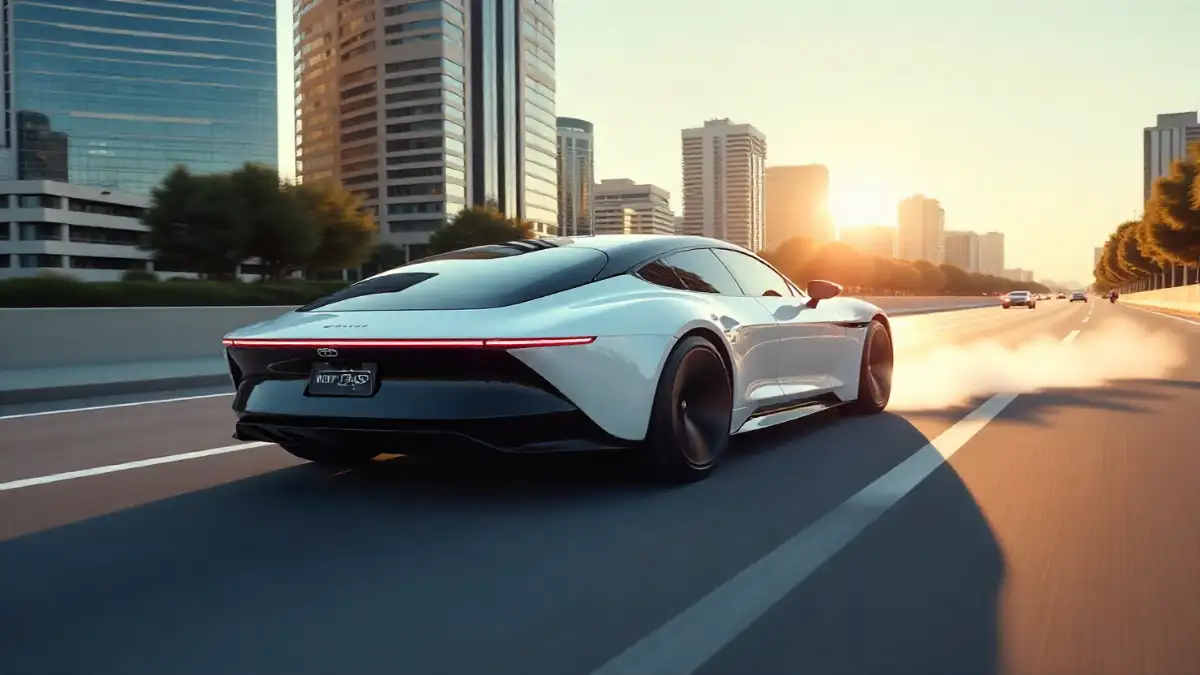
Fuel Cell Electric Vehicles (FCEVs) let you fill up with hydrogen gas, drive 400 miles on a single tank, and emit only water vapor. Sound like science fiction? You can actually buy this technology today – if you live in California and have about $60,000 to spend on a Toyota Mirai or Honda Clarity Fuel Cell.
Fuel Cell Electric Vehicles represent one of the most intriguing paths toward zero-emission transportation, yet they remain largely invisible to most American drivers. While battery electric vehicles grab headlines and plug-in hybrids fill driveways, FCEVs quietly operate in a parallel universe of hydrogen refueling and electrochemical magic.
But here’s the fascinating part: FCEVs might actually solve some of the biggest challenges facing electric vehicle adoption – long charging times, limited range, and heavy batteries. The question isn’t whether the technology works (it absolutely does), but whether our infrastructure and economics can catch up to support it.
Let me walk you through this compelling technology and help you understand why some experts believe hydrogen fuel cells could reshape transportation, while others remain skeptical about their mainstream potential.
The Hydrogen Fuel Cell: Chemistry Becomes Motion
To understand FCEVs, we need to start with the fuel cell itself – a device that’s essentially a chemical factory the size of a briefcase, sitting under the hood of your car. Think of it as the opposite of the electrolysis experiment you might remember from high school chemistry class.
Instead of using electricity to split water into hydrogen and oxygen, a fuel cell combines hydrogen and oxygen to create electricity and water. The beauty of this process is its elegance: hydrogen gas flows into one side of the fuel cell, oxygen from the air flows into the other side, and through an electrochemical reaction involving a special membrane, electricity flows out to power an electric motor.
The Toyota Mirai showcases this technology beautifully. Its fuel cell stack contains hundreds of individual fuel cells, each about as thick as a piece of paper, working together to generate enough electricity to power the car’s 182-horsepower electric motor. The entire process is silent, efficient, and produces zero harmful emissions – just electricity, heat, and pure water.
What makes this particularly impressive is the efficiency. A fuel cell can convert hydrogen into electricity at about 60% efficiency, compared to about 25% efficiency for a gasoline engine converting fuel into motion. The Honda Clarity Fuel Cell demonstrates this efficiency advantage with its EPA rating of 68 MPGe (miles per gallon equivalent) – impressive performance for a midsize sedan.
The fuel cell doesn’t work alone, though. FCEVs also have a small battery that stores electricity from the fuel cell and captures energy from regenerative braking, similar to a hybrid vehicle. This battery smooths out power delivery and provides extra boost during acceleration, creating a driving experience that feels remarkably similar to a battery electric vehicle.
Zero-Emission Operation: Clean as It Gets
When we talk about zero-emission vehicles, FCEVs take the concept quite literally. The only byproduct of the fuel cell process is water vapor – so pure that some FCEV owners have collected it and used it to water their plants. On a cold morning, you might see a small puff of steam from the tailpipe, but that’s just water vapor condensing in the cool air.
This zero-emission operation extends to the entire driving experience. Unlike gasoline vehicles that produce more emissions when working harder, FCEVs maintain their clean operation whether you’re idling in traffic or accelerating onto the highway. The Hyundai Nexo, for example, actually purifies the air as it drives, with its air filtration system removing fine particles from the atmosphere – it’s like having a mobile air purifier.
But here’s where the environmental story gets more complex, and it’s important to be honest about the full picture. While the vehicle itself produces zero emissions, the hydrogen fuel might not be completely clean, depending on how it’s produced. Currently, most commercial hydrogen comes from natural gas through a process called steam reforming, which does produce some carbon emissions.
However, hydrogen can also be produced through electrolysis using renewable electricity – wind, solar, or hydroelectric power. This “green hydrogen” represents the holy grail of clean transportation fuel. California, where most FCEVs operate, requires that at least 33% of hydrogen fuel come from renewable sources, with that percentage increasing over time.
The environmental advantage becomes even more compelling when you consider the vehicle’s entire lifecycle. FCEVs don’t require the large lithium-ion battery packs that battery electric vehicles need, avoiding the environmental costs associated with mining lithium, cobalt, and other battery materials. Maria, an environmental scientist who drives a Mirai in Los Angeles, chose her FCEV specifically because she wanted zero local emissions without the resource extraction concerns of large battery packs.
The Infrastructure Challenge: Chicken, Meet Egg
Here’s where the FCEV story gets complicated, and frankly, a bit frustrating for potential buyers. Hydrogen refueling infrastructure remains painfully limited, creating a classic chicken-and-egg problem that has persisted for over a decade.
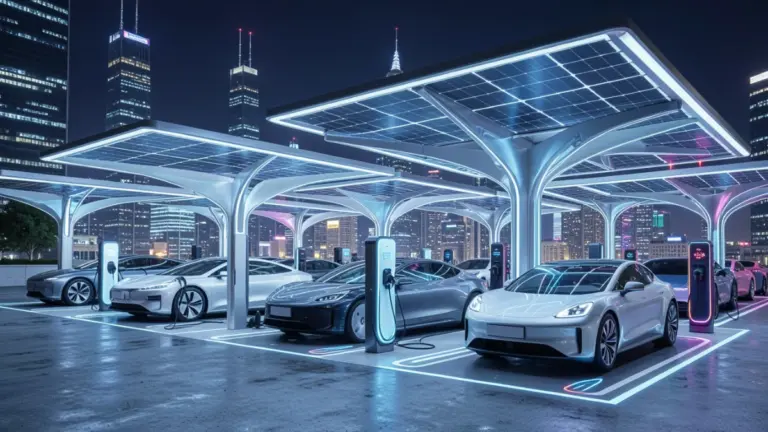
As of 2025, there are fewer than 60 public hydrogen refueling stations in the entire United States, with most concentrated in California. Compare this to over 60,000 public electric vehicle charging locations, and you begin to understand the challenge. If you don’t live near one of these stations, owning an FCEV simply isn’t practical.
The refueling experience itself, when available, is actually quite appealing. Filling an FCEV takes about 3-5 minutes – similar to gasoline refueling and much faster than charging a battery electric vehicle. The Toyota Mirai holds about 11 pounds of hydrogen, which provides roughly 400 miles of range. That’s genuinely impressive range with quick refueling, addressing two of the main concerns people have about battery electric vehicles.
But the infrastructure buildout faces significant economic challenges. A single hydrogen refueling station costs between $1-2 million to build, compared to about $50,000 for a DC fast charging station for battery EVs. The stations also require specialized equipment, regular maintenance, and trained technicians – all adding to the operational complexity.
California has been the most aggressive in building hydrogen infrastructure, with state incentives supporting station construction and operation. The California Fuel Cell Partnership has ambitious plans to expand the network, but progress has been slower than originally projected. Other states have shown limited interest, creating a geographic constraint that effectively limits FCEV ownership to specific regions.
The hydrogen supply chain adds another layer of complexity. Unlike electricity, which uses existing grid infrastructure, hydrogen requires specialized production, storage, and transportation systems. Currently, most hydrogen is delivered to stations by truck, though some stations produce hydrogen on-site using electrolysis.
Range and Performance: The FCEV Advantage
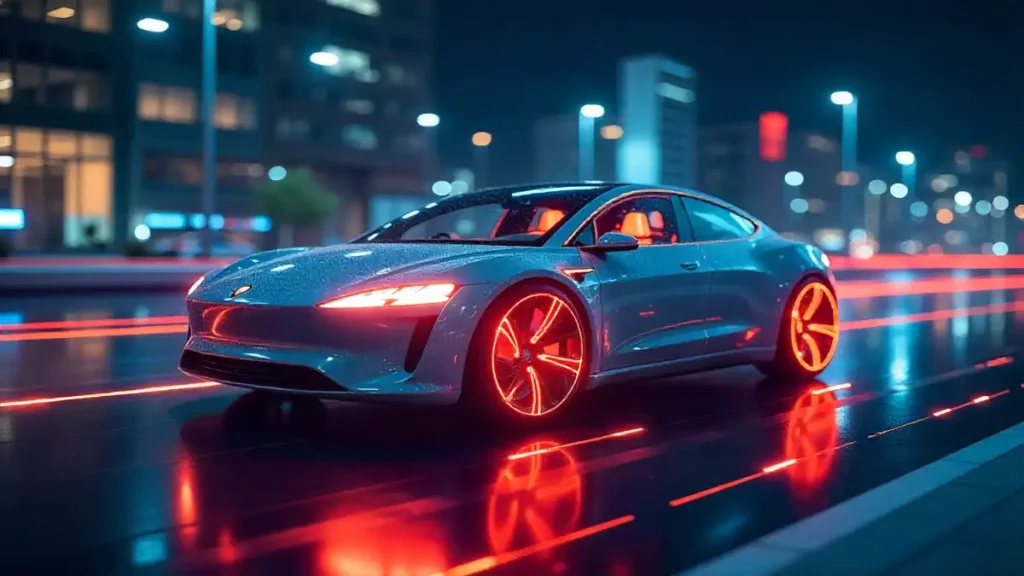
Despite infrastructure challenges, FCEVs offer compelling performance characteristics that address many concerns about electric vehicle adoption. The range advantage is perhaps most significant – current FCEVs typically offer 300-400 miles of range, comparable to or better than many gasoline vehicles.
The Hyundai Nexo, for instance, provides an EPA-estimated 380 miles of range, while the Honda Clarity Fuel Cell offers 360 miles. This range comes without the weight penalty of large battery packs – FCEVs are typically lighter than comparable battery electric vehicles, which contributes to their efficiency and driving dynamics.
Refueling time remains one of FCEVs’ strongest selling points. In our increasingly time-conscious society, the ability to refuel in minutes rather than hours has genuine appeal. David, a sales representative who drives throughout Southern California, switched from a battery electric vehicle to a Mirai specifically because he couldn’t afford the downtime of lengthy charging sessions during his workday.
Cold weather performance is another area where FCEVs excel. While battery electric vehicles can lose 20-40% of their range in freezing temperatures, fuel cells actually operate more efficiently in cold weather. The chemical reaction in the fuel cell generates heat, which helps warm the cabin without drawing power from the system – unlike battery EVs that must use precious electricity for heating.
The driving experience itself is remarkably similar to battery electric vehicles – quiet operation, instant torque from the electric motor, and smooth acceleration. The Toyota Mirai offers a refined, comfortable ride that feels more like a luxury sedan than an experimental vehicle. Most FCEV drivers report that the technology becomes transparent after a short adjustment period.
However, it’s important to acknowledge some limitations. Hydrogen is less energy-dense than gasoline, requiring larger, more complex fuel tanks. These tanks must withstand extremely high pressures (around 10,000 PSI) and undergo regular inspections. While safety systems are robust, some drivers initially feel uncomfortable with high-pressure hydrogen storage.
Economic Reality: The Cost Question
Let’s address the financial elephant in the room: FCEVs are currently expensive, both to purchase and to fuel. The Toyota Mirai starts around $50,000, while the Hyundai Nexo approaches $60,000. These prices reflect the complex technology and limited production volumes, though manufacturers often offer substantial lease deals to make the technology more accessible.
Hydrogen fuel costs present another challenge. Current retail hydrogen prices in California range from $12-16 per kilogram, with each kilogram providing roughly the same energy as a gallon of gasoline. This means fuel costs are comparable to or higher than gasoline, negating one of the traditional advantages of alternative fuel vehicles.
However, the economic picture includes some important nuances. Most FCEV buyers or lessees receive substantial hydrogen fuel credits – Toyota provides $15,000 worth of complimentary fuel with Mirai purchases, while Honda offers similar incentives. These credits essentially provide free fuel for 2-3 years, significantly improving the ownership economics.
Maintenance costs appear favorable based on early data. Fuel cells have fewer moving parts than gasoline engines, and the electric drivetrain requires less maintenance than conventional powertrains. However, the long-term maintenance costs remain somewhat unknown due to the technology’s limited deployment.
Federal and state incentives help offset the purchase price premium. FCEVs qualify for federal tax credits up to $8,000, and California offers additional rebates up to $5,000. Some regions provide additional perks like HOV lane access and reduced registration fees.
The Path Forward: Promise and Challenges
The future of FCEVs remains genuinely uncertain, which makes them both fascinating and frustrating for potential adopters. On one hand, the technology offers compelling solutions to real problems with current electric vehicle adoption – long range, quick refueling, and excellent cold weather performance.
Major automakers continue investing in fuel cell technology, though their approaches vary significantly. Toyota remains the most committed, viewing hydrogen as essential for achieving carbon neutrality. Honda recently announced they’re stepping back from passenger FCEVs to focus on commercial applications. Hyundai continues developing both passenger and commercial fuel cell vehicles.
The commercial vehicle sector might provide the breakthrough FCEVs need. Long-haul trucking, buses, and industrial equipment could benefit enormously from hydrogen’s range and refueling advantages. Success in commercial applications could drive infrastructure development and cost reductions that eventually benefit passenger vehicles.
Government policy will likely determine FCEVs’ ultimate fate. California continues supporting hydrogen infrastructure development, while other states show varying levels of interest. Federal infrastructure legislation includes some support for hydrogen, but significantly less than for battery electric vehicle charging.
The competition from battery electric vehicles intensifies each year. Improving battery technology, expanding charging infrastructure, and falling battery costs create a moving target that FCEVs must chase. Tesla’s success has demonstrated that consumers will adapt to charging if the overall package is compelling enough.
Making the FCEV Decision: Is Hydrogen Right for You?
If you’re considering an FCEV, your location basically makes the decision for you. Without convenient access to hydrogen refueling, ownership simply isn’t practical. Even in California, you need to carefully map your driving patterns against station locations.
For those who do have access, FCEVs offer a unique combination of zero-emission driving with gasoline-like convenience. If you frequently drive long distances, value quick refueling, or live in a cold climate, the technology’s advantages might outweigh its limitations.
Consider your risk tolerance too. Early adopters of any technology face uncertainties about long-term support, resale values, and infrastructure development. FCEV buyers are essentially betting that hydrogen infrastructure will expand and costs will decline – a bet that might pay off handsomely or leave you stranded with obsolete technology.
The lease option deserves serious consideration for FCEV interested buyers. Leasing protects you from resale value risks while allowing you to experience the technology with lower monthly payments and included fuel credits. Many current FCEV drivers view leasing as a way to support the technology’s development while minimizing personal financial risk.
The Hydrogen Question: Revolution or Dead End?
Fuel Cell Electric Vehicles represent automotive engineering at its most ambitious – turning the most abundant element in the universe into clean, efficient transportation. The technology works beautifully, the driving experience is compelling, and the environmental benefits are genuine.
Yet FCEVs remain trapped in an infrastructure and economics puzzle that has persisted for over a decade. Every year brings promises of breakthrough cost reductions and infrastructure expansion, but progress remains frustratingly slow. Meanwhile, battery electric vehicles continue improving while building massive infrastructure and market advantages.
The truth is, we don’t yet know whether FCEVs represent the future of clean transportation or an fascinating technological dead end. What we do know is that the technology offers unique advantages that could prove crucial for specific applications and use cases, even if mainstream adoption remains elusive.
For the automotive industry, FCEVs provide valuable diversification in the race toward zero-emission transportation. For adventurous consumers in California, they offer an opportunity to experience tomorrow’s technology today. For the rest of us, they serve as a reminder that the future of transportation might unfold in ways we haven’t yet imagined.
The hydrogen revolution might still be coming – it’s just taking longer than anyone expected.