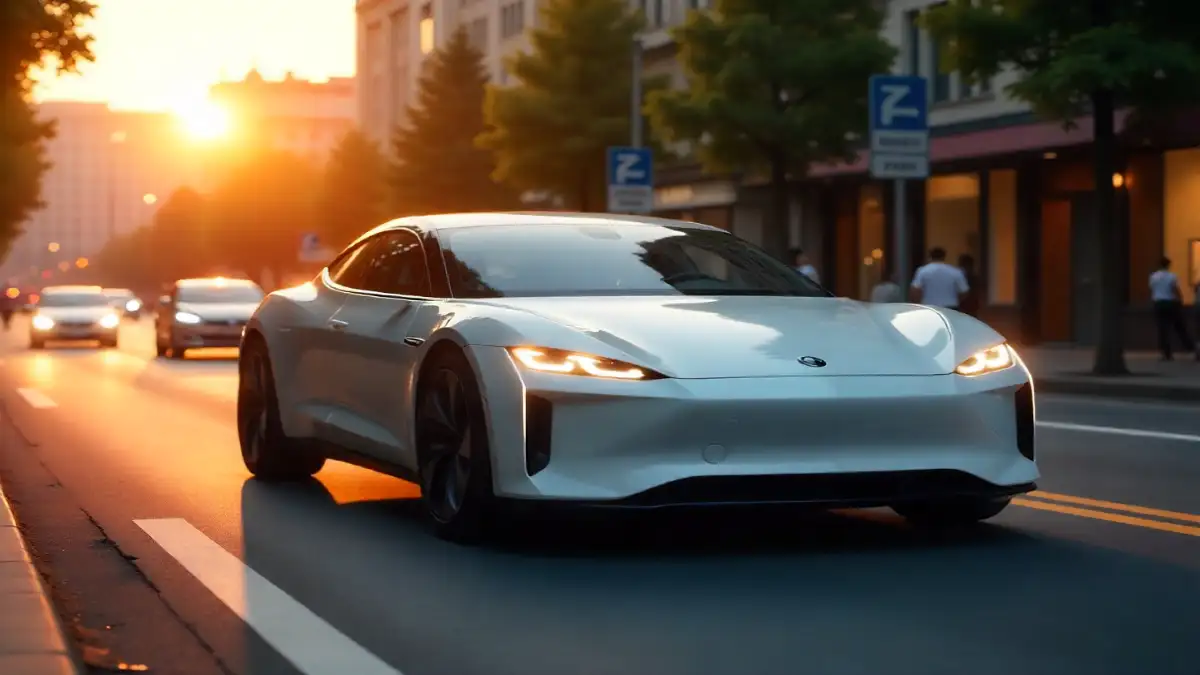
Remember when the Toyota Prius first hit the roads back in the late ’90s? People either loved its futuristic styling or scratched their heads wondering how a car could run on both gasoline and electricity without ever needing to be plugged in. Fast forward to today, and hybrid technology has become so refined and widespread that you might be driving next to several hybrids during your morning commute without even realizing it.
If you’ve been curious about how these seemingly magical vehicles actually work, or wondering whether a hybrid might make sense for your next car purchase, you’re in the right place. Hybrid Electric Vehicles, or HEVs as the industry calls them, represent one of the most successful automotive innovations of the past two decades – and for good reason.
Let me take you under the hood (literally and figuratively) to explore how these clever machines seamlessly blend old and new technology to deliver impressive fuel efficiency without asking you to change how you drive or where you fuel up.
The Hybrid Magic: Two Power Sources, One Smooth Experience
At its heart, a hybrid electric vehicle is like having two different engines working as a perfectly coordinated team. You’ve got your traditional internal combustion engine – let’s call it the veteran player – paired with an electric motor that acts like the smart, efficient rookie who knows exactly when to jump in and help.
Here’s where it gets fascinating: unlike the plug-in hybrids we discussed earlier, traditional HEVs generate all their electricity internally. The gasoline engine, regenerative braking, and the clever interplay between the two power sources keep that battery charged without you ever reaching for a charging cable.
The Toyota Camry Hybrid is a perfect example of this seamless integration. During city driving, when you’re accelerating from a stoplight, both the gasoline engine and electric motor might work together to get you moving efficiently. But when you’re cruising at steady highway speeds, the gas engine handles most of the work while the electric motor stands ready to assist when needed.
What makes this particularly impressive is the brain of the operation – a sophisticated computer system that makes split-second decisions about which power source to use, when to capture energy, and how to optimize everything for maximum efficiency. It’s constantly monitoring your driving style, road conditions, battery charge level, and dozens of other factors to deliver the best possible fuel economy without you having to think about any of it.
Electric Motor Assistance: Your Silent Partner
The electric motor in a hybrid isn’t just along for the ride – it’s actively making your driving experience better in ways you might not even notice. Think of it as your car’s secret weapon against inefficiency.
During acceleration, when gasoline engines typically consume the most fuel, the electric motor steps in to provide instant torque. This is why many hybrid drivers are pleasantly surprised by how responsive their cars feel, especially in stop-and-go traffic. The Honda Accord Hybrid, for instance, delivers that satisfying push of acceleration from stoplights that comes from electric motors providing maximum torque from zero RPM.
But the electric motor’s job goes beyond just helping with acceleration. In many hybrids, it can actually power the vehicle entirely at low speeds – think parking lots, drive-throughs, or slow neighborhood streets. This electric-only operation is whisper quiet and produces zero local emissions, which is why you might notice hybrids moving almost silently in these situations.
The Lexus ES 300h showcases this beautifully. When you’re backing out of your driveway early in the morning, the car glides silently on electric power, keeping you on good terms with your neighbors. Once you reach about 25-30 mph or need more power, the gasoline engine seamlessly joins the party.
Here’s something that might surprise you: the electric motor also acts as a generator. When the gasoline engine is running efficiently (like during highway cruising), it can produce more power than needed to move the car. That excess energy gets converted into electricity to charge the battery, ensuring the hybrid system always has power available for the next assist cycle.
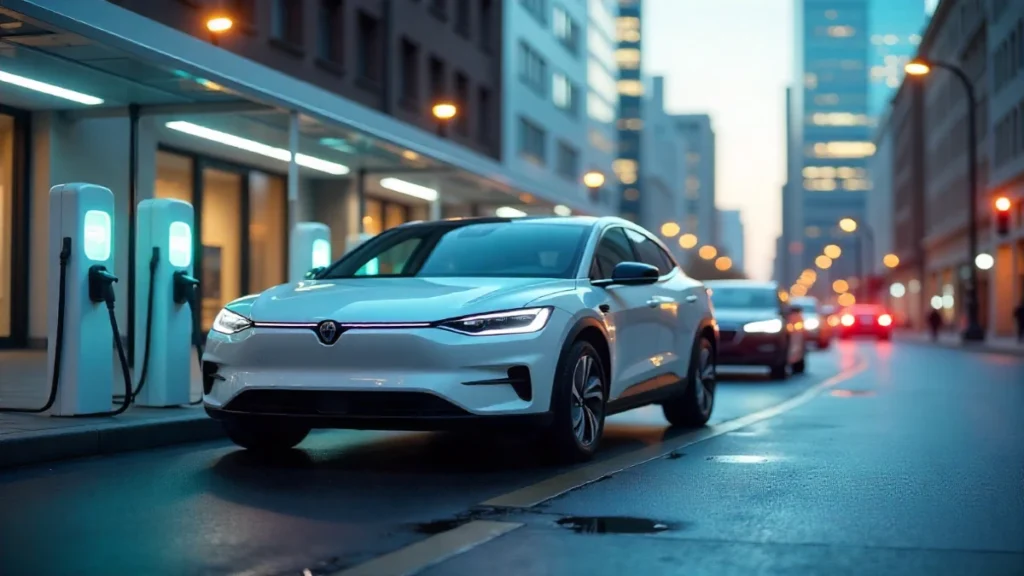
Regenerative Braking: Turning Waste into Wealth
Now let’s talk about one of the most ingenious aspects of hybrid technology – regenerative braking. Every time you press the brake pedal in a conventional car, you’re essentially converting your car’s forward motion into heat through friction. That energy just disappears into the atmosphere, never to be seen again.
Hybrids flip this waste into an opportunity. When you lift your foot off the accelerator or apply the brakes, the electric motor reverses its role and becomes a generator. The car’s momentum spins the motor, which creates electricity that flows back to charge the battery. It’s like having a tiny power plant that gets stronger every time you slow down.
The Toyota Highlander Hybrid demonstrates this perfectly during city driving. In stop-and-go traffic, where conventional vehicles are at their least efficient, the Highlander is constantly capturing energy that would otherwise be wasted. Every deceleration, every gentle braking situation, every time you coast down a hill – it’s all contributing to keeping that battery charged and ready.
What’s really clever is how modern hybrids blend regenerative braking with traditional friction brakes. You don’t feel a difference when you press the brake pedal – the computer seamlessly coordinates between regenerative braking and the regular brake pads to give you exactly the stopping power you expect. The Nissan Altima Hybrid, for example, uses this blended braking so smoothly that most drivers never realize the complex choreography happening beneath their feet.
Some hybrids even let you adjust the regenerative braking strength. In the Toyota Prius, you can increase the regenerative braking effect, which means the car slows down more aggressively when you lift off the accelerator – some drivers love this “one-pedal” feeling because it maximizes energy recovery and reduces wear on the brake pads.
Fuel Efficiency: The Numbers That Matter
Let’s talk about the bottom line – your fuel bills. The efficiency gains from hybrid technology aren’t just marketing fluff; they’re real savings that add up every time you drive.
Consider the Honda CR-V Hybrid versus its conventional counterpart. The regular CR-V gets about 28 mpg in the city, while the hybrid version delivers around 40 mpg in the same conditions. That’s not a small difference – we’re talking about a 40% improvement in fuel economy. For someone driving 12,000 miles annually in mostly city conditions, that could translate to saving 150+ gallons of gasoline per year.
The efficiency advantage becomes even more pronounced in city driving, where hybrids truly shine. The Ford Fusion Hybrid, for example, actually gets better fuel economy in city driving (43 mpg) than on the highway (41 mpg). This flips the traditional efficiency equation on its head because the hybrid system is constantly capturing energy during urban stop-and-go situations.
But here’s something important to understand: your actual fuel economy will depend significantly on your driving habits and conditions. Linda, a real estate agent from Akron, told me her Camry Hybrid consistently delivers over 50 mpg during her city-heavy daily routine of showing houses. Meanwhile, her neighbor who does mostly highway commuting sees closer to 45 mpg – still excellent, but different from Linda’s experience.
Temperature affects hybrid efficiency too. Cold weather can reduce battery performance and require more engine warm-up time, potentially dropping your fuel economy by 10-20% during winter months. Conversely, moderate temperatures often allow hybrids to achieve their best efficiency numbers.
Real-World Benefits Beyond the Gas Pump
While fuel savings grab most of the headlines, hybrids offer several other practical advantages that might surprise you. Let’s start with maintenance – hybrid vehicles often require less frequent maintenance than their conventional counterparts.
The gasoline engine in a hybrid doesn’t work as hard as in a regular car. It’s not constantly running, it operates in more efficient power bands, and it experiences less wear and tear. Many hybrid owners report longer intervals between oil changes, though you should always follow your manufacturer’s recommendations.
Brake maintenance is another area where hybrids shine. Because regenerative braking handles much of the routine slowing down, your brake pads last significantly longer. Tom, who drives a Prius for his delivery business, mentioned that he’s gone 80,000 miles on his original brake pads – something that would be nearly impossible with a conventional vehicle in stop-and-go delivery work.
The environmental benefits extend beyond just fuel efficiency. Hybrids produce fewer emissions per mile traveled, contributing to cleaner air in urban areas. While they’re not zero-emission like pure electric vehicles, they represent a meaningful step toward reducing transportation’s environmental impact.
There’s also the refinement factor. Many hybrid owners appreciate how quietly their cars operate, especially in residential areas. The seamless transitions between electric and gas power create a smooth, refined driving experience that many find more pleasant than the constant rumble of a traditional engine.
Choosing Your Hybrid: What to Consider
If you’re thinking about joining the hybrid family, consider your driving patterns first. Hybrids deliver their best efficiency gains in city driving, where frequent stops and starts allow the regenerative braking system to shine. If you’re primarily a highway cruiser, you’ll still see efficiency benefits, but they won’t be as dramatic.
Your budget considerations should include both the upfront cost and long-term savings. While hybrids typically cost more initially than their conventional counterparts – usually $2,000 to $4,000 more – many buyers find the fuel savings offset this premium over 3-5 years of ownership. Some states and utilities still offer rebates for hybrid purchases, which can help bridge the gap.
Think about reliability and warranty coverage too. Hybrid technology has matured significantly, and most manufacturers offer extended warranties on hybrid components. Toyota, for instance, covers hybrid components for 8 years or 100,000 miles, demonstrating their confidence in the technology’s durability.
Consider the model variety available today. You’re no longer limited to compact cars like the original Prius. Want a hybrid SUV? The Toyota RAV4 Hybrid and Honda CR-V Hybrid offer excellent efficiency in a practical package. Need luxury features? The Lexus lineup includes hybrid versions across multiple vehicle classes. Even trucks are getting into the hybrid game, with the Ford F-150 PowerBoost offering hybrid capability in America’s best-selling pickup.
The Hybrid Advantage: Your Path Forward
Hybrid Electric Vehicles represent automotive engineering at its most practical. They take the best aspects of gasoline engines – unlimited range, quick refueling, familiar infrastructure – and pair them with electric motor efficiency and regenerative energy capture to create vehicles that simply make sense for a wide range of drivers.
The technology has moved far beyond the early days of compromised performance and unusual driving experiences. Today’s hybrids drive like conventional cars while delivering substantially better fuel economy and reduced environmental impact. You don’t need to learn new habits, install home charging equipment, or worry about range limitations.
As you consider your next vehicle purchase, remember that choosing a hybrid isn’t just about saving money at the gas pump – though that’s certainly a nice benefit. It’s about embracing a technology that’s proven, refined, and ready to make your daily driving more efficient without asking you to sacrifice the convenience and flexibility you expect from your vehicle.
The automotive world is evolving rapidly, but hybrid technology has already proven its worth on roads around the globe. Whether you choose a compact hybrid for efficient commuting, a hybrid SUV for family adventures, or a luxury hybrid for refined efficiency, you’re investing in a technology that delivers real-world benefits today while contributing to a more sustainable tomorrow.
The question isn’t whether hybrid technology works – millions of satisfied owners can attest to that. The question is whether you’re ready to experience the smooth, efficient, and surprisingly satisfying world of hybrid driving.