So you’re thinking about going electric, or maybe you’ve already taken the plunge? One of the first things people ask about are electric car charging costs. Unlike gas, where we know the price of a full tank, EV charging depends a lot on where and when you plug in. Let me break down home vs public charging so you see the real difference.
The Home Charging Advantage: Your Personal Gas Station
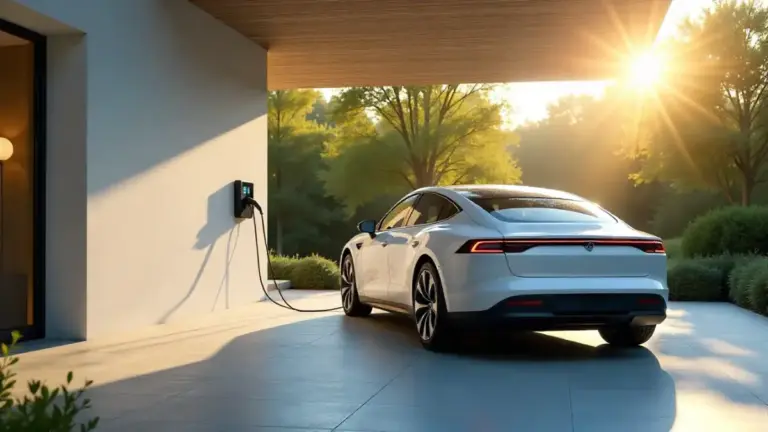
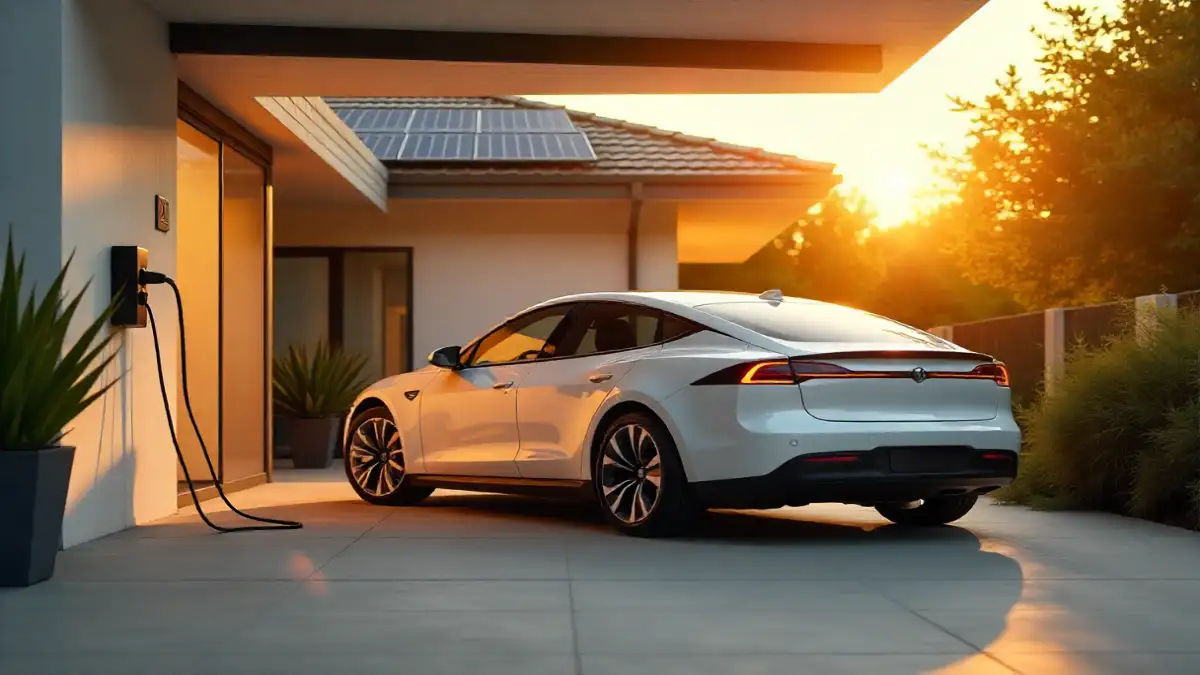
Charging at home is where most EV owners do the bulk of their charging—and for good reason. It’s convenient, it’s typically cheaper, and you wake up every morning with a “full tank.” But let’s talk actual numbers, because your costs will vary significantly based on where you live.
The national average electricity rate in the United States hovers around $0.14 per kilowatt-hour (kWh), though this varies wildly by state. If you’re in Louisiana, you might be paying as little as $0.09 per kWh. Living in Hawaii or California? You could be looking at $0.30 or more per kWh. This matters because most EVs consume between 3 to 4 miles per kWh on average.
Let’s use a popular model—say, a Tesla Model 3 with a 75 kWh battery. At the national average rate, filling up from empty would cost you about $10.50. Compare that to filling a gas tank in a comparable sedan (about 13 gallons at $3.50 per gallon), and you’re looking at $45.50. That’s a significant difference for the same range of roughly 300 miles.
But here’s where it gets even better: many utility companies offer time-of-use rates that slash nighttime electricity costs. In some areas, overnight rates drop to $0.07 per kWh or less. If you’re smart about charging overnight, that same 75 kWh fill-up could cost you just $5.25. Now we’re talking about serious savings.
The upfront investment? A Level 2 home charger typically costs between $500 and $1,200 installed, depending on your home’s electrical setup. It charges your EV 4-6 times faster than a regular wall outlet, typically adding 25-30 miles of range per hour. For most people, this pays for itself within the first year or two just from the convenience and cost savings alone.
Public Charging: The Road Trip Reality
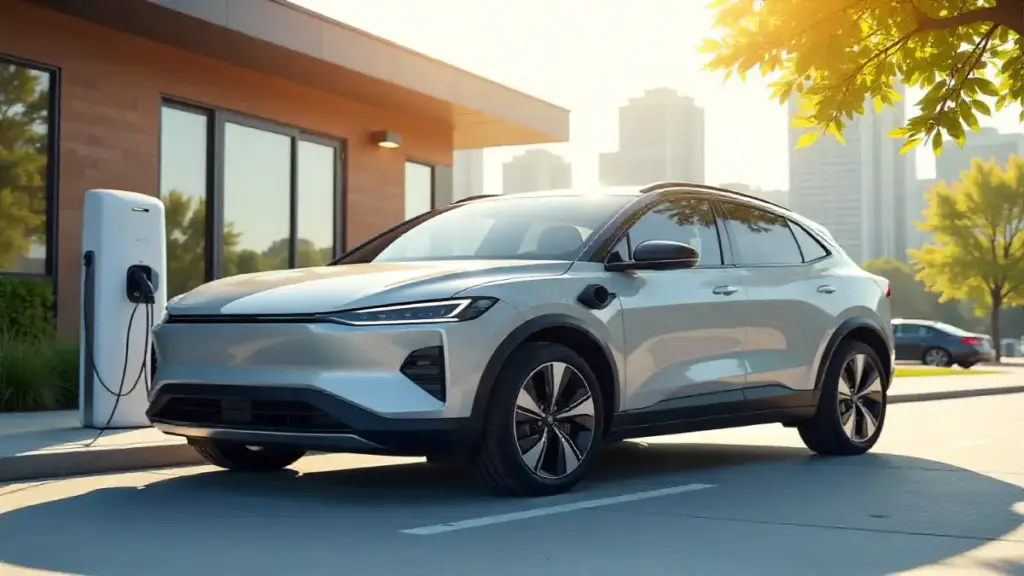
Now, let’s talk about public charging—because eventually, you’ll need to venture beyond your home charger’s reach. Public charging comes in different flavors, and the costs vary dramatically.
Level 2 Public Chargers (the ones you find at shopping centers, parking garages, and workplaces) typically charge between $1 to $5 per hour, or sometimes a flat rate per kWh ranging from $0.20 to $0.50. These are similar in speed to your home Level 2 charger, so they’re great for topping up while you run errands. Some retailers and workplaces still offer free Level 2 charging as an incentive—definitely worth seeking out if you’re in the area.
DC Fast Charging is where things get pricey but necessary for road trips. These high-powered stations can add 150-200 miles of range in 20-30 minutes. The convenience is undeniable, but you’ll pay for it. Fast charging rates typically range from $0.40 to $0.60 per kWh, and some networks charge by the minute—anywhere from $0.25 to $0.50 per minute depending on your charging speed.
Let’s do the math: charging 75 kWh at a fast charging station at $0.50 per kWh would run you $37.50. That’s still cheaper than gas for the same range, but it’s 3-4 times more expensive than charging at home. Tesla Superchargers generally fall on the lower end of this range for Tesla owners, while third-party networks like Electrify America or EVgo can be more expensive, especially during peak hours.
Here’s something many new EV owners don’t realize: some fast charging networks have membership plans. For example, paying $4-$7 per month might reduce your per-kWh rate by $0.10-$0.15. If you’re a frequent road-tripper, this can add up to real savings.
The Hidden Costs and Savings You Should Know
There are factors beyond the price per kWh that affect your total charging costs. Charging efficiency, for instance—you don’t get 100% of the electricity into your battery. There’s typically a 10-15% loss during charging, more so with fast charging than slow Level 2 charging. So when you’re calculating costs, remember to factor this in.
Seasonal variations matter too. In cold weather, your EV uses more energy for heating, and battery efficiency drops. You might see your home charging costs increase by 20-30% in winter months. Similarly, hot weather means running the air conditioning, though this impact is usually less dramatic than winter heating.
Many EV owners also take advantage of workplace charging. If your employer offers free charging, that’s essentially free fuel—a significant perk that adds real value to your compensation package. Some companies are increasingly offering this benefit, and it’s worth asking about if you’re job hunting.
And don’t forget about demand charges in some areas. Commercial properties and certain rate structures include demand charges based on peak power usage. This usually doesn’t affect home charging, but it’s why some public chargers (especially DC fast chargers) have higher rates—they’re passing along these costs.
Real-World Scenarios: What You’ll Actually Spend
Let me paint you a realistic picture. The average American drives about 13,500 miles per year. In an efficient EV (let’s say 3.5 miles per kWh), that’s roughly 3,857 kWh annually.
Scenario 1: 90% Home Charging
If you do 90% of your charging at home at $0.14 per kWh and 10% via public fast charging at $0.50 per kWh:
- Home charging: 3,471 kWh × $0.14 = $486
- Public charging: 386 kWh × $0.50 = $193
- Total annual cost: $679
Compare this to a gas car getting 30 mpg at $3.50 per gallon: $1,575 per year. You’re saving nearly $900 annually.
Scenario 2: Apartment Dweller with 70% Public Charging
If you don’t have home charging and rely heavily on public options:
- Level 2 public: 2,700 kWh × $0.30 = $810
- Fast charging: 1,157 kWh × $0.50 = $579
- Total annual cost: $1,389
Still cheaper than gas, but you’re saving only about $186 per year. This is why home charging access is so valuable for EV ownership.
Making Smart Charging Decisions
The bottom line? Home charging is your best friend financially. If you have access to home charging and can take advantage of off-peak electricity rates, you’re looking at fuel costs that are 60-70% cheaper than gas—maybe even more. Public charging should be your backup plan for longer trips or emergency top-ups, not your daily routine.
Before buying an EV, honestly assess your charging situation. Do you have a garage or dedicated parking spot where you can install a charger? What are your local electricity rates, and does your utility offer time-of-use pricing? How often do you take long trips that would require fast charging?
If you’re an apartment dweller without reliable charging access, you’ll want to map out nearby charging options and calculate whether the economics still work for you. The EV landscape is rapidly improving, with more apartments adding charging infrastructure, but it’s worth doing the homework upfront.
The charging cost landscape is constantly evolving. New charging networks are emerging, competition is driving prices down in some areas, and more utilities are offering EV-friendly rate plans. The future looks even more affordable for EV drivers—but even today, for most people with home charging access, the savings are substantial and immediate.
Ready to start saving at the pump—or should I say, the plug? The numbers don’t lie: charging at home is the smart play, but even when you need to use public charging, you’re still likely coming out ahead compared to filling up with gasoline. That’s a win for your wallet and the planet.