You know that moment when you’re shopping for an electric car, and the salesperson confidently tells you it gets 300 miles of range? You feel excited, start planning road trips in your head, and then—once you actually own the car—you realize you’re getting closer to 250 miles on a good day. Sound familiar?
If you’ve ever felt slightly misled by those shiny range numbers on EV spec sheets, you’re not alone. The gap between advertised range and what you’ll actually see in the real world is one of the most common surprises for new EV owners. But here’s the thing: it’s not some conspiracy by manufacturers to trick you. There are legitimate reasons why your real-world range might differ from what’s on the sticker, and understanding these factors will help you set realistic expectations and actually enjoy your EV experience.
Let’s dive into what really affects your electric car’s range and what you should genuinely expect when you hit the road.
Why Advertised Range Isn’t the Whole Story
First, let’s talk about how those advertised numbers are calculated. In the United States, the EPA (Environmental Protection Agency) tests electric vehicles using standardized procedures in controlled conditions. They put cars through specific driving cycles on dynamometers—essentially treadmills for cars—in laboratory settings where temperature, humidity, and driving patterns are carefully controlled.
Think of it like those fuel economy stickers on gas cars. Have you ever actually achieved the exact MPG rating printed on the window? Probably not consistently. The same principle applies to EVs, except with electric cars, people seem to scrutinize the numbers even more closely because range anxiety is still a real concern.
The EPA tests are designed to simulate “typical” driving, but here’s the catch: your typical might be very different from someone else’s typical. The tests include a mix of city and highway driving, moderate acceleration, and climate-controlled cabin temperatures. They don’t account for your lead-foot highway merges, your daily mountain commute, or that polar vortex hitting your city in January.
Most manufacturers will advertise the EPA-estimated range, and to their credit, these numbers are generally more realistic than the European WLTP (Worldwide Harmonized Light Vehicle Test Procedure) figures, which tend to be even more optimistic. But even EPA estimates can feel generous once you’re in the driver’s seat.
The Real Culprits Behind Range Loss
Temperature: The Silent Range Killer
Let’s start with the big one: temperature. If there’s one factor that dramatically impacts your EV’s range, it’s the weather outside. Lithium-ion batteries—the technology powering virtually every electric car on the market—are sensitive to temperature extremes.
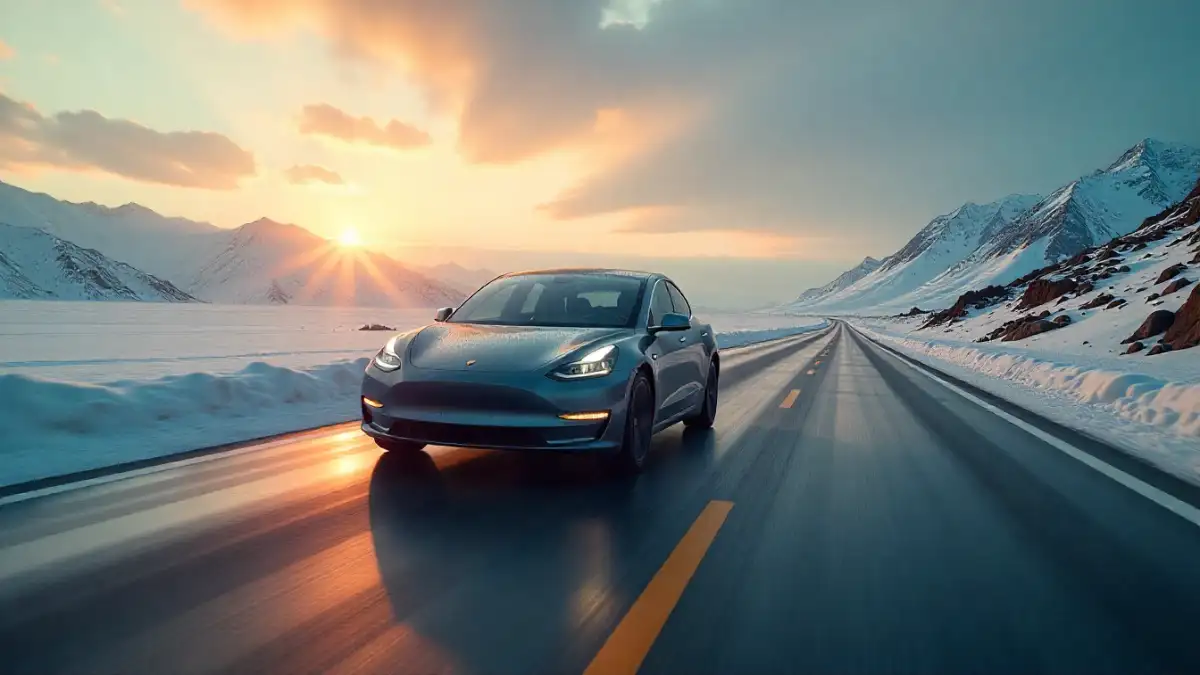
In cold weather, batteries become less efficient. The chemical reactions that produce electricity slow down, and the battery can’t deliver power as effectively. On top of that, you’re running the heater to keep yourself comfortable, which draws significant power from the same battery pack that’s supposed to be moving your car forward. Studies have shown that at 20°F (-7°C), EV range can drop by 40% or more compared to optimal conditions.
But hot weather isn’t innocent either. When temperatures soar above 90°F (32°C), you’re blasting the air conditioning, which also saps energy. Plus, extreme heat can cause the battery management system to work harder to keep the battery pack cool, consuming additional power. You might see a 15-20% range reduction on particularly scorching days.
The sweet spot? Temperatures between 60-80°F (15-27°C) are where EVs perform closest to their advertised range. If you live somewhere like San Diego, congratulations—your range will be more consistent. If you’re in Minnesota or Arizona, buckle up for some seasonal variations.
Your Driving Style Matters More Than You Think
Here’s an uncomfortable truth: you might be the reason your range is lower than expected. How you drive makes an enormous difference in how far your EV will go.
Aggressive acceleration, frequent high-speed driving, and constant braking all drain your battery faster. Remember, electric motors deliver instant torque, and it’s incredibly tempting to punch the accelerator and feel that exhilarating push into your seat. But every time you do, you’re watching your range estimate drop like a stone.
Highway driving is particularly tough on EV range. Unlike gas cars, which are often more efficient on highways, electric vehicles actually perform better in stop-and-go city traffic. Why? Because EVs use regenerative braking to recover energy when you slow down. On the highway, you’re maintaining constant high speeds, working against significant wind resistance, and rarely braking—meaning less energy recovery.
If you’re cruising at 80 mph on the interstate, you might see 30-40% less range than the EPA estimate, which assumes more moderate speeds. Drop to 65 mph, and suddenly your range improves dramatically. Physics doesn’t care about your road trip timeline.
The Little Things Add Up
Beyond the major factors, several smaller elements chip away at your range:
Cargo and passengers: Just like a gas car gets worse mileage when fully loaded, an EV’s range decreases with added weight. That roof cargo box for your ski trip? It’s creating aerodynamic drag and adding weight—a double whammy for range.
Tire pressure: Underinflated tires increase rolling resistance, making your motor work harder. Keep your tires properly inflated, and you’ll see noticeably better efficiency.
Terrain: Driving in hilly or mountainous areas requires more energy to climb elevations. While regenerative braking helps recover some energy on descents, you’ll still typically see reduced range compared to flat terrain.
Accessory use: Heated seats, sound systems, and especially those power-hungry heated steering wheels all draw from your battery. They use less energy than climate control, but they still have an impact.
What Should You Actually Expect?
So, with all these factors in play, what’s realistic? Here’s my honest assessment after years of following EV trends and talking to countless owners:
In ideal conditions (moderate weather, relaxed driving, flat terrain): Expect to achieve 90-100% of the EPA-estimated range. Some efficient drivers even exceed the estimates.
In typical, mixed conditions: Plan for 70-85% of the advertised range. This accounts for normal temperature variations, a mix of driving styles, and typical accessory use.
In worst-case scenarios (extreme cold or heat, aggressive highway driving): You might see as low as 50-60% of the advertised range, though this is usually temporary and situation-specific.
For example, if you’re looking at a Tesla Model 3 Long Range with an EPA rating of 358 miles, here’s what you might realistically see:
- Perfect conditions: 320-360 miles
- Normal daily driving: 250-305 miles
- Winter highway trip: 180-215 miles
The key is planning around the lower estimates, especially for road trips. If you need to drive 200 miles, don’t buy an EV with a 220-mile EPA rating and hope for the best. Give yourself a healthy buffer.
How to Maximize Your Real-World Range
Want to close the gap between advertised and actual range? Here are practical strategies that actually work:
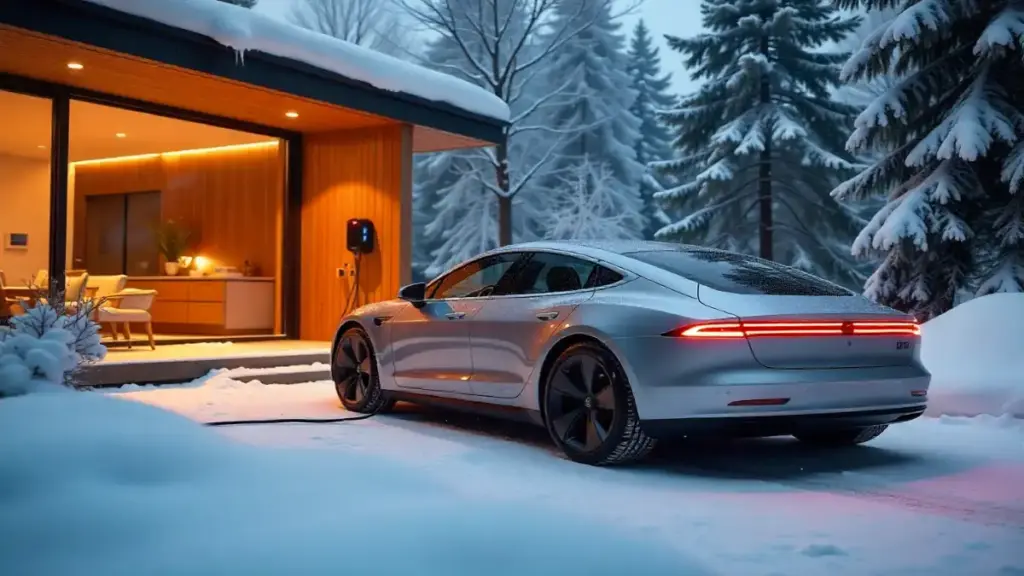
Precondition your car: If your EV allows it, warm up or cool down the cabin while the car is still plugged in. This uses grid electricity instead of battery power and means your battery’s energy can focus solely on driving.
Use eco or range modes: Most EVs have efficiency modes that limit acceleration and optimize climate control. Yes, they make your car feel a bit slower, but they can extend range by 10-15%.
Master regenerative braking: Learn to drive using one-pedal mode if your car offers it. Anticipate stops and let regenerative braking slow you down instead of using the friction brakes. This can recapture significant energy throughout your drive.
Drive like your grandmother is in the car: Smooth acceleration, moderate speeds, and gentle braking all contribute to better efficiency. Pretend you’ve got a cup of coffee on the dashboard that you don’t want to spill.
Plan your routes smartly: Use your car’s navigation system or EV-specific apps like A Better Routeplanner. These tools account for elevation changes, weather, and charging station locations to give you accurate range predictions.
The Bottom Line: Knowledge Is Power
Look, I get it—discovering that your EV doesn’t quite live up to its advertised range can feel disappointing at first. But here’s what I’ve learned from talking to long-term EV owners: once you understand what to expect and adjust your habits accordingly, range becomes much less of an issue than you’d think.
Most people don’t drive anywhere near their car’s maximum range on a daily basis anyway. The average American drives about 40 miles per day, which means even with reduced range, most EVs can handle several days between charges for typical use. Range anxiety tends to be more psychological than practical.
The real takeaway? When shopping for an electric car, mentally subtract 20-30% from the advertised range to get a realistic daily figure. If that number still meets your needs with room to spare, you’re golden. And remember, as battery technology continues improving and charging infrastructure expands, these concerns will only become less significant over time.
The future of driving is electric—and it’s already here. Just don’t expect your EV to magically defy physics along the way.