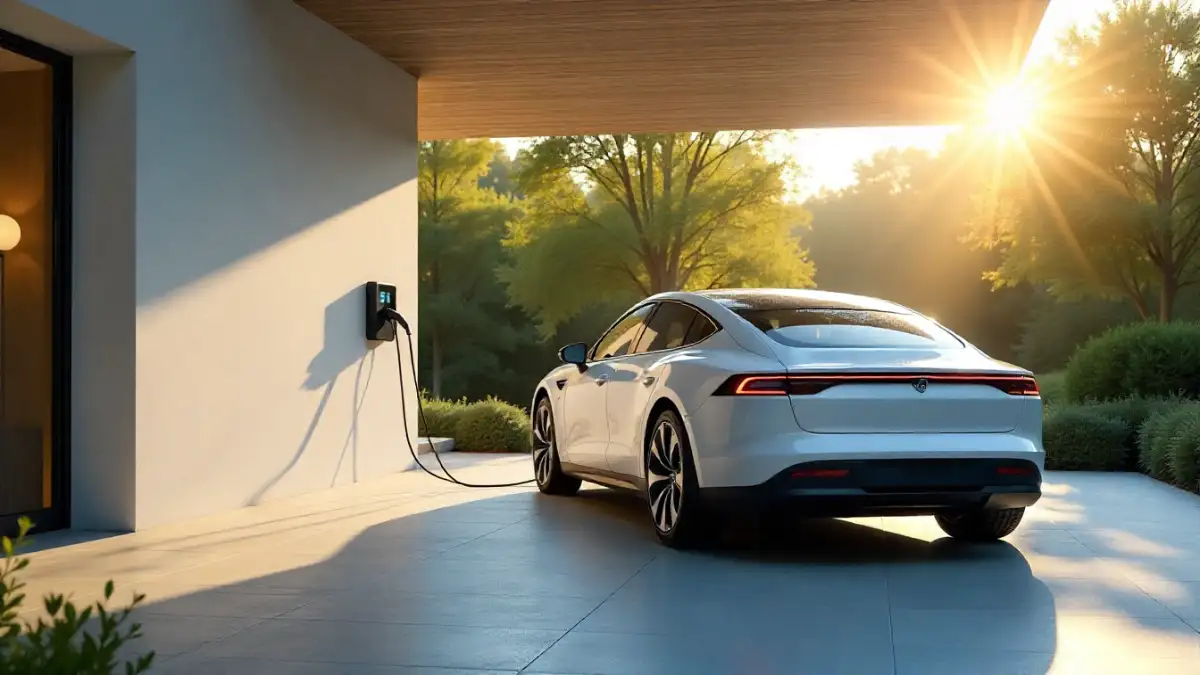
Making the Switch Doesn’t Have to Break the Bank
You’ve finally decided to make the leap to electric. Congratulations! But when you start exploring EV charging incentives for a home charger, you’ll see there’s a surprising amount of financial help available to make your eco-friendly decision more affordable.
I remember talking to my neighbor Sarah last year when she bought her first EV. She was thrilled about the car but dreading the cost of installing a Level 2 charger in her garage. Three months later, after claiming her rebates, she’d recouped nearly 60% of her installation costs. “I wish I’d known about these programs from the start,” she told me. “I almost didn’t install the charger because of the upfront cost.”
Let’s walk through the landscape of charging incentives together so you don’t leave money on the table.
Federal Tax Credits: Your First Stop
The federal government has been actively encouraging EV adoption, and that includes supporting home charging infrastructure. Under recent legislation, there’s a federal tax credit available for EV charger installation that can significantly reduce your costs.
The Alternative Fuel Vehicle Refueling Property Credit allows you to claim 30% of the cost of purchasing and installing a qualified EV charger, up to $1,000 for residential installations. This isn’t a rebate that shows up as a check in your mailbox—it’s a tax credit that reduces what you owe when you file your federal taxes.
Here’s what makes you eligible:
- The charger must be installed at your primary residence
- It needs to be new equipment (sorry, used chargers don’t count)
- Installation must be completed during the tax year you’re claiming
- You need to have enough tax liability to claim the credit
The commercial side is even more generous. If you’re a business owner installing charging stations, you can claim 30% of the cost up to $100,000 per location. That’s substantially more attractive for businesses looking to support their employees or customers who drive electric.
One important caveat: tax credits can change with new legislation, so it’s worth verifying the current status when you’re ready to install. The IRS Form 8911 is what you’ll need to claim this credit, and yes, you might want to chat with a tax professional to make sure you’re maximizing your benefit.
State-Level Rebates: Where the Real Savings Live
This is where things get interesting. State-level incentives vary wildly depending on where you live, and some states are far more generous than others. If you’re in California, Colorado, or New York, you’re in luck. If you’re in a state that’s been slower to embrace EVs, well, you might be looking at slimmer pickings.
California leads the pack with multiple programs. The California Clean Vehicle Rebate Project has historically offered rebates for home chargers, though these programs evolve regularly. Some California residents have stacked multiple incentives to cover 70-80% of their total installation costs. The state also has special equity programs offering larger rebates for low-income residents.
Colorado offers rebates through its Charge Ahead Colorado program, providing up to $1,300 for Level 2 home charger installations for income-qualified residents. Even if you don’t meet income requirements, there are often base-level rebates available.
New York provides incentives through its Charge Ready NY program, with rebates varying by region and utility provider. Some New Yorkers have received up to $1,000 back on their installation costs.
Other states with notable programs include:
- Maryland: Offers rebates through its Electric Vehicle Charging Rebate Programs
- Massachusetts: Provides incentives through MOR-EV programs
- Oregon: Has rebates available through the Charge Ahead program
- New Jersey: Offers incentives through its It Pay$ to Plug In program
The key is checking your specific state’s transportation or environmental agency website. Many states house these programs under their energy office or environmental quality department. Don’t assume there’s nothing available just because you haven’t heard about it—these programs aren’t always well-advertised.
Local and Utility Company Incentives: The Hidden Gems
Here’s where things get really interesting, and honestly, where many people miss out on free money. Your local utility company probably has incentives available, and they can be substantial.
Utility companies have a vested interest in managing when you charge your EV. Charging during off-peak hours helps balance the grid and reduces strain during high-demand periods. To encourage this behavior, many utilities offer time-of-use rates and direct rebates for charger installation.
Examples of utility incentives:
- Pacific Gas & Electric (PG&E) in California offers rebates and special EV charging rates
- Con Edison in New York provides incentives for smart chargers that can be controlled remotely
- Xcel Energy across multiple states offers rebates ranging from $500 to $1,300
- Duke Energy in several southeastern states provides installation rebates and special rates
Some utilities will even install and maintain the charger for you at a reduced cost or for free, though you might have to use their preferred equipment and accept certain terms about charging times.
Don’t overlook municipal programs either. Some cities and counties offer additional rebates stacked on top of state and federal incentives. For instance, some California cities offer extra rebates for multi-unit dwelling installations to promote EV adoption in apartments and condos.
Workplace Charging Programs: Don’t Forget Where You Work
If you’re a business owner or you work somewhere with employee charging stations, there are specific incentives worth exploring. The federal government offers that larger commercial tax credit I mentioned earlier, but many states add their own programs on top.
Businesses can often claim significantly larger incentives than residential installations. Some programs cover 50-75% of installation costs for workplace charging stations. This makes the business case for installing chargers much more attractive, especially if you’re looking to attract and retain employees who drive electric.
If you’re an employee, it’s worth having a conversation with your facilities or HR department about installing workplace charging. You might be surprised how receptive they are when they learn about available incentives.
How to Actually Claim These Incentives
Finding incentives is one thing. Actually claiming them? That’s where the rubber meets the road. Here’s your step-by-step game plan:
Before Installation:
- Research all available incentives at federal, state, and local levels
- Check eligibility requirements carefully—some have income limits or equipment specifications
- Verify if incentives can be stacked (most can, but not always)
- Choose a qualified installer who knows local permitting requirements
- Select equipment that meets incentive program specifications
During Installation:
- Keep every receipt, invoice, and documentation
- Take photos of the installation process
- Ensure your installer provides all necessary certification and compliance documents
- Get copies of all permits and inspection reports
After Installation:
- File federal tax credits when you do your taxes (save documentation for 7 years)
- Submit state and local rebate applications promptly—many have deadlines
- Complete utility company applications with required documentation
- Follow up on applications if you don’t hear back within stated timeframes
Many rebate programs operate on a first-come, first-served basis with limited funding. Don’t delay submitting applications once your installation is complete.
Common Pitfalls and How to Avoid Them
After helping several friends navigate this process, I’ve seen where people commonly stumble:
Missing deadlines: Some programs require application before installation, while others want documentation within 90 days of completion. Know your deadlines.
Wrong equipment: Not all chargers qualify for all programs. Some require smart chargers or specific safety certifications. Verify equipment requirements before purchasing.
Incomplete documentation: Missing a single form or receipt can delay or disqualify your rebate. Create a dedicated folder (physical or digital) for all charging-related documents.
Assuming ineligibility: Many people think they won’t qualify because of income limits, but then discover separate programs they do qualify for. Always check all available options.
Not stacking incentives: The federal credit, state rebate, utility incentive, and local program can often be combined. Each typically addresses different aspects of the cost.
Looking Ahead: The Incentive Landscape is Changing
Here’s something to keep in mind: these programs evolve constantly. As EV adoption increases, some incentives become more generous while others phase out. The federal infrastructure bill has allocated billions for charging infrastructure, which means new programs are launching regularly.
We’re also seeing more creative incentive structures. Some utilities now offer subscription models where they own the charger and you pay a monthly fee. Others are piloting programs that pay you for allowing them to control when your car charges based on grid demand.
The trend is clearly toward making EV ownership more accessible and affordable. If an incentive program has run out of funding when you check, it’s worth asking when the next funding cycle begins or if alternative programs exist.
Your Action Plan
Ready to save some money on your charger installation? Here’s what to do right now:
- Start at the federal level: Visit the IRS website and review Form 8911 to understand the federal tax credit
- Check your state: Search “[your state] EV charging incentives” or visit your state energy office website
- Call your utility: Contact your electric company’s customer service and ask specifically about EV charging programs
- Look local: Check your city and county websites for additional programs
- Use online resources: Websites like PlugStar, AFDC.energy.gov, and your state’s energy office maintain updated incentive databases
The bottom line? Installing a home charger doesn’t have to cost as much as you think. With a bit of research and some strategic planning, you can significantly reduce your out-of-pocket expenses. My neighbor Sarah got 60% back. With all the programs available today, you might do even better.
The electric future is here, and there’s never been a better time—or more financial support—to join it. Don’t let the upfront cost of a charger installation discourage you. Do your homework, claim your incentives, and enjoy the convenience of charging at home while knowing you made a smart financial decision.