Have you noticed more electric scooters zipping past you on your morning commute? Or maybe you’ve seen those compact electric bikes parked on street corners, ready for anyone to rent with a quick phone tap? Welcome to the world of micromobility—a transportation revolution that’s quietly transforming how we move around our cities.
If you’re scratching your head wondering what “micromobility” actually means, you’re not alone. Just a few years ago, this term wasn’t even part of our everyday vocabulary. But today, these small, nimble vehicles are everywhere, offering a fresh solution to urban gridlock, pollution, and the notorious “last mile” problem. Let’s dive into what micromobility vehicles really are, why they matter, and how they might just change the way you think about getting from point A to point B.
What Exactly Is Micromobility?
At its core, micromobility refers to small, lightweight vehicles designed for short-distance trips—typically under five miles. Think of them as the perfect middle ground between walking and driving a car. These vehicles usually operate at relatively low speeds (under 25 mph) and are designed primarily for individual use, though some accommodate two passengers.
The beauty of micromobility is in its simplicity and efficiency. Instead of firing up a 4,000-pound car to grab coffee three blocks away, you hop on a vehicle that weighs maybe 30 pounds and gets you there just as quickly—without the parking headache or the carbon emissions.
Most modern micromobility vehicles are electric-powered, making them part of the broader green transportation movement. They’re powered by rechargeable batteries, whisper-quiet, and produce zero tailpipe emissions. But the category also includes human-powered options like traditional bicycles and kick scooters.
The Micromobility Vehicle Family: Who’s Who?
Let’s meet the main players in the micromobility world. You’ve probably encountered several of these already:
Electric Scooters (E-Scooters)
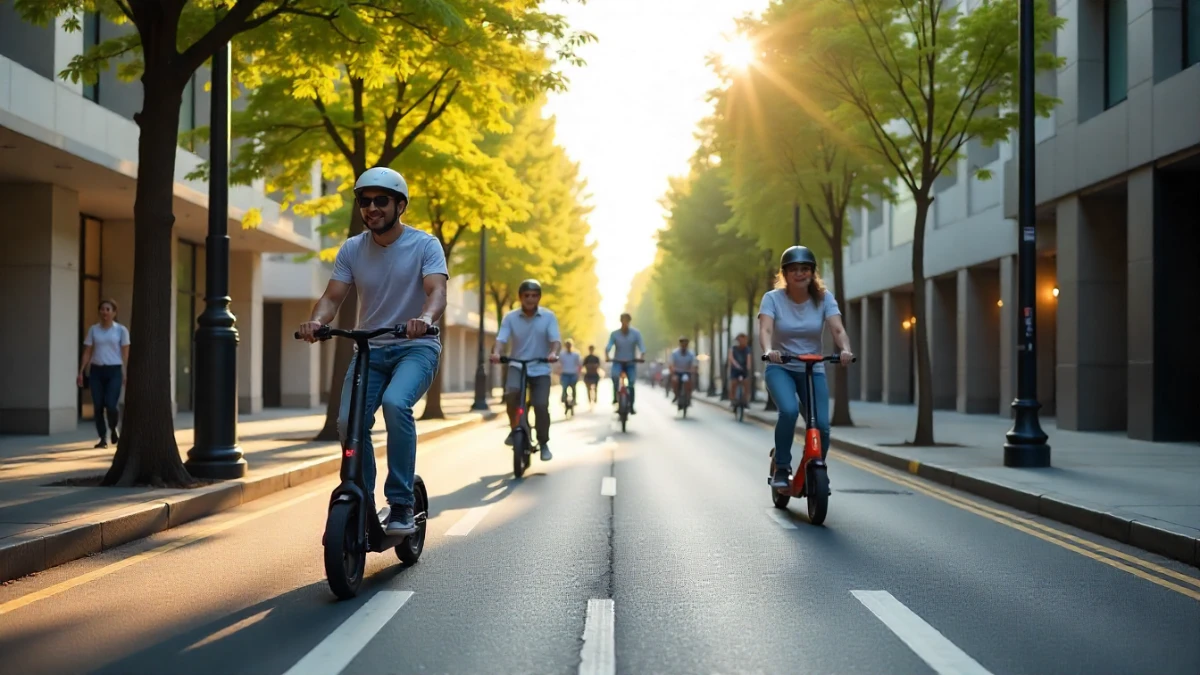
These are the poster children of the micromobility revolution. Standing upright on a platform with handlebars, e-scooters have flooded cities worldwide since companies like Bird and Lime launched their shared services around 2017. They typically reach speeds of 15-20 mph and can cover 15-30 miles on a single charge. What makes them so popular? They’re incredibly intuitive to use—if you rode a kick scooter as a kid, you already know the basics.
Electric Bicycles (E-Bikes)
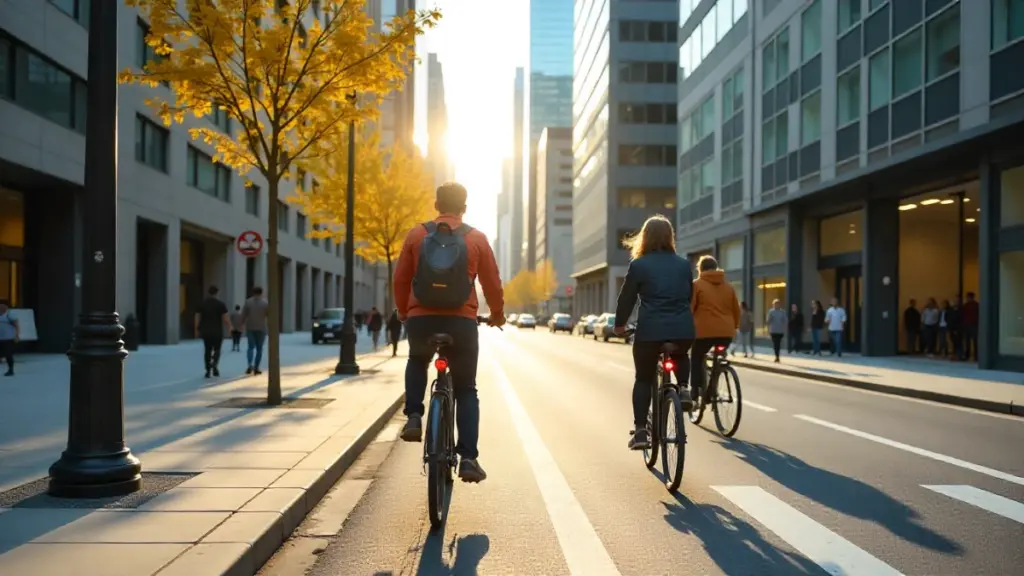
E-bikes look like regular bicycles but pack an electric motor that assists your pedaling. They come in various styles—from pedal-assist models that amplify your effort to throttle-controlled versions that work more like electric motorcycles. The best part? You can still get exercise while making your commute less sweaty. Many e-bikes can travel 20-50 miles per charge and reach speeds up to 28 mph, making them viable alternatives to cars for longer urban trips.
Electric Skateboards and Onewheel
For those seeking something more adventurous, electric skateboards and self-balancing devices like the Onewheel offer a thrilling ride. These require more balance and skill but deliver an exhilarating experience. They’re particularly popular with younger urban dwellers who appreciate the blend of transportation and recreation.
Electric Mopeds and Seated Scooters
Moving up in size, electric mopeds and seated scooters (like the ones from companies such as Revel) offer more comfort and stability. With a seat, foot platform, and sometimes storage compartments, they bridge the gap between micromobility and traditional motorcycles. They typically reach speeds of 30 mph, making them suitable for busier urban streets.
Hoverboards and Self-Balancing Scooters
Remember the hoverboard craze? These self-balancing, two-wheeled platforms are still around and count as micromobility devices. While they’re more popular for recreation than commuting, some people do use them for short neighborhood trips.
Traditional Bicycles and Kick Scooters
Let’s not forget the originals! Human-powered bikes and scooters absolutely qualify as micromobility. In fact, they’ve been solving urban transportation challenges for over a century. The recent micromobility boom has actually renewed interest in these classic options, especially in cities building better bike infrastructure.
Why Micromobility Matters Now More Than Ever
You might be wondering: why all the fuss about these small vehicles? The answer lies in several converging urban challenges that micromobility is uniquely positioned to address.
The Last Mile Problem
Here’s a scenario you’ve probably experienced: You take the train to work, but your office is still a 15-minute walk from the station. It’s too far to walk comfortably in business attire, especially in bad weather, but too short to justify calling an Uber. This is the infamous “last mile” problem that urban planners have wrestled with for decades.
Micromobility vehicles are the perfect last-mile solution. They’re quick enough to make those short connections practical, yet small enough to store at your desk or bring on public transit. Cities with robust micromobility options see increased public transportation ridership because people know they can easily bridge that gap between the station and their final destination.
Environmental Impact
Let’s talk numbers for a moment. The average car trip in the United States is less than six miles. For many of these short trips, we’re using vehicles designed to travel hundreds of miles at highway speeds—it’s like using a sledgehammer to crack a nut. These short car trips are particularly polluting because engines operate least efficiently when cold.
Micromobility vehicles offer a greener alternative. An e-scooter uses about 2% of the energy required to drive the same distance in a car. Multiply that by millions of trips across thousands of cities, and you’re looking at significant reductions in carbon emissions, air pollution, and fossil fuel consumption.
Urban Congestion and Parking
Have you ever spent 20 minutes circling for parking to run a 5-minute errand? Urban congestion costs Americans over $160 billion annually in wasted time and fuel, according to transportation research. Meanwhile, parking spaces consume valuable urban real estate—estimates suggest that parking covers up to 30% of land area in some American cities.
Micromobility vehicles need only a fraction of that space. You can park a dozen e-scooters in a single car parking spot. They also help reduce traffic volume, making streets more pleasant and accessible for everyone.
Accessibility and Affordability
While not everyone can afford a car (which costs Americans an average of $9,000+ per year to own and operate), micromobility offers accessible alternatives. Shared e-scooters typically cost $1 to unlock plus 30-40 cents per minute. Even owning your own e-bike or e-scooter costs a fraction of car ownership—usually under $1,000 upfront with minimal maintenance costs.
This makes independent mobility available to more people, including students, seniors on fixed incomes, and those who can’t or prefer not to drive.
Shared vs. Personal: Two Ways to Go Micro
The micromobility world operates on two distinct models, each with its own advantages:
Shared Micromobility Services
These are the vehicles you find scattered around your city, ready to unlock with a smartphone app. Companies like Lime, Bird, Spin, and Jump operate dockless systems where you can pick up a scooter at one location and drop it off at another.
The beauty of shared systems is their flexibility and low commitment. No maintenance, no storage concerns, no upfront purchase—just pay per ride. It’s perfect for occasional users, tourists, or anyone who wants to try micromobility without buying a vehicle.
However, shared services have faced challenges. Cities have grappled with scooters cluttering sidewalks, concerns about safety, and questions about whether these companies can operate sustainably. Many cities now require permits and regulate where vehicles can be parked, making the systems more organized.
Personal Ownership
More people are also buying their own e-bikes, e-scooters, or other micromobility devices. Ownership makes sense if you’re a daily commuter—the costs add up favorably compared to per-ride pricing. Plus, you can customize your vehicle, ensure it’s well-maintained, and always have it available when you need it.
Personal ownership has surged during recent years, with e-bike sales particularly booming. Many employers now offer e-bike purchase incentives, and government rebates are becoming available in various regions to encourage this cleaner transportation option.
The Challenges We Need to Talk About
I’d be doing you a disservice if I only painted a rosy picture. Micromobility, like any emerging technology, comes with legitimate concerns that cities, companies, and users are actively working to address.
Safety Considerations
Here’s the honest truth: riding an e-scooter or e-bike in mixed traffic can feel intimidating, especially in cities without dedicated bike lanes. Injury rates, while still relatively low compared to motorcycle or bicycle accidents, have prompted important conversations about infrastructure, helmet use, and rider education.
The key is infrastructure. Cities with protected bike lanes and clear micromobility guidelines see far fewer accidents. As these networks expand, micromobility becomes safer for everyone.
Sidewalk Clutter and Accessibility
The early days of dockless scooter sharing earned a bad reputation—vehicles dumped haphazardly on sidewalks, blocking pathways for people with disabilities. This was a real problem that frustrated many residents.
The good news? The industry has evolved. Modern systems use GPS parking zones, take photos to verify proper parking, and employ rebalancing teams. Cities have also implemented clearer regulations. It’s not perfect everywhere yet, but it’s dramatically better than the chaotic rollout of 2017-2018.
Weather and Range Limitations
Let’s be real: micromobility isn’t ideal for every trip or every day. Rainy days, extreme heat or cold, and distances beyond a few miles push the limits of what’s comfortable or practical. These vehicles complement, rather than completely replace, other transportation options.
Sustainability Questions
While micromobility vehicles themselves are eco-friendly, early shared scooters had disappointingly short lifespans—sometimes just a few months due to vandalism and rough use. This raised questions about whether they were truly sustainable when you factored in manufacturing and frequent replacement.
Again, the industry has responded. Newer models are far more durable, with reinforced frames and better electronics. Lifespan has increased significantly, and companies have implemented better maintenance programs and vehicle recovery systems.
What Does the Future Hold?
The micromobility revolution is just getting started, and the future looks fascinating. Here’s what we’re likely to see:
Better Integration with Public Transit
Imagine this: Your transit app shows you not just bus and train schedules, but also available e-scooters at stations, bike-sharing docks, and real-time routing that combines multiple modes. Several cities are already moving in this direction, creating seamless “Mobility as a Service” (MaaS) platforms.
Improved Infrastructure
As micromobility adoption grows, cities are rethinking street design. We’re seeing more protected bike lanes, dedicated micromobility parking zones, and even entire streets being redesigned to prioritize small vehicles and pedestrians over cars. Paris, Barcelona, and Copenhagen are leading the way, but many North American cities are catching up.
Technological Advances
Battery technology keeps improving, meaning longer ranges and shorter charging times. We’re also seeing smarter vehicles with better lighting, turn signals, improved suspension, and even airbag systems. Some e-bikes now feature anti-theft GPS, automatic locking, and maintenance alerts sent straight to your phone.
New Vehicle Types
The micromobility category continues to expand. We’re seeing enclosed e-bikes that offer weather protection, cargo e-bikes that can haul groceries or kids, and even solar-assisted vehicles. The creativity in this space is remarkable.
Policy Evolution
Governments are developing more sophisticated approaches to micromobility regulation—moving beyond simple bans or unrestricted access to nuanced policies that maximize benefits while addressing concerns. Expect to see more cities offering micromobility incentives, integrating these vehicles into climate action plans, and requiring companies to meet equity and accessibility standards.
Should You Give Micromobility a Try?
If you’ve read this far, you’re probably at least curious. Here’s my take: micromobility isn’t going to work for everyone or every trip, and that’s okay. But for many urban and suburban residents, these vehicles offer a genuinely useful, cost-effective, and enjoyable way to handle short trips.
My advice? Start small. Next time you’re about to drive somewhere less than two miles away, try a shared e-scooter or e-bike instead. See how it feels. Pay attention to how much faster you might actually get there, how much you save, and whether you enjoy the experience.
If you find yourself using shared services regularly, consider whether owning might make sense. Run the numbers—you might be surprised how quickly a purchase pays for itself compared to per-ride fees.
And if you’re someone who’s mobility-limited or dealing with other barriers, don’t assume micromobility isn’t for you. Adaptive e-bikes and three-wheeled electric scooters are expanding options for people with various physical abilities.
The Bottom Line
Micromobility vehicles represent more than just a trendy transportation option—they’re part of a fundamental rethinking of how we move through our cities. As urban populations grow and climate concerns intensify, these small, efficient vehicles offer a practical path toward more sustainable, accessible, and human-scaled transportation networks.
They’re not going to replace cars entirely, and they shouldn’t. We’ll always need various transportation options for different circumstances. But micromobility fills a crucial gap that’s existed for too long: the need for quick, affordable, low-impact transportation for the countless short trips we all make every day.
The vehicles themselves are constantly improving, the infrastructure to support them is expanding, and the regulatory frameworks are maturing. What seemed like a novelty just a few years ago is rapidly becoming an established part of the urban transportation landscape.
So the next time you see an e-scooter parked on a corner or an e-bike cruising past you, recognize it for what it is: a small but significant piece of our transportation future. And maybe, just maybe, give it a try. You might discover a new favorite way to get around—one that’s better for your wallet, better for your city, and better for the planet.
The micromobility revolution is here. The question isn’t whether these vehicles will be part of our transportation future—it’s how quickly we’ll embrace the possibilities they offer.