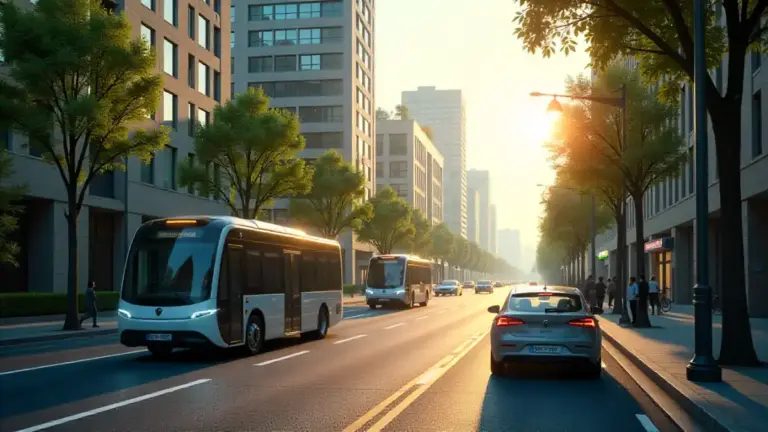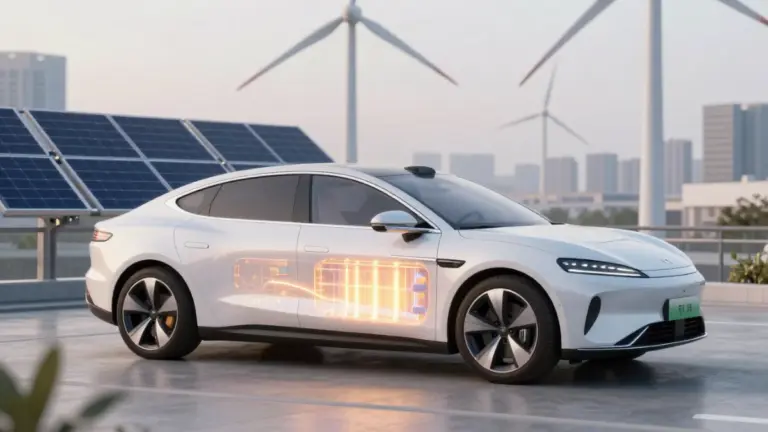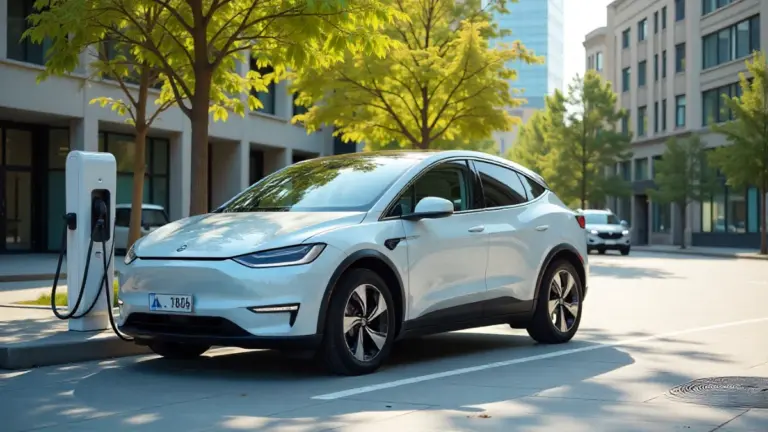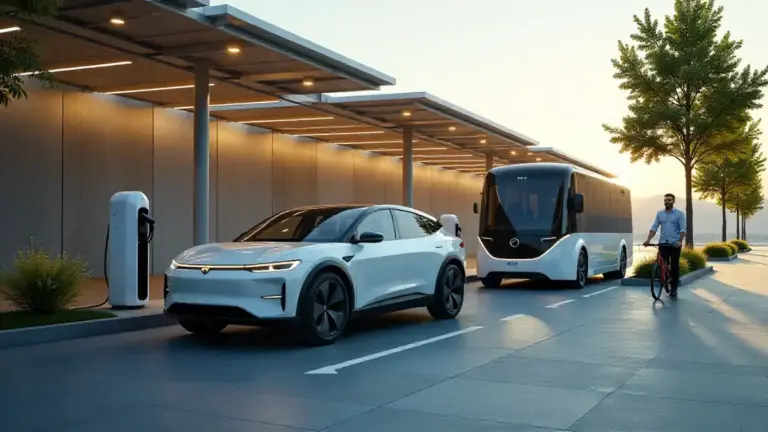
You’re thinking about going electric, or maybe you’ve already taken the plunge and bought your first EV. Either way, one question keeps popping up: “Where am I going to charge this thing?” It’s a valid concern, and honestly, it’s one of the biggest mental hurdles for new EV drivers. But here’s the good news—the charging infrastructure has grown massively in recent years, and it’s getting better every single day.
Let me walk you through everything you need to know about finding public charging stations near you. Whether you’re planning a road trip, running errands around town, or just want the peace of mind that comes with knowing where your next charge will be, I’ve got you covered.
Understanding Your Charging Options
Before we dive into maps and apps, let’s talk about what you’re actually looking for when you search for charging stations. Not all chargers are created equal, and understanding the differences will save you time and frustration.
Level 1 Charging is basically plugging into a regular household outlet. You’re looking at about 3-5 miles of range per hour of charging. This works great at home overnight, but you won’t find many public Level 1 stations—they’re just too slow to be practical.
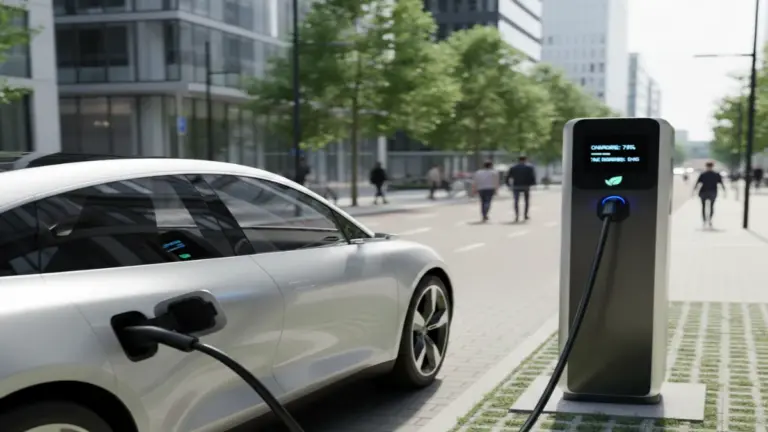
Level 2 Charging is what you’ll see most often in public spaces. Think parking garages, shopping centers, hotels, and office buildings. These chargers add roughly 10-25 miles of range per hour, depending on your car and the charger’s output. Perfect for topping off while you’re doing other things.
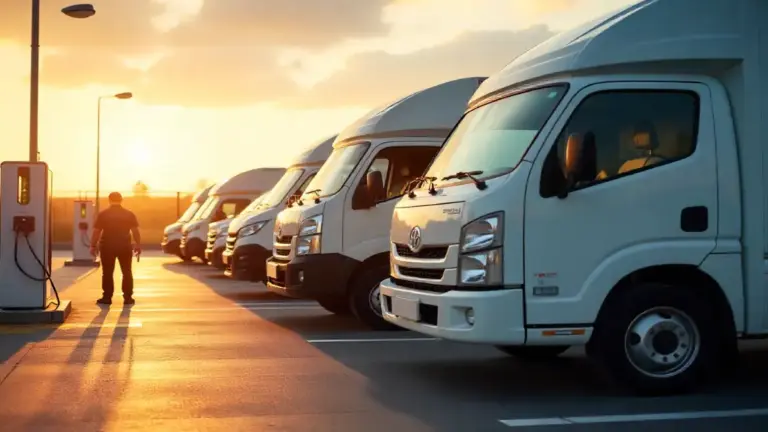
DC Fast Charging (also called Level 3) is the heavy hitter. These stations can pump 80% of your battery full in 20-40 minutes. You’ll find these along highways, at dedicated charging hubs, and increasingly in urban areas. They’re your best friend on road trips.
Understanding which type of charger you need makes a huge difference in planning your charging stops.
The Best Tools for Finding Charging Stations
Gone are the days of wondering if you’ll find a charger on your route. Today, we’ve got an arsenal of digital tools that make finding charging stations almost effortless.
PlugShare is my personal go-to app. It’s like the Yelp of EV charging—you can see real-time availability, read reviews from other drivers, filter by plug type, and even check if a station is currently working. The community aspect is invaluable. I can’t tell you how many times fellow EV drivers’ comments have steered me away from broken chargers or toward hidden gems.
ChargePoint, EVgo, and Electrify America all have their own apps for their respective networks. If you’re planning to use these networks regularly (and you probably will), download their apps. They make payment easier and often provide network-specific deals or membership benefits.
Your car’s built-in navigation system probably includes charging station locations too. Tesla’s system is particularly sophisticated, routing you through Superchargers automatically and predicting how much battery you’ll have when you arrive. Many other manufacturers have caught up with similar features.
Google Maps and Apple Maps now show EV charging stations when you search. Just type “EV charging stations near me” and you’ll see pins pop up all over the map. It’s not as detailed as dedicated EV apps, but it’s convenient when you’re already using these platforms for navigation.
Where You’ll Actually Find Chargers
Let me paint a picture of where charging stations typically show up, because this varies quite a bit depending on whether you’re in a city, suburb, or rural area.
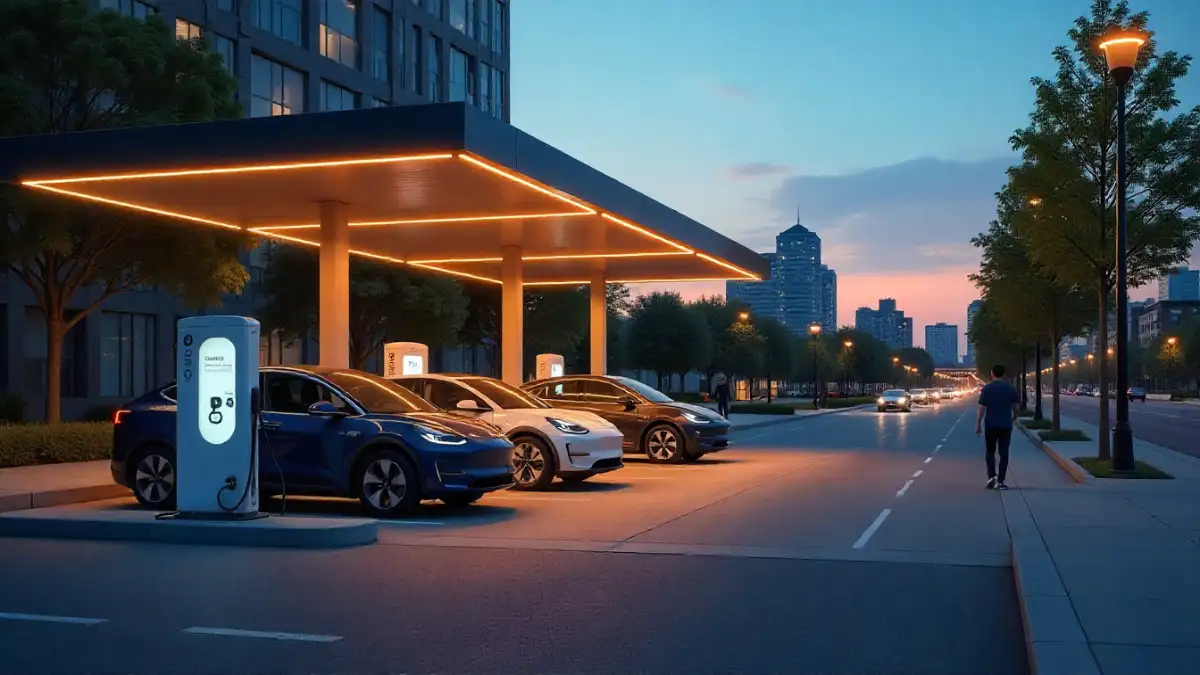
Urban areas are usually well-stocked with charging options. Downtown parking garages often have Level 2 chargers on multiple floors. Shopping districts increasingly feature chargers in parking lots—retailers know EV drivers spend more time (and money) while their cars charge. Major grocery chains like Whole Foods and Kroger have been adding chargers steadily. Coffee shops, restaurants, and entertainment venues are getting in on the action too.
Suburban locations tend to concentrate chargers at retail centers, movie theaters, and hotels. I’ve found reliable charging at Target, Walmart, and mall parking lots. Many employers have installed workplace charging as an employee perk, which is fantastic if your job offers it.
Highway corridors have seen explosive growth in DC fast charging. Electrify America has built an impressive network along major interstates. Tesla’s Supercharger network is legendary for a reason—you’ll find stations strategically placed every 70-100 miles on most major routes. EVgo and ChargePoint are filling in gaps too.
Rural areas are the final frontier for charging infrastructure. Coverage is spottier, but it’s improving. Small towns along popular routes are installing chargers to attract EV-driving tourists. State and national parks are adding charging stations at visitor centers and lodges. If you’re planning a rural adventure, advance planning becomes more important.
Regional Variations and Coverage
The reality is that charging infrastructure isn’t evenly distributed across the country. Where you live makes a big difference in your charging experience.
California leads the pack by a wide margin. Between state incentives, environmental priorities, and a huge EV-driving population, you’ll find chargers everywhere from San Diego to Sacramento. Los Angeles alone has thousands of public charging points. The Bay Area isn’t far behind.
The Northeast corridor—from Washington DC through Boston—has excellent coverage. Cities like New York, Philadelphia, and Boston have invested heavily in charging infrastructure. Even smaller cities throughout the region have decent networks.
The Pacific Northwest is another EV-friendly zone. Seattle and Portland have robust charging networks, and coverage extends throughout Washington and Oregon. The region’s environmental consciousness translates into charging infrastructure investment.
The Sun Belt is catching up fast. Texas, despite its oil heritage, has been building out charging networks aggressively. Florida’s major cities and tourist corridors have strong coverage. Arizona and Nevada are well-equipped along their main highways.
The Midwest and Mountain states show more variation. Major cities like Denver, Minneapolis, and Chicago have solid networks, but rural areas can be challenging. The good news? The infrastructure is expanding rapidly as more people make the switch to electric.
Making Public Charging Work for You
Here’s what I’ve learned from years of public charging: success comes down to planning and flexibility.
Plan ahead, but stay flexible. Use your apps to identify charging stations along your route, but always have a backup option. Chargers occasionally go offline, sometimes parking spots are occupied by non-EVs (yes, it’s annoying), and during peak times you might wait. Having alternatives in mind saves stress.
Charge while you’re doing other things. This is the secret to making EV ownership feel effortless. Plug in while you’re grocery shopping, eating dinner, watching a movie, or working. The charging happens in the background of your life, not as a separate task. It’s actually more convenient than gas stations once you shift your mindset.
Join charging networks and loyalty programs. Most networks offer membership plans that reduce per-kilowatt-hour costs. Some are free to join with pay-as-you-go pricing, while others have monthly fees with lower charging rates. Do the math based on your typical usage.
Be a good charging citizen. Move your car when charging is complete. Don’t unplug someone else’s car unless it’s truly finished and blocking the only available charger. Leave chargers in good condition. The EV community thrives on mutual respect.
The Future Is Bright (and Well-Charged)
If you’re worried about charging infrastructure, let me offer some perspective. When I got my first EV five years ago, finding chargers required detective work. Today, there are over 140,000 public charging stations across the United States, with more than 60,000 DC fast charging ports. That number grows every single week.
The federal government has committed $7.5 billion to build out a national charging network, with the goal of 500,000 public chargers by 2030. Major automakers are investing billions more in proprietary and shared networks. Tesla recently began opening its Supercharger network to non-Tesla vehicles, which will dramatically expand options for everyone.
Private companies see the opportunity too. Gas station chains, convenience stores, and retail giants are all adding chargers. It’s becoming a competitive amenity—businesses know that EV drivers choose where to shop based partly on charging availability.
Your Next Steps
So, where do you start? Download PlugShare and a couple of the major network apps (ChargePoint, Electrify America, EVgo). Spend a few minutes exploring the charging landscape in your area. You’ll probably be surprised at how many options you already have nearby.
If you’re considering buying an EV, map out your regular routes and see where chargers are located. Think about your daily driving patterns—most EV owners do 90% of their charging at home, using public chargers primarily for longer trips or opportunistic top-offs.
For current EV drivers, branch out and try some new charging locations. You might discover convenient spots you didn’t know existed. Read those PlugShare reviews—the EV community is incredibly helpful and shares valuable insights.
The charging infrastructure is here, it’s growing, and it’s more accessible than ever. Yes, it requires a slightly different approach than pulling into a gas station, but most drivers find it more convenient once they adjust their thinking. Instead of making special trips to fuel up, you’re adding electrons while living your life.
Welcome to the electric future. The road ahead is fully charged and ready for you.