
Remember when the idea of an electric car seemed like something straight out of a sci-fi movie? Well, if you’re still thinking that way, you’re in for quite the update. We’re standing at the edge of 2025, and electric mobility isn’t just knocking on the door anymore—it’s kicked the door wide open and is redecorating the entire house of transportation.
The shift toward sustainable transport isn’t just about swapping gas tanks for batteries. It’s a complete reimagining of how we move, how our cities breathe, and how technology integrates into every mile we travel. So buckle up (pun absolutely intended), because we’re about to explore the electrifying world of modern mobility that’s reshaping our roads, our routines, and our relationship with the planet.
The Battery Revolution: More Than Just Power Storage
Let’s talk about the heart of any electric vehicle—the battery. If you’ve been hesitant about EVs because of range anxiety or charging times, I’ve got news that’ll make you smile. The battery technology rolling out in 2025 is light-years ahead of what we had just a few years ago.
Solid-state batteries are finally moving from laboratory curiosities to production realities. These aren’t your grandfather’s lithium-ion packs. We’re talking about batteries that can charge to 80% in under 15 minutes, offer ranges exceeding 500 miles on a single charge, and last well over a million miles. Companies like Toyota and QuantumScape are pioneering these technologies, promising energy densities nearly double what we see in current EVs.
But here’s what really gets exciting: battery costs have plummeted by nearly 90% over the past decade. What used to be the most expensive component of an EV is becoming increasingly affordable, making electric vehicles accessible to everyday drivers rather than just early adopters with deep pockets. Think about it—when was the last time you saw technology get better and cheaper at the same time?
And it’s not just about the specs on paper. Today’s batteries are smarter, equipped with advanced thermal management systems that work in extreme cold and sweltering heat. Remember when EVs struggled in winter? Those days are rapidly becoming ancient history.
Charging Infrastructure: The Backbone of Electric Freedom
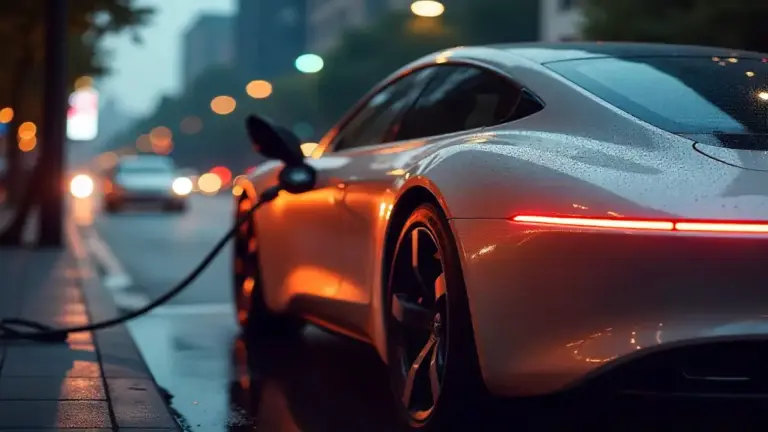
Now, you might be thinking: “Great batteries are nice, but where am I supposed to charge this thing?” Fair question. The charging infrastructure in 2025 is nothing short of remarkable compared to even two years ago.
The global charging network has exploded, with over 2.7 million public charging points worldwide and counting. What’s more impressive is how smart these charging stations have become. We’re not just talking about plugging in and waiting anymore. Today’s ultra-fast chargers can deliver 350 kW of power, replenishing your battery faster than you can grab a coffee and check your emails.
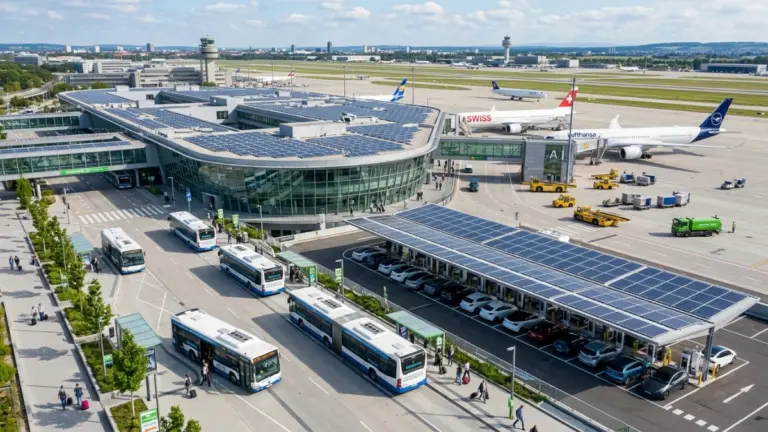
Major highways across North America, Europe, and Asia now feature charging stations every 50-75 miles. Companies like Tesla, Electrify America, and Ionity have created seamless networks where you can travel cross-country with confidence. Many new charging hubs include solar canopies, battery storage systems, and amenities that actually make charging stops pleasant rather than inconvenient.
But the real game-changer? Vehicle-to-grid (V2G) technology. Your EV isn’t just taking power from the grid anymore—it can give it back. During peak demand hours, your parked car can sell electricity back to the grid, essentially turning your vehicle into a mobile power bank that helps stabilize the energy system while earning you credits on your energy bill. How’s that for multitasking?
Mobility-as-a-Service: Rethinking Car Ownership
Here’s a question that might make you uncomfortable: Do you really need to own a car in 2025? Before you gasp in horror, hear me out.
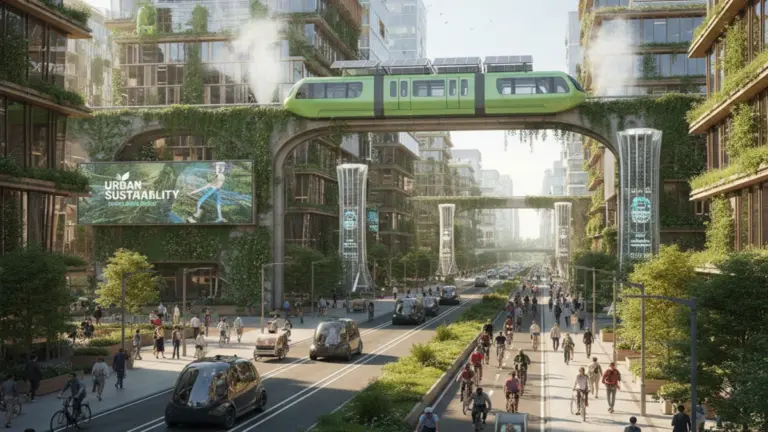
Mobility-as-a-Service (MaaS) is transforming how we think about transportation. Instead of owning a vehicle that sits idle 95% of the time, imagine having seamless access to multiple transportation options through a single app. Electric ride-sharing, autonomous shuttles, e-bikes, scooters, and public transit—all integrated, all electric, all at your fingertips.
Cities like Helsinki, Singapore, and Barcelona are leading this revolution. Their residents can plan, book, and pay for any journey using one platform, switching between transportation modes as needed. Heading to work? Take an electric bus. Need groceries? Summon an EV ride-share. Weekend adventure? Rent an electric car for a few hours.
This isn’t just convenient—it’s incredibly sustainable. When vehicles are shared efficiently, we need fewer of them overall, which means less manufacturing, less urban congestion, and dramatically lower emissions per capita. Plus, MaaS providers are investing heavily in electric fleets, accelerating the transition away from fossil fuels even for people who never buy an EV themselves.
And let’s be honest: for many people, especially in urban areas, the financial math makes sense. No insurance payments, no maintenance headaches, no depreciation anxiety—just mobility when you need it, how you need it.
The Environmental Impact: Beyond Zero Emissions
Sure, we all know electric vehicles produce zero tailpipe emissions, but the environmental story goes deeper than that—and it’s worth understanding the full picture.
When you factor in the entire lifecycle—including battery production—modern EVs still produce roughly 50-70% fewer emissions than comparable gasoline vehicles over their lifetimes. And here’s the kicker: as electricity grids incorporate more renewable energy, that number keeps improving. An EV charged with solar or wind power is about as clean as transportation gets.
Battery recycling has matured dramatically too. Companies are now recovering over 95% of valuable materials from old EV batteries, creating a circular economy where today’s battery becomes tomorrow’s battery. Some retired EV batteries even get second lives as stationary energy storage for homes and businesses before being recycled.
The ripple effects extend beyond just cars. Electric buses are cleaning up city air, electric delivery vans are quieting neighborhoods, and electric trucks are beginning to decarbonize freight. The World Health Organization estimates that air pollution causes millions of premature deaths annually—electric mobility is literally saving lives.
Smart Integration: When Vehicles Talk to Everything
Your 2025 EV isn’t just a car—it’s a sophisticated computer on wheels that communicates with everything around it. Vehicle-to-everything (V2X) technology enables your car to “talk” with traffic lights, other vehicles, parking structures, and even your home.
Imagine your EV automatically adjusting its route based on real-time traffic data, coordinating with traffic signals for smoother flow, or warning you about hazards detected by other connected vehicles ahead. This isn’t fantasy—it’s happening now in smart cities worldwide.
At home, your EV integrates with your solar panels and home battery system, intelligently deciding when to charge based on electricity rates, weather forecasts, and your driving schedule. Some systems even learn your patterns, ensuring your car is always ready when you are while minimizing costs and grid impact.
The data your EV generates also helps improve the entire ecosystem. Anonymized information about road conditions, charging patterns, and vehicle performance helps manufacturers improve future models, cities optimize infrastructure, and grid operators balance supply and demand.
The Global Shift: Policy and Market Momentum
The momentum behind electric mobility isn’t just technological—it’s political and economic. Over 20 countries have announced plans to phase out internal combustion engine vehicle sales by 2035 or earlier. California, the European Union, and nations like Norway and the Netherlands are leading the charge with ambitious targets and substantial incentives.
These aren’t empty promises. Major automakers are investing hundreds of billions in electrification. General Motors pledged to offer only zero-emission vehicles by 2035. Volkswagen is transforming its entire lineup. Even traditionally conservative brands like Ford and Chevrolet are rolling out compelling electric models that appeal to mainstream buyers.
The market speaks volumes too. In Norway, over 80% of new car sales are already electric. China, the world’s largest auto market, sold over 8 million EVs in 2024. In the US, EV sales are accelerating quarter by quarter, with electric vehicles claiming an increasingly significant share of new car registrations.
Incentives remain strong in many regions—tax credits, rebates, HOV lane access, free parking, and reduced registration fees make EVs increasingly attractive financially. When you factor in lower fuel costs (electricity is cheaper than gas) and minimal maintenance (no oil changes, fewer brake replacements thanks to regenerative braking), the total cost of ownership often beats traditional vehicles.
Challenges and Real Talk: What Still Needs Work
Look, I’m enthusiastic about electric mobility, but let’s keep it real—challenges remain. Not every region has robust charging infrastructure yet, particularly in rural areas. Apartment dwellers without dedicated parking face charging accessibility issues. And while battery costs are dropping, EVs still carry higher upfront prices than comparable gas vehicles (though this gap is closing rapidly).
The electrical grid in many places needs upgrading to handle widespread EV adoption. Mining for battery materials raises environmental and ethical concerns that the industry must address more responsibly. And honestly, some people simply prefer the experience of driving a traditional vehicle—and that’s okay.
These challenges aren’t insurmountable, though. Governments, utilities, and private companies are investing heavily in solutions. Innovative charging solutions for multi-unit dwellings are emerging. Battery chemistries are diversifying beyond materials in short supply. And as production scales up, prices continue to fall.
The key is viewing these as problems to solve rather than reasons to abandon the transition. Every major technological shift faces obstacles—the question is whether we’re committed to overcoming them. Based on current momentum, the answer appears to be a resounding yes.
Looking Ahead: What’s Next for Electric Mobility
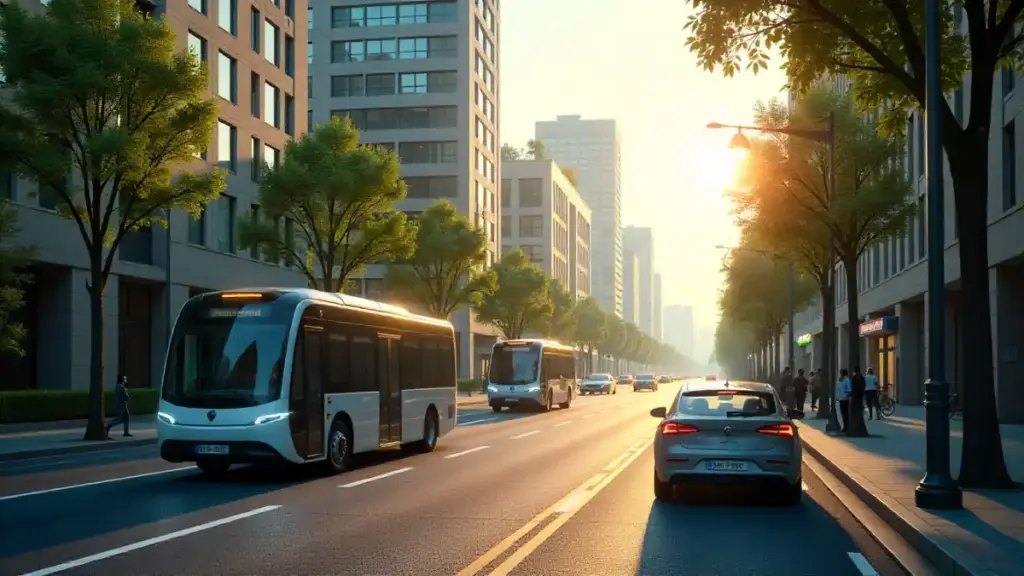
So where does this all lead? The trajectory is clear: transportation is becoming electric, connected, autonomous, and shared. By 2030, analysts predict EVs will represent the majority of new vehicle sales globally. Autonomous electric shuttles will handle first-mile and last-mile connections in cities. Flying electric taxis might actually become reality in some metropolitan areas.
But perhaps the most exciting aspect is how electric mobility integrates with broader sustainability goals. Renewable energy, smart cities, circular economy principles, and low-carbon transportation are all pieces of the same puzzle. Your EV becomes part of a larger ecosystem that’s cleaner, more efficient, and more resilient.
For individuals, this means more choices, better technology, and transportation that aligns with environmental values without sacrificing convenience or performance. For society, it means cleaner air, quieter streets, energy independence, and meaningful progress on climate goals.
Making Your Move to Electric Mobility
If you’re considering joining the electric revolution, you’re in good company—and 2025 is arguably the best time yet to make the leap. Start by identifying your actual transportation needs. How far do you typically drive? Where would you charge? What features matter most to you?
Test drive multiple EVs to experience the instant torque, quiet operation, and smooth acceleration firsthand. Crunch the numbers on total cost of ownership, including available incentives in your area. Research charging infrastructure along your common routes. Talk to current EV owners about their real-world experiences.
Remember, going electric doesn’t mean you need to buy a car tomorrow. You might start by choosing electric options through ride-sharing, trying an electric rental for a road trip, or simply staying informed as options expand. The transition to sustainable transportation is happening—the only question is when and how you’ll participate.
The future of transportation isn’t coming—it’s already here, humming quietly past you on the highway, powered by innovation, charged by determination, and driven by our collective commitment to a cleaner, smarter world. Welcome to electric mobility 2025. The ride’s just getting started.