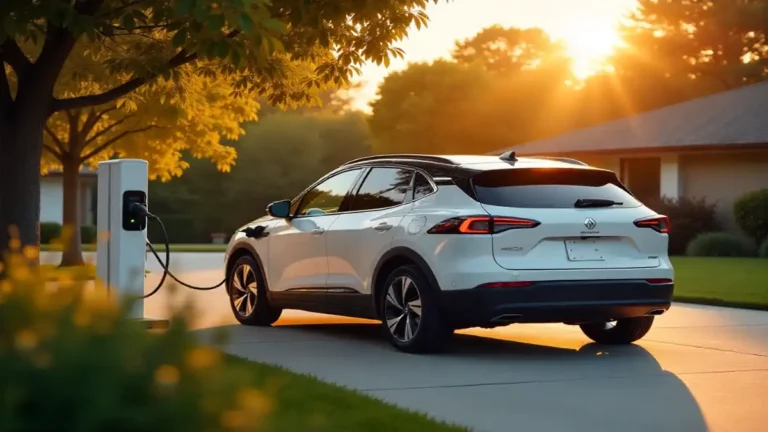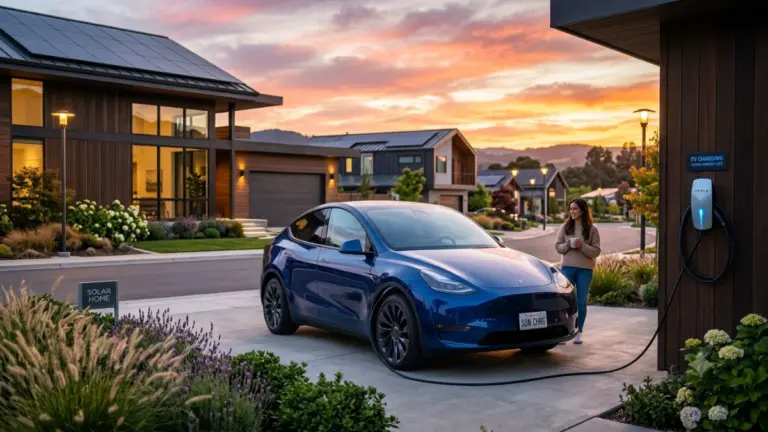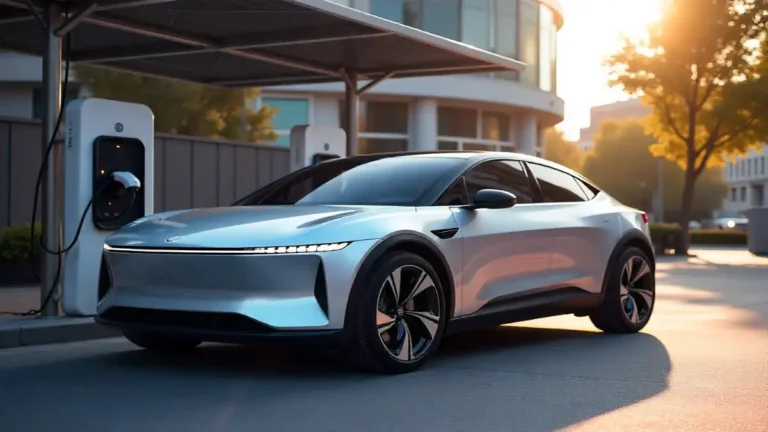
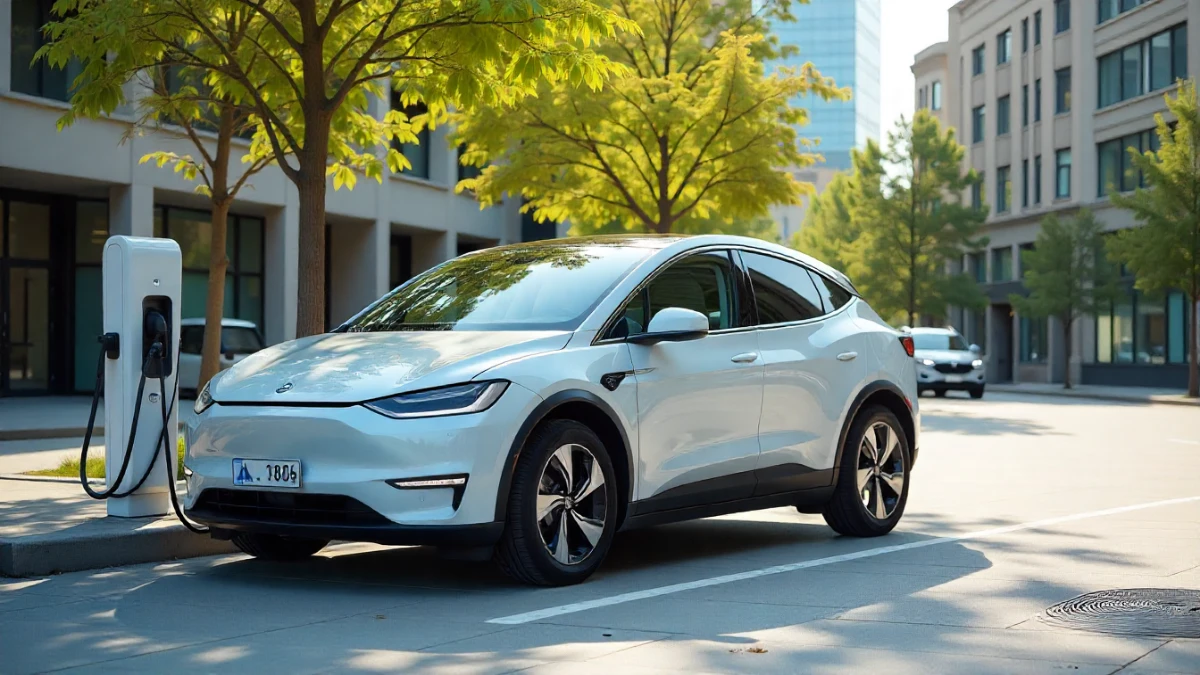
You know that moment when you’re planning a road trip in your electric car, and that little voice in your head whispers, “But what if I can’t find a charger?” I get it. Even as someone who’s been driving EVs for years, I remember my first few weeks of ownership being a bit nerve-wracking. Where are the charging stations? How do they work? Will there be one when I need it?
Here’s the good news: finding public EV charging stations near you has become incredibly easy, and the charging network has grown so much that you might be surprised by just how many options you have. Whether you’re a new EV owner, considering making the switch, or just curious about the infrastructure that’s powering the electric revolution, let’s dive into everything you need to know about locating and using public charging stations.
Understanding Your Charging Options: It’s Not Just One Type
Before we start hunting for charging stations, let’s talk about what you’re actually looking for. Not all chargers are created equal, and understanding the differences will help you find exactly what you need.
Level 2 Chargers are the most common type you’ll encounter. Think of these as the workhorses of public charging—they’re perfect for topping up while you’re grabbing lunch, shopping, or catching a movie. These chargers typically add about 25-30 miles of range per hour of charging. They’re not lightning-fast, but they’re everywhere: parking garages, shopping centers, hotels, and office buildings.
DC Fast Chargers (also called Level 3 chargers) are the speed demons of the charging world. These can add 100-200 miles of range in just 20-30 minutes, making them ideal for road trips or when you’re in a hurry. You’ll find these along highways, at dedicated charging plazas, and increasingly in urban centers. Different networks use different charging standards—Tesla has their Superchargers, while most other EVs use CCS (Combined Charging System) or CHAdeMO connectors.
Why does this matter? Well, when you’re searching for a charging station, knowing whether you need a quick top-up or a full charge will determine which type of station you’re looking for.
The Best Tools for Finding Charging Stations
Gone are the days when you needed to print out maps or hope you’d stumble across a charger. Today, you’ve got powerful tools right in your pocket. Let me share the ones I use regularly and trust completely.
PlugShare is hands-down my favorite charging station finder. It’s like the Yelp of EV charging—comprehensive, community-driven, and incredibly detailed. The app shows you every public charging station nearby, complete with real-time availability, user reviews, photos, and even details about whether you need to bring your own cable. Users share their experiences, so you’ll know if a particular station is reliable or if it’s been broken for weeks. The filtering options let you search by charger type, network, and even amenities like nearby restrooms or coffee shops.
Your Car’s Built-In Navigation is smarter than you might think. Most modern EVs have integrated charging station finders that not only show you nearby chargers but also calculate whether you have enough battery to reach them. My favorite feature? The navigation system accounts for elevation changes, weather conditions, and your driving style to give you accurate range predictions. Tesla’s system is particularly impressive, automatically routing you through Superchargers on long trips and even preconditioning your battery for faster charging.
ChargePoint, Electrify America, and EVgo Apps are network-specific apps that show you their respective charging stations. If you frequently use one particular network, downloading their app makes sense—you can start charging sessions, monitor your charge progress remotely, and manage payments all in one place. Many offer membership programs with discounted rates, which can save you money if you’re a regular user.
Google Maps and Apple Maps have both stepped up their EV charging game recently. Just search for “EV charging stations” or “electric car charging,” and you’ll see pins pop up all around you. The reviews and photos from other users can be helpful, though I find these general-purpose apps sometimes lack the real-time status updates that dedicated EV apps provide.
What to Expect When You Arrive
You’ve found a charging station on your app, plugged the destination into your nav system, and you’re pulling into the parking spot. Now what? Let me walk you through what a typical charging session looks like, because knowing what to expect makes everything smoother.
First, check the station’s condition before you even park. Is the charger’s screen lit up? Do you see any “Out of Order” notices? I’ve learned to always have a backup plan—keep a second charging location in mind just in case your first choice isn’t working. Most apps now show real-time status, but equipment failures happen, and sometimes the app hasn’t caught up yet.
Parking considerations matter more than you might expect. Dedicated EV charging spots are usually marked with green paint or signage. Some locations enforce these spots strictly (which is great when you need them!), while others are more relaxed. Here’s an etiquette tip: don’t leave your car plugged in after it’s finished charging unless you’re actively shopping or dining nearby. Other EV drivers will appreciate your consideration, and some charging networks actually charge idle fees if you overstay.
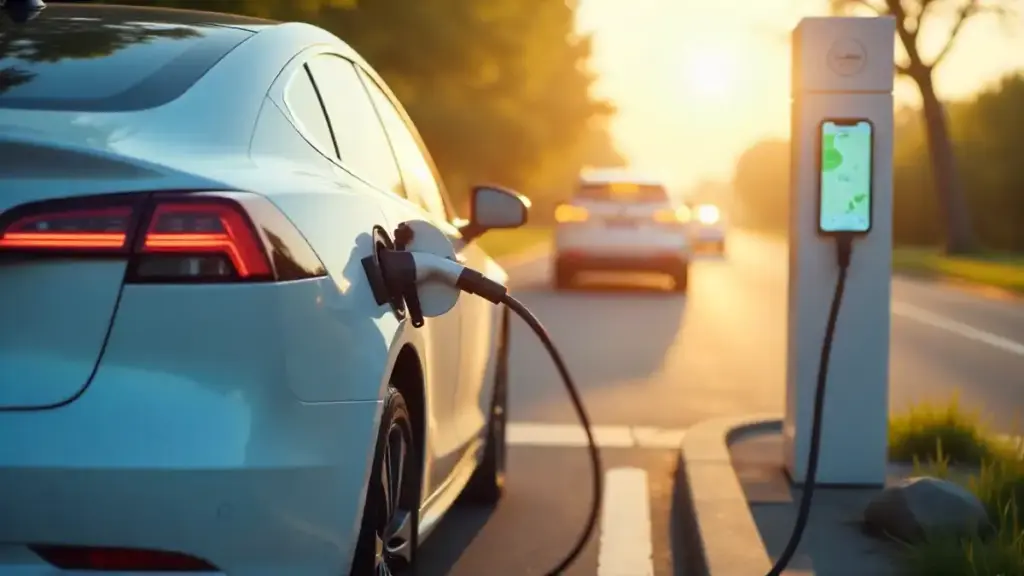
Starting your charging session varies by network, but it’s generally straightforward. Many stations let you tap your phone using NFC, scan a QR code, or swipe a membership card. Some require you to open their app first. Once you’ve authenticated, grab the charging cable, open your car’s charging port (usually by pressing a button near your driver’s seat or on the port itself), and plug in. You should hear a satisfying click and see confirmation lights on both your car and the charger.
While you’re charging, most apps let you monitor your progress remotely. I typically plug in, start my session, and then check the app occasionally to see when I’ll hit my target charge level. This is perfect for grabbing a coffee or running errands without having to sit in your car watching the percentage tick up. Many chargers will even send you a notification when your session is complete.
Making Public Charging Work for Your Lifestyle
Here’s where we get practical. How do you actually incorporate public charging into your daily life without it becoming a hassle? I’ve learned a few strategies that have made all the difference.
Think of charging as destination-based, not gas-station-based. This is the biggest mental shift you’ll make as an EV owner. Instead of making special trips to charge (like you would for gas), you charge while you’re already somewhere doing something else. I plug in at the grocery store, at the gym, at the mall—anywhere I’m going to be parked for 30 minutes or more. That Level 2 charger at your favorite coffee shop? Perfect for adding 20-30 miles while you work on your laptop for an hour.
Plan ahead for road trips, but don’t stress. Modern EVs and charging networks have made long-distance travel surprisingly easy. When I’m planning a trip, I look at my route and identify charging stations roughly every 150-200 miles. But here’s what I’ve learned: you often don’t need as much planning as you think. Apps like A Better Route Planner (ABRP) will do the heavy lifting for you, suggesting optimal charging stops based on your car’s range, your driving style, and even current weather conditions.
Join membership programs strategically. If you notice you’re frequently using one particular charging network, their membership program might save you money. Electrify America’s Pass+ program, for example, offers lower per-kWh rates for a monthly fee. ChargePoint has similar options. Do the math based on your usage—for some people, memberships are worth it; for others, pay-as-you-go makes more sense.
Home charging is still your best friend. I can’t stress this enough: if you can charge at home, that should be your primary method. Public charging becomes your backup and your road-trip solution, not your daily routine. About 80% of EV charging happens at home, and for good reason—it’s more convenient and usually cheaper. Public charging fills the gaps beautifully, but home charging is the foundation.
Troubleshooting Common Charging Challenges
Let’s talk about what happens when things don’t go perfectly, because occasionally they won’t, and knowing how to handle these situations will save you frustration.
“The charger won’t start!” This happens sometimes. First, try unplugging and plugging back in—seriously, it works more often than you’d think. Make sure your car is unlocked and ready to accept a charge. Check that your payment method went through properly. If the charger’s screen is showing an error code, take a photo and report it through the network’s app. Most networks have 24/7 customer support phone numbers displayed on the charger itself.
“All the chargers are occupied.” Peak times exist for EV charging just like they do for everything else. Late afternoon on weekends, or near major highways during holiday travel, can get busy. This is where having multiple charging options saved in your apps comes in handy. I always know where the nearest 2-3 charging locations are, not just one. Also, check the app for wait times—some stations show you how long until the current users’ sessions are expected to finish.
“The charging is slower than expected.” Several factors affect charging speed. If you’re using a DC fast charger but only seeing slow speeds, check your battery’s state of charge—most EVs intentionally slow down charging above 80% to protect battery health. Temperature matters too; extreme heat or cold can reduce charging speeds because the battery management system is protecting your battery. If you’re splitting power with another car using the same charging station, you might see reduced speeds as well.
“The cost was higher than I expected.” Charging costs vary wildly depending on location, time of day, and network. Some stations charge by the kilowatt-hour (like buying gasoline by the gallon), while others charge by the minute. Peak demand hours might have higher rates. Before you start charging, most apps show you the expected cost. If the price seems high, you can always look for a nearby alternative—competition is increasing, which is great news for consumers.
The Future Is Bright (and Well-Charged)
Here’s something exciting: the charging infrastructure is growing faster than ever. When I bought my first EV five years ago, there were about 22,000 public charging stations in the U.S. Today, there are over 60,000 stations with more than 160,000 individual charging ports. And that number is accelerating.
Major retailers are getting in on the action. Walmart is installing DC fast chargers at thousands of locations. Target, Kroger, and Whole Foods are expanding their charging networks. Gas station chains are adding EV chargers to their existing locations. Even apartment complexes and workplaces are increasingly offering charging as a standard amenity.
The technology is improving too. Newer chargers can deliver up to 350 kW of power, which means you could add 200 miles of range in just 10-15 minutes. Vehicle-to-grid (V2G) technology is on the horizon, which will let your EV not just consume power from the grid but also send power back when needed. And payment systems are becoming more standardized and user-friendly—plug-and-charge technology means you won’t even need to open an app in the future; your car will authenticate and start charging automatically.
Your Next Steps
So, where do you go from here? If you’re already an EV owner, I encourage you to download PlugShare if you haven’t already, and spend a few minutes exploring the charging options in your area. You might be surprised by how many stations you didn’t even know existed. Plan a slightly longer trip than your normal daily routes and practice using a public charger—getting comfortable with the process removes any anxiety about longer journeys.
If you’re considering buying an EV, use these same tools to see what the charging landscape looks like in your area and along the routes you commonly travel. You’ll likely find that range anxiety is based more on perception than reality. The infrastructure is there, it’s growing, and it’s more than adequate for the vast majority of driving needs.
The transition to electric vehicles isn’t just about the cars themselves—it’s about the entire ecosystem that supports them. And public charging stations are a crucial part of that ecosystem. They’re the safety net that gives you confidence to drive anywhere, the convenience that makes EV ownership practical, and the infrastructure that’s making the electric future possible.
Remember, every EV driver started exactly where you are now, wondering about charging logistics and whether it would all work out. I promise you, it does. The charging network is robust, the tools for finding stations are excellent, and the experience becomes second nature remarkably quickly. Before you know it, you’ll be the one giving advice to nervous new EV owners about which chargers to use and which apps are best.
Welcome to the electric driving community. The roads are open, the chargers are ready, and the adventure is just beginning.