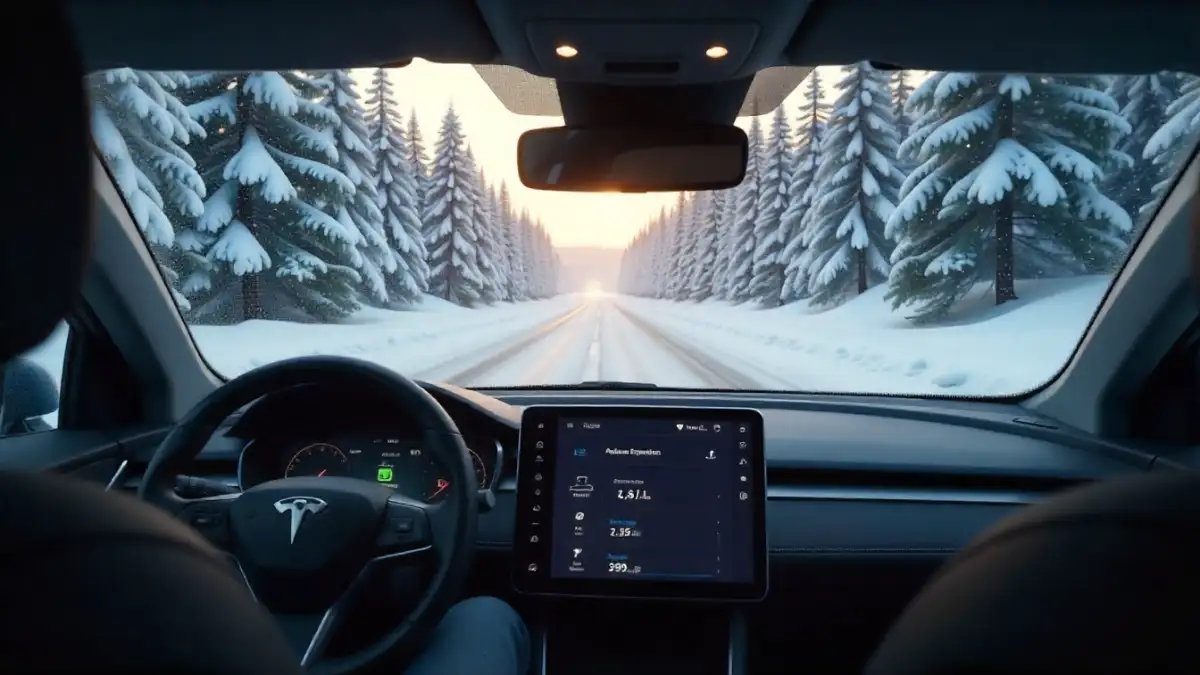
Picture this: You wake up to a crisp winter morning, frost painting intricate patterns on your windows, and the thermometer reading a brisk 20°F. You’re excited to head out in your electric car, but then a nagging question pops into your mind: “How’s my EV going to handle this cold?” If you’ve ever wondered this, you’re definitely not alone. Cold weather and electric cars have a complicated relationship, and understanding what to expect can make all the difference between a smooth winter drive and an anxious range-watching experience.
Let me walk you through everything you need to know about how Jack Frost affects your EV, and more importantly, what you can do about it.
Why Cold Weather Impacts Your Electric Car
Here’s the thing about batteries—they’re a bit like us humans. They don’t particularly enjoy extreme temperatures, and cold weather makes them sluggish and less efficient. But why exactly does this happen?
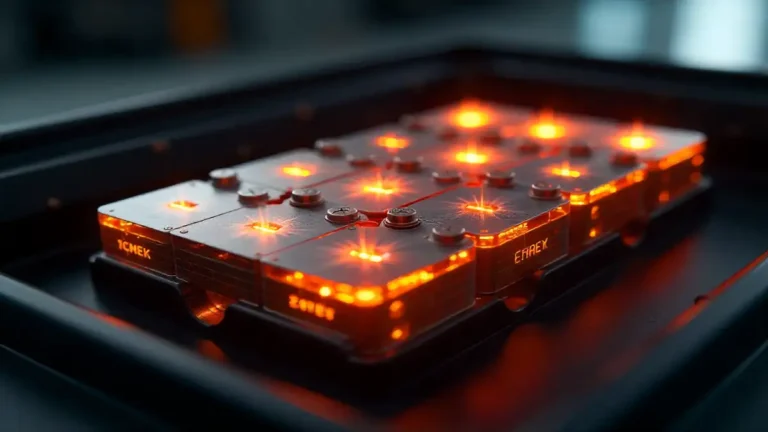
Your electric car’s lithium-ion battery relies on chemical reactions to store and release energy. When temperatures drop, these chemical reactions slow down significantly. Think of it like honey: at room temperature, it flows smoothly, but stick it in the refrigerator, and it becomes thick and slow-moving. Your battery experiences something similar.
In practical terms, you might see your range drop anywhere from 20% to 40% when temperatures dip below freezing. A 2020 study by AAA found that at 20°F, the average driving range of an electric vehicle decreased by 41% compared to moderate temperatures when using cabin heating. That’s substantial, right? But before you panic, remember that this is the worst-case scenario, and there are plenty of ways to minimize this impact.
The cold affects more than just the battery chemistry, though. Your EV also needs to work harder to warm up the cabin, and unlike gas cars that use waste heat from the engine, electric vehicles must draw power directly from the battery to heat the interior. It’s like your battery is running two marathons at once: powering the car and keeping you cozy.
What You’ll Actually Notice During Winter Driving
So what does this mean for your daily driving experience? Let’s get real about what you’ll encounter.
First, you’ll notice that your displayed range drops faster than usual. That 280-mile range you’re used to seeing in summer might show up as 180-200 miles on a cold morning. Don’t let this freak you out—it’s normal, and your car’s range estimator is being honest with you about the conditions.
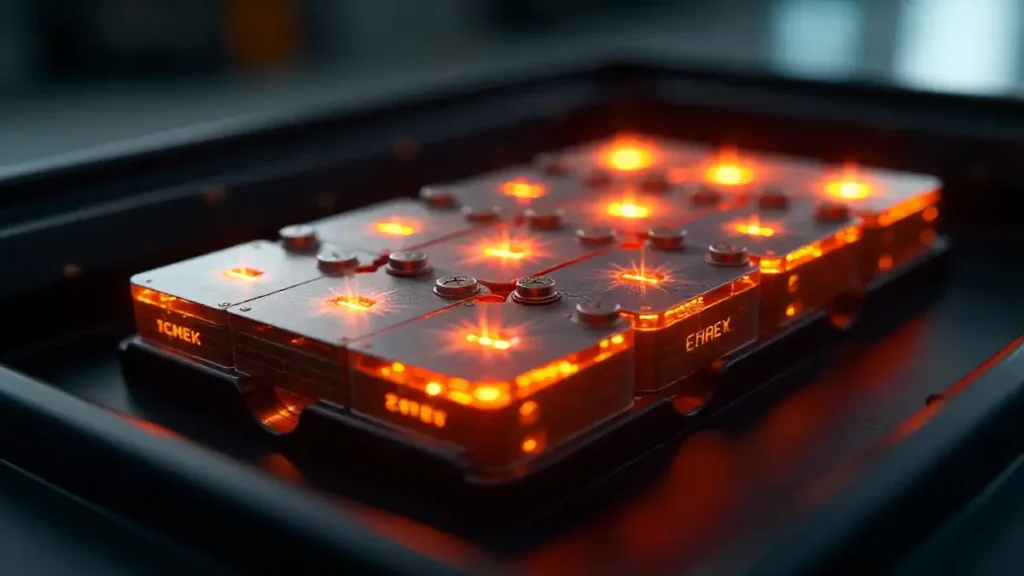
Charging times will increase too. Cold batteries don’t accept charge as quickly as warm ones, so your usual 30-minute fast-charging stop might stretch to 45 minutes or even longer. This is actually your car being smart and protective—forcing energy into a cold battery too quickly can damage it. Many modern EVs now include battery preconditioning features that warm the battery before you arrive at a fast charger, significantly reducing this delay.
You might also notice that your regenerative braking feels different. When it’s really cold, your car might limit how much energy it captures during regen braking because, again, a cold battery doesn’t want to accept a sudden influx of energy. This means your brake pedal might feel a bit different, and you’ll capture less energy going downhill or when slowing down.
Smart Strategies to Maximize Winter Range
Now for the good news: you’re not helpless in this situation. There are several proven strategies that can help you maintain better range and performance during winter months.
Precondition Your Battery and Cabin
This is your secret weapon. Most electric cars allow you to schedule preconditioning while the car is still plugged in. This means your battery and cabin heat up using grid power rather than draining your battery. I can’t stress enough how much of a difference this makes. You get into a warm car, and you start your journey with a warm battery that’s operating at peak efficiency.
Set your car to warm up 20-30 minutes before you leave. Your battery will thank you, your range will thank you, and honestly, sliding into a pre-heated car on a freezing morning is one of life’s small luxuries.
Use Seat Heaters and Heated Steering Wheels
Here’s a pro tip that many new EV owners don’t realize: seat heaters and steering wheel heaters use far less energy than running the cabin heater at full blast. Heating the air in your entire cabin requires significant power, but directly warming your body through the seat and steering wheel is much more efficient.
Try this approach: use your seat heaters as your primary heat source and set your cabin temperature a few degrees lower than you normally would. You’ll stay comfortable while using considerably less battery power. Some EV owners report saving 10-15% of their range just by making this simple switch.
Park Smart
Whenever possible, park in a garage or covered area. Even an unheated garage is typically 10-20 degrees warmer than outside, and that temperature difference matters to your battery. If you don’t have access to a garage, try to park in a sunny spot during the day—every little bit of natural warmth helps.
Drive Efficiently
Cold weather is when efficient driving techniques really pay off. Accelerate smoothly, maintain steady speeds when possible, and use eco driving modes if your car offers them. Aggressive acceleration and high speeds drain your battery faster in any weather, but the effect is amplified when it’s cold.
Charging Considerations in Cold Weather
Charging in winter requires some adjustments to your routine, but nothing too complicated.
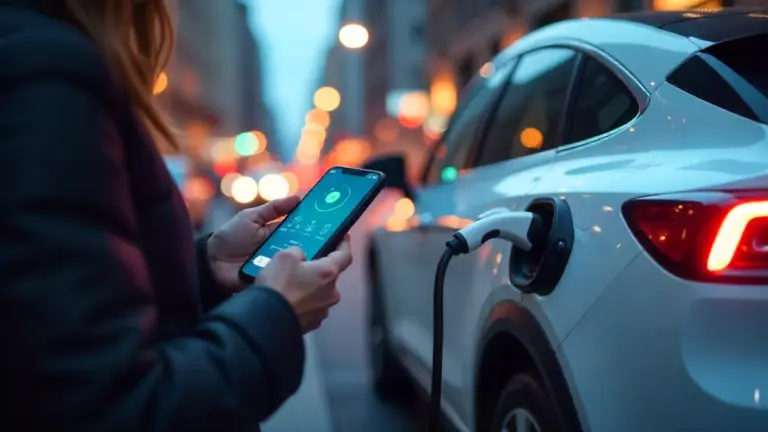
If you’re charging at home overnight, you’re in luck. Slow, steady Level 2 charging actually helps keep your battery slightly warmer than it would be sitting idle. Plus, you can schedule charging to complete right before you leave, ensuring your battery is at its warmest when you start driving.
For road trips and fast charging, plan for extra time. As I mentioned earlier, cold batteries charge more slowly. The good news is that many newer EVs—like the latest Tesla models, Ford Mustang Mach-E, and others—can automatically precondition the battery when you navigate to a fast charger. Take advantage of this feature by using your car’s navigation system rather than your phone.
Another tip: charge to a slightly higher percentage than you normally would. If you typically charge to 80% during your road trips, consider going to 90% in winter. This buffer accounts for the range loss and gives you extra peace of mind.
How Different EV Models Handle the Cold
Not all electric cars respond to cold weather the same way. Some have more sophisticated thermal management systems than others.
Tesla vehicles, for instance, have proven to be quite capable in cold weather, partly due to their advanced battery thermal management and preconditioning features. The heat pump systems in newer Model Ys and Model 3s also help maintain efficiency by using less battery power for heating.
The Nissan Leaf, on the other hand, lacks active battery thermal management (in most versions), which makes it more susceptible to both cold and hot weather effects. This doesn’t make it a bad car, but it’s something to consider if you live in an extreme climate.
Newer EVs like the Ford F-150 Lightning, Hyundai Ioniq 5, and Volkswagen ID.4 all come equipped with heat pumps and robust thermal management systems, showing that manufacturers are taking cold weather performance seriously.
The Real-World Impact: Is It Really That Bad?
Let’s put this in perspective. Yes, you’ll lose some range in cold weather—that’s simply physics. But for most daily driving, this isn’t the disaster some people make it out to be.
Consider this: if your EV normally has a 250-mile range and you lose 30% in cold weather, you’re still looking at 175 miles of range. For the average American who drives about 40 miles per day, that’s still more than four days of driving on a single charge. You’re charging at home anyway, so you start each day with a “full tank.”
Where cold weather matters most is on long road trips. Those require more planning and potentially more charging stops. But here’s the thing—most EV owners do the vast majority of their driving locally, and winter range is totally manageable for that use case.
Looking Ahead: Better Cold Weather Performance
The good news is that EV technology continues to improve. Battery chemistry is advancing, thermal management systems are getting more sophisticated, and manufacturers are developing new solutions specifically for cold climates.
Heat pump technology is becoming standard in newer EVs, significantly reducing the energy needed for cabin heating. Some manufacturers are exploring battery pre-heating systems that activate automatically when cold weather is detected. Others are working on new battery chemistries that perform better across a wider temperature range.
Final Thoughts: Embrace Winter with Confidence
Cold weather does affect electric car performance—there’s no sugarcoating that reality. But with the right knowledge and strategies, it’s entirely manageable. Preconditioning, smart charging practices, and efficient driving techniques can help you retain much of your range and keep your winter EV experience positive.
Think of it this way: gas cars lose efficiency in cold weather too (typically about 15-20%), they just hide it better because you’re not watching your fuel gauge as closely. With an EV, you’re simply more aware of what’s happening, which actually gives you more control to optimize your driving.
So if you’re considering an EV or you’re a new owner facing your first winter, don’t let the cold deter you. Millions of EV drivers in cold climates—from Norway to Canada to the northern United States—make it work every single day. With a bit of preparation and the tips I’ve shared, you’ll handle winter driving with confidence.
Stay warm out there, and happy (electric) driving!