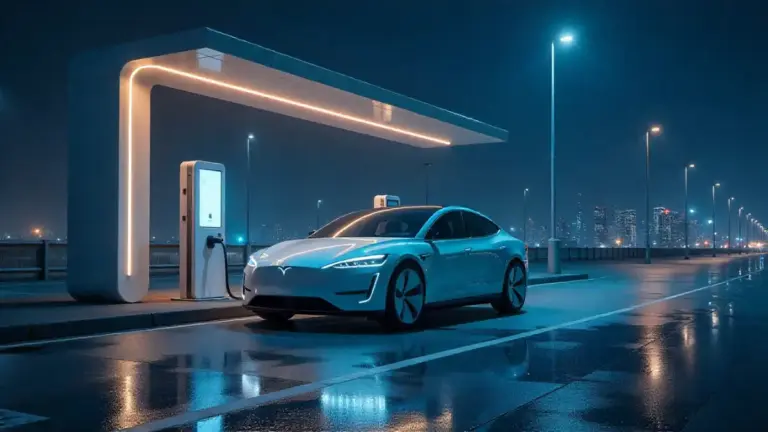
You know what’s funny? A few years ago, people would ask me about electric cars and immediately follow up with, “But where would I charge it?” These days, that question has evolved into something much more specific: “Which charging network should I use?” That’s progress, right?
If you’re considering an EV or already driving one, understanding the charging network landscape is crucial. It’s a bit like choosing a cell phone carrier—coverage matters, pricing varies wildly, and reliability can make or break your experience. Let me walk you through the major players in the EV charging game, so you can navigate this electrified world with confidence.
Why Charging Networks Matter More Than You Think
Before we dive into the specifics, let’s talk about why this matters. Unlike gas stations, where you pull up, pump, and pay roughly the same price anywhere, EV charging is fragmented across multiple networks. Each has its own app, pricing structure, membership options, and—most importantly—geographic footprint.
Think of it this way: your EV’s range might be 300 miles on paper, but your real range depends on where you can reliably charge. That business trip or weekend getaway suddenly requires planning around charging infrastructure. The good news? The networks have expanded dramatically, and competition is driving improvements in both coverage and pricing.
Tesla Supercharger: The Gold Standard (Now Open to Others)
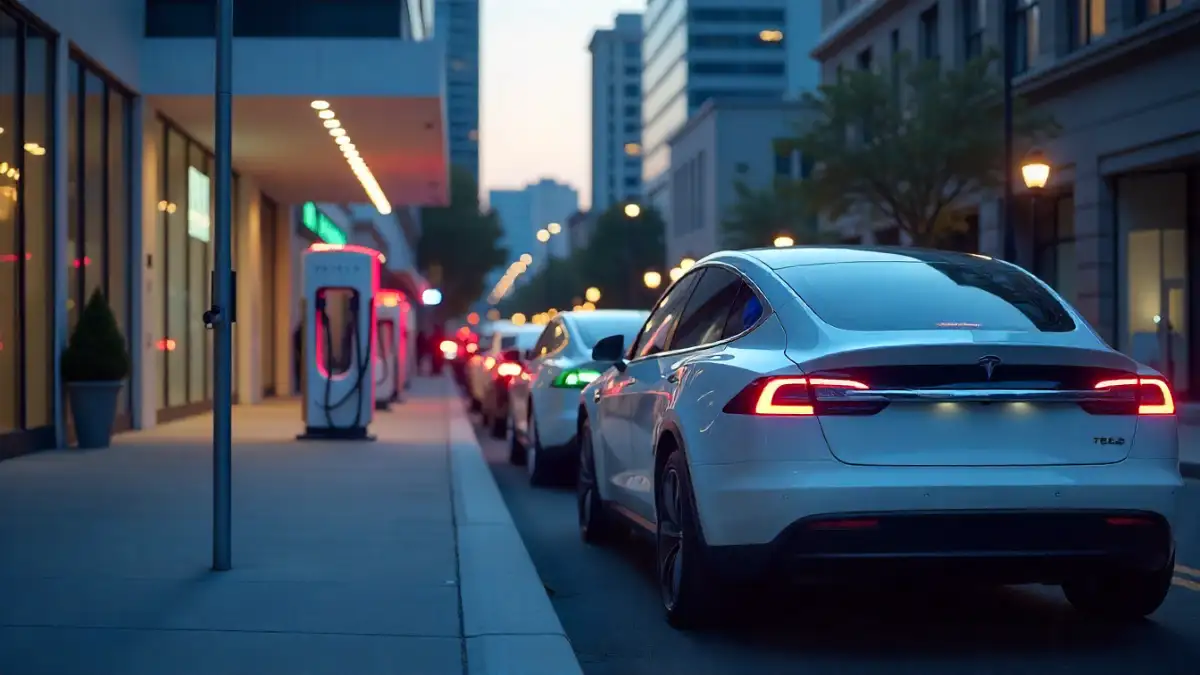
Let’s start with the elephant in the room—or should I say, the red and white charging stall in the parking lot. Tesla’s Supercharger network has long been considered the crown jewel of EV charging infrastructure, and for good reason.
Coverage and Reliability
With over 50,000 Superchargers globally (and counting), Tesla has built something truly impressive. In North America alone, you’ll find Supercharger stations strategically placed along major highways, typically every 150 miles or so. I’ve driven cross-country in a Tesla, and the routing through the navigation system is almost magical—it calculates your charging stops automatically, factoring in your battery level, driving conditions, and even the weather.
The reliability is exceptional. Tesla stations are well-maintained, and multiple stalls mean you’re rarely stuck waiting. Most locations offer 8-12 charging stalls, and they’re usually in convenient spots like shopping centers or restaurants.
Pricing Structure
Here’s where it gets interesting. Tesla uses dynamic pricing that varies by location and time of day. You might pay anywhere from $0.25 to $0.60 per kWh, depending on demand and regional electricity costs. For context, a typical charge from 20% to 80% on a Model 3 Long Range (about 50 kWh) would cost $12-30.
The Big News: Opening to Non-Teslas
Tesla has begun opening its Supercharger network to non-Tesla EVs through what they call the “Magic Dock” adapter or requiring owners to purchase an adapter. This is a game-changer. If you drive a Ford, GM, Rivian, or several other brands that have adopted Tesla’s North American Charging Standard (NACS), you’ll gain access to this vast network starting in 2024-2025. That’s thousands of new charging options opening up almost overnight.
Electrify America: The Fast-Growing Challenger
Born from Volkswagen’s diesel emissions settlement (there’s irony for you), Electrify America has emerged as the largest open DC fast-charging network in the United States.
Network Coverage
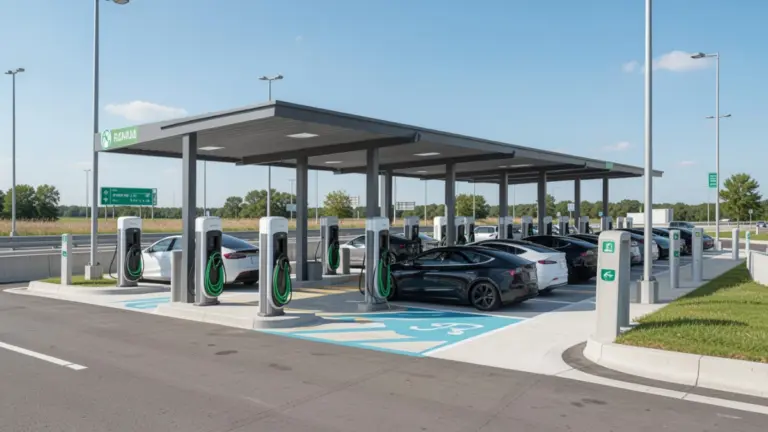
With over 950+ charging stations and 4,000+ individual chargers across the U.S. and Canada, Electrify America has focused heavily on highway corridors and urban centers. You’ll find their distinctive black and neon-green stations at Walmart locations, shopping centers, and rest stops along major interstates.
The charging speeds are impressive—most stations offer 150 kW to 350 kW chargers. That means compatible vehicles can add 100+ miles of range in just 10-15 minutes. I’ve used these on road trips in a Hyundai Ioniq 5, and the experience is genuinely competitive with Tesla’s network.
Pricing Options
Electrify America offers two pricing tiers:
- Pay-As-You-Go: Around $0.48 per kWh (varies by state) or $0.12 per minute for states that require time-based billing
- Pass+ Membership: $4/month gets you reduced rates of about $0.36 per kWh
For frequent road-trippers, that Pass+ membership pays for itself quickly. A typical DC fast-charging session might cost $10-25, depending on how much charge you need.
The Reality Check
Here’s the honest truth: Electrify America’s reliability has been inconsistent. I’ve encountered broken chargers and had sessions fail to start more often than at Tesla stations. However, the company has been actively working on improvements, and the situation is getting better. Always have a backup charging location in mind when planning longer trips.
ChargePoint: The Versatility Champion
ChargePoint takes a different approach—they’re more like the marketplace of EV charging. Rather than owning all their stations, they provide the hardware and software platform that businesses, municipalities, and property owners use to operate charging stations.
Network Size and Access
With over 30,000 charging locations in North America (and many more globally), ChargePoint has the largest network by location count. However, here’s the catch: most of these are Level 2 chargers (the slower kind) rather than DC fast chargers. You’ll find ChargePoint stations everywhere—office parking garages, shopping malls, hotels, apartment complexes, and public parking lots.
They do have DC fast chargers (branded as ChargePoint Express), but these represent a smaller portion of their network compared to Electrify America or Tesla.
Pricing Complexity
This is where things get complicated. Since ChargePoint stations are owned by different entities, pricing varies dramatically. Some locations are free (yes, free!), while others might charge premium rates. You might pay:
- $0-5 per hour for Level 2 charging at retail locations
- $0.20-0.60 per kWh for DC fast charging
- Sometimes a combination of connection fees, time-based charges, and energy-based charges
The ChargePoint app shows pricing before you plug in, which is essential for avoiding sticker shock.
Best Use Case
I think of ChargePoint as your “daily life” charging network. It’s perfect for topping off while you shop, work, or dine out. For road trips? You’ll want to rely on Tesla or Electrify America’s DC fast chargers instead.
EVgo: The Urban Specialist
EVgo has carved out a niche focusing on metropolitan areas and fast-charging solutions. With over 850 locations and 2,800+ fast chargers, they’re smaller than the big players but strategically positioned.
Where You’ll Find Them
EVgo stations cluster in major cities and along key corridors. They’ve partnered with grocery stores (Kroger, Albertsons) and retailers, making them convenient for urban dwellers who charge while running errands.
Pricing and Membership
EVgo offers several membership tiers:
- Pay-As-You-Go: Around $0.45-0.59 per kWh depending on location
- Basic Membership: $2.99/month for reduced per-kWh rates
- Plus Membership: $12.99/month for even better rates and additional perks
For city drivers who primarily charge at home but need occasional fast charging, EVgo’s extensive urban presence makes them a solid backup option.
The Regional Players Worth Knowing
Don’t overlook smaller, regional networks that might be perfect for your area:
Blink Charging: Over 3,000 stations across North America, common in California and the Northeast
Shell Recharge: Shell’s entry into EV charging, rapidly expanding across Europe and North America
Volta: Focused on “charging while you shop” with free Level 2 charging supported by advertising
Francis Energy: Growing presence in the Midwest and South, known for reliable service
Making Sense of the Alphabet Soup: Apps and Memberships
Here’s my practical advice: download the apps for Tesla (if applicable), Electrify America, ChargePoint, and EVgo before you need them. Set up your payment methods and understand the pricing in your area. Many modern EVs integrate charging network information directly into their navigation systems, but having the apps provides backup options and often better information.
Consider using aggregator apps like PlugShare or A Better Routeplanner (ABRP). These show you all available charging stations regardless of network, complete with user reviews and real-time availability. It’s like having a crowdsourced guide to EV charging.
What About Pricing Trends and the Future?
The charging network landscape is evolving rapidly. Here are the trends I’m watching:
Pricing is becoming more transparent but also more complex: Time-of-day pricing, demand-based pricing, and membership tiers are becoming standard. This rewards planning but requires more homework.
Reliability is improving: Competition is forcing networks to maintain their equipment better. Broken chargers still exist, but the percentage is dropping.
Consolidation and partnerships are accelerating: The adoption of Tesla’s NACS plug standard by most major automakers is huge. By 2025, nearly every EV sold in North America will be able to use Tesla Superchargers, fundamentally changing the charging landscape.
Costs might increase: As networks mature and subsidies decrease, expect charging prices to reflect true infrastructure costs. Fast charging will likely remain more expensive than home charging—think of it like buying coffee out versus brewing at home.
My Honest Recommendations
After years of driving various EVs and using different networks, here’s what I’d tell you:
For Tesla owners: You’ve already got the best deal. Use the Supercharger network as your primary road-trip solution. Keep ChargePoint or Electrify America as backup options in your app collection.
For non-Tesla EV owners (current): Make Electrify America your primary fast-charging network, with ChargePoint for destination charging and EVgo for urban quick charges. Always have backup locations identified on long trips.
For future EV buyers: The game is changing. With NACS adoption, you’ll have access to Tesla’s extensive network plus all the existing CCS networks. This is the best of both worlds and removes one of the biggest concerns about going electric.
For everyone: Charge at home whenever possible. Home charging costs $0.10-0.15 per kWh in most areas, compared to $0.25-0.60 for public fast charging. Public charging is for road trips and emergencies, not daily use.
The Bottom Line
The electric vehicle charging landscape has matured dramatically in just the past few years. Yes, it’s more complex than pulling into any gas station, but the infrastructure is genuinely usable now for the vast majority of driving scenarios. Tesla’s Supercharger network remains the gold standard for reliability and coverage, Electrify America is rapidly improving as the leading open network, and ChargePoint provides ubiquitous destination charging.
The most important thing? Don’t let charging anxiety stop you from going electric. With a little planning and the right apps, you’ll find that charging becomes second nature. I’ve driven EVs across the country multiple times now, and honestly, the charging stops have become opportunities for coffee breaks and leg stretches rather than inconveniences.
The future looks even brighter as networks expand, reliability improves, and interoperability increases. We’re moving toward a world where charging your EV on a road trip will be as thoughtless as fueling up a gas car—just with better acceleration and a cleaner conscience.
Ready to take the plunge? Download those apps, familiarize yourself with the networks in your area, and welcome to the electric revolution. The infrastructure is ready for you.