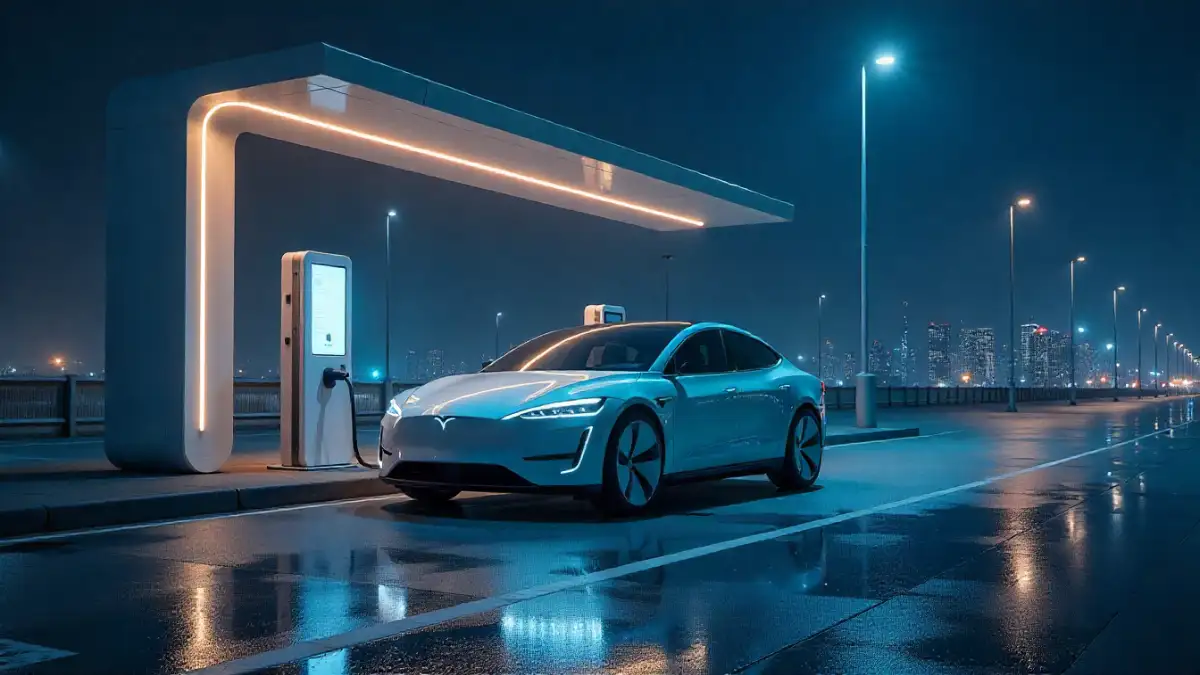
Picture this: You’re standing at a charging station in 2025, watching your electric vehicle gain 200 miles of range in just ten minutes. Sounds like science fiction, right? Yet this is increasingly becoming our reality as solid-state batteries transition from laboratory dreams to production lines. But here’s the million-dollar question that keeps industry experts up at night—are our power grids, charging networks, and city streets actually ready for this electric revolution?
As someone who’s been tracking electric mobility for years, I’ve watched this transformation unfold with a mix of excitement and concern. The technology? It’s leaping forward at breakneck speed. The infrastructure? Well, that’s running a different race entirely. And it’s this disconnect that’s creating both incredible opportunities and frustrating bottlenecks across the electric mobility ecosystem.
The Battery Breakthrough That Changes Everything
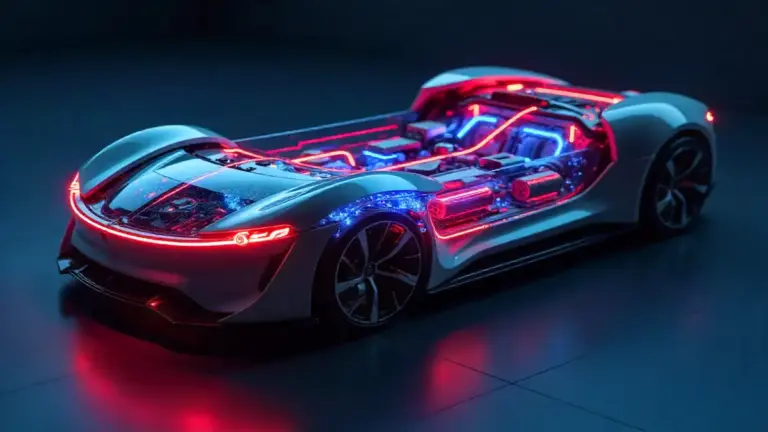
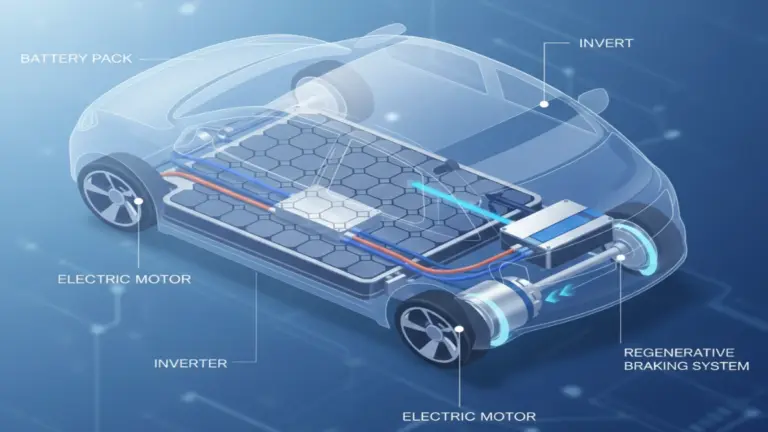
Let me tell you about the technology that’s causing all the buzz in 2025—solid-state batteries. These batteries replace liquid electrolytes with solid ones. The result? Potential EV range over 500 miles and charging times under 15 minutes. When I first heard Toyota’s claims about a 600-mile range vehicle, I’ll admit I was skeptical. I’ve heard bold promises before. But this time feels different.
From Lab to Road: Real Progress Happening Now
Mercedes-Benz has already begun road testing vehicles equipped with prototype solid-state batteries. Their development vehicle is expected to achieve over 620 miles of range. That’s not a press release promise—that’s rubber meeting road. Chinese scientists have achieved three key breakthroughs in solid-state battery technology. One innovation involves developing “special glue” iodine ions that improve bonding between electrodes and electrolytes.
Here’s what makes solid-state batteries such game-changers: they significantly reduce fire risks since the solid electrolyte isn’t combustible. They can potentially double the capacity and range compared to conventional batteries. Think about what this means for your daily life. No more range anxiety. No more planning your trips around charging stations. Just get in and drive, like you’ve always done with gas-powered cars.
The Manufacturing Challenge
There’s a catch, though. Solid electrolytes are ceramic materials that are brittle, not flexible, and can crack. This makes it challenging to build large ceramic pieces that are thin, flat, and uniform at scale. Companies like CATL and BYD plan to introduce solid-state batteries around 2027. Mass production is expected closer to 2030. Nissan plans to launch its first vehicles powered by all-solid-state batteries by fiscal year 2028.
The competition is fierce. Huawei has filed a patent for a nitrogen-doped sulfide solid-state battery. Their claims include energy densities between 400 and 500 watt-hours per kilogram, promising up to 3,000 kilometers of range on a single charge. Even if that figure turns out to be optimistic, we’re clearly entering a new era of battery technology.
The Infrastructure Reality Check
Now here’s where things get complicated. We’re building amazing electric vehicles, but are we building the infrastructure to support them? The answer, frustratingly, is “sort of.”
The Numbers Tell a Mixed Story
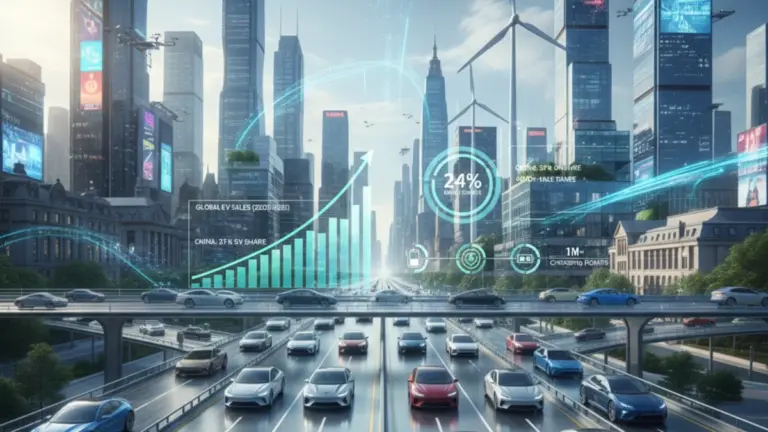
Let’s look at the data. By the end of 2024, China had about 65% of global public charging infrastructure and 60% of the electric vehicle stock. Europe saw over 35% growth in public charging points compared to 2023. Meanwhile, the US is forecasting 16,700 new fast charging ports to open in 2025. That would be 2.4 times as many as were opened three years earlier. Sounds impressive, right?
Dig deeper and you’ll find the challenge. The Edison Electric Institute estimates that approximately 9.6 million charge points will be needed in the United States by the end of the decade. This projection is based on an estimated 18.7 million EVs on the road. We’re making progress, but we’re not there yet.
The Grid Capacity Bottleneck
Here’s what really concerns me: megawatt chargers impose significant loads on grids. These ultra-high-power charging stations often require upgrades that could significantly slow down or limit deployment. It’s like we’ve designed a supercar but we’re still driving on gravel roads.
The picture isn’t entirely gloomy, though. More than 8 million public charging points now exist worldwide. The number of fast chargers is growing at nearly double the rate of slower Level 2 chargers. Innovation is happening too—companies like Char.gy in the UK are converting street lamps into EV chargers. This makes curbside charging more accessible in cities where off-street parking is rare.
The Grid Decarbonization Puzzle
Here’s an irony that keeps me up at night: What’s the point of driving an electric vehicle if the electricity charging it comes from coal-fired power plants? This is the decarbonization challenge that doesn’t get enough attention.
Renewable Integration: The Bright Spots
The good news? Charging infrastructure is increasingly being integrated with renewable energy and battery storage systems. Solar and wind-powered charging sites create a direct link between renewable generation and charge ports. Some forward-thinking operators are even using second-life EV batteries in charging infrastructure. This approach could save $25 billion annually by 2040 and prevent approximately 16 megatons of CO2 emissions each year.
In Europe, a survey of 200 EV owners showed that solar energy acts as a gateway to smart home energy setups. EV owners with photovoltaic systems are more likely to adopt energy management tools and optimize charging with dynamic tariffs. This is the kind of integrated thinking we need more of.
The Reality of Grid Constraints
Here’s the reality check: grid constraints remain a major concern. Charging locations frequently face limited grid capacities and expensive peak demand charges. This impacts profitability for operators and reliability for customers. We’re essentially trying to run a 21st-century transportation system on 20th-century grid infrastructure.
The Micromobility Safety Crisis
While we’ve been focused on electric cars, there’s another revolution happening on our streets. E-bikes and e-scooters have exploded in popularity. Unfortunately, they’re also creating serious safety concerns. Our cities haven’t adapted quickly enough.
The Alarming Statistics
The numbers don’t lie. Research by the Consumer Product Safety Commission found that e-bicycle injuries mostly doubled every year from 2017 to 2022. E-scooter injuries rose by 45 percent annually. These aren’t just scrapes and bruises—injuries include ruptured spleens, concussions, facial fractures, and deep lacerations.
What’s causing this surge? Several factors are at play. E-bike riders show higher rates of spine and extremity injuries compared to traditional cyclists. They also have higher ward and ICU admissions, increased need for surgery, and longer hospital stays. Reviews of e-scooter injuries show high prevalence of head, thorax, and extremity injuries. Low rates of helmet use and drug/alcohol intoxication contribute to increased risk of head trauma.
The Regulatory Scramble
The regulatory landscape is struggling to keep pace. As of October 2025, at least 28 states and Washington, D.C., have enacted e-scooter laws. Nearly four dozen have some form of regulation for e-bicycles. Enforcement remains a challenge, though. Toronto police launched a weeks-long enforcement campaign in August 2025. The campaign focused on education and enforcement of micromobility vehicles. Police acknowledged that “as more and more people operate these vehicles, education and enforcing the law is more important than ever.”
I’ve spoken with city planners who are tearing their hair out over this issue. They want to promote sustainable transportation, but they also need to keep people safe. It’s a delicate balance, and right now, we’re not getting it right.
The Urban Infrastructure Gap
Walk through any major city in 2025 and you’ll see the problem immediately. E-scooters litter sidewalks. Delivery workers on illegal mopeds weave through traffic. Pedestrians dodge bikes on crosswalks. Our urban infrastructure simply wasn’t designed for this explosion of micromobility.
The Chaos on Our Streets
The increased presence of micromobility vehicles has fueled a sense of chaos, disorder, and lawlessness on city streets. Devices parked on sidewalks and in crosswalks make navigation more difficult, especially for pedestrians and people with disabilities.
The problem extends beyond just physical infrastructure. Most moped dealerships in New York City are unlicensed. Why? Their products don’t have VINs, making them illegal. Many sellers brand their products as e-bikes, misleading customers about legal requirements. A new state law requiring moped registration at point-of-sale took effect in January 2025. Enforcement remains challenging, though.
Learning From Success Stories
Cities are trying various approaches. Some are creating dedicated micromobility lanes. Others are implementing strict parking regulations. In Europe, countries show significant variations in charging infrastructure development. The Netherlands has the largest national charging network at over 180,000 public charging points. Germany and France follow closely behind. The lesson? Infrastructure investment pays off in adoption rates.
Where Collaboration Is Desperately Needed
So what’s the solution? Based on conversations with industry experts, policymakers, and everyday users, it’s clear that collaboration is the key. Unfortunately, it’s the missing ingredient we can’t seem to find.
Breaking Down the Silos
Automakers need to work with utility companies to ensure grid capacity matches vehicle deployment. City planners must coordinate with micromobility operators to create safe, accessible infrastructure. Regulators need to understand both the promise and the pitfalls of new technology.
Vehicle-to-Grid (V2G) technology offers a promising solution. EVs are parked 95% of the time. Much of that time is spent connected to charging stations. This potentially offers huge value-added benefits to grid stability. Imagine if your parked electric car could help stabilize the grid during peak demand, earning you money in the process. That’s the kind of integrated thinking we need.
Fleet Electrification Shows the Way
For electric fleets—which are rapidly electrifying—smart EV charging and energy management solutions can optimize use of both private and public infrastructure. These systems incorporate charging-aware route planning and balance load supply while driving down upfront costs. Companies are recognizing this value proposition. Recent analysis finds that in most cases, the total cost of ownership of electric fleet vehicles is at or below parity with internal combustion engine counterparts.
The Road Ahead: Making the Transition Truly Sustainable
Here’s what keeps me optimistic despite the challenges: We’re having the right conversations. Industry forums, Reddit discussions, LinkedIn thought leaders—everyone’s talking about these issues. The question isn’t whether we’ll solve them. It’s how quickly and effectively we can collaborate to make it happen.
The technology is incredible. Solid-state batteries that were science fiction five years ago are rolling on roads today. Technology alone won’t create a sustainable transportation future, though. We need several key elements working together.
The Essential Building Blocks
Smart grid integration. Not just more charging stations. We need charging infrastructure that works in harmony with renewable energy sources and grid capacity.
Thoughtful urban planning. Cities designed with dedicated lanes, clear regulations, and enforcement mechanisms that make micromobility safe for everyone.
Clear, enforceable regulations. Rules that protect consumers, ensure safety, and enable innovation. Not bureaucracy that stifles progress.
Public-private partnerships. Government, industry, and communities working together to fund and deploy infrastructure at the scale we need.
Education and awareness. Helping everyone—from teenage e-bike riders to senior policymakers—understand both the opportunities and responsibilities that come with electric mobility.
The transformation to electric mobility isn’t a sprint; it’s a marathon. Right now, we’re at that challenging middle stage. The finish line is visible but still distant. Our legs are burning but we know we can’t slow down.
Your Role in This Revolution
So where does this leave you? Whether you’re considering your first EV purchase, navigating city streets on an e-bike, or simply interested in where transportation is headed, you’re part of this transition.
For Prospective EV Buyers
If you’re thinking about buying an electric vehicle, don’t just look at the car. Investigate the charging infrastructure in your area first. Where will you charge? How long will it take? What’s your backup plan? The answers to these questions are as important as range and price.
For Micromobility Users
If you ride e-bikes or e-scooters, take safety seriously. Wear a helmet. Follow traffic laws. Remember that these vehicles are faster and heavier than traditional bikes. That comes with increased responsibility.
For Engaged Citizens
If you’re a city resident, engage with local transportation planning. Attend town halls. Voice your concerns and ideas. The cities that successfully navigate this transition will be the ones where citizens actively participate in shaping the future.
For Industry Professionals
If you’re an industry professional, keep pushing for collaboration. The silos need to come down. The automaker can’t succeed if the utility company isn’t ready. The charging network operator can’t thrive if city regulations are hostile. We’re all in this together.
The electric mobility revolution is happening—that much is certain. The question is whether we’ll manage it thoughtfully, collaboratively, and sustainably. Will we fix problems before they become crises, or stumble through reactively? I’m betting on the former, but it’s going to take all of us working together to make it happen.
The technology is ready. The question is: Are we?