You’ve probably heard them all—the horror stories about electric cars dying mid-highway, batteries degrading to nothing after a few years, or EVs becoming useless paperweights in cold weather. I get it. When you’re considering switching to an electric vehicle, these concerns feel legitimate. After all, nobody wants to invest in a car that might leave them stranded or lose half its value because the battery gave up.
But here’s the thing: most of what you’ve heard about EV range and battery life is either exaggerated, outdated, or just plain wrong. The electric vehicle landscape has evolved dramatically in recent years, and the technology has matured far beyond those early-generation quirks. Let’s separate fact from fiction and give you the real story about what you can actually expect from an EV’s range and battery.
Myth 1: Electric Cars Can’t Handle Long Trips
This is probably the most persistent myth out there, and I understand why it sticks around. Range anxiety is real—that nagging worry that you’ll run out of juice before reaching a charger. But let’s look at the reality in 2025.
Most modern electric vehicles offer between 250 to 350 miles of range on a single charge. The Tesla Model 3 Long Range delivers over 340 miles, the Hyundai Ioniq 6 reaches 361 miles, and even more affordable options like the Chevrolet Equinox EV offer around 300 miles. That’s enough to drive from New York City to Buffalo, or Los Angeles to San Francisco, with charge to spare.
Think about your own driving habits for a moment. How often do you actually drive more than 250 miles without stopping? Most people take a break every few hours on road trips—for bathroom stops, meals, or just to stretch their legs. That’s the perfect time to plug in at a fast charger. Modern DC fast chargers can add 200 miles of range in about 20-30 minutes. You’ll probably finish your coffee break before your car finishes charging.
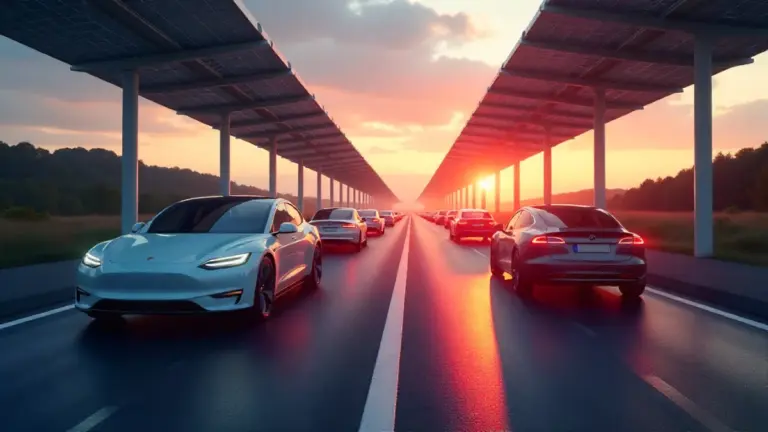
Plus, the charging infrastructure has exploded. There are now over 160,000 public charging ports across the United States, with networks like Tesla’s Supercharger (now opening to other brands), Electrify America, and EVgo covering major highways and urban areas. Long trips aren’t just possible—they’re genuinely practical.
Myth 2: EV Batteries Die After Just a Few Years
I’ve heard people say electric car batteries are “just like your phone battery” and will be worthless after three years. This comparison sounds reasonable, but it completely misses how EV battery technology actually works.
Your smartphone battery degrades quickly because it’s constantly cycled through complete charge and discharge cycles, often multiple times a day, in a compact space with limited thermal management. Electric car batteries are engineered completely differently. They use sophisticated battery management systems that regulate temperature, prevent overcharging, and avoid deep discharges—all the things that cause degradation.
Real-world data tells a much more reassuring story. Studies of Tesla vehicles show an average battery capacity retention of about 90% after 200,000 miles. That means after driving the equivalent of circling the Earth eight times, the battery still holds 90% of its original charge. The average driver covers about 12,000-15,000 miles annually, so we’re talking about maintaining excellent battery health for well over a decade.
Most manufacturers back this up with impressive warranties. Many EVs come with 8-year/100,000-mile battery warranties, with some brands like Hyundai and Kia offering coverage up to 10 years or 100,000 miles. These aren’t companies gambling on failure—they’re confident in their battery longevity because the engineering supports it.
Myth 3: Cold Weather Kills Your Range Completely
Let’s be honest—cold weather does affect EV range. But does it “kill” it? Not even close.
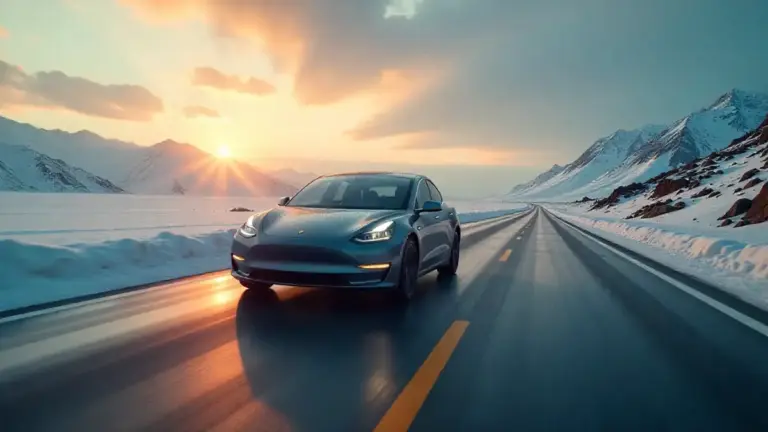
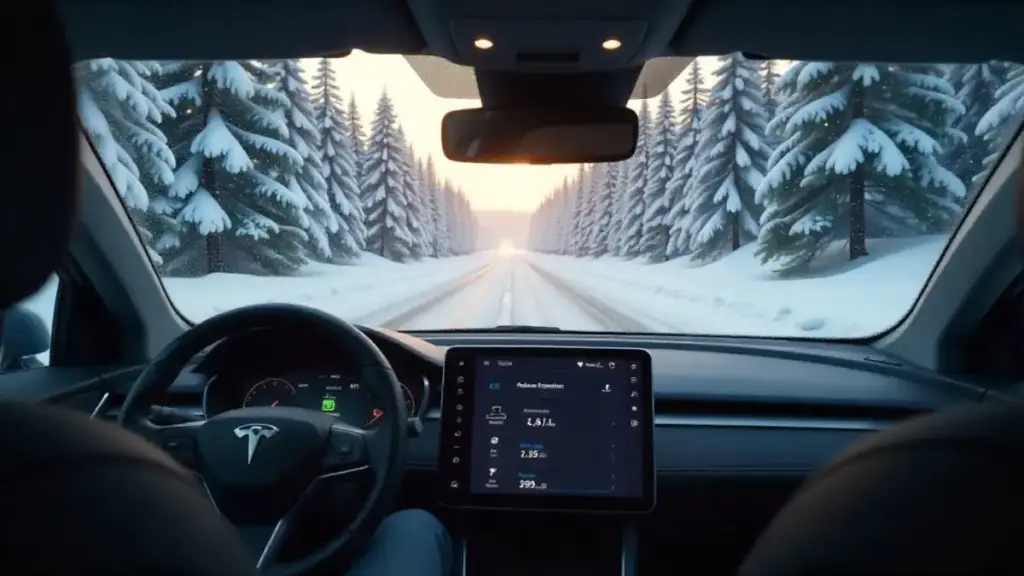
When temperatures drop below freezing, you can expect to lose roughly 20-40% of your range, depending on how cold it gets and how much you’re using the heater. Yes, that’s noticeable. A car with 300 miles of range might deliver 180-240 miles in harsh winter conditions. But here’s what the myth-spreaders don’t mention: gasoline cars also lose efficiency in cold weather—about 15-25%—because engines take longer to reach optimal operating temperature and fuel doesn’t combust as efficiently.
The bigger difference is that EV drivers monitor their range more closely because they’re more aware of it. You probably have no idea how your gas car’s fuel economy changes in winter, but EV dashboards display this information prominently.
Modern EVs have also gotten much better at managing cold weather. Features like heat pumps (standard on many newer models) use far less energy than resistive heaters. Battery preconditioning—where the car warms the battery while still plugged in—lets you start your journey with optimal performance. And if you park in a garage, you’re already protecting your battery from the worst temperature extremes.
I’ve driven EVs through brutal New York winters, and yes, I plan for slightly more charging stops. But “unusable in winter”? That’s pure fiction.
Myth 4: You’ll Be Stranded When the Battery Dies
This myth assumes that electric cars just suddenly shut down when they hit 0% charge, leaving you helpless on the side of the road. The reality? EVs give you so much warning that running out of charge requires actively ignoring multiple alerts.
Modern electric vehicles are equipped with sophisticated range estimation systems. They constantly calculate remaining range based on your driving style, terrain, weather, and even which apps you’re using. When you’re getting low, the car doesn’t just show you a warning light—it actively suggests nearby charging stations, reroutes your navigation to include a charging stop, and gives you increasingly urgent notifications.
Many EVs also enter a “limp mode” when battery levels become critically low, reducing power and non-essential functions to extend your range by several miles—enough to reach the nearest charger. It’s like when your laptop switches to power-saving mode, except it gives you warning miles in advance.
Compare this to running out of gas. With an EV, you have precise information about your remaining range and constant access to charging locations via your navigation system. With a gas car, you’re relying on that vague fuel gauge and hoping there’s a gas station at the next exit.
According to AAA, dead batteries account for a tiny fraction of EV roadside assistance calls—far less than for conventional vehicles. The real culprits? Flat tires and lock-outs, just like any other car.
Myth 5: Battery Replacement Costs Will Bankrupt You
“But what happens when you need to replace that $20,000 battery?” This question pops up constantly, usually with astronomical price tags thrown around to scare people.
First, as we’ve already covered, batteries last a very long time. The likelihood that you’ll need to replace your battery during your ownership is incredibly low. Most people will trade in or sell their EV long before the battery reaches end-of-life.
Second, even if you did need a replacement, the prices aren’t what people think. Battery costs have plummeted by nearly 90% over the past decade. While early EV battery replacements could cost $15,000-$20,000, modern replacements run $5,000-$8,000 for many vehicles, and costs continue dropping. Some manufacturers, like Nissan, offer remanufactured battery packs for even less.
Third, if you’re within your warranty period (which, remember, is typically 8-10 years), battery replacement costs you nothing if capacity drops below the guaranteed threshold—usually 70% of original capacity.
And here’s something most critics won’t tell you: EVs save you money in so many other ways that even if you did face a battery replacement, you’ve likely already saved more in gas and maintenance costs. No oil changes, no transmission services, no exhaust system repairs, no spark plugs, no timing belts. The average EV owner saves $4,600 in maintenance costs over the first five years compared to gas vehicles.
The Real Story About EV Range and Batteries
Are electric vehicles perfect? No. Do they require some adjustment in how you think about refueling? Yes. But are the horror stories about range and battery life accurate? Absolutely not.
The truth is that EV technology has matured tremendously. Today’s electric vehicles offer practical range for the vast majority of driving scenarios, batteries that outlast most people’s ownership periods, and charging infrastructure that makes long trips genuinely feasible. The myths persist largely because they’re based on outdated information or extreme edge cases presented as common problems.
If you’re considering an electric vehicle, don’t let misinformation scare you away. Talk to actual EV owners—most are overwhelmingly positive about their experience. Test drive one yourself and see how it fits your lifestyle. Check out the charging infrastructure in your area. Calculate your actual daily driving needs versus the available range.
You might find, as millions already have, that the reality of EV ownership is far more convenient and enjoyable than the myths would have you believe. The future of transportation is electric, and it’s already here—working better than the skeptics ever want to admit.