Picture this: You’re driving your electric car through an unfamiliar town, and your battery indicator is creeping lower than you’d like. Your palms get a little sweaty. Where’s the nearest charging station? Is it working? Will you need a special membership to use it?
If you’ve ever experienced that moment of uncertainty, you’re not alone. But here’s the good news—those days of charging anxiety are rapidly becoming a thing of the past, thanks to charging station finder apps. These digital companions have transformed what used to be a guessing game into a seamless experience that’s often easier than finding a gas station.
I’ve watched the EV charging landscape evolve dramatically over the past few years, and I can tell you that charging station finder apps aren’t just convenient—they’re essential tools that can make or break your electric vehicle experience. Whether you’re considering your first EV or you’re already driving one, understanding these apps will give you the confidence to travel anywhere without worry.
Why Your EV Needs a Charging Station Finder App
Remember when your parents kept paper maps in the glove compartment? That’s essentially what driving an EV without a charging app is like today—technically possible, but why would you make it harder on yourself?
The charging infrastructure for electric vehicles has grown exponentially, which sounds great until you realize there are now dozens of different charging networks, each with their own pricing, membership requirements, and connector types. In the United States alone, there are over 60,000 public charging stations with more than 160,000 individual charging ports. That’s fantastic for coverage, but it creates a new problem: How do you navigate this complex web of options?
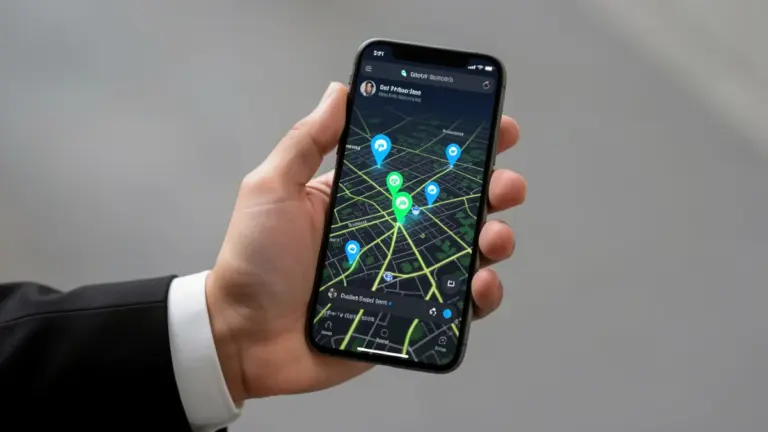
This is where charging station finder apps shine. They aggregate information from multiple networks into one convenient interface, giving you a bird’s-eye view of all your charging options. But they do so much more than just show you dots on a map. The best apps tell you whether a charger is currently available or occupied, how much it costs to use, how fast it charges, and whether it’s compatible with your specific vehicle.
Think of these apps as your personal charging concierge. They eliminate the uncertainty that once made EV ownership intimidating for many people. You wouldn’t buy a smartphone without expecting to have easy access to apps and services, right? The same logic applies to electric vehicles—a charging station finder app completes the package.
Essential Features to Look for in a Charging App
Not all charging station finder apps are created equal. I’ve tested more than a dozen over the years, and the difference between a mediocre app and a great one can significantly impact your daily driving experience. Here’s what separates the game-changers from the also-rans.
Real-Time Availability
This is the absolute must-have feature. Nothing is more frustrating than driving to a charging station only to find every port occupied or, worse, out of service. The best apps show you real-time status updates, letting you know which chargers are available right now. Some even display estimated wait times during peak hours. This feature alone has saved me countless minutes of circling parking lots and stressing about my remaining range.
Detailed Station Information
You need to know more than just where a charger is located. Quality apps provide comprehensive details: What charging speeds are available (Level 2 versus DC fast charging)? What connector types (CCS, CHAdeMO, Tesla)? What networks operate the station (ChargePoint, Electrify America, EVgo)? Is it located in a safe, well-lit area? Are there amenities nearby like restaurants or shops?
I’ve learned the hard way that knowing a charger exists five miles away doesn’t help much if it’s a slow Level 2 charger and you need to get back on the highway in 20 minutes. Detailed information helps you make smart decisions about which charging stop makes the most sense for your situation.
Pricing Transparency
Charging costs can vary wildly—from completely free at some shopping centers to premium rates at highway fast chargers. The best apps display pricing upfront, including per-kilowatt-hour rates, per-minute fees, and any session or idle fees that might apply. Some apps even calculate the total cost to charge to your desired battery level. This transparency helps you budget and choose the most cost-effective options when you have multiple chargers nearby.
User Reviews and Photos
Here’s something that might surprise you: User-generated content is incredibly valuable for charging stations. Reviews tell you things the official data can’t—like whether a charger is difficult to access in a parking garage, whether the location feels safe at night, or whether there’s a fantastic coffee shop across the street where you can wait during a charge. Photos show you exactly what to expect when you arrive. This crowdsourced information has helped me avoid problematic charging locations and discover hidden gems.
Trip Planning and Route Optimization
For longer journeys, advanced apps can plan your entire route with strategic charging stops. They factor in your vehicle’s current charge level, its efficiency, and the locations of compatible fast chargers along your path. Some even consider real-world conditions like weather, traffic, and elevation changes. It’s like having a copilot who’s obsessed with keeping you powered up.
Payment Integration
The ability to pay through the app itself is a huge convenience upgrade. Instead of juggling multiple network memberships, credit cards, or RFID cards, you can simply tap your phone and start charging. Many apps store your payment information securely and provide detailed charging history for your records.
The Top Charging Station Finder Apps You Should Know About
Let me walk you through the apps that have earned their place on my phone’s home screen and why each one brings something valuable to the table.
PlugShare
If I had to recommend just one app to every EV driver, PlugShare would be it. This community-driven app has the most comprehensive database of charging stations worldwide, including smaller networks and even private chargers that owners have made available to other EV drivers. What makes PlugShare special is its active community—users constantly update station status, leave detailed reviews, and share tips about each location.
The app’s filtering system is incredibly sophisticated. You can search by connector type, charging speed, network, price (including free chargers), and even amenities like whether the location has restrooms or WiFi. PlugShare’s trip planner is reliable and intuitive, making it easy to plan long drives with charging stops built in. The only downside? You’ll often need separate apps or accounts to actually pay for and activate the chargers you find through PlugShare.
ChargePoint
ChargePoint operates one of North America’s largest charging networks, and their app is polished and feature-rich. If you’re in an area with good ChargePoint coverage, this app offers a seamless experience from finding a charger to paying for your session. The real-time availability is highly accurate, and you can reserve certain chargers in advance—a feature that’s incredibly useful in busy urban areas.
I appreciate that ChargePoint provides waitlist functionality at popular locations. If all chargers are occupied, you can join a waitlist and receive a notification when one becomes available. The app also tracks your charging history and costs, which is helpful for budgeting or reimbursement if you charge for work purposes.
Electrify America
Electrify America focuses on fast charging, and if you’re road-tripping across the United States, you’ll likely use their network. Their app is straightforward and reliable, with accurate real-time status updates and clear pricing. One feature I particularly value is the ability to see the power output of each individual charger—important because not all “fast chargers” charge at the same speed.
Electrify America stations are strategically located along major highways and in metropolitan areas. The app’s interface is clean and uncluttered, making it easy to start a charging session quickly when you’re in a hurry. Plus, if you drive certain EV models, you might qualify for complimentary charging sessions through manufacturer partnerships.
A Better Routeplanner (ABRP)
For serious trip planning, A Better Routeplanner is in a league of its own. This app is specifically designed for long-distance EV travel, and it’s remarkably sophisticated. You input your vehicle model and current battery level, and ABRP calculates the most efficient route with optimal charging stops. It considers factors like wind, temperature, speed, and even your driving style.
What impresses me most about ABRP is how accurate it is. The app accounts for battery degradation as you drive and adjusts recommendations in real-time. You can set preferences like “I want to arrive with 20% battery” or “I prefer shorter, more frequent charging stops,” and it adapts accordingly. It’s particularly valuable for cross-country trips or when you’re exploring new areas.
Tesla App (for Tesla Owners)
If you drive a Tesla, the built-in navigation system and companion app are exceptionally well-integrated. The car automatically plans routes with Supercharger stops, preconditions the battery for optimal charging speeds, and even predicts how busy each station will be when you arrive. The app shows real-time stall availability at Supercharger locations and allows you to view details about each station.
While this only works with Tesla’s proprietary charging network, the Supercharger experience is often considered the gold standard for fast charging. The seamless integration between car and app makes the whole process feel effortless. With Tesla opening Superchargers to other EVs in select locations, some of these benefits may eventually extend to non-Tesla drivers using the app.
Real-World Tips for Using Charging Apps Effectively
Having the right apps installed is just the first step. Here’s how to make them work for you in everyday situations and long trips.
Download Multiple Apps
I know this sounds counterintuitive, but hear me out. Different apps excel in different situations. PlugShare is my go-to for discovering all available options, ChargePoint is essential when I’m using their network, and ABRP is indispensable for road trips. Having multiple apps gives you redundancy—if one app shows a charger as unavailable or provides incomplete information, you can cross-reference with another.
Think of it like having both Google Maps and Waze on your phone. Each has strengths, and together they give you a complete picture. The storage space required is minimal, and the peace of mind is substantial.
Set Up Accounts Before You Need Them
Here’s a mistake I see new EV owners make repeatedly: They wait until they desperately need a charge to set up their accounts and payment methods. Don’t be that person standing next to a charging station, phone in hand, frantically trying to remember passwords while your battery ticks down to nothing.
Take an afternoon to download the major apps, create accounts, and add payment information for the networks common in your area. Enable notifications so you’ll receive alerts about charging status. This preparation takes maybe an hour, but it’ll save you stress and time in real-world situations.
Check Reviews Before Your First Visit
Not all charging stations are created equal, even within the same network. Before visiting a new charging location—especially in an unfamiliar area—read the recent reviews. Users often share crucial information about accessibility issues, safety concerns, broken chargers, or nearby amenities that make the wait more pleasant.
I’ve avoided countless frustrating experiences by heeding warnings in reviews about perpetually broken chargers or stations in sketchy locations. Conversely, I’ve discovered wonderful cafes and scenic spots because fellow EV drivers took the time to share recommendations.
Master the Filter Functions
Every major charging app includes filtering options, but many users don’t take full advantage of them. Learn to filter by the connector type your vehicle uses—there’s no point seeing chargers you can’t use. Filter by charging speed based on your needs: DC fast charging for road trips, Level 2 for leisurely stops or overnight charging.
You can also filter by network if you have memberships that offer discounted rates, or by price if you’re trying to find free charging options. Some apps let you filter for specific amenities like covered parking or 24-hour availability. Mastering these filters transforms a overwhelming list of options into a curated selection that actually fits your needs.
Enable Background Location for Better Suggestions
I know privacy is important, and you should make your own decision here, but allowing charging apps to access your location can significantly improve your experience. Apps can proactively suggest nearby chargers when your battery is running low, alert you to new stations along routes you frequently drive, and provide more accurate navigation.
Most quality apps are transparent about how they use location data and give you granular control over permissions. The convenience of contextual suggestions often outweighs the privacy concerns for many users, but it’s a personal choice.
Plan Charging Stops Around Your Actual Activities
Here’s a mindset shift that changed how I think about EV charging: Don’t just charge your car—charge while you’re doing something else. Instead of viewing charging as a separate errand, integrate it into your routine.
Use charging apps to find stations at places you already go: your workplace, the grocery store, the gym, restaurants you like. Many charging apps let you search for stations near specific addresses or points of interest. I’ve found chargers at movie theaters, shopping centers, and parks. The charging happens in the background while I go about my day, making it feel effortless rather than like an inconvenience.
How Charging Apps Are Solving Range Anxiety
Let’s address the elephant in the room: range anxiety. It’s the biggest concern people voice when considering an electric vehicle, and charging station finder apps are the practical solution to this psychological barrier.
Range anxiety isn’t really about running out of charge—that rarely happens in practice. It’s about uncertainty. It’s the nagging worry that you won’t find a charger when you need one, or that you’ll be stranded in an unfamiliar place. Charging apps eliminate that uncertainty by putting comprehensive information literally at your fingertips.
When you know exactly where every charging station is located, what condition it’s in, and whether it’s available right now, that anxiety evaporates. I’ve driven my EV across multiple states, through rural areas with sparse charging infrastructure, and I’ve never felt truly worried because my apps showed me every option along the way.
The data backs this up. Studies show that EV owners who regularly use charging station finder apps report significantly lower range anxiety than those who don’t. The apps provide not just practical information but also psychological reassurance. You’re not venturing into the unknown—you’re following a well-lit path.
Moreover, these apps are constantly improving. Machine learning algorithms are getting better at predicting charging station availability. Integration with vehicle systems is becoming seamless. And as the charging network expands, the apps’ databases grow richer and more detailed. The charging experience today is vastly better than just three years ago, and it’s getting better every month.
The Future of Charging Station Finder Apps
Looking ahead, charging station finder apps are evolving into sophisticated platforms that will fundamentally change how we think about vehicle charging. Here’s what’s on the horizon, and some of these features are already rolling out.
Predictive Intelligence
Future apps will use artificial intelligence to predict when and where you’ll need to charge based on your driving patterns, calendar appointments, and typical routes. Imagine your app suggesting, “You have a meeting across town tomorrow morning. Based on your current charge level and typical driving, you should charge tonight at the station near your favorite restaurant.”
Seamless Vehicle Integration
We’re moving toward a world where your vehicle and charging apps communicate directly. Your car will automatically share its battery status, charging speed capabilities, and destination with the app. The app will send optimal charging stations directly to your car’s navigation system. You won’t need to pull out your phone at all—everything will happen through voice commands or the vehicle’s touchscreen.
Dynamic Pricing and Smart Recommendations
Apps are beginning to incorporate dynamic pricing models, showing you when charging costs are lowest and suggesting optimal charging times. Some are experimenting with demand-based recommendations—directing drivers to underutilized stations to balance network load. This benefits everyone by reducing congestion at popular chargers while supporting grid stability.
Community Features and Social Integration
The social aspects of charging apps are expanding. We’re seeing features like the ability to message other EV drivers at a station, organize group charging stops for EV clubs, and share real-time tips about specific locations. Some apps are gamifying the experience with achievements and leaderboards, making charging more engaging.
Expanded Payment Options
The app industry is working toward universal payment solutions that work across all charging networks. Imagine one app, one payment method, and compatibility with every charger you encounter. We’re not quite there yet, but partnerships between networks and payment processors are moving us in that direction.
Making the Switch: Getting Started with Charging Apps
If you’re new to EVs or haven’t been using charging apps yet, here’s your simple getting-started guide.
Step 1: Download the Essential Apps
Start with these three: PlugShare (for comprehensive coverage), the app for your local dominant charging network (often ChargePoint or Electrify America in the US), and A Better Routeplanner for trip planning. These three cover 90% of your charging needs right out of the gate.
Step 2: Set Up Your Profile
Add your vehicle information, including make, model, and year. This allows apps to filter for compatible charging stations and provide accurate range calculations. Enter your payment information for networks you’ll use regularly. Enable location services and notifications.
Step 3: Explore Your Area
Spend some time browsing the apps to see what charging infrastructure exists near your home, workplace, and places you frequently visit. Save your favorite locations. Check reviews to identify the best-maintained stations with the best amenities.
Step 4: Do a Test Run
Before you really need it, try using a charging app to find and use a public charger. Go through the entire process: opening the app, selecting a station, navigating to it, and activating the charger through the app. This dry run builds confidence and familiarity.
Step 5: Join the Community
Consider leaving reviews and updating station information when you charge. The EV community thrives on shared knowledge, and your contributions help other drivers just as you’ve benefited from theirs.
Conclusion
Charging station finder apps have transformed electric vehicle ownership from a leap of faith into a practical, convenient reality. They’ve turned the question “Where can I charge?” from a source of anxiety into a simple tap on your phone.
These apps aren’t just about finding charging stations—they’re about freedom. Freedom to drive where you want, when you want, without worrying about whether you’ll find a charge. They’re about confidence in your vehicle choice and assurance that the infrastructure exists to support your electric lifestyle.
Whether you’re driving a brand-new EV or considering making the switch, mastering charging station finder apps should be part of your journey. Download a few apps today, explore their features, and see how they transform your perspective on electric vehicle charging. You might be surprised to discover that the charging infrastructure around you is more extensive than you realized.
The truth is, hunting for a charger doesn’t have to be part of your EV experience anymore. With the right apps in your digital toolkit, you’ll wonder why anyone worried about range anxiety in the first place. The technology is here, it works brilliantly, and it’s getting better every day.
So go ahead—take that road trip you’ve been dreaming about. With a charging station finder app guiding you, the open road is truly yours.