Picture this: You’re sitting in traffic on your morning commute, watching exhaust fumes rise from the car ahead of you, and suddenly you wonder—does it have to be this way? What if every vehicle on this highway ran on clean energy? What would our cities look like, sound like, even smell like?
Here’s something that might surprise you: Transportation accounts for nearly 27% of greenhouse gas emissions in the United States, making it the largest contributor to climate change in the country. But here’s the exciting part—we’re living through a transportation revolution that’s giving us real, practical alternatives. Sustainable transportation isn’t just some distant dream anymore; it’s happening right now, on roads just like yours.
Let me walk you through what sustainable transportation really means, why it matters to you personally, and how the shift to electric vehicles is making it easier than ever to be part of the solution.
What Does “Sustainable Transportation” Actually Mean?
When most people hear “sustainable transportation,” they picture a Tesla or maybe someone pedaling a bicycle to work. And yes, those are part of it—but sustainable transportation is actually much broader and more nuanced than that.
At its core, sustainable transportation refers to any means of moving people or goods that minimizes environmental impact, reduces resource consumption, and can be maintained long-term without depleting natural resources. Think of it as transportation that doesn’t borrow from future generations to serve us today.
This includes obvious candidates like electric vehicles, but also public transit systems, car-sharing programs, bicycles, walking infrastructure, and even how we plan our communities to reduce the need for long commutes. The goal? Get where you need to go while leaving the smallest environmental footprint possible.
Now, I know what you’re thinking: “That sounds great in theory, but I live in the suburbs and need to drive 30 miles to work.” I get it. Sustainable transportation isn’t about guilt-tripping people who drive—it’s about making cleaner options available, practical, and yes, even desirable. And that’s where electric vehicles have become absolute game-changers.
Why Your Transportation Choices Actually Matter
Let’s get personal for a moment. The average American drives about 14,000 miles per year. If you’re driving a typical gasoline car that gets 25 miles per gallon, you’re burning through 560 gallons of gas annually. That’s roughly 5 tons of CO2 pumped into the atmosphere—just from your car alone.
Now multiply that by the roughly 290 million vehicles on U.S. roads. The numbers get staggering quickly.
But here’s where it gets interesting: switching to an electric vehicle can cut your transportation emissions by 50-70%, even when you account for the electricity generation. In states with cleaner electrical grids (like California, New York, or Washington), that number jumps even higher. And as more renewable energy comes online—which is happening faster than most people realize—EVs keep getting cleaner over their lifetime.
Think about it this way: If you buy a gasoline car today, it’ll emit the same amount of pollution in 2030 as it does now. But an EV charged in 2030 will be significantly cleaner than one charged today, because the grid keeps improving. It’s like your car gets an automatic environmental upgrade every year without you doing anything.
Beyond climate impact, there’s the local air quality factor. Gasoline and diesel vehicles emit nitrogen oxides, particulate matter, and volatile organic compounds—pollutants linked to asthma, heart disease, and premature death. Cities with high EV adoption, like Oslo and Amsterdam, are already seeing measurable improvements in air quality. This isn’t just about polar bears and melting ice caps; it’s about the air your kids breathe at the bus stop.
The Electric Vehicle Revolution: Sustainable Transportation’s Power Player
Here’s where sustainable transportation gets really exciting: electric vehicles have evolved from quirky experiments to legitimate alternatives that often outperform their gasoline counterparts.
I remember test-driving my first EV about five years ago. I was skeptical—worried about range, charging, and whether I’d miss the rumble of a traditional engine. Within 10 minutes, I was grinning like an idiot. The instant torque, the whisper-quiet ride, the feeling of gliding rather than grinding down the road—it was fundamentally different and undeniably better.
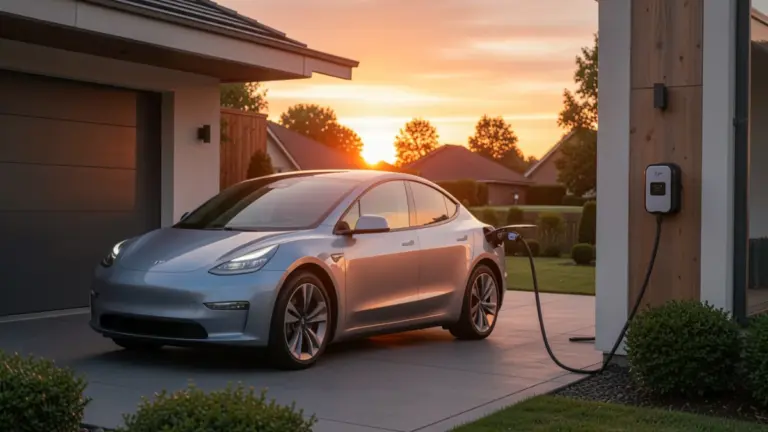
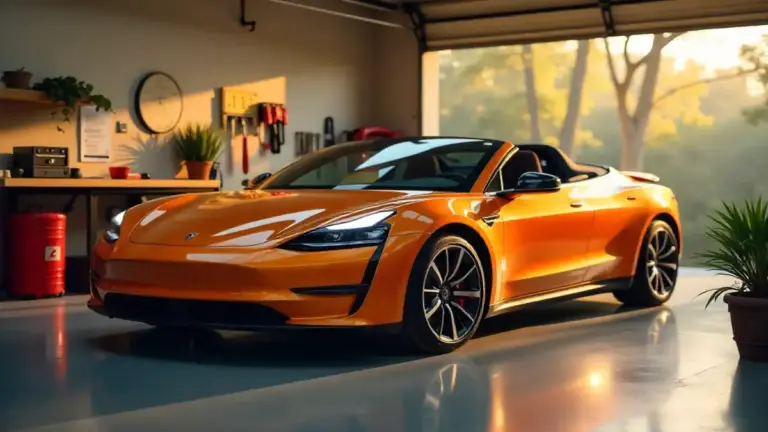
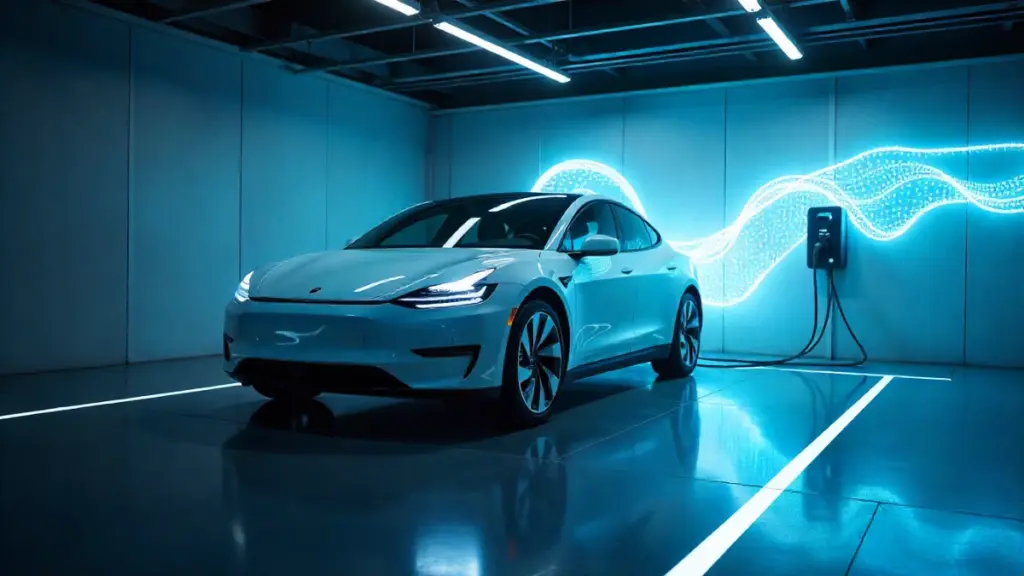
Today’s EVs aren’t compromises; they’re upgrades. Models like the Tesla Model 3, Ford Mustang Mach-E, Hyundai Ioniq 5, and Chevrolet Bolt offer 250-350 miles of range—more than enough for the vast majority of daily driving. Charging infrastructure has exploded, with over 140,000 public charging outlets across the U.S. and more being added daily.
The cost equation has shifted dramatically too. While EVs often have higher upfront prices, the total cost of ownership tells a different story. Electricity is cheaper than gasoline (equivalent to about $1.50 per gallon in many areas), and EVs have far fewer moving parts, meaning less maintenance. No oil changes, no transmission repairs, no exhaust system replacements. One study found that over five years, owning a Chevy Bolt costs about $4,600 less than a comparable gasoline car when you factor in fuel and maintenance savings.
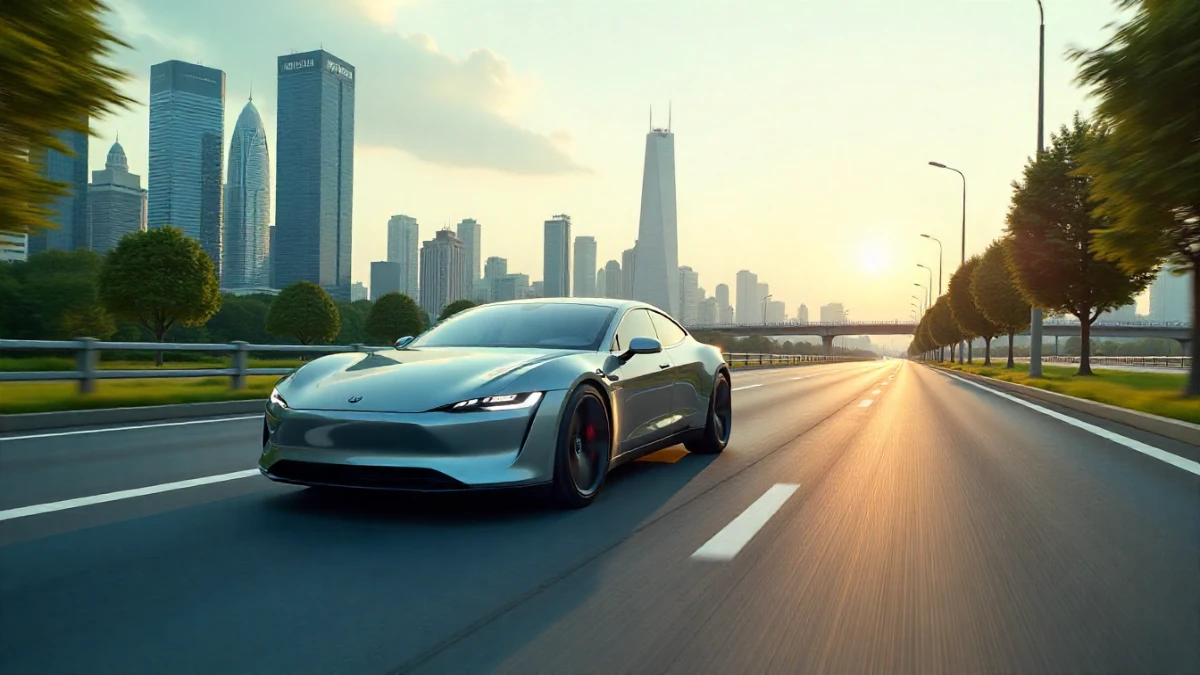
And let’s talk about performance for a second. Electric motors deliver 100% of their torque instantly. That means even a “regular” EV like a Nissan Leaf can accelerate from 0-60 mph faster than many sporty gasoline cars. The base Model 3 does it in 5.8 seconds—quicker than a Honda Civic Si. Sustainable doesn’t mean slow or boring.
Beyond Personal Cars: The Bigger Transportation Picture
While electric cars grab most of the headlines, truly sustainable transportation requires us to think bigger than just swapping gas cars for electric ones.
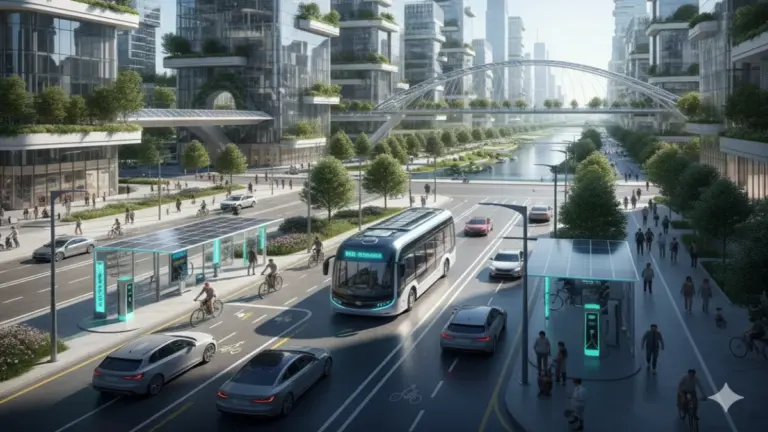
Public transportation remains one of the most efficient ways to move people. A single bus can replace 40 individual car trips, and many transit systems are electrifying their fleets. Electric buses are already common in cities like Los Angeles, Seattle, and New York. They’re quieter, produce zero local emissions, and cost less to operate over their lifetime.
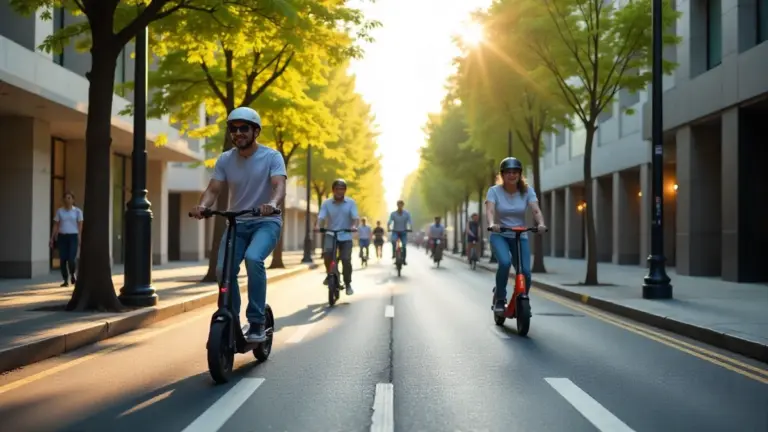
Micromobility—e-bikes, electric scooters, and bike-sharing programs—has exploded in the past few years. E-bikes, in particular, are a revelation if you haven’t tried one. They make longer commutes feasible without arriving sweaty at work, and they can replace car trips for errands, exercise, or social outings. Some studies show that e-bike owners reduce their car usage by 30-50%. In dense urban areas, they’re often faster than driving when you factor in parking.
Then there’s the concept of “mobility as a service”—combining car-sharing, ride-hailing, public transit, and bike-sharing into integrated systems where you use whatever transportation method makes the most sense for each trip. Apps like Transit, Citymapper, and Moovit are making this easier by showing all your options in one place. You don’t need to own a car for every possible scenario; you just need access to the right transportation at the right time.
Community planning matters too. When neighborhoods are designed with mixed-use development—where homes, shops, and workplaces exist close together—people naturally drive less. The traditional American pattern of separated, sprawling development basically requires everyone to drive everywhere. But cities and suburbs are slowly redesigning with sustainability in mind, adding bike lanes, improving pedestrian infrastructure, and increasing density in smart ways.
Overcoming the Real Obstacles
Let’s be honest about the challenges, because pretending they don’t exist doesn’t help anyone.
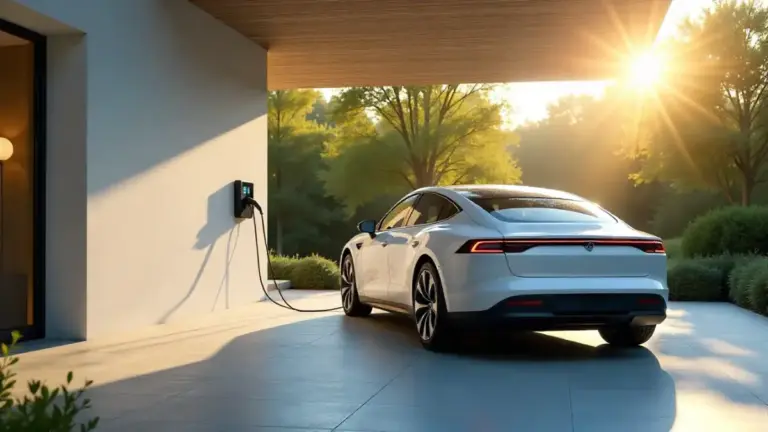
The charging infrastructure gap is real, especially in rural areas and apartment complexes. If you can’t charge at home, EV ownership becomes significantly less convenient. The good news? This is improving rapidly. Federal infrastructure investments are funding 500,000 new public charging stations. Apartment complexes are adding chargers to compete for tenants. Employers are installing workplace charging. It’s not perfect yet, but the trajectory is clear.
Upfront costs still present a barrier, though this is changing fast. EV prices have dropped considerably—you can get a new Chevy Bolt for under $27,000, and used EVs are becoming increasingly affordable. Federal tax credits of up to $7,500 and various state incentives can reduce costs further. Several automakers have announced plans for EVs under $25,000 within the next few years. The used EV market is also maturing, making electric transportation accessible at multiple price points.
Range anxiety is mostly psychological at this point. Studies show that the average American drives less than 40 miles per day, yet range remains the top concern people cite. Modern EVs with 250+ miles of range can handle the vast majority of driving without issue. For the occasional road trip, fast-charging networks are robust enough in most regions that stops every 2-3 hours aren’t a major inconvenience—and let’s be real, you probably wanted to stretch your legs anyway.
The environmental cost of battery production is a legitimate concern. Mining lithium, cobalt, and other battery materials does have environmental and social impacts. However, lifecycle analyses consistently show that even accounting for battery production, EVs produce significantly lower emissions over their lifespan than gasoline vehicles. Plus, the industry is rapidly improving—with better recycling programs, alternative battery chemistries, and more responsible sourcing practices. Nothing is perfect, but the direction is toward improvement.
Making Your Personal Transportation More Sustainable (Starting Today)
You don’t have to go out and buy a $50,000 electric car tomorrow to make a difference. Sustainable transportation is about progress, not perfection. Here’s how you can start:
Optimize what you already have. Keep your current vehicle well-maintained—proper tire pressure alone can improve fuel efficiency by 3%. Combine errands into single trips. Remove unnecessary weight from your car. These small things add up.
Consider an EV for your next vehicle. If you’re due for a new car anyway, explore electric options. Test drive a few—you might be surprised. Calculate the total cost of ownership, not just the sticker price. Look into available incentives in your state.
Use alternatives when practical. Could you bike or walk for some errands? Is there a bus route that works for your commute, even a few days a week? Could you work from home occasionally? Every mile not driven in a gasoline car makes a difference.
Advocate for better infrastructure. Talk to your employer about workplace charging. Contact local officials about bike lanes and public transit. Support policies that make sustainable transportation easier and more accessible. Individual choices matter, but systemic change requires collective action.
Share the ride. Carpooling with a neighbor or coworker cuts emissions per person dramatically. Car-sharing services like Zipcar or Turo mean you can access a vehicle when needed without the full cost and environmental impact of ownership.
The Future Is Already Here (It’s Just Not Evenly Distributed Yet)
That quote from science fiction writer William Gibson perfectly captures where we are with sustainable transportation. In some places—Oslo, Amsterdam, San Francisco—the future has arrived. Electric cars outnumber gasoline ones, bike infrastructure is world-class, and public transit is efficient and clean.
In other places, we’re still waiting. But the gap is closing faster than most people realize.
Major automakers have announced plans to go all-electric or mostly-electric within the next 10-15 years. GM aims for all-electric vehicles by 2035. Volvo is going all-electric by 2030. Ford is investing $50 billion in EV development. This isn’t a trend that’s going to reverse—it’s the future of transportation, being built right now.
Battery costs have fallen 89% since 2010 and continue to drop. Charging speeds keep improving—some new EVs can add 200 miles of range in just 20 minutes. Vehicle-to-grid technology will soon allow EVs to stabilize electrical grids and store renewable energy. Autonomous electric vehicles could revolutionize urban transportation by making shared rides more practical and affordable.
The question isn’t whether transportation will become more sustainable—it’s how quickly we get there, and whether we’re part of accelerating that transition or just along for the ride.
The Bottom Line: Your Transportation Choices Create the World You Want to Live In
Every time you choose how to get somewhere, you’re casting a vote for the kind of future you want. Do you want cities choked with traffic and smog, or clean air and quieter streets? Do you want to keep sending billions of dollars to oil companies, or invest in domestic clean energy infrastructure? Do you want to tell your grandkids you kept driving gas-guzzlers because changing was inconvenient, or that you were part of the solution?
I’m not saying you need to feel guilty about driving a gasoline car right now. Most of us are working within systems that were designed long before we had better alternatives. But those alternatives exist now, and they’re getting better and more accessible every year.
Sustainable transportation isn’t just about saving the planet—though that’s obviously crucial. It’s about cleaner air in your neighborhood, lower fuel and maintenance costs, better urban design, quieter streets, and honestly, more fun driving experiences. The transition to electric and sustainable transportation makes life better in tangible, immediate ways, not just in some abstract future.
So next time you’re stuck in that morning traffic, breathing exhaust fumes, take a moment to imagine something different. Then ask yourself: What small step can I take toward that vision? Maybe it’s just researching electric vehicles. Maybe it’s trying an e-bike. Maybe it’s advocating for better public transit in your community.
Whatever it is, your next ride matters. Make it count.